DJI Drones Catch Porpoises in the Act off Shetland
Check out the Best Deals on Amazon for DJI Drones today!
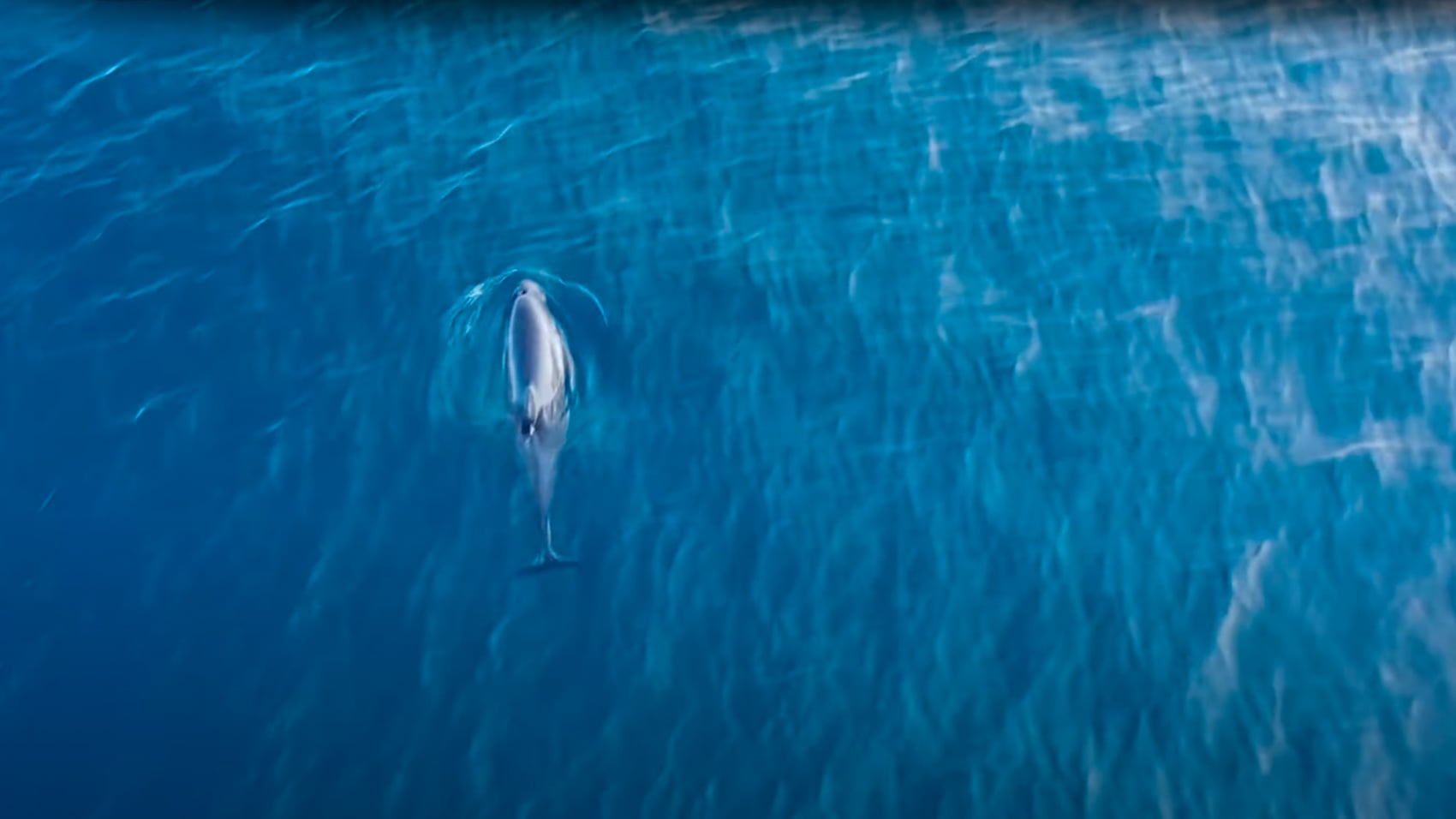
Nobody told the harbour porpoises they were on camera. Good thing, too, because what scientists captured in Shetland’s waters is the most detailed look at harbour porpoise mating behaviour ever recorded in UK waters, as Oceanographic Magazine reported.
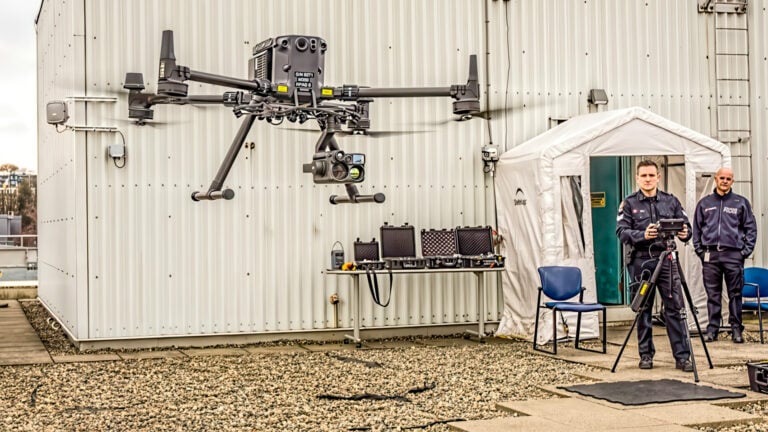
A drone did what boats, binoculars, and decades of marine biology couldn’t. They showed up quietly, hovered above the surface, and caught the whole thing on video.
The Shyest Animal You’ve Never Seen Mate
Here’s the challenge with studying harbour porpoise behaviour. They max out at about 5 to 6.5 feet long and between 90 and 165 pounds. They’re fast, they’re shy, and when they do surface, it’s for just a few seconds before disappearing again.
Sophie Smith, the PhD researcher who led the study at UHI Shetland and became a licensed drone pilot in the process, put it perfectly: “Blink and you’d miss it.”
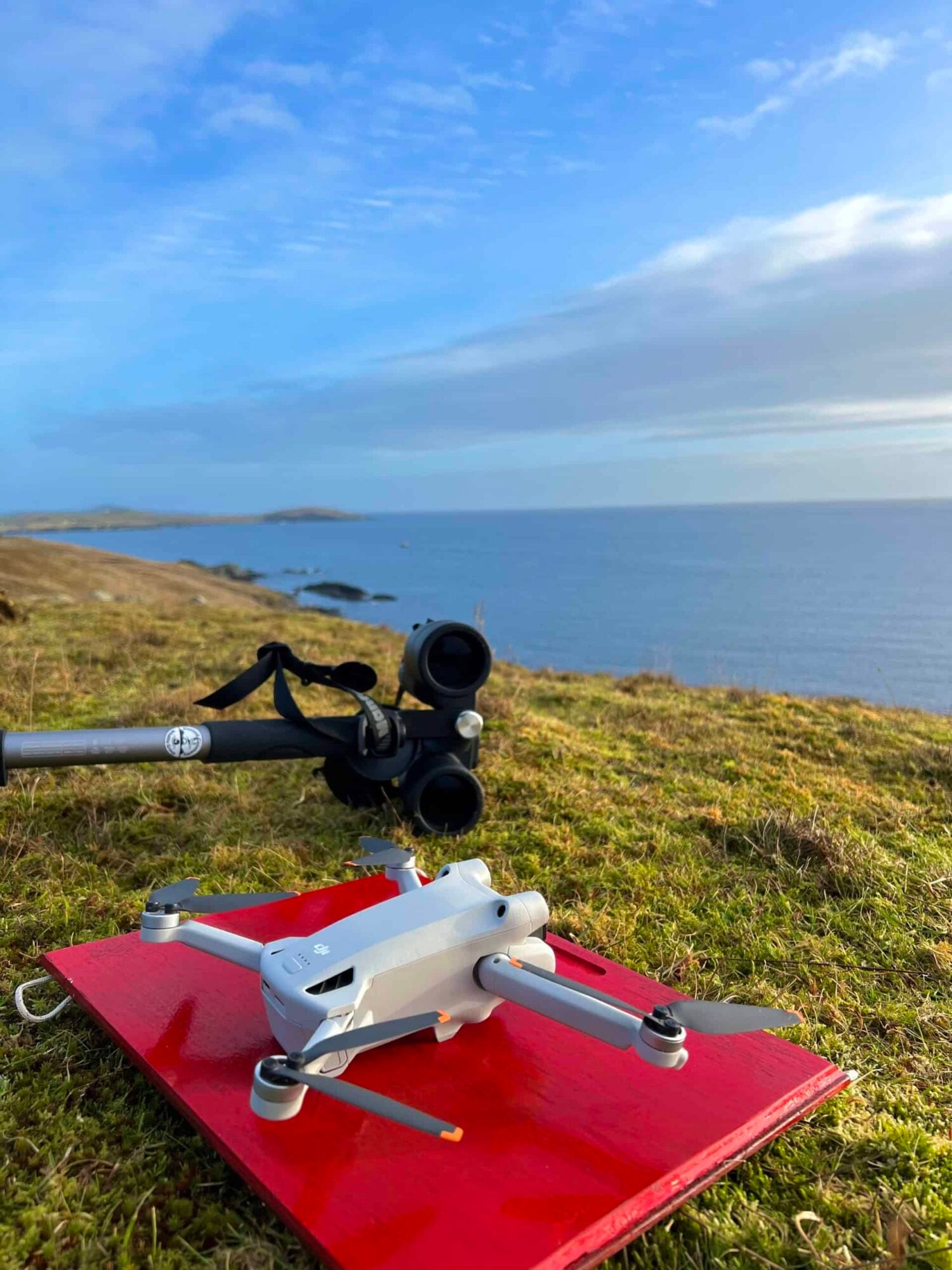
Photo credit: McCaffery, Shucksmith and Smith
Traditional vessel-based surveys spooked them before anything interesting happened. These are animals that actively avoid boats. You’re not sneaking up on a harbour porpoise from a research vessel. The moment it hears an engine, it’s gone.
A drone hovering silently above the water? Different story entirely.
The research team collected over 79 minutes of usable footage from four coastal bays around Shetland between 2019 and 2023. Gulberwick Bay, South Nesting Bay, Mousa Sound, and Quendale Bay. And what they found in that footage rewrote what we thought we knew about how these animals socialize.
26 Porpoises Walk Into a Bay
The textbook on harbour porpoises says they travel in small groups of two or three. The textbook is apparently wrong, at least in Shetland.
The research team recorded gatherings of up to 26 animals in a single bay. That’s not a small group. That’s a reunion. It turns out Shetland’s coastal waters are acting as something like a gathering point for mating activity, and nobody had documented it at this scale because nobody had eyes above the water at the right moment.
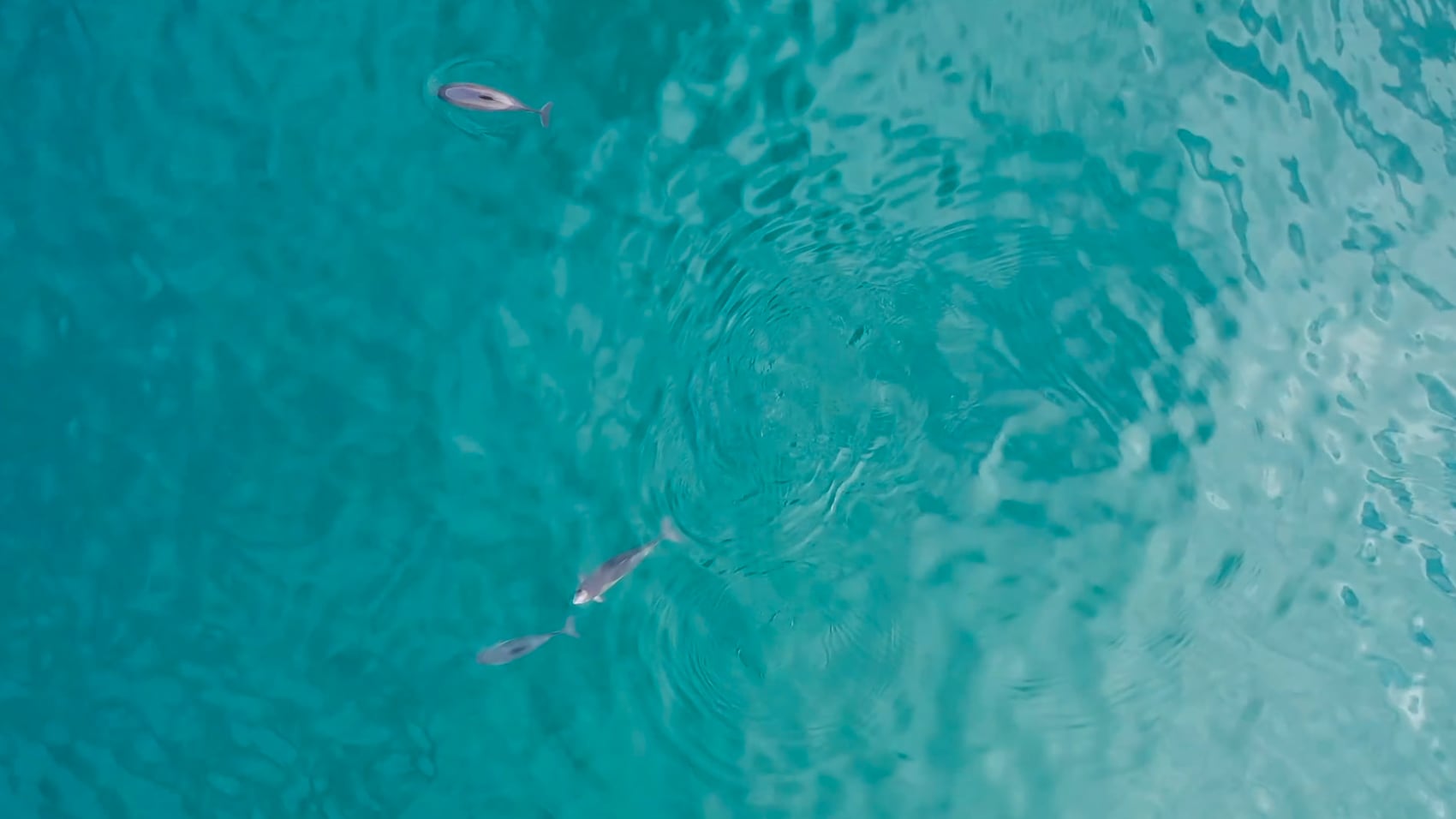
Shetland was formally designated an Important Marine Mammal Area in 2024, and this research is part of why. The designation was based on local community knowledge from residents who had been watching these animals for years. Science caught up. The drones helped close the gap.
Dr. Lauren McWhinnie from Heriot-Watt University, who co-supervised the research, noted that the footage helps build a clearer understanding of when and how porpoises use specific coastal areas, and how exposed they are to human activity in those zones.
That matters because harbour porpoises in UK waters face real pressure from fishing net entanglement, underwater noise, and boat traffic. Knowing where they concentrate, and when, is the first step toward protecting them.
A Species Under More Pressure Than You Think
The harbour porpoise is the most common cetacean in British and Irish waters. Protected under the Wildlife and Countryside Act, listed under CITES Appendix II, classified as a Priority Species under the UK Biodiversity Framework. On paper, it looks fine. In the North Sea, populations are considered relatively stable.
But zoom out and the picture gets darker. The Baltic population is critically endangered. The species has virtually vanished from the Mediterranean. And in UK waters, bycatch in fishing nets is happening at levels that conservation agencies describe as unsustainable.
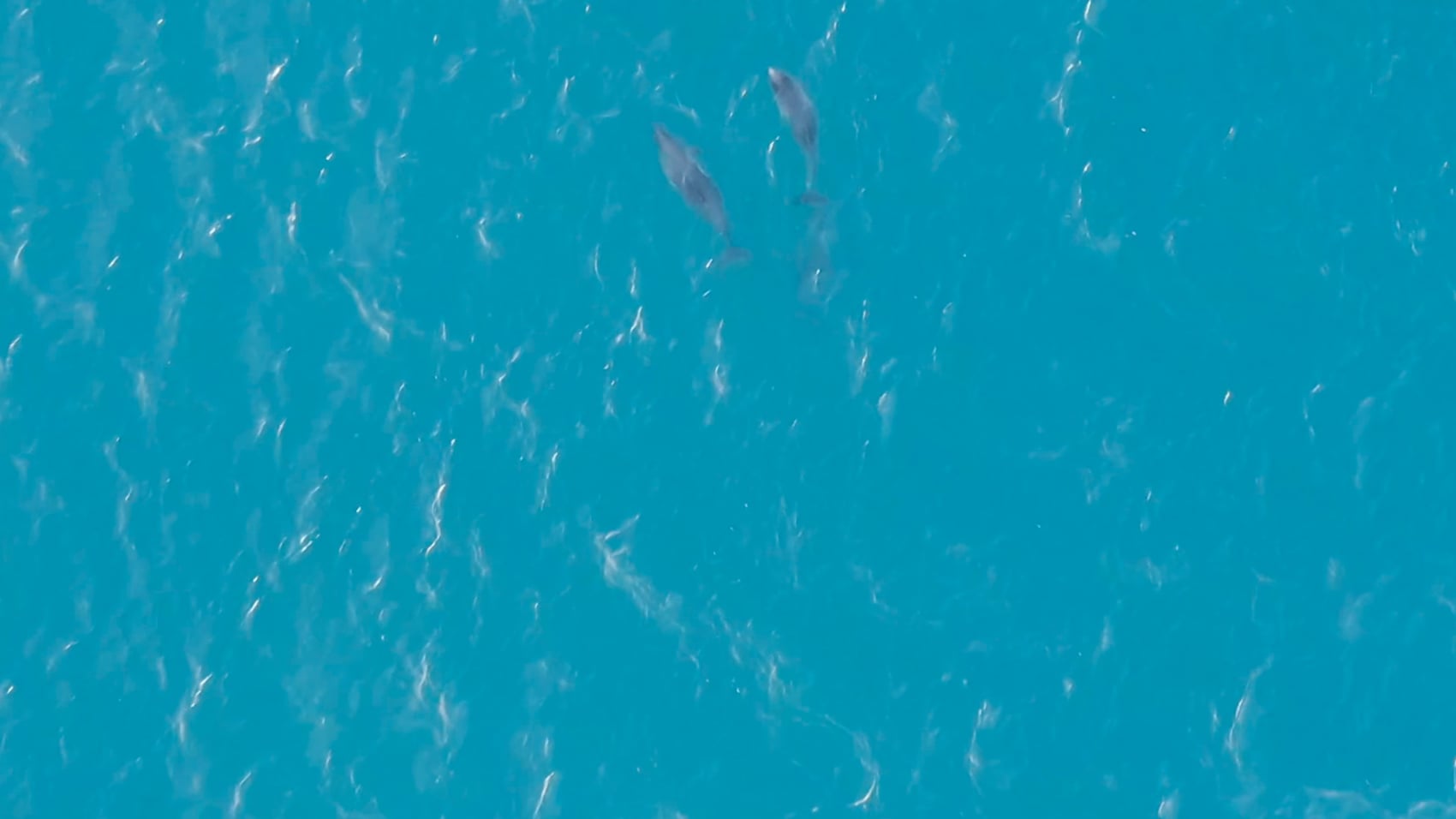
The Marine Management Organisation is currently running workshops with fishermen along the English coast trying to map where and when porpoises are getting caught in gill nets. It is an active, unresolved problem.
Harbour porpoises live short lives to begin with. Most don’t survive beyond 12 years. They only give birth every one to two years. They reach sexual maturity between three and five years old. The math on population recovery is tight. Every breeding ground matters. Every mating aggregation matters. Knowing exactly where those concentrations happen, and what conditions they need, is not academic. It’s the foundation of any serious conservation plan.
That’s what the Shetland footage provides. A real baseline. Documented behavior. Confirmed locations. Something to protect.
DroneXL’s Take
Let’s be straight: this is exactly the kind of story that makes you proud to be in the drone community.
No weapons systems. No regulatory drama. Just a PhD student who got her Part 107 equivalent, pointed a drone at the North Sea, and caught a species in an intimate moment that marine biologists had been trying to document for decades.
There’s something poetic about it. The harbour porpoise is basically the introvert of the cetacean world. Doesn’t leap. Doesn’t wave. Surfaces for two seconds, makes a sound like a tiny sneeze, and disappears. Its nickname is literally the “puffing pig.” And yet in those four bays off Shetland, 26 of them showed up at the same time like they had somewhere to be.
They did. Drones were watching. Science wins.
Discover more from DroneXL.co
Subscribe to get the latest posts sent to your email.
Check out our Classic Line of T-Shirts, Polos, Hoodies and more in our new store today!

MAKE YOUR VOICE HEARD
Proposed legislation threatens your ability to use drones for fun, work, and safety. The Drone Advocacy Alliance is fighting to ensure your voice is heard in these critical policy discussions.Join us and tell your elected officials to protect your right to fly.

Get your Part 107 Certificate
Pass the Part 107 test and take to the skies with the Pilot Institute. We have helped thousands of people become airplane and commercial drone pilots. Our courses are designed by industry experts to help you pass FAA tests and achieve your dreams.

Copyright © DroneXL.co 2026. All rights reserved. The content, images, and intellectual property on this website are protected by copyright law. Reproduction or distribution of any material without prior written permission from DroneXL.co is strictly prohibited. For permissions and inquiries, please contact us first. DroneXL.co is a proud partner of the Drone Advocacy Alliance. Be sure to check out DroneXL's sister site, EVXL.co, for all the latest news on electric vehicles.
FTC: DroneXL.co is an Amazon Associate and uses affiliate links that can generate income from qualifying purchases. We do not sell, share, rent out, or spam your email.