
Industry · Remote ID
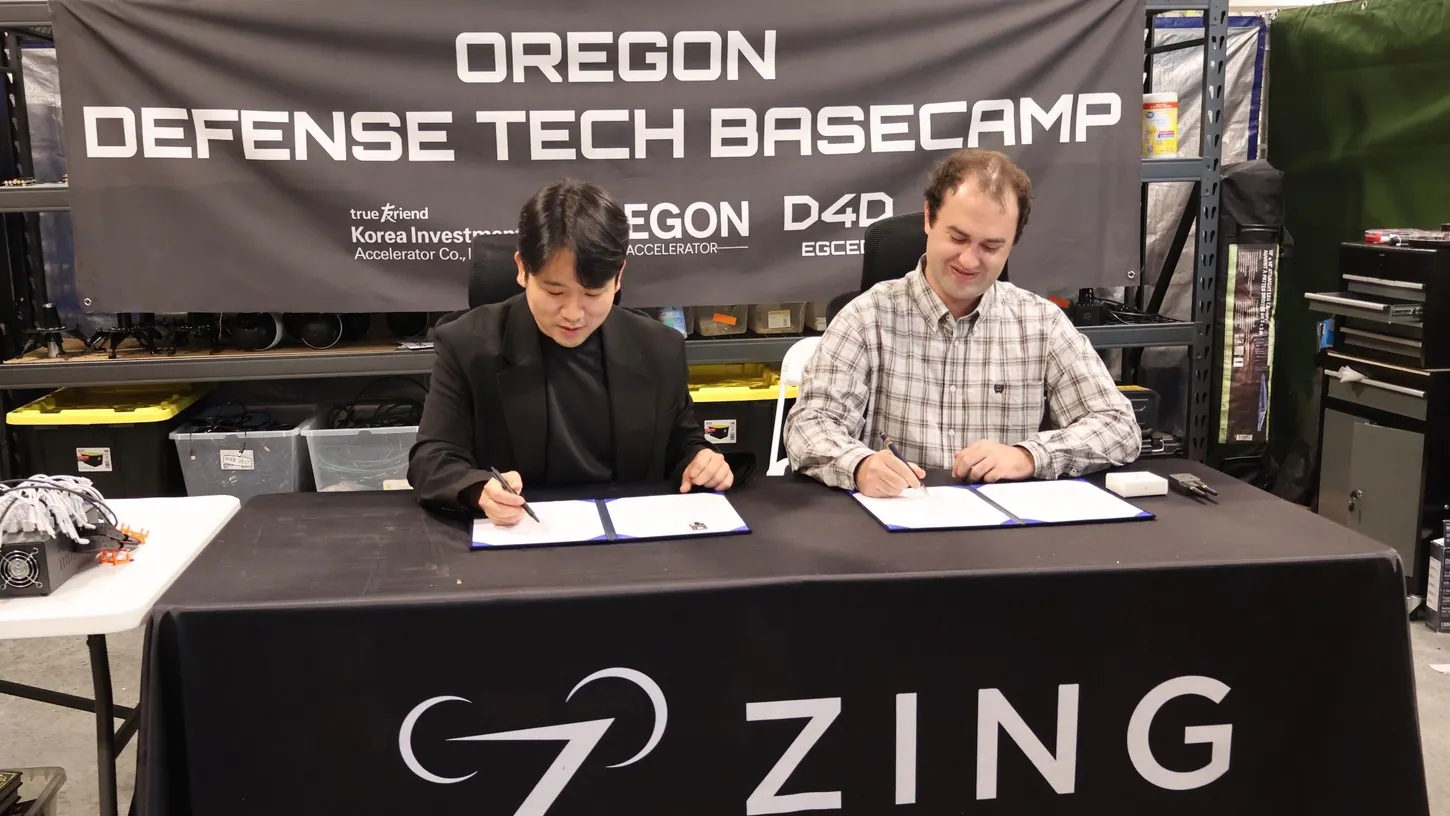
Zing Drone Solutions Tests Korean Radios as FCC Bars Foreign Parts
Zing is testing radio modules from Seoul's NUCODE for smaller Remote ID hardware, but the FCC Covered List makes no exception for an ally's parts.
Funding rounds, partnerships, layoffs, and the market math underneath the drone headlines.
Drone industry news covers the business side of the sector: funding, contracts, certification and the company decisions that decide where the market actually goes.
Defense contracts are moving real capital. The Navy put $50 million on Shield AI’s X-BAT while the Air Force watches — the kind of bet that concentrates capital in a handful of companies positioned for military and paramilitary demand. Certification is tightening at the same time: the FCC told all certification labs to tighten drone screening, a compliance shift that favors manufacturers with the resources to meet it.
The ban’s effect on small operators is not theoretical. DJI ban coverage on pilots asking whether their businesses survive reflects real operators facing supply and compliance decisions with no easy substitute at DJI’s price point — the human cost underneath the policy debate covered on the FCC desk.
Industry events reflect where growth is expected: ElevateUAV 2026 moved to Gulfstream Park for live demos, a venue upgrade that tracks the conference’s own growth. And DJI is investing in the next generation directly, offering college students cash and free gear even as the FCC blocks its new drones — a company betting on long-term brand loyalty while fighting a short-term market access fight.
Related desks: China for the trade policy driving much of this, and DJI for the company at the center of most of it. Every drone industry story lands in the feed below.
Last updated October 6, 2026 — the feed below updates with every new story.
Zing is testing radio modules from Seoul's NUCODE for smaller Remote ID hardware, but the FCC Covered List makes no exception for an ally's parts.

Merz arrived in Kyiv with €1.3 billion, part of it for mass-producing interceptors against Russia's jet Shaheds. Zelensky says the best one downs 30% of targets.

Hegseth ordered a four-star Autonomous Warfare Command for Oct. 1, 2027. The memo names no commander, no budget, and needs a law Congress hasn't passed.

Redfin tells home sellers how to prep for a drone shoot. Here is the checklist pilots should send clients, with photos by Billy Kyle and Ken Dono.
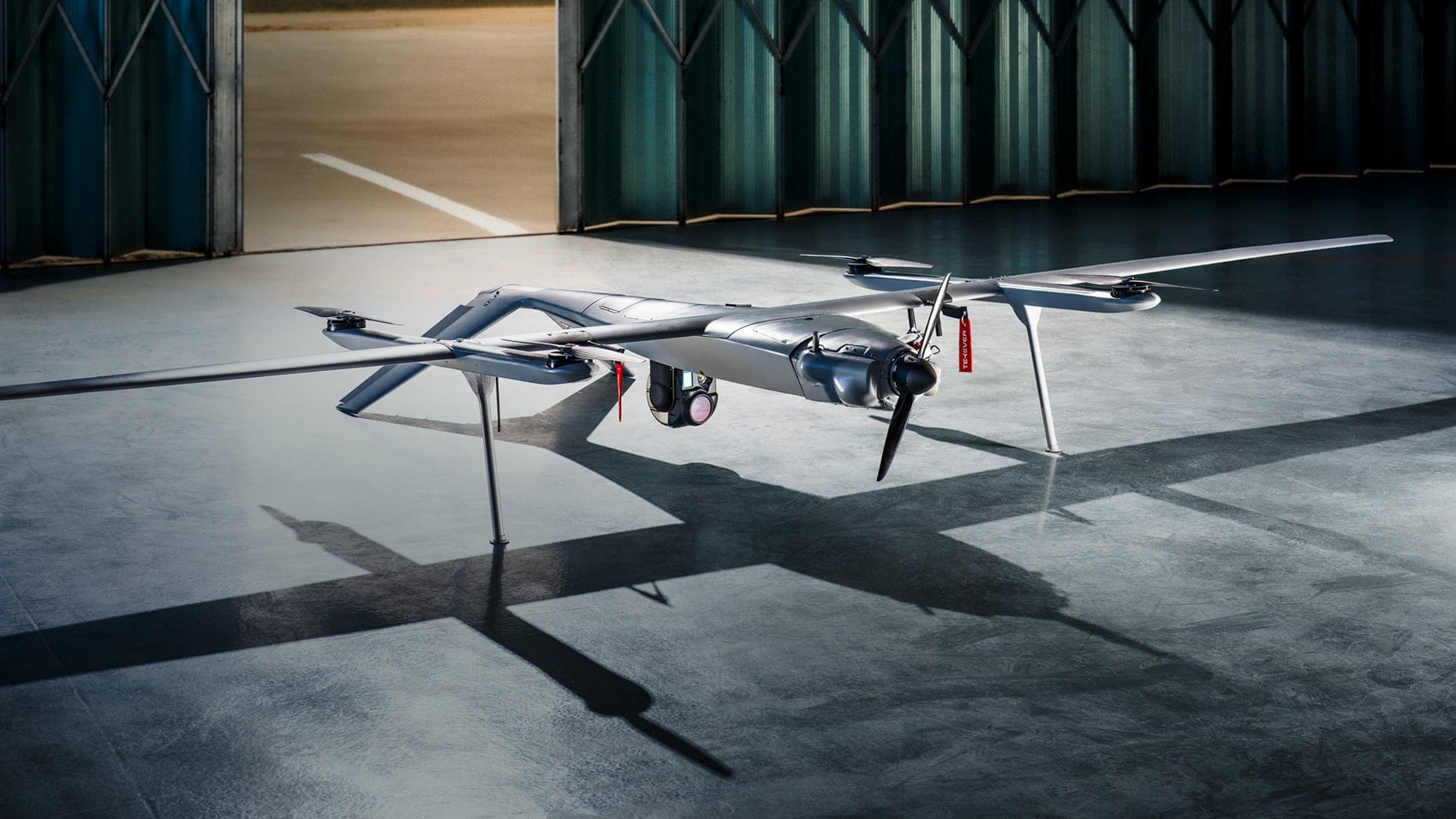
Tekever raised $580 million at a $6.4 billion valuation, led by UC Investments, a week after signing to replace the British Army's Watchkeeper drones.

The Army has drones for every squad but too few trained pilots. FAA data shows the hobbyist pipeline that produces them has been shrinking since 2023.

Flytrex will preposition delivery drones on restaurant rooftops using predictive AI, claiming a 60% cut in cost per delivery and half the wait time.

Wingcopter's all-electric 262 VTOL flies up to six hours and 93 miles at 22 pounds, and the German delivery company is lining it up for Ukraine.
Directly and immediately for small operators who built businesses on DJI hardware. Coverage of pilots asking whether their businesses survive is not hyperbole, it reflects real operators facing real supply and compliance decisions with no easy substitute at DJI's price point.
Defense and certification. The Navy's $50 million bet on Shield AI's X-BAT, watched closely by the Air Force, is one of several large contracts reshaping which companies have the capital to scale, while the FCC has separately tightened guidance to certification labs on drone screening.
In several directions at once: certification tightening favors larger, better-resourced manufacturers, defense contracts concentrate capital in a handful of companies, and event and conference moves like ElevateUAV relocating to a bigger venue reflect where the industry expects growth to actually happen.
One email with the drone news that matters — DJI, FAA, public safety, and everything in between, straight from the newsroom. No spam, no fluff.