ABZ Opens Hungary Drone Plant, Its FCC Pass Hinges on a US Factory
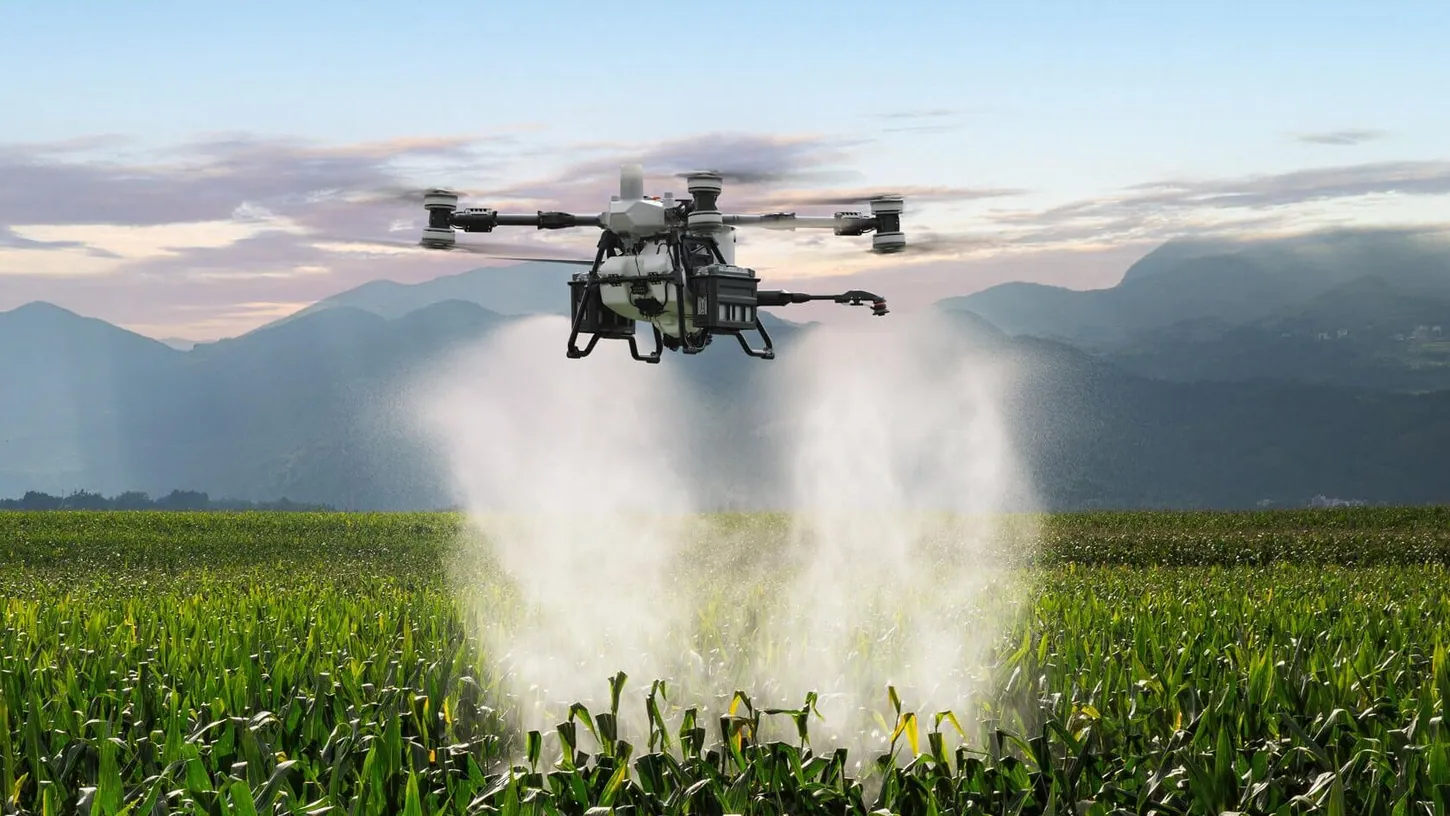
ABZ Innovation opened a €7M drone factory in Hungary and says US production starts next year. Its FCC exemption for the L50 sprayer rides on that plan.
News, deep dives, and analysis — every Drones for Agriculture story, newest first.
Agricultural drones are one of the largest working fleets in American aviation, and one of the least covered honestly. This desk tracks the hardware, the regulation squeezing it, and the operators actually flying it — not the trade-show version of the story.
The hardware is mostly DJI’s Agras line. The T55 and dual-battery T100 launched globally and both quietly cleared the FCC hurdle that has blocked other DJI products from the US market — a clearance that matters because the FCC has separately proposed sales bans reaching foreign thermal, LiDAR and docking drones, the exact sensor classes agricultural operations depend on. What operators actually fly is a different question from what launches: we asked three Illinois spray drone operators directly rather than trusting a spec sheet.
The daily reality is less glamorous than the marketing. One worn battery terminal can bring down a spray drone — the kind of maintenance detail that decides whether a season goes well, and the kind most agricultural-drone coverage skips. And the wider narrative keeps needing correction: the New York Times spent ten minutes on AI farming and forgot the drones actually spraying the fields — a reminder that the working technology in agriculture is often less exciting to write about than the AI framing, and more important.
Related coverage: the FCC desk for the import fight, and the DJI hub for the platform. Every agricultural drone story lands in the feed below.
Last updated September 21, 2026 — the feed below updates with every new story.

ABZ Innovation opened a €7M drone factory in Hungary and says US production starts next year. Its FCC exemption for the L50 sprayer rides on that plan.
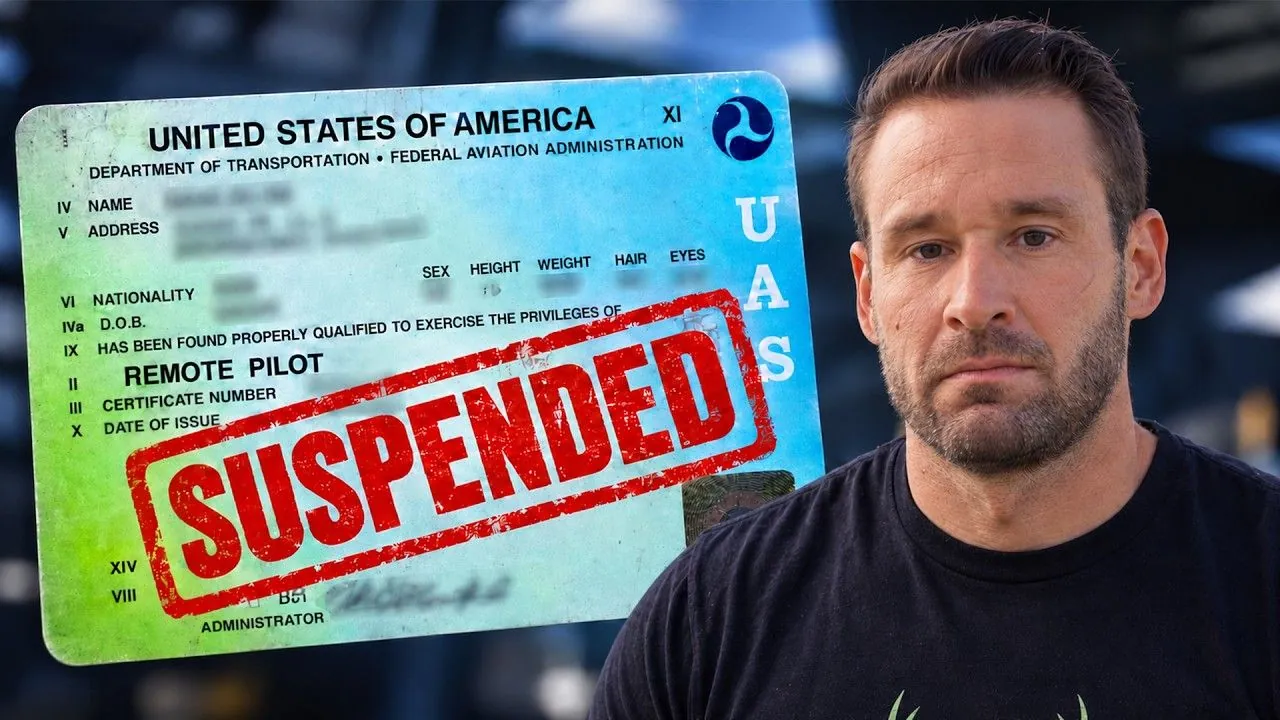
Agri Spray Drones' new maintenance video shows how a worn battery terminal arcs, spreads damage to every charger and drone it touches, and can fuse mid-flight, and the five-minute daily inspection that prevents the crash.

The FCC extended Covered List exemptions for trusted drones through January 1, 2028, but in the same move proposed cutting off imports and sales of foreign-made thermal, LiDAR, docking, spraying, swarming, defense-integrated, and 55-pound-plus drones. That combination gives approved U.S.-aligned manufacturers more runway while putting public safety, agriculture, and survey fleets on notice.

DJI Agriculture launched two new spray platforms worldwide on July 1, 2026: the Agras T55, a lighter 50-liter drone built around an upgraded safety stack, and the Agras T100 Dual Battery Spraying System, an endurance-focused revision of the flagship the company shipped last November. Both arrive with the same qualifier DJI has attached to every…

Senator Todd Young (R-Ind.) spent part of June 8 at the Southeast Purdue Ag Center in Butlerville, watching agricultural spray drones lift off at the Indiana Spray Drone Association Education Day. The visit gave a sitting U.S. senator a close look at the same machines that Hoosier farmers now use to seed and spray thousands…

Ag spray drones have moved from novelty to revenue stream in the U.S. Corn Belt, and the operators flying them have strong opinions about which platforms hold up over a full season. Prairie Farmer recently spoke with three Illinois custom operators about the aircraft and trailers they actually run. Their answers line up around two…

The New York Times Magazine published a feature on June 5 about the technology rewiring American agriculture, and the one machine actually flying over these fields barely made the cut. Robotic milkers, laser weeders, and driverless tractors each got a farmer, a photo essay, and a few hundred words. Spray drones got a single clause:…

Kalashnikov rolled out a new drone this week and wrapped a familiar Russian word around it: record. The SKAT-220 is a lighter, faster spin on the company’s SKAT-350M, and Kalashnikov says it tops out around 99 mph (160 km/h), which it calls unmatched in its class. The pitch is all agriculture and power lines. The…
Mostly DJI's Agras line, because it is the most available and most supported — but availability shifts with every FCC ruling. We asked three Illinois spray drone operators what is really in their fleets rather than trusting the marketing, and the honest answer is a mix shaped as much by import rules as by capability.
Directly. The FCC has proposed sales bans reaching foreign thermal, LiDAR and docking hardware — exactly the sensor classes spray and mapping drones depend on. The Agras T55 and T100 cleared that specific hurdle on their global launch, but the pattern is not settled, and an operator building a fleet today is building against a moving regulatory target.
In parts of row-crop and orchard work, yes — cost and precision favor the drone for smaller and irregularly shaped fields. What has not scaled as fast is the maintenance reality: even a well-run operation can be grounded by something as ordinary as a worn battery terminal, which is closer to the daily experience than the industry's own promotional material admits.
One email with the drone news that matters — DJI, FAA, public safety, and everything in between, straight from the newsroom. No spam, no fluff.