Frequently asked questions
What is a Drone as First Responder program?
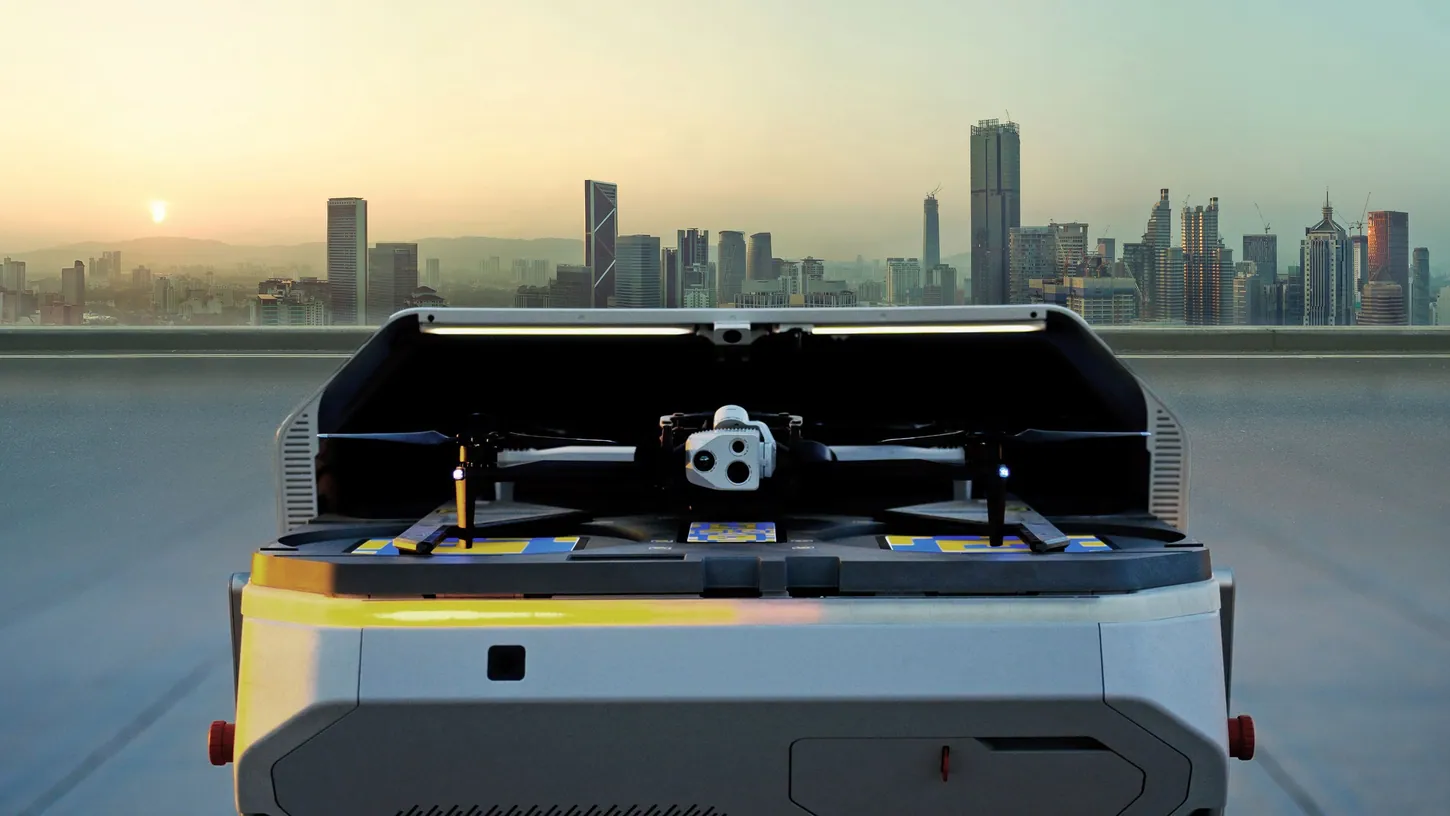
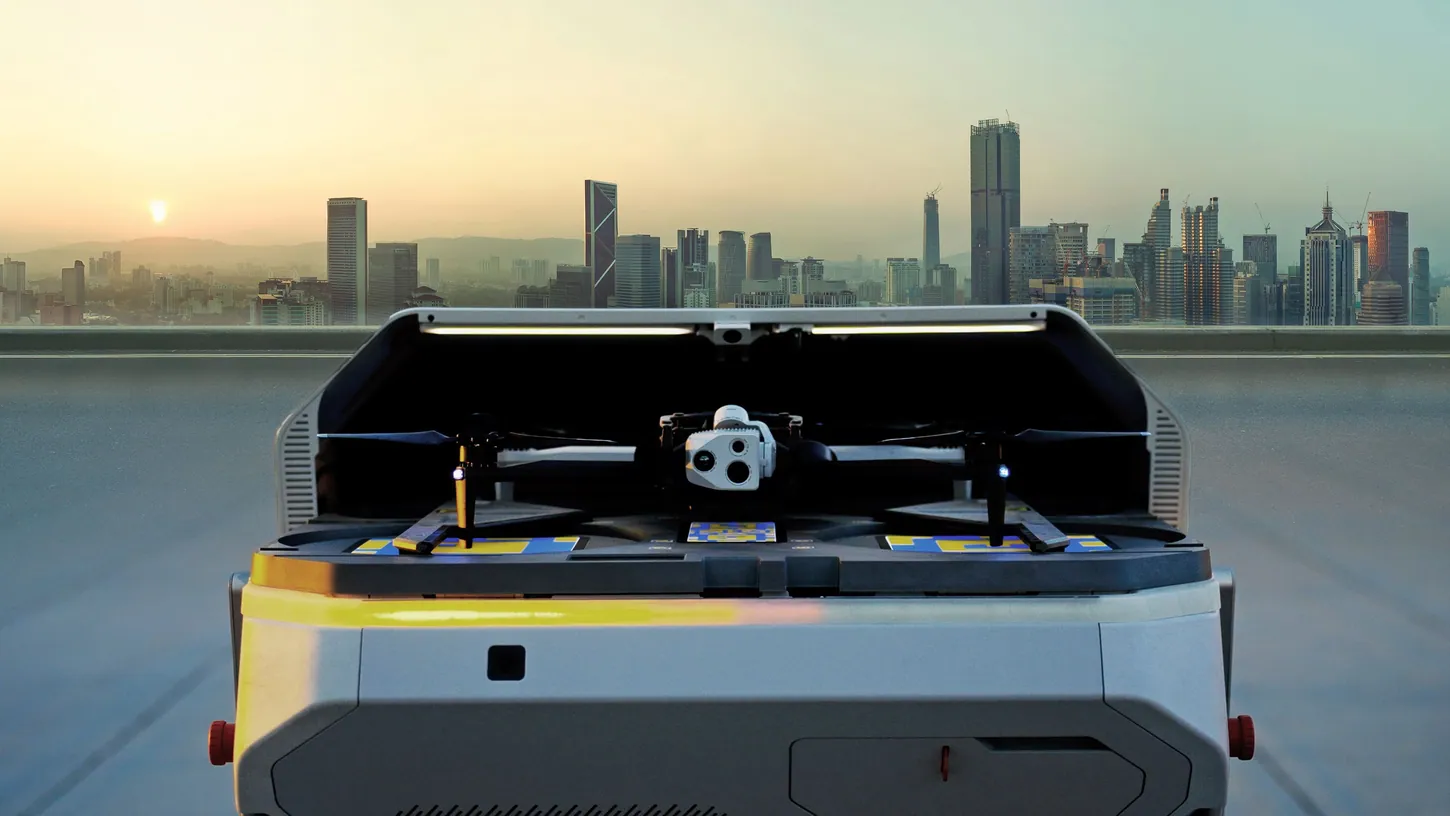
A DFR program launches a drone to a 911 call the moment it is dispatched, so live video reaches commanders while patrol units are still driving. The aircraft usually sits in a dock on a rooftop and flies beyond the operator's visual line of sight under an FAA waiver. It is the difference between a drone a department owns and a drone that is part of the dispatch process.
How fast does a DFR drone actually get to a scene?
Under two minutes in most working programs, and often far less. Colorado Springs put a drone over a knife fight in 27 seconds. Newport News, Virginia designed its program around a sub-90-second arrival from four launch sites. Chula Vista's eight-year average, across the 17,170 calls where the drone beat patrol, is 96.98 seconds.
Does a police department need FAA approval to run DFR?
Yes. The enabling document is the 91.113 Public Aircraft/Public Safety Certificate of Waiver or Authorization, an expedited approval the FAA introduced in April 2025 that agencies request by email against pre-built checklists. Most take the shielded tier at or below 200 feet; a minority field detect-and-avoid systems and fly to 400 feet. Standard Remote ID is required for BVLOS unless the FAA says otherwise in writing. Volunteer fire departments and nonprofit search and rescue teams usually fail the public aircraft test and need a Part 107 waiver instead.
Which companies build DFR systems?
Skydio is the market leader, and its DFR platform has processed more than 10 million calls for service. BRINC, backed by a $125 million Motorola Solutions round, is wiring drones directly into Motorola's dispatch stack. Flock Safety arrived from license plate readers and is pushing hard on sensors. Axon sells DFR alongside body cameras. DJI hardware still wins procurement on price and capability at agencies willing to take the regulatory risk.
Does a DFR drone replace police officers?
No, but it changes which calls need a car. On 4,629 of Chula Vista's calls, patrol officers did not have to respond at all because the drone resolved the situation or confirmed there was nothing to respond to. That is the strongest operational argument for DFR, and it is a staffing argument as much as a safety one.
Is DFR drone footage public?
Increasingly yes, and Chula Vista set the precedent the hard way. A California court ordered the department to release drone videos in 2025, and in October 2025 the city was ordered to pay $500,000 in legal fees after losing the landmark transparency case. Departments launching programs now should assume the footage is a public record and budget for the retention and redaction that implies.
What does a DFR program cost a city?
The council votes we cover land in the tens of thousands for a first deployment. Boynton Beach, Florida approved roughly $90,000 for an Axon program over budget objections, and Basalt, Colorado's police pitched $50,000 drone stations. Larger programs scale with the number of docks and launch sites: Orlando launched with 11 Skydio aircraft, and Newport News with eight drones across four sites.