
Remote ID · Remote ID
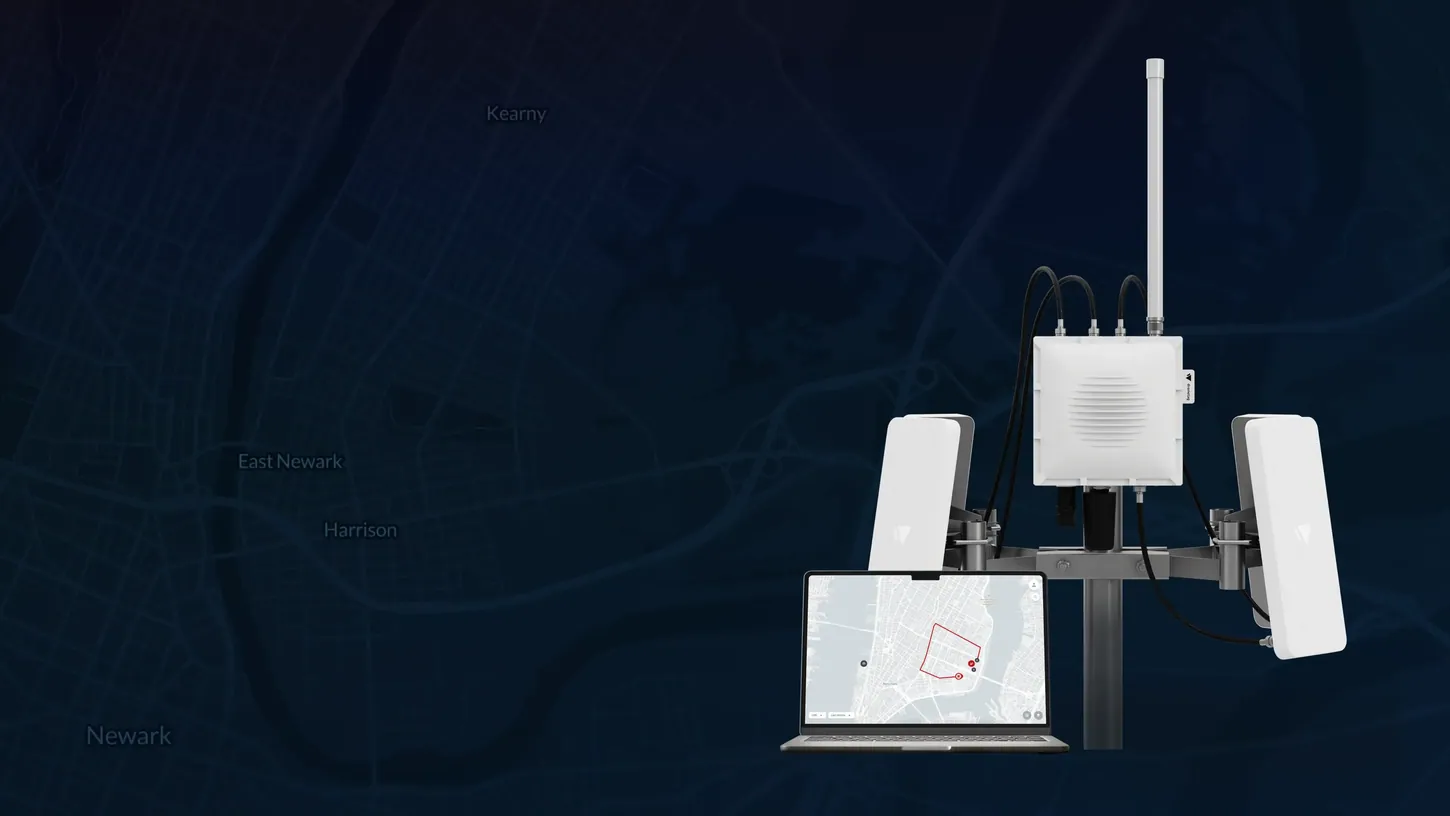
Dronetag Scout Gen 2 Remote ID Receiver Tracks Skydio Out to 5 Miles
Dronetag has launched Scout Gen 2, a fixed Remote ID receiver that picks up 2.4 and 5 GHz on every antenna and tracks Skydio drones beyond 5 miles.
News, deep dives, and analysis — every Remote ID story, newest first.
Remote ID is the broadcast license plate of American drone flight: most registered drones must transmit who and where they are, all flight long. It was sold as accountability infrastructure, and it is becoming exactly that — in every direction.
What the rule requires is covered in our FAA hub; the practical wrinkles are what this desk tracks. Sub-250g recreational flying escapes the mandate — one more reason the under-250g class dominates — while commercial operators comply regardless, and standard Remote ID is a condition of most BVLOS authorizations.
Use has followed design: agencies identify rogue pilots by the broadcast, and DETER turns those identifications into enforcement faster than before. The less comfortable side of the accountability is the data trail — AUVSI has been selling FAA drone-registration data the agency itself stopped publishing, which is the kind of story a broadcast-ID regime was always going to produce.
The navigation infrastructure underneath is not immune to the same scrutiny: White Sands was jamming GPS when a medevac crew flew into a mountain — the biggest recent story on this desk, and a reminder that identity and position both depend on signals someone can deny. Every Remote ID story lands in the feed below.
Last updated November 13, 2026 — the feed below updates with every new story.
Dronetag has launched Scout Gen 2, a fixed Remote ID receiver that picks up 2.4 and 5 GHz on every antenna and tracks Skydio drones beyond 5 miles.
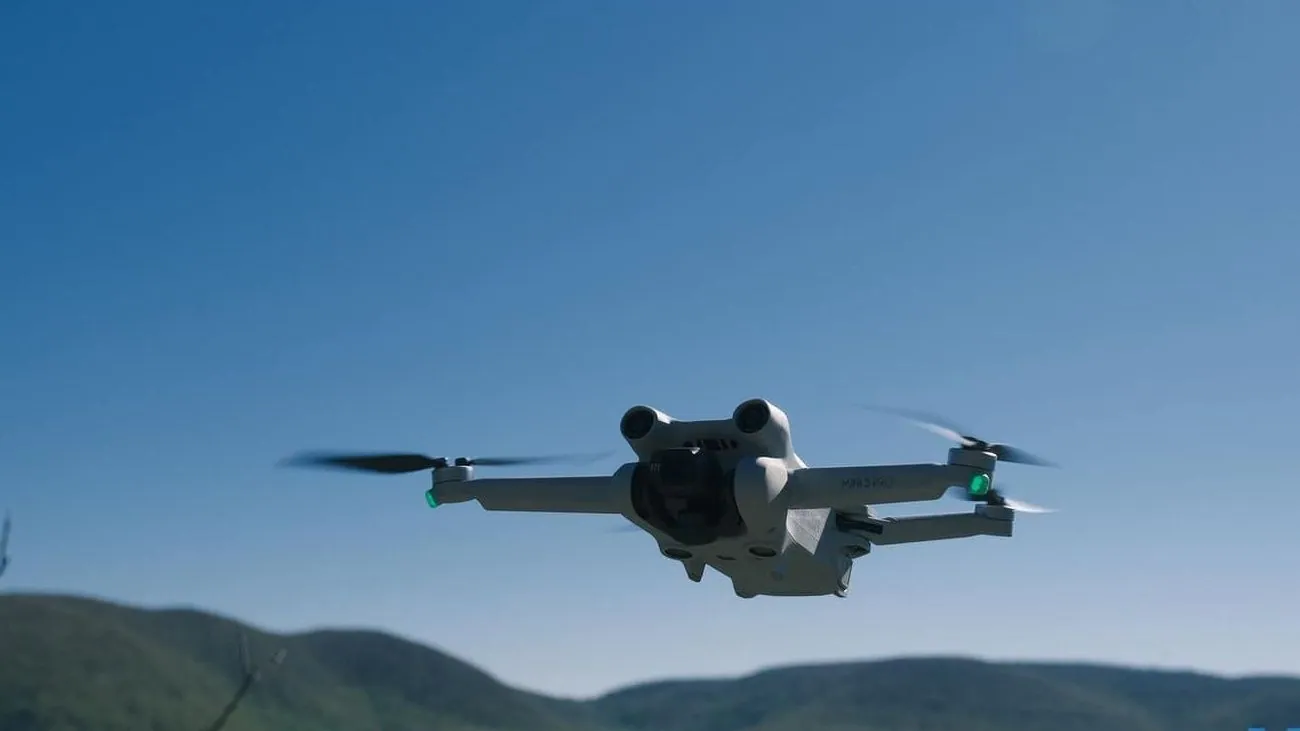
Houston votes Wednesday on a FEMA counter-drone grant bid. Its filing names detection and mitigation gear, and Texas's share fell to $10.5M.
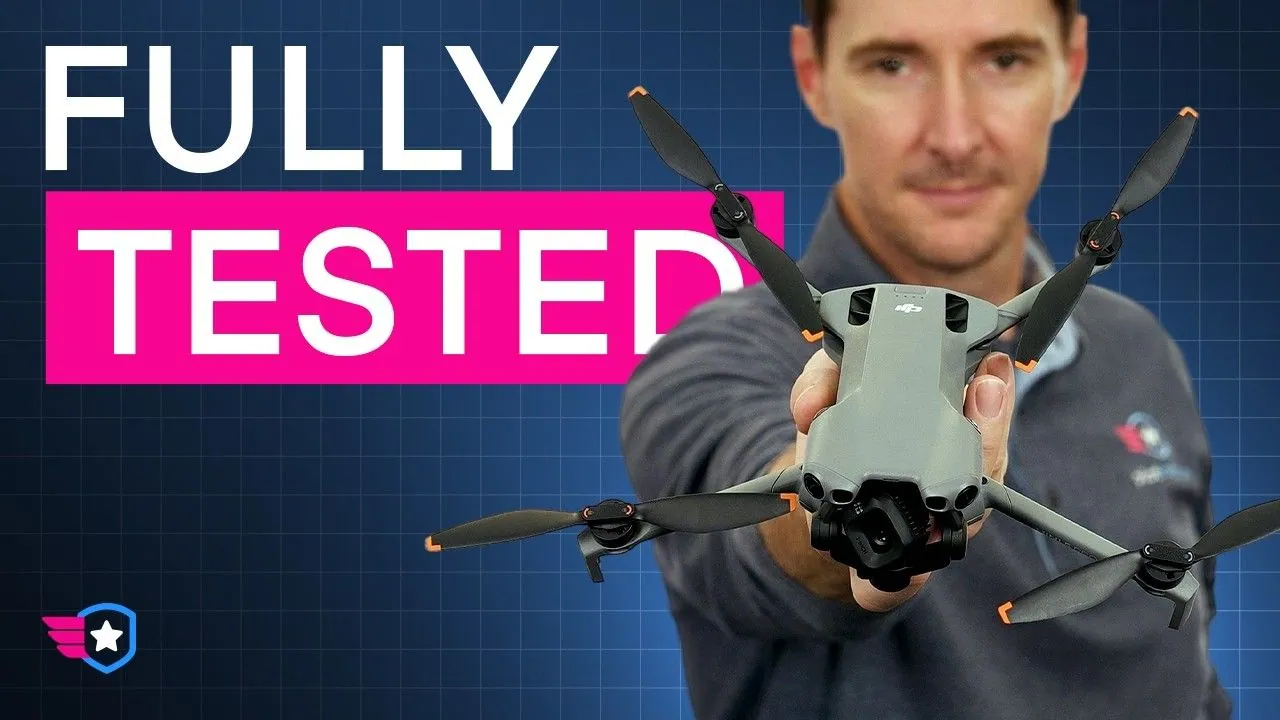
Greg Reverdiau's long-term DJI Mini 5 Pro review: the 1-inch camera, 4K/120, true vertical video, wind limits and why some owners must register.

The White House Olympics task force hosts a counter-drone forum Nov. 9, a week before states apply for FEMA's next $250M. California gets $18.7M.
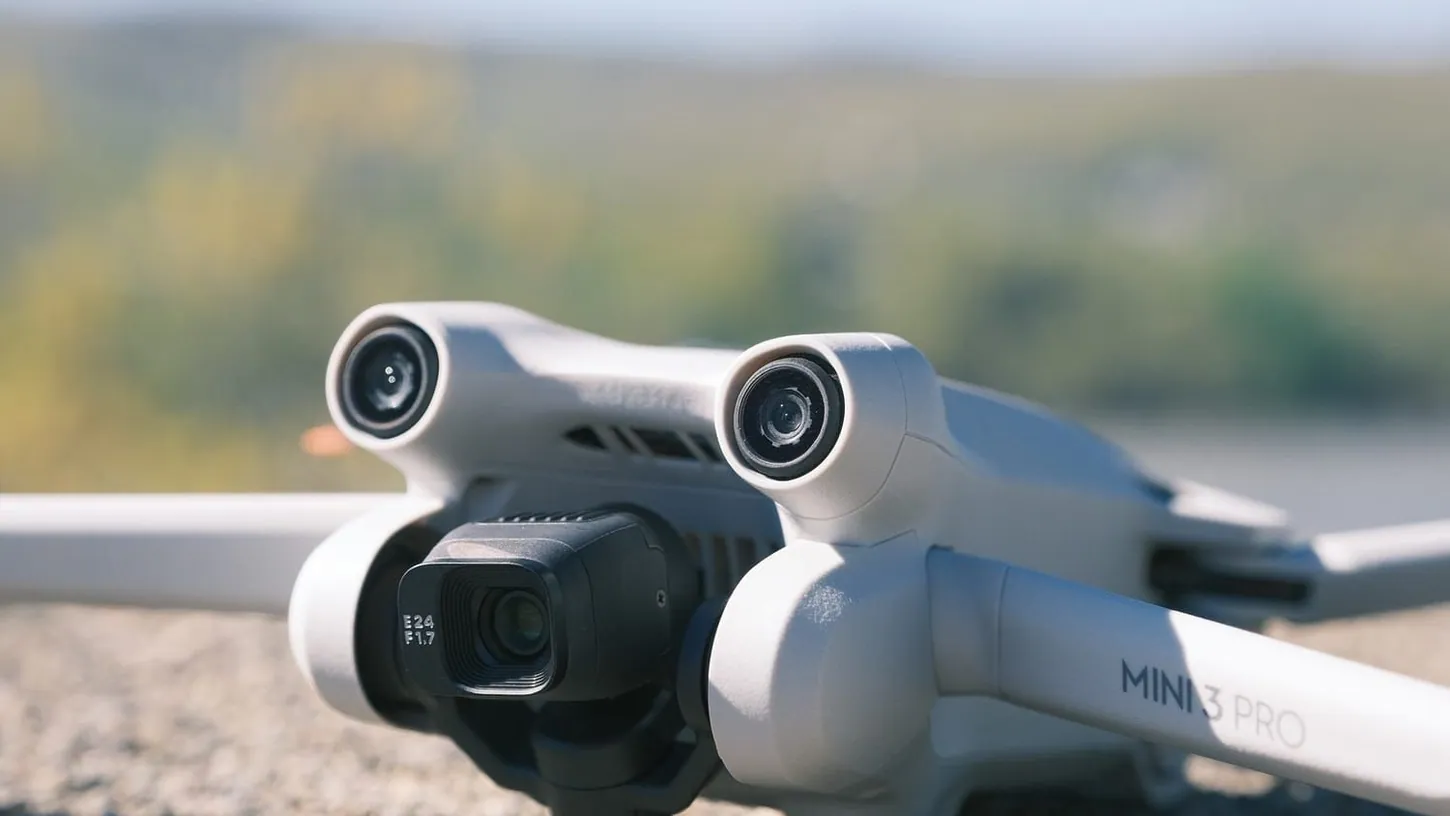
DJI Mini 3 Pro firmware v01.00.1000 is its first since July 2024 and only fixes 'known issues.' Its last new feature shipped in April 2023.

Part 2 with Amy Wiegand: how drone service providers handle regulation they can't control, build a 30, 60, 90-day plan, and what will separate survivors.
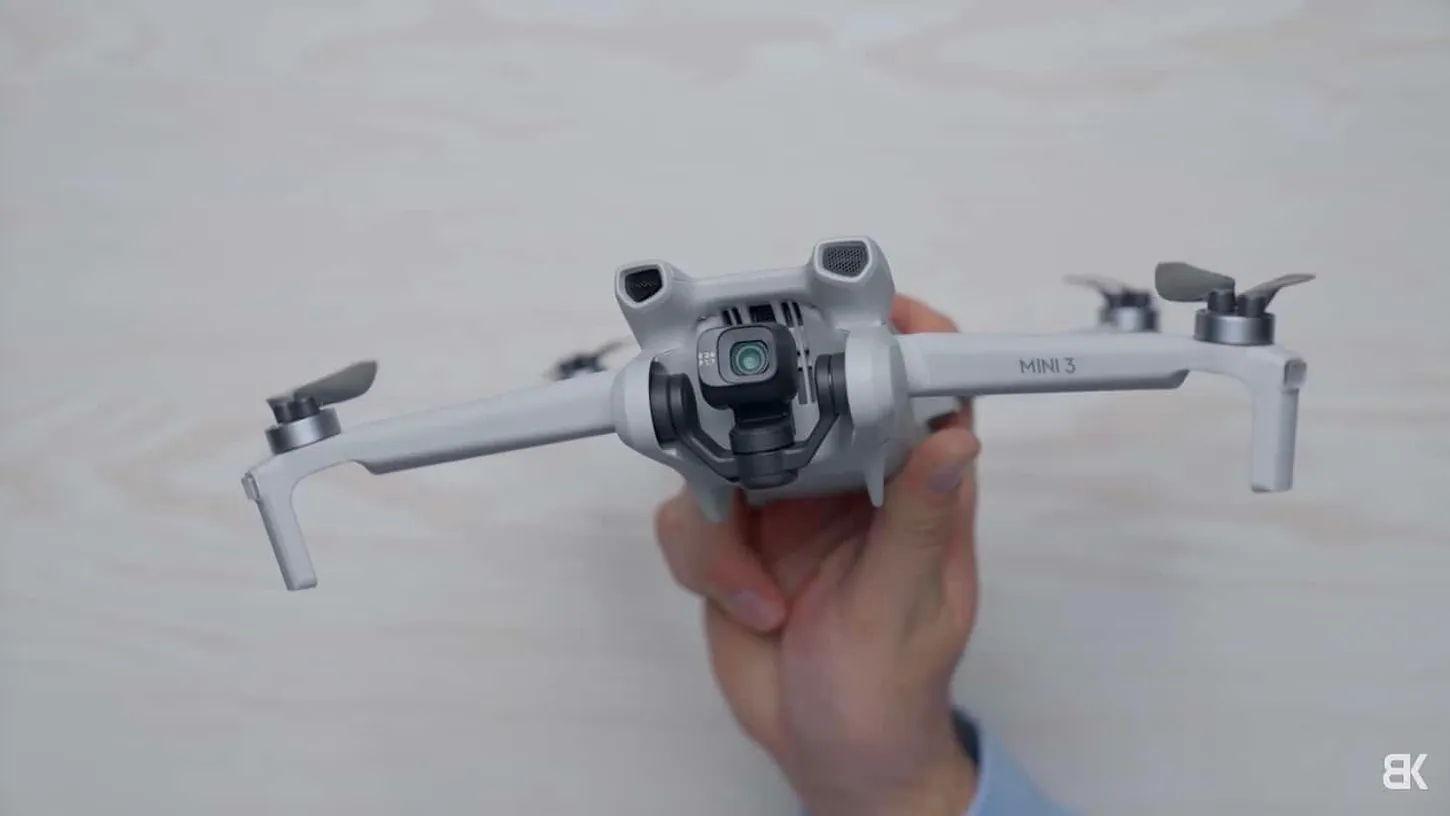
Amazon has the DJI Mini 3 at $269 for Prime members through October 7, $150 off list and level with its June low. The Fly More Combo is $600.
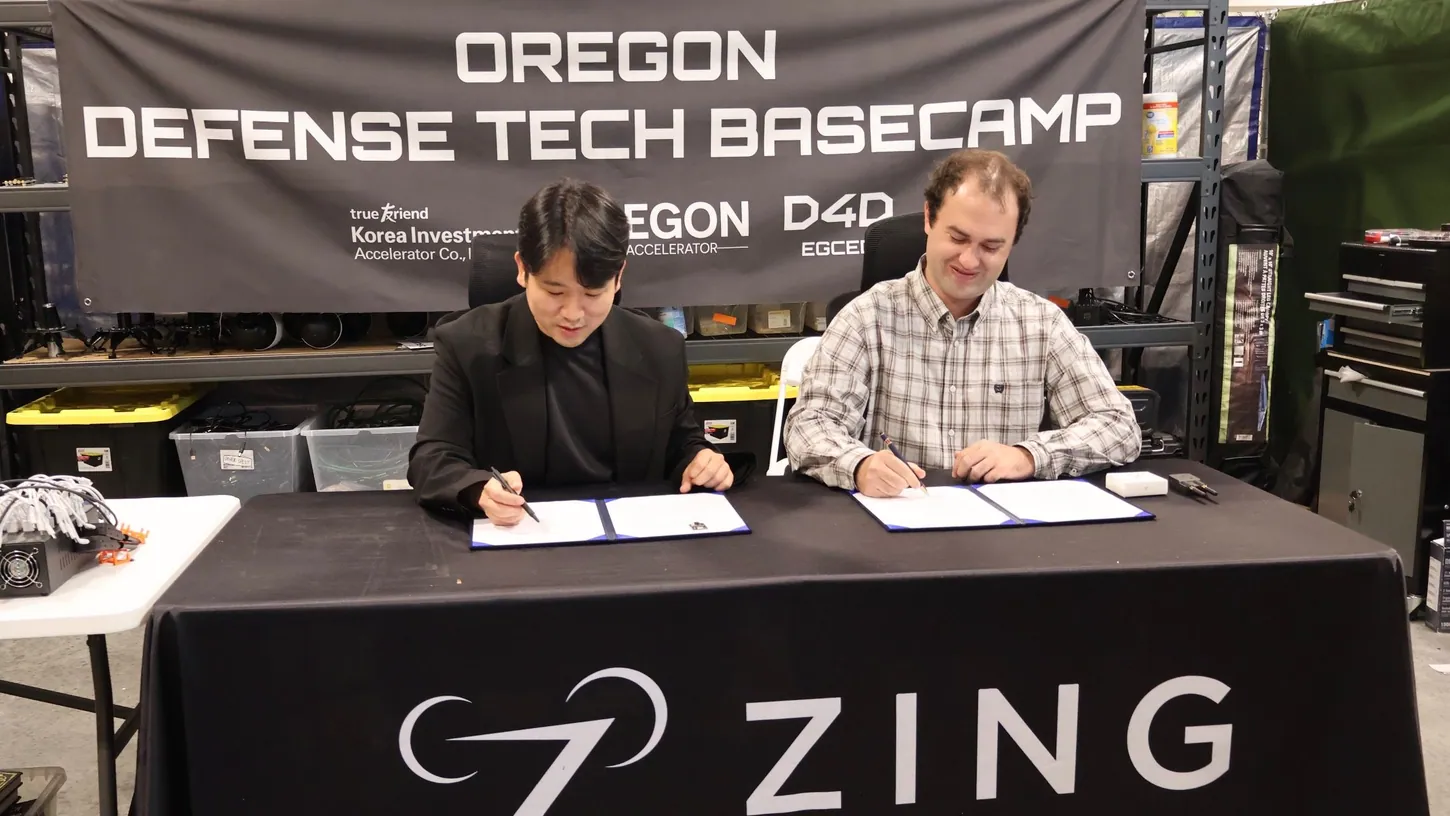
Zing is testing radio modules from Seoul's NUCODE for smaller Remote ID hardware, but the FCC Covered List makes no exception for an ally's parts.
If it requires registration, almost certainly yes — recreational sub-250g flying is the main exception. Fly commercially and the answer is yes regardless of weight in most cases, with heavier batteries bringing DJI's Minis into compliance.
Anyone nearby with a receiver — that is the design. Fire agencies have identified rogue pilots by it during emergencies. The less comfortable half of the story is the paper trail: AUVSI has sold FAA registration data the agency itself stopped publishing.
Standard Remote ID is a condition of most BVLOS authorizations unless the FAA says otherwise in writing — which makes it infrastructure for the industry's future, not just an enforcement tool.
One email with the drone news that matters — DJI, FAA, public safety, and everything in between, straight from the newsroom. No spam, no fluff.