A Ukrainian Drone Came Home with a Russian Trident Stuck in It
Check out the Best Deals on Amazon for DJI Drones today!
A bomber drone flew a strike mission over Kharkiv, Ukrain survived, and returned to base impaled by two feet of nails and steel rods shaped into a trident. Nobody had seen this before.
The Drone That Came Home Wrong
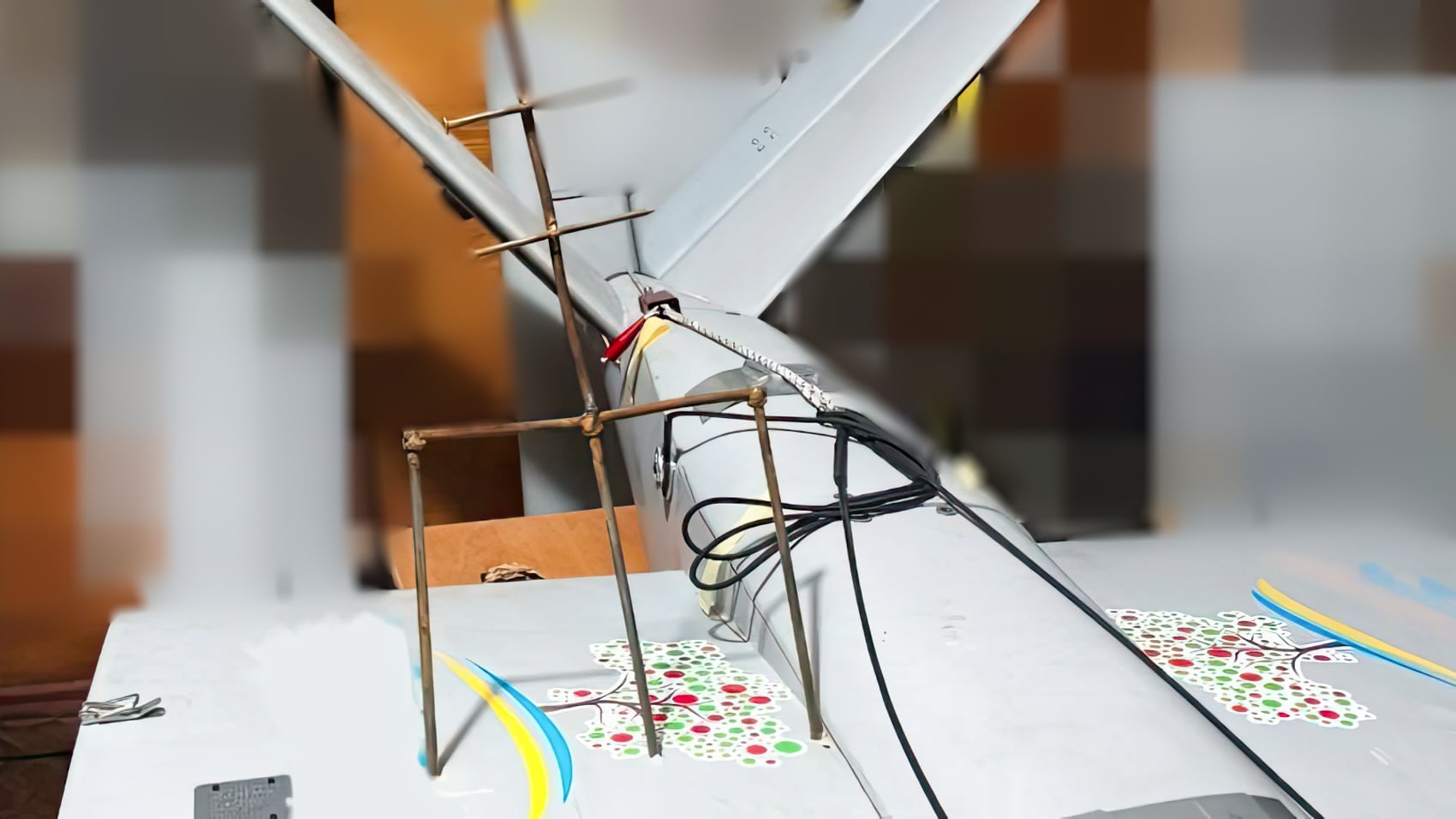
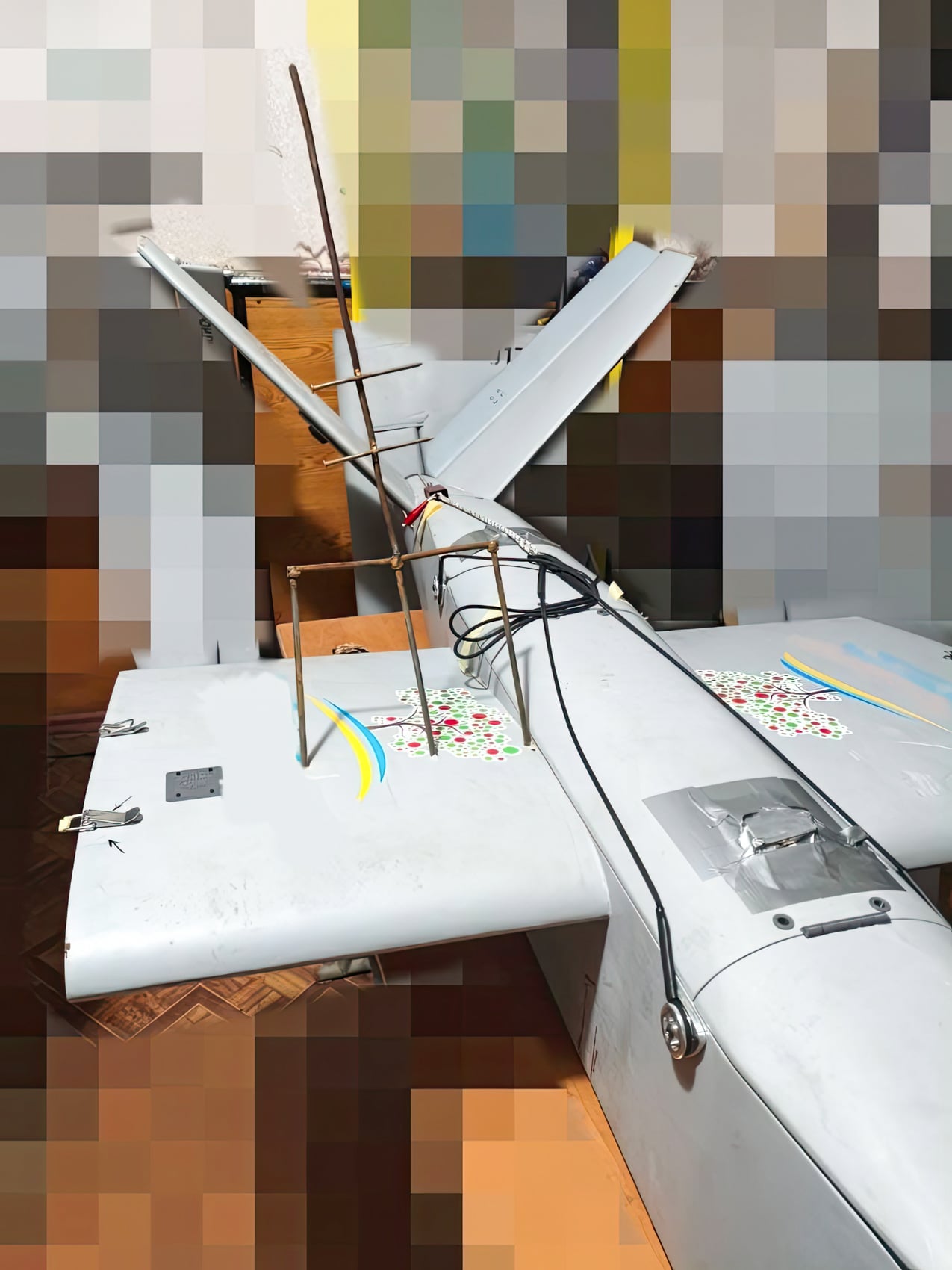
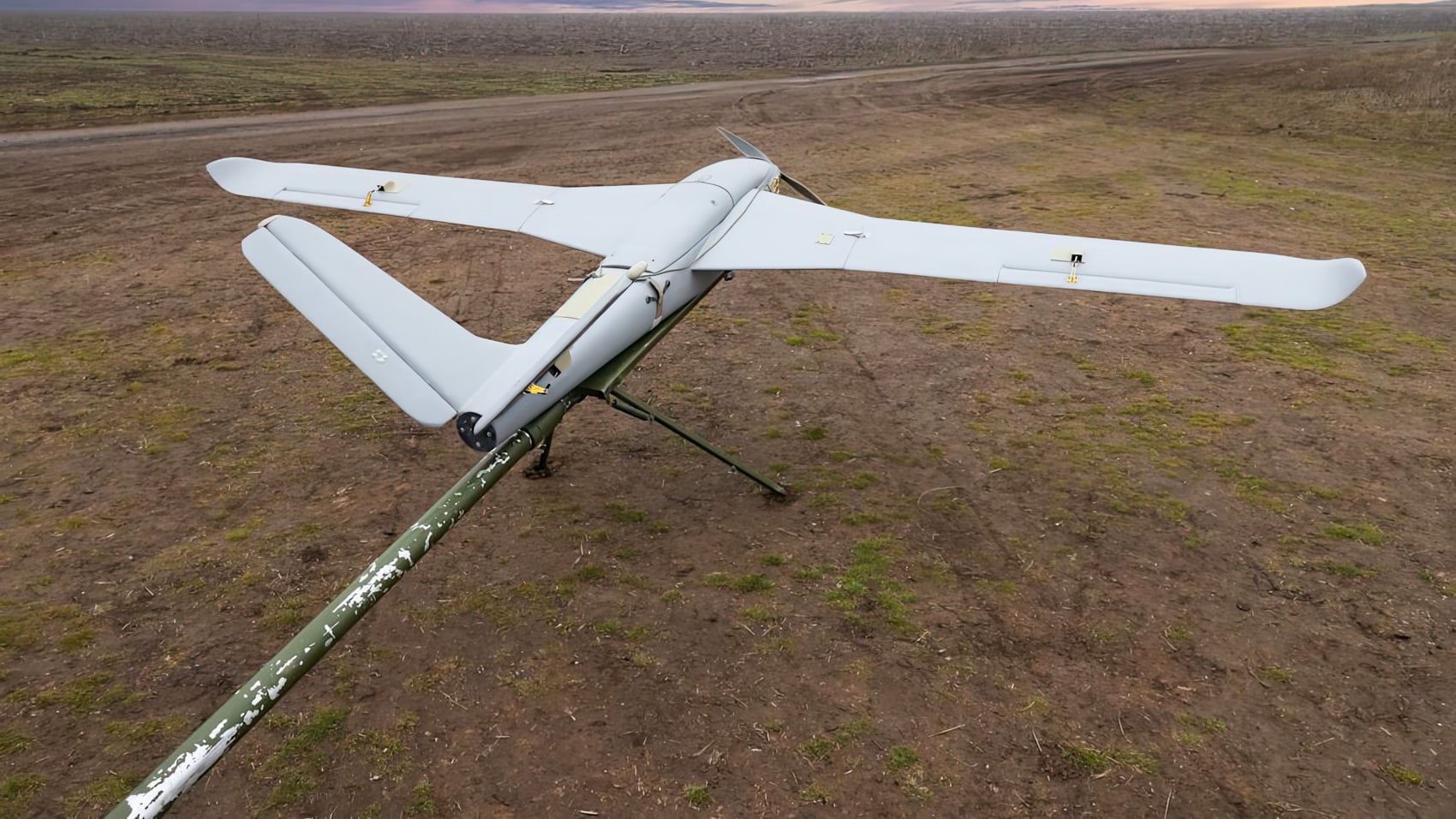
Late last month, a Ukrainian Backfire fixed-wing heavy bomber drone completed a strike mission in Ukraine’s northeastern Kharkiv region and returned to its operators. When the unit examined the aircraft, something “different” was sticking out of the fuselage, as AOL reports.
They thought it was part of an antenna. It was not.
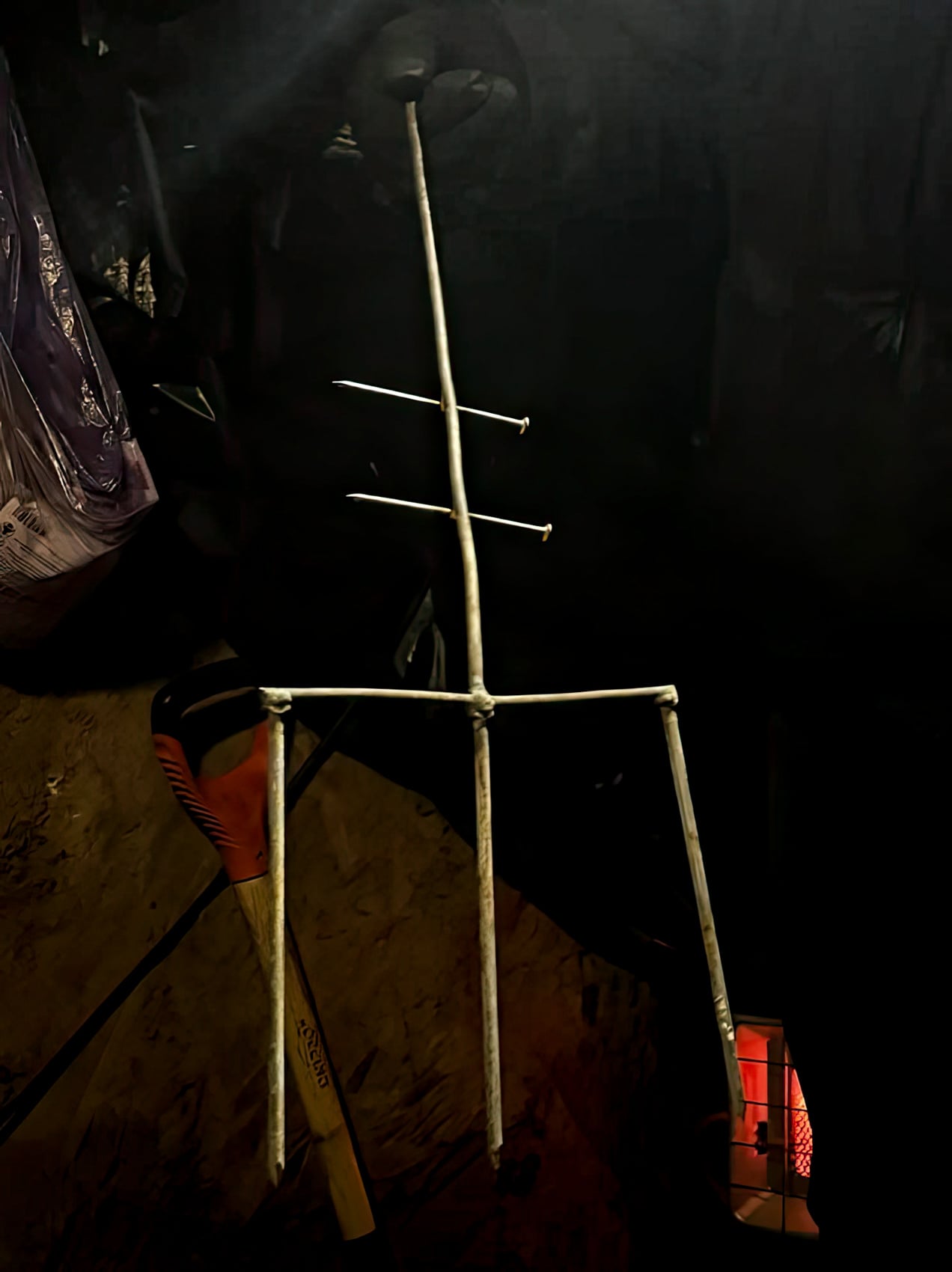
A closer look revealed a roughly two-foot object made of nails and thin steel rods, welded or assembled into a crude trident shape, buried in the airframe. The drone had been struck from above during its mission and flown home without its operators knowing it had been hit.
Alex Eine, the unit commander, said the Backfire was cruising above 2,600 feet when the impact occurred, in a blind spot without cameras. The trident was almost certainly launched from another drone rather than thrown or fired from the ground.
At that altitude, with that geometry, a ground-based launch is not plausible. Eine said the unit ruled out friendly fire due to high levels of coordination between Ukrainian forces in the area.
The exact moment of impact is inconclusive. There are spots in the telemetry log that could mark the strike, but wind gusts produce the same signature. The Backfire sustained the impalement and some additional scratches. The airframe held. Eine credited the drone’s survival to the sturdiness of its construction.
Why a Trident Works, and Why It Does Not
Eine was direct about the weapon’s actual threat potential.
Against the Backfire, a large fixed-wing bomber, the trident punched into the fuselage and caused manageable damage. The aircraft flew home. Against a heavy quadcopter drone, the calculus is completely different.
Any object that contacts a spinning propeller at speed can instantly disable the aircraft. A two-foot steel trident dropped from above into the rotor path of a quadcopter would not produce scratches. It would produce a crash.
That is the tactical logic behind the weapon. It does not need to destroy the target directly. It needs to reach the propellers.
The trident represents something the Russia-Ukraine war has produced in extraordinary volume: improvised counter-drone solutions born from battlefield necessity. Russia has fitted some of its strike drones with air-to-air missiles, primarily used against helicopters and conventional aircraft.
Ukraine has armed its naval drones with surface-to-air missiles to engage Russian aircraft flying combat patrols over the Black Sea. Now someone on the Russian side has apparently built a nail trident, loaded it into a drone, and sent it up to hunt Ukrainian aircraft by dropping medieval geometry from above.
It is crude. It is also the first documented use of this specific approach in the conflict.
The Broader Context: Drone Saturation and Air Defense Desperation
This incident did not happen in isolation. It happened because both sides are flying so many drones over the battlefield that conventional air defense cannot keep up.
Drones now account for the majority of battlefield kills at this stage of the four-year conflict. Ukraine is producing around 1,000 interceptor drones per day, a target President Zelenskyy set last summer and confirmed in January as being met.
These interceptors fly directly into their targets or detonate nearby to destroy them mid-air. They are cheap, expendable, and being manufactured at a scale that would have seemed impossible three years ago.
The trident drone is the Russian answer to that problem on a budget. When you cannot intercept everything electronically and you cannot shoot everything down with missiles, you improvise. You build a steel trident out of nails and rods, hang it beneath a drone, fly it into contested airspace, and hope it finds something spinning.
It found the Backfire. The Backfire survived. But Eine’s point stands: other drones would not have.
DroneXL’s Take
I have covered drone warfare for years and this is the first story that genuinely made me stop and read it twice.
Not because the technology is impressive. It is not. A trident made of nails is about as low-tech as aerial warfare gets. What stopped me is what this incident reveals about where the conflict has arrived.
When both sides are flying so many drones that someone decides the answer is to hang a medieval weapon under one and go hunting, you are looking at a battlefield that has outpaced every existing counter-drone doctrine.
Jammers, nets, interceptors, lasers, missiles, and now nails on a stick. Every approach exists because no single approach works well enough.
Here is what I actually think. The trident is not a sign of desperation. It is a sign of creativity operating under extreme resource constraints. The same engineering mindset that produced Ukraine’s naval SAM drones and Russia’s air-to-air missile drones is present in this trident.
The scale is different. The logic is identical. Use what you have, modify it for the mission, send it up and see what happens.
The Backfire came home. The trident is probably in a storage container somewhere being photographed and analyzed by people trying to figure out whether to be worried or amused.
The answer, I think, is both.
Photo credit: Alex Eine
Discover more from DroneXL.co
Subscribe to get the latest posts sent to your email.
Check out our Classic Line of T-Shirts, Polos, Hoodies and more in our new store today!

MAKE YOUR VOICE HEARD
Proposed legislation threatens your ability to use drones for fun, work, and safety. The Drone Advocacy Alliance is fighting to ensure your voice is heard in these critical policy discussions.Join us and tell your elected officials to protect your right to fly.

Get your Part 107 Certificate
Pass the Part 107 test and take to the skies with the Pilot Institute. We have helped thousands of people become airplane and commercial drone pilots. Our courses are designed by industry experts to help you pass FAA tests and achieve your dreams.

Copyright © DroneXL.co 2026. All rights reserved. The content, images, and intellectual property on this website are protected by copyright law. Reproduction or distribution of any material without prior written permission from DroneXL.co is strictly prohibited. For permissions and inquiries, please contact us first. DroneXL.co is a proud partner of the Drone Advocacy Alliance. Be sure to check out DroneXL's sister site, EVXL.co, for all the latest news on electric vehicles.
FTC: DroneXL.co is an Amazon Associate and uses affiliate links that can generate income from qualifying purchases. We do not sell, share, rent out, or spam your email.