Draganfly and Palladyne AI Bring SwarmOS Closer to Real Deployment

Check out the Best Deals on Amazon for DJI Drones today!
Draganfly and Palladyne AI have completed another step in their autonomous swarm program, and this one moves the technology closer to actual defense operations.
The two companies announced in a press release the successful integration of Palladyne AI’s SwarmOS platform across Draganfly’s mission-ready drone components, validated through a completed flight simulation.
It is not a real-world flight yet, but it is a meaningful progression from where they were in February.
What This Integration Actually Means
SwarmOS runs on Palladyne AI’s Decentralized Edge Collaborative Autonomy architecture, known as DECA. The idea is straightforward and unsettling in equal measure: each drone in a swarm perceives its environment, makes its own decisions, and collaborates with other drones without waiting for instructions from a central command system.

This integration test validated that SwarmOS can operate across Draganfly’s specific hardware components. The flight simulation confirmed the system behaves as designed within those parameters. That may sound procedural, but in development terms it represents a cleared hurdle between software on paper and software on a drone that someone intends to fly in a contested environment.
The system is also designed to keep functioning when communications degrade or individual assets are lost. When a link drops or a drone goes down, the swarm reconfigures and continues the mission on its own. That is the design intent. Whether it holds under real operational stress is what field testing will eventually answer.
Draganfly’s Defense Push
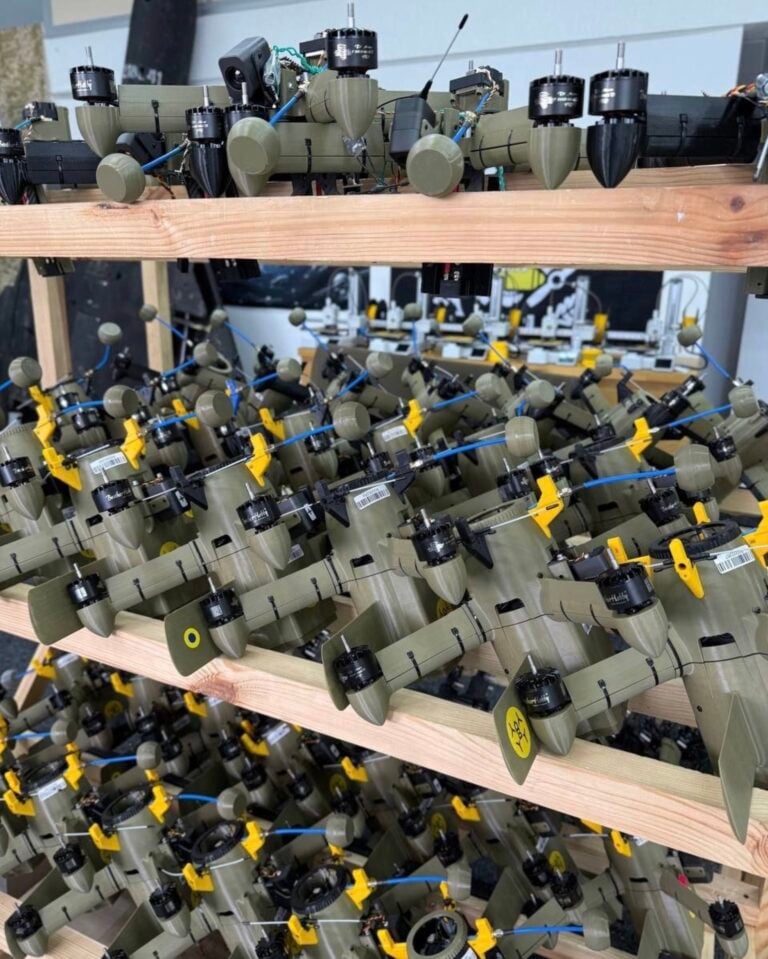
Draganfly has been expanding its defense footprint steadily. The company has active engagements supporting U.S. Air Force Special Operations Command and deployments across intelligence, surveillance, and reconnaissance, logistics, and tactical drone platforms.

Photo credit: Draganfly
Pairing that operational experience with Palladyne AI’s autonomy stack is the logical next step for both companies. Draganfly brings hardware credibility and existing defense relationships. Palladyne brings a software architecture that does not depend on constant connectivity, which is precisely what modern defense programs are looking for.
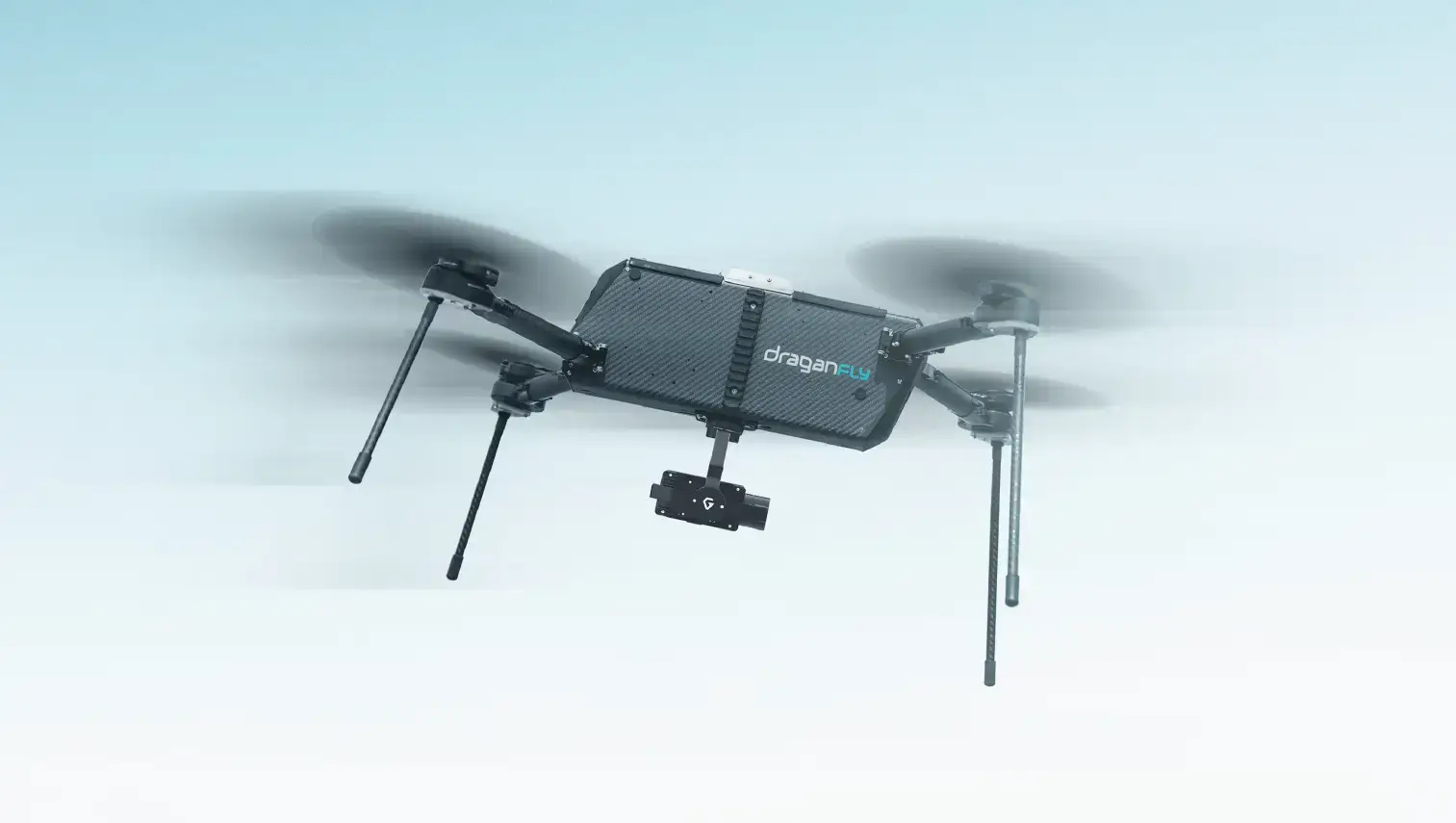
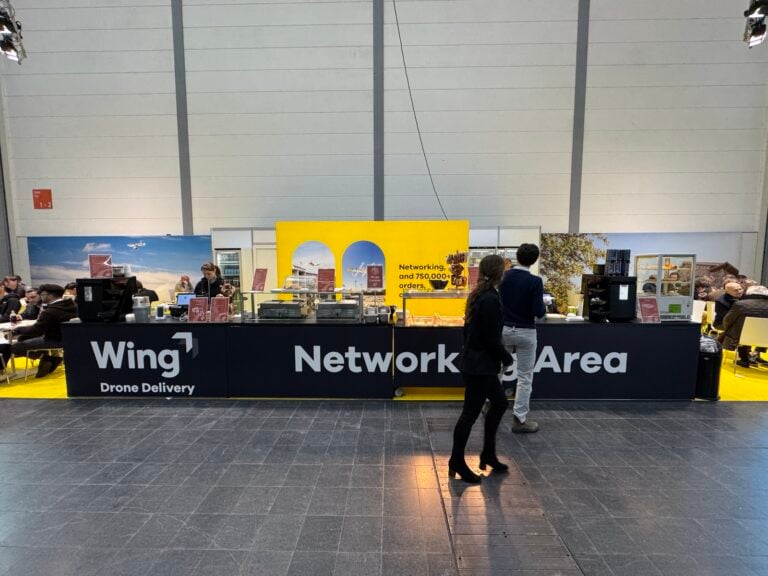
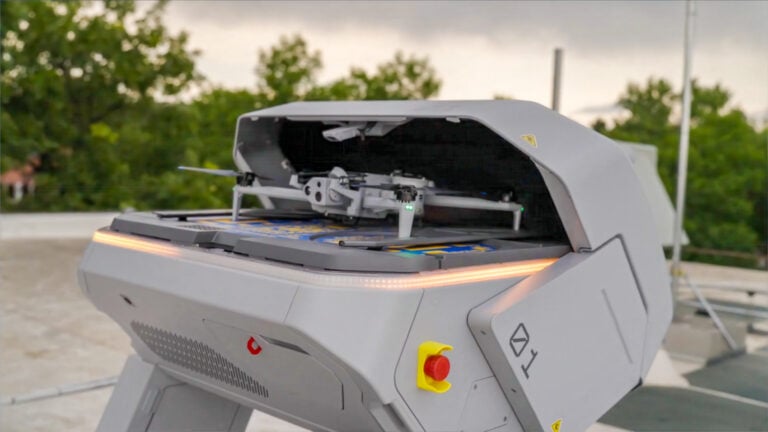
Photo credit: Draganfly
Cameron Chell, CEO of Draganfly, pointed to the ability to enable systems that think, adapt, and operate together in real time as what excites him about the partnership.
Ben Wolff, President and CEO of Palladyne AI, described SwarmOS not as pre-programmed drones flying in formation, but as giving each drone the intelligence to read its environment and collaborate with its teammates in milliseconds.
Both descriptions are accurate. Both are also the kind of language that sounds like a product announcement until you think about what it actually describes.
The Technology Behind the Simulation
SwarmOS handles decentralized decision-making at the edge, meaning each aircraft runs its own autonomy stack rather than relying on a server somewhere else. In a degraded or denied communications environment, that architecture does not just perform better than centralized control. It continues to function while centralized systems would fail.
The simulation validated the integration across Draganfly’s defined platform components. The next step is moving from validated simulation to validated flight, and based on Palladyne’s track record with IntelliSwarm, that timeline is likely shorter than the press release implies.
The companies have not disclosed specific hardware specifications for the Draganfly components used in this integration. Until field tests are completed and hardware configurations are confirmed publicly, specs remain unavailable.
DroneXL’s Take
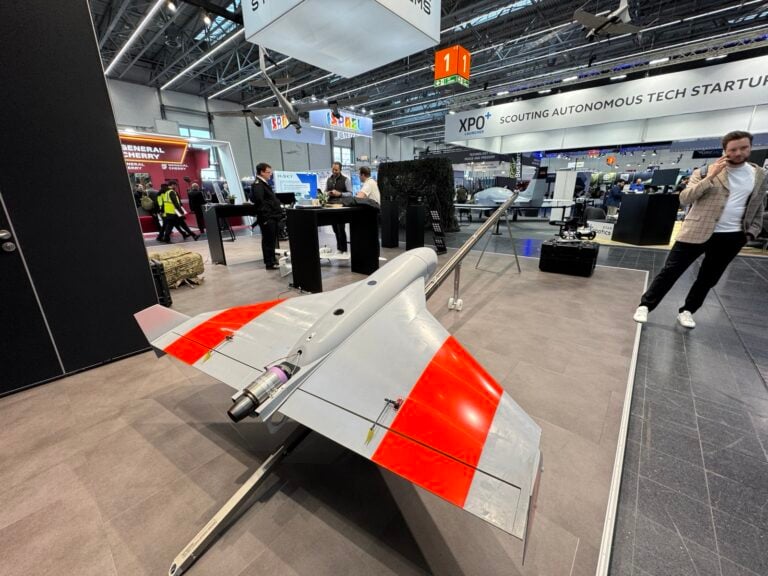
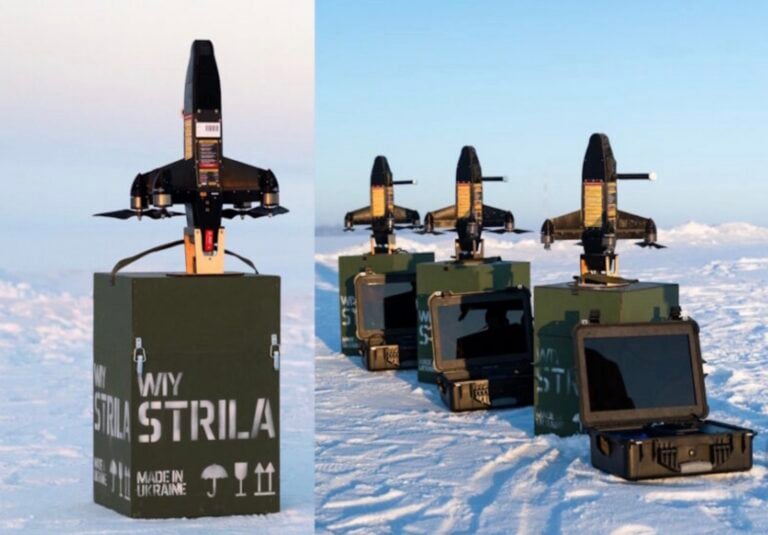
Strip away the press release language, and here is what this announcement actually represents: SwarmOS is no longer a concept being demonstrated on a Banshee loitering munition in a proof-of-concept flight. It is now being ported across third-party hardware and validated through simulation for deployment purposes.
I covered the IntelliSwarm first flight in February and said it made me uncomfortable. That discomfort has not gone away. If anything, this update sharpens it. Each milestone normalizes the previous one. The first flight was unsettling. The integration announcement reads almost routine by comparison. That shift in perception is worth noticing.
The technology is advancing responsibly, at least on paper. DECA is designed for human-on-the-loop oversight, not autonomous lethal decision-making. The architecture includes predefined constraints and mission parameters set by human operators. Those safeguards matter, and I take them at face value.
What I cannot take at face value is the assumption that responsible design guarantees responsible deployment. The hardware and software will eventually reach programs where doctrine, oversight, and accountability may not have kept pace with capability. That gap is where things go wrong, and nothing in this announcement closes it.
Photo credit: Draganfly, Palladyne.
Discover more from DroneXL.co
Subscribe to get the latest posts sent to your email.
Check out our Classic Line of T-Shirts, Polos, Hoodies and more in our new store today!

MAKE YOUR VOICE HEARD
Proposed legislation threatens your ability to use drones for fun, work, and safety. The Drone Advocacy Alliance is fighting to ensure your voice is heard in these critical policy discussions.Join us and tell your elected officials to protect your right to fly.

Get your Part 107 Certificate
Pass the Part 107 test and take to the skies with the Pilot Institute. We have helped thousands of people become airplane and commercial drone pilots. Our courses are designed by industry experts to help you pass FAA tests and achieve your dreams.

Copyright © DroneXL.co 2026. All rights reserved. The content, images, and intellectual property on this website are protected by copyright law. Reproduction or distribution of any material without prior written permission from DroneXL.co is strictly prohibited. For permissions and inquiries, please contact us first. DroneXL.co is a proud partner of the Drone Advocacy Alliance. Be sure to check out DroneXL's sister site, EVXL.co, for all the latest news on electric vehicles.
FTC: DroneXL.co is an Amazon Associate and uses affiliate links that can generate income from qualifying purchases. We do not sell, share, rent out, or spam your email.