
Data Security · Data Security
VIA Says Its Quantum-Safe Transfer Is Now 100 Times Faster
VIA Science has upgraded Quantum Transfer, its post-quantum secure data software, saying the largest speed gains come over weak and intermittent links.
News, deep dives, and analysis — every Data Security story, newest first.
The case against Chinese-made drones is a data security argument, and it is worth separating what has been proven from what has been decided. The decision came first. After an October 2025 FCC vote granting retroactive authority, foreign-made drones went onto the Covered List that December, and DJI called the action not grounded in evidence. The audit that was supposed to settle the question never happened: the 2025 NDAA gave a national security agency one year to examine DJI’s equipment or see it listed by default, DJI spent that year pressing for the audit, warning the delay would cripple the US industry, and no agency took the assignment.
The evidence that does exist points in more than one direction, and we publish both. An independent 2026 US audit by OnDefend of the Air 3S and Matrice 4E found no backdoors and no unauthorized foreign data transmission. Against that, a researcher remotely accessed roughly 7,000 DJI ROMO home vacuum cameras, an incident on a different product line that became fuel for the drone ban anyway, and Australian analysts warned their government is flying blind on Chinese drone data. The restrictions have kept spreading regardless of the evidence question: Georgia and other states banned Chinese drones for government use, and Ontario restricted them for sensitive police work with a broader phase-out planned.
For anyone who owns one, the practical picture is narrower than the headlines. These rules govern importation and marketing, not flying, and firmware and security updates are protected until at least January 2029. If you are buying for an agency or a contract that requires compliant hardware, our guide to what NDAA compliance actually requires covers which statute binds whom. What is genuinely unresolved is what replaces the hardware, because US manufacturers still struggle to break free of Chinese parts and the biggest federal component money is scoped to military aircraft rather than the commercial fleet. DroneXL’s position has been consistent: we support scrutiny and oppose retroactive punishment of people who bought legal equipment in good faith. The feed below carries every drone data security and ban story as we publish it.
Last updated November 18, 2026 — the feed below updates with every new story.
VIA Science has upgraded Quantum Transfer, its post-quantum secure data software, saying the largest speed gains come over weak and intermittent links.
Cigent says its new M.2 2230 Secure SSD lets an unmanned platform wipe its own data through a hardware signal, with no network or operating system.
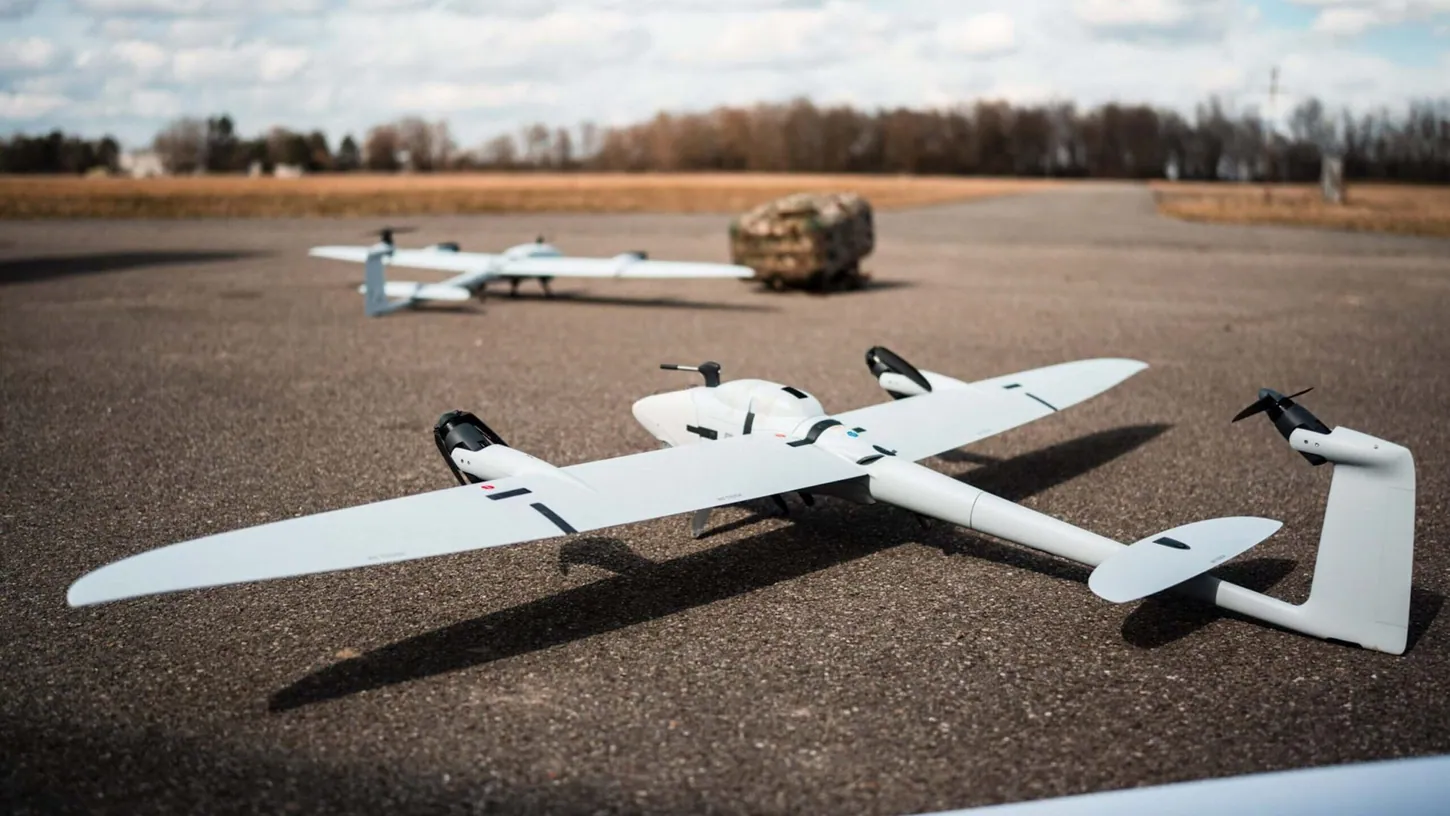
Attackers hid malware in a QBase software update. The Bundeswehr grounded its Quantum Systems drones, and the company says its fleet is operational.
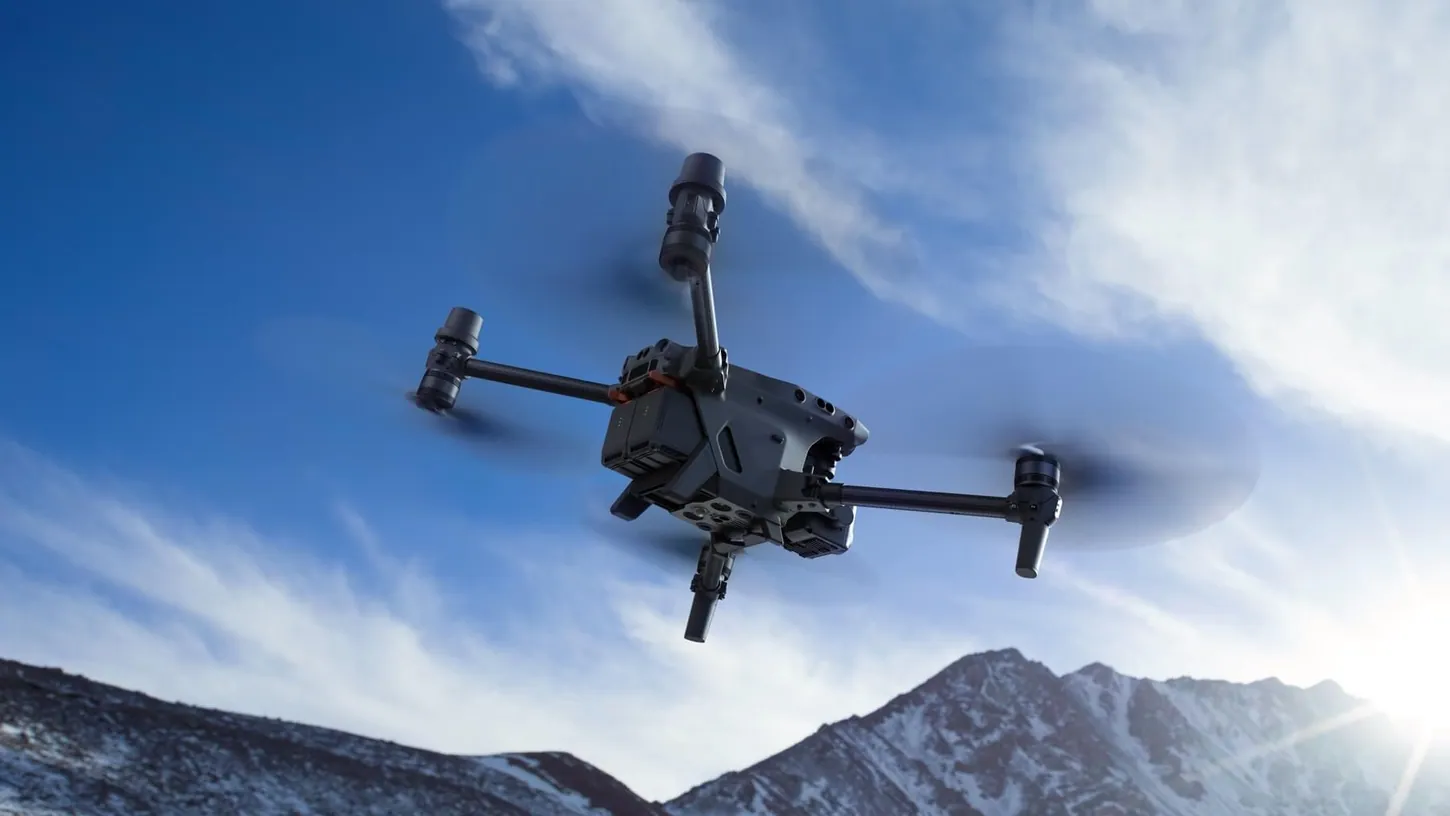
The Bundeswehr is pulling DJI and other Chinese drones from its bases, a year after signing for 500 DJI M30Ts despite a 2023 ban.
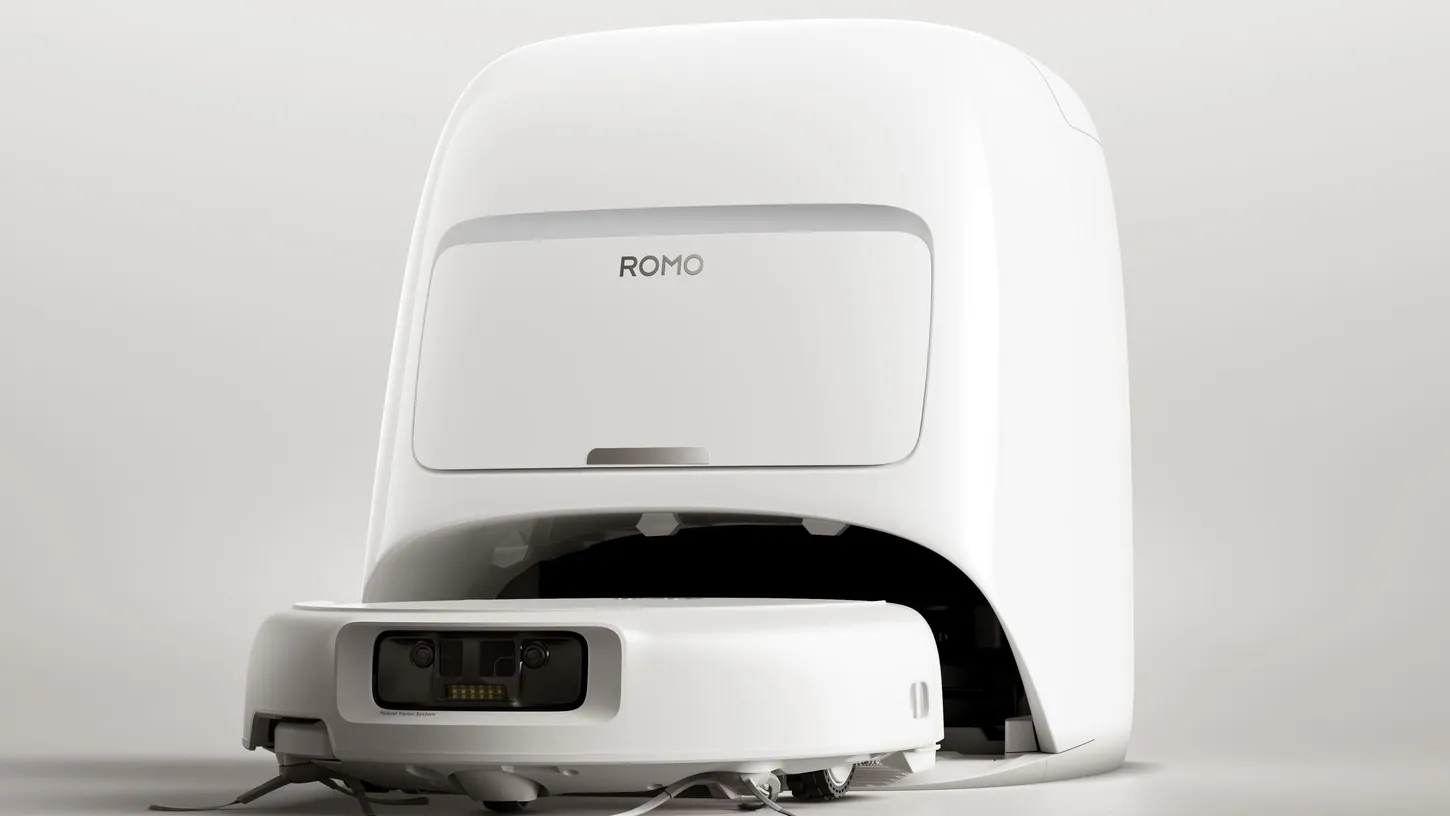
DJI's Local Data Mode cuts the ROMO 2 vacuum off from the cloud, eight months after 7,000 ROMOs leaked camera feeds, on a robot Americans cannot buy.
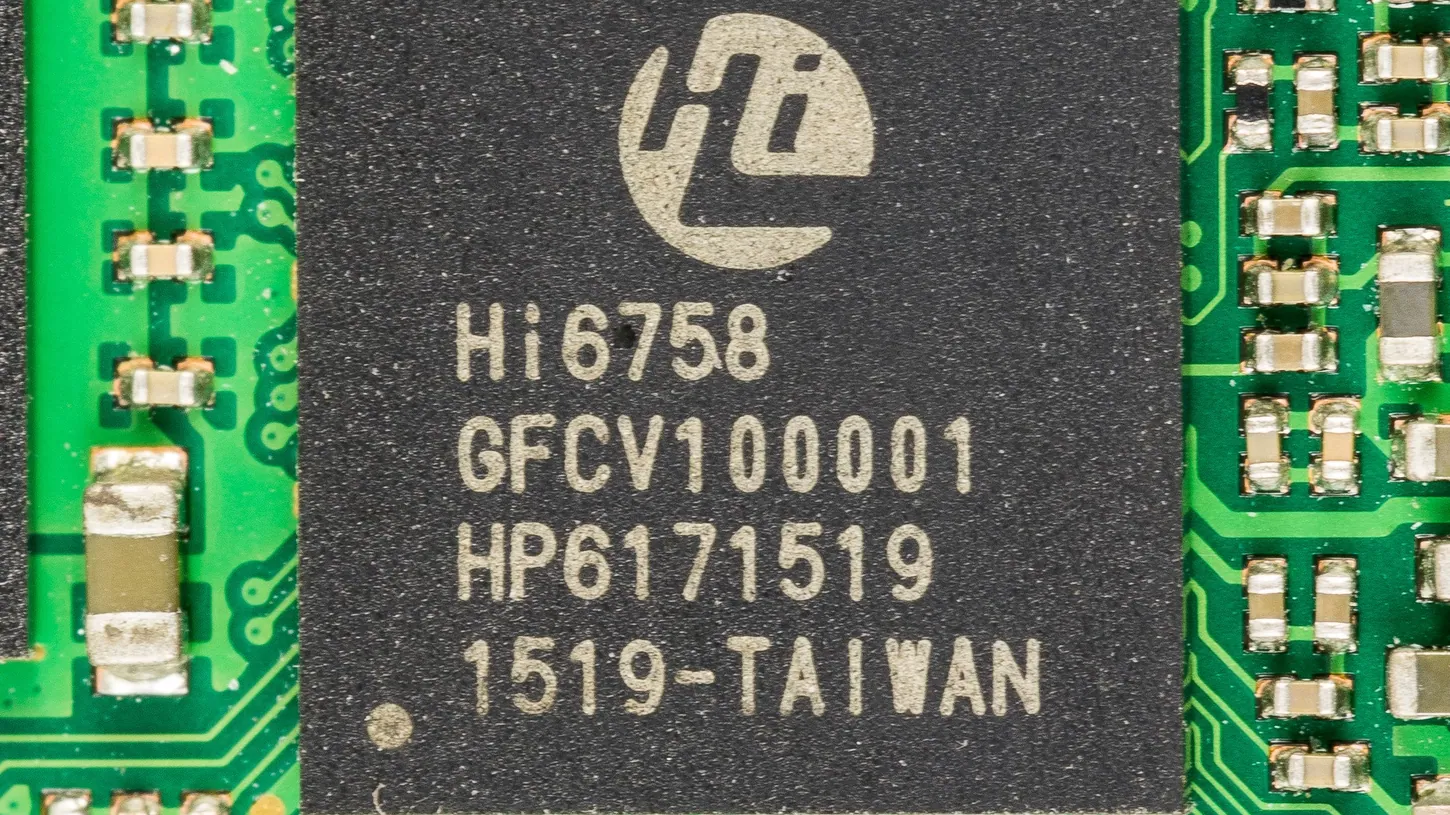
The FCC blocked a dash cam and a wireless video transmitter over HiSilicon chips, the first case under the rule that also bars DJI boards from new drones.
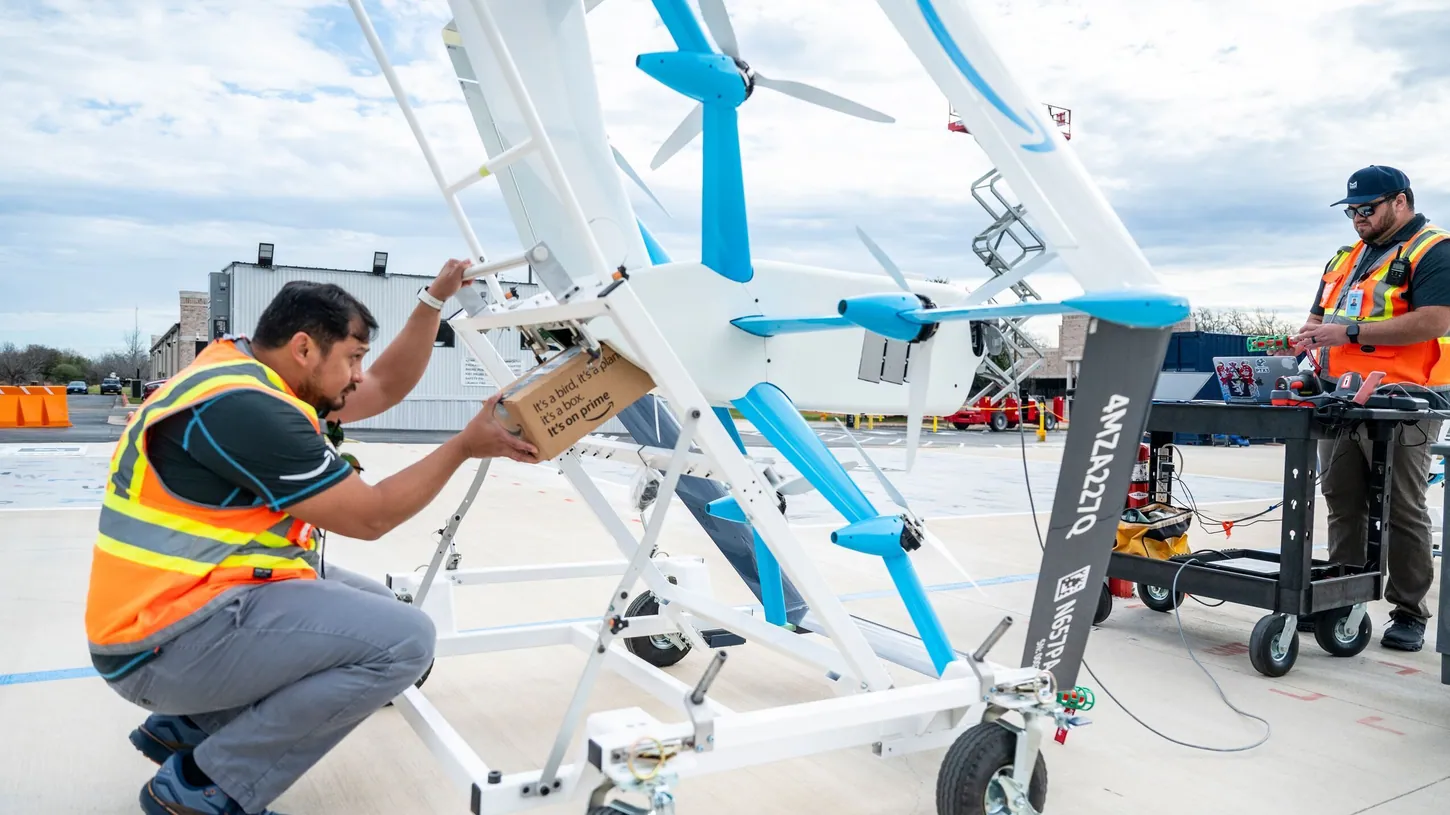
Cleveland Heights Mayor Jim Petras will ask Amazon whether drone routes can shift to commercial areas. Amazon moved some Texas flights in February.

Amazon told Pflugerville's council on Sept. 22 its MK30 drones take no pictures. Amazon's Prime Air operations page says people near deliveries may be recorded.
Not in the sense most people mean. There is no law making it illegal to own or fly a DJI drone you already have. What happened is that foreign-made drones were added to the FCC's Covered List in December 2025, which restricts new equipment authorizations, importation and marketing. The practical effect arrives as empty shelves and thin parts supply rather than a knock on the door.
You can keep flying it. Software and firmware updates, including security patches, are protected until at least January 1, 2029 under FCC Public Notice DA 26-454, which applies to aircraft authorized before their Covered List date. The real risks for owners are practical: replacement parts, batteries, and repair options getting harder to find, and separate state or agency-level restrictions on where the aircraft may be used.
The 2025 National Defense Authorization Act set up a test rather than a ban: a national security agency had one year to audit DJI's equipment, and if none did, the company's gear would be added to the Covered List by default. No agency took the assignment. DJI publicly pushed for the audit it was supposed to face, the deadline passed, and the default consequence took effect. The ban that followed rests on an audit that was never performed.
Not in the aircraft, in the audits published so far. A 2026 US security audit by OnDefend of the Air 3S and Matrice 4E reported no backdoors and no unauthorized foreign data transmission. The strongest counter-evidence in our coverage comes from adjacent hardware: a researcher remotely accessed roughly 7,000 DJI ROMO home vacuum cameras in 2026, which critics fold into the case against the company even though it is a different product line.
The pattern usually restricts government purchase and public agency use rather than private ownership. Florida moved first and hardest, Georgia followed with a major security push, and other states have adopted procurement bans of varying scope. Outside the US, Ontario banned Chinese drones for sensitive provincial police work with a broader phase-out planned.
That is the unresolved question, and the honest answer is that the commercial replacement does not exist yet at the same price and capability. American manufacturers still struggle to break free of Chinese parts, and the largest federal commitments, such as an $820 million loan for drone components in Huntsville, Alabama, are scoped to military aircraft. Public safety agencies with aging fleets are the ones absorbing the gap.
One email with the drone news that matters — DJI, FAA, public safety, and everything in between, straight from the newsroom. No spam, no fluff.