
Drone Research · RESEARCH
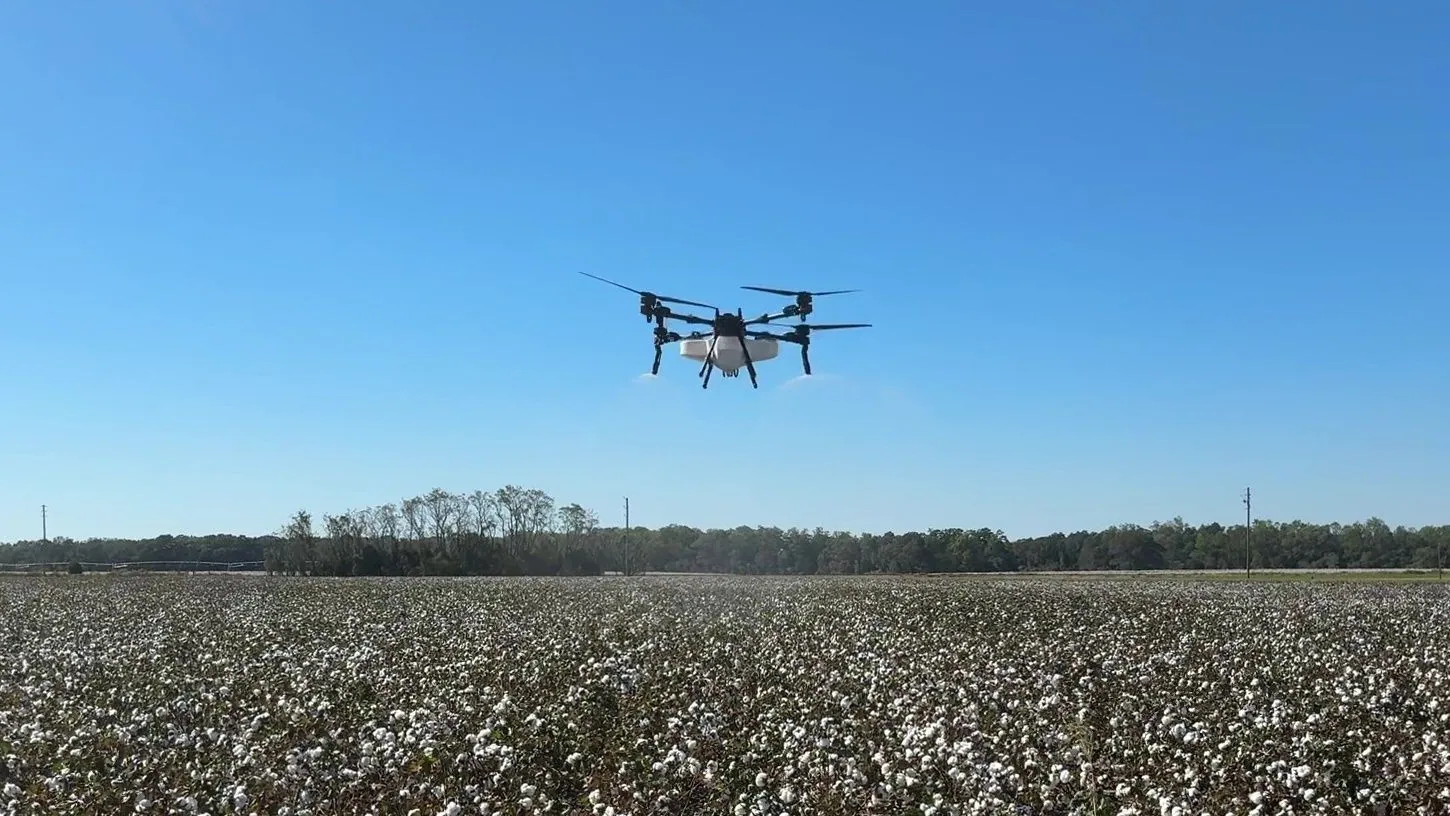
Auburn Spray Drones Defoliated Cotton Like A Ground Rig On Less Water
Auburn University trials in Alabama found spray drones at 3 and 5 gallons per acre defoliated cotton about as well as a ground rig at 10.
News, deep dives, and analysis — every Drone Research story, newest first.
Auburn University trials in Alabama found spray drones at 3 and 5 gallons per acre defoliated cotton about as well as a ground rig at 10.
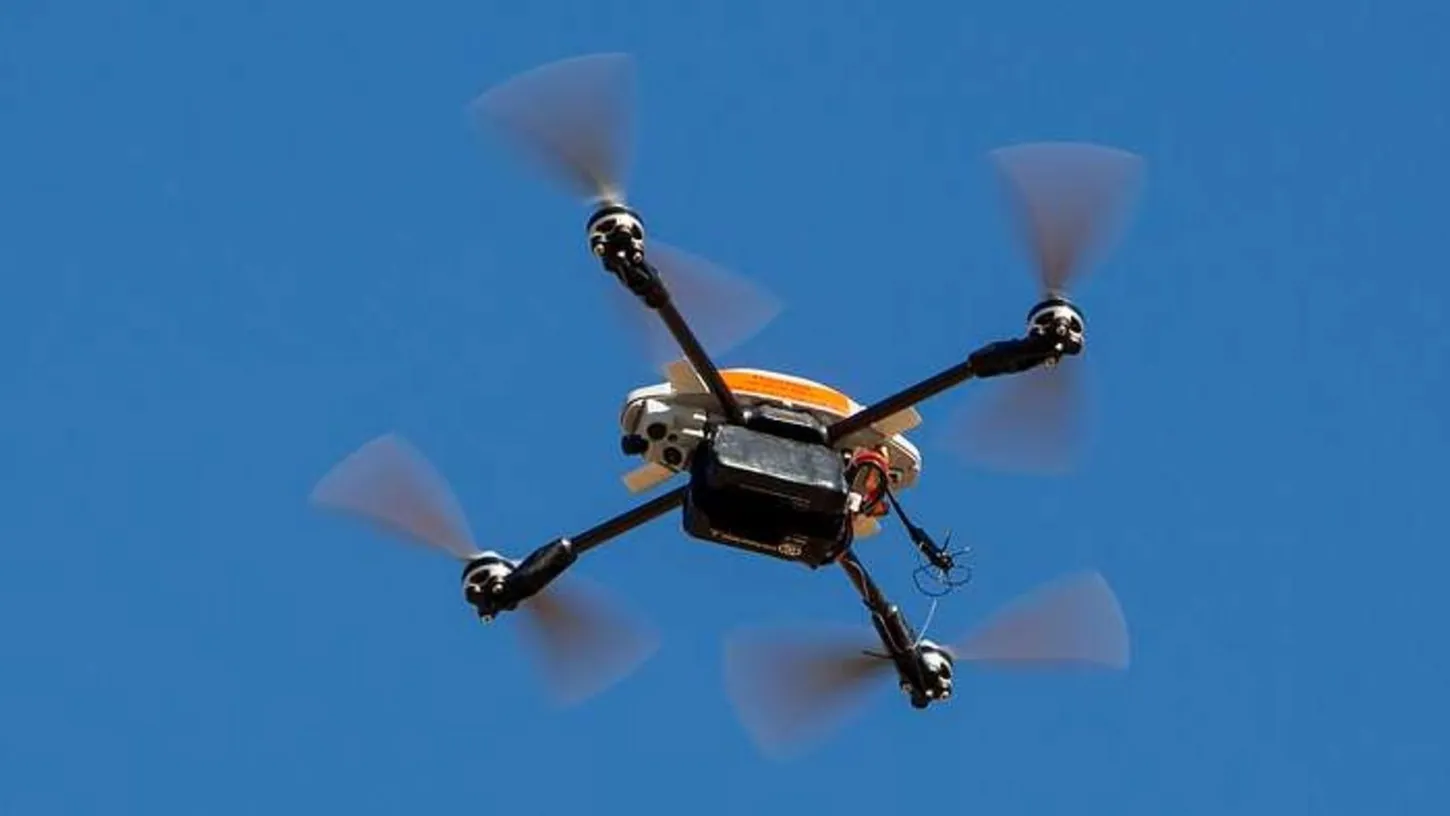
FIU and Brookhaven engineers read a drone's make and model from the magnetic field its motors leak. It costs a few hundred dollars and reaches 49 feet.
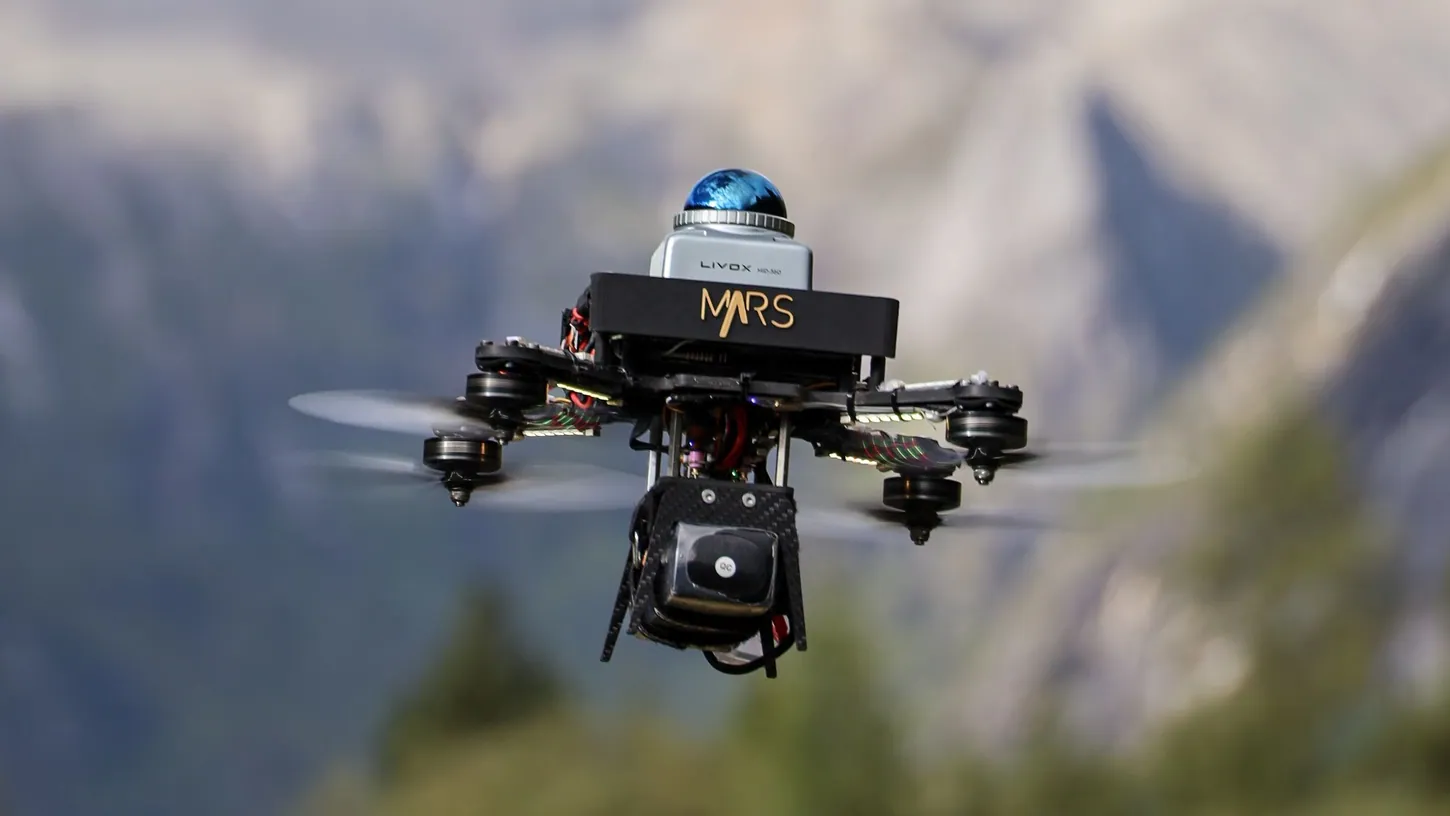
A Purdue lab says it built its viral forest drone from scratch. Its telemetry names SUPER and FAST-LIO, open-source code from the University of Hong Kong.

The FAA awarded $12 million to 19 drone research projects at its nine test sites. Congress mandated the money in 2024, and Part 108 is still unsigned.

Duke's SonicFly follower quadcopter chases a leader drone with a 10-gram microphone array, no GPS sharing, no radio link, and no camera.

Meteomatics and NOAA flew Meteodrones over Purcell, Oklahoma on July 30, profiling the lowest layers of the atmosphere on demand — the exact altitude band where tornadoes form and where balloons and satellites leave forecasters half blind. Switzerland has 10 sites and Norway is building 30. Oklahoma has one.

A drone off the New South Wales coast filmed a humpback whale giving birth on July 28 — only the fourth complete humpback birth ever captured on film, and the first ever recorded from the air.

University of Hawaii researchers tagged 22 humpback whales off Maui this year by flying suction-cup tags onto their backs with drones, replacing a method that required putting a boat within arm's reach of a 40-ton animal.
One email with the drone news that matters — DJI, FAA, public safety, and everything in between, straight from the newsroom. No spam, no fluff.