

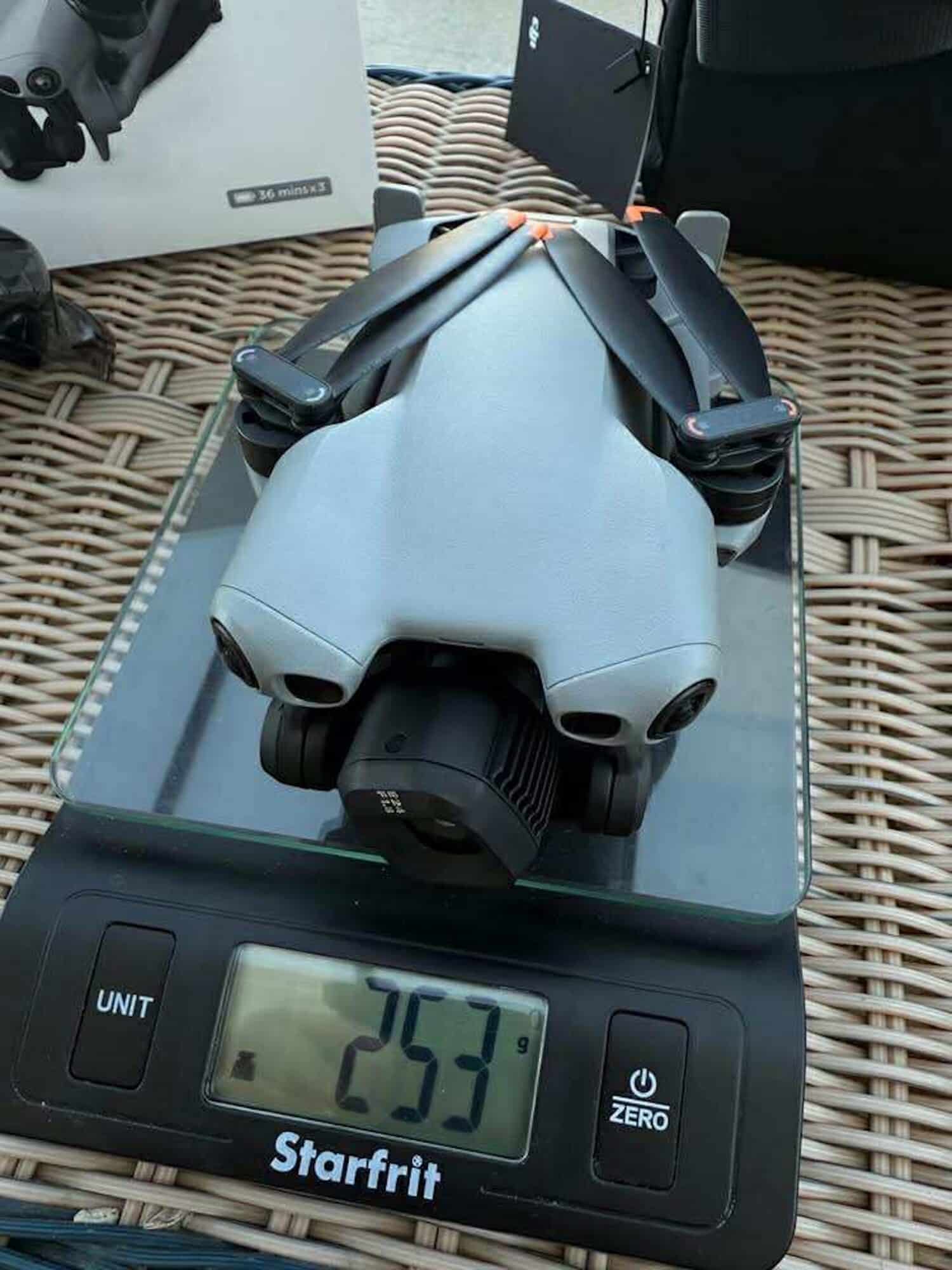
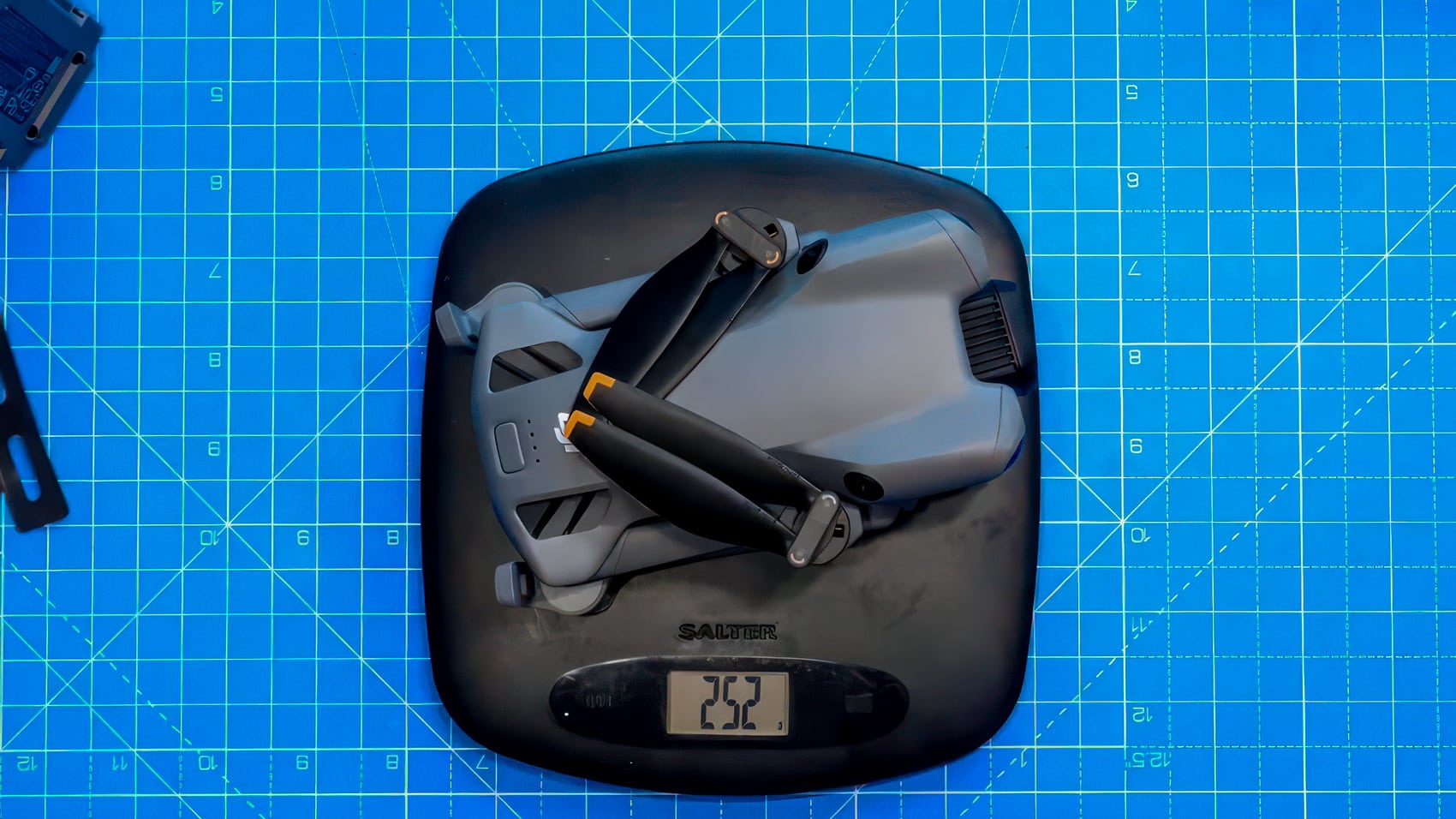
An industry insider has revealed the specific pre-production decisions that pushed the DJI Mini 5 Pro drone over the critical 250-gram regulatory threshold, ending four generations of the company’s success in the sub-250g category. According to the long-time trusted DroneXL source, two last-minute design changes—new propellers and an upgraded speaker—added approximately four grams total, transforming what was designed as a sub-250g drone into a 252-253g aircraft that requires registration in most jurisdictions worldwide.
The revelation explains why virtually every Mini 5 Pro unit weighs above 250 grams despite DJI marketing the drone as weighing 249.9 grams. The weight variance has created regulatory headaches for pilots globally and represents a significant departure from DJI’s historically successful Mini series engineering.
Correction: This article initially misstated CASA’s registration requirements for drones flown purely recreationally. That section has now been corrected.
The Two Critical Design Changes
The source confirms that DJI made two modifications shortly before production that ultimately undermined the drone’s sub-250g status. The first change involved switching to a new propeller design that added approximately two grams to the aircraft’s total weight. The Mini 5 Pro features a redesigned quick-release propeller system that replaces the screw-on propellers used in previous Mini models, offering easier field replacement but at a weight penalty.

The second change involved upgrading the speaker component, which added another two grams. This speaker plays the DJI startup jingle and other audio feedback.
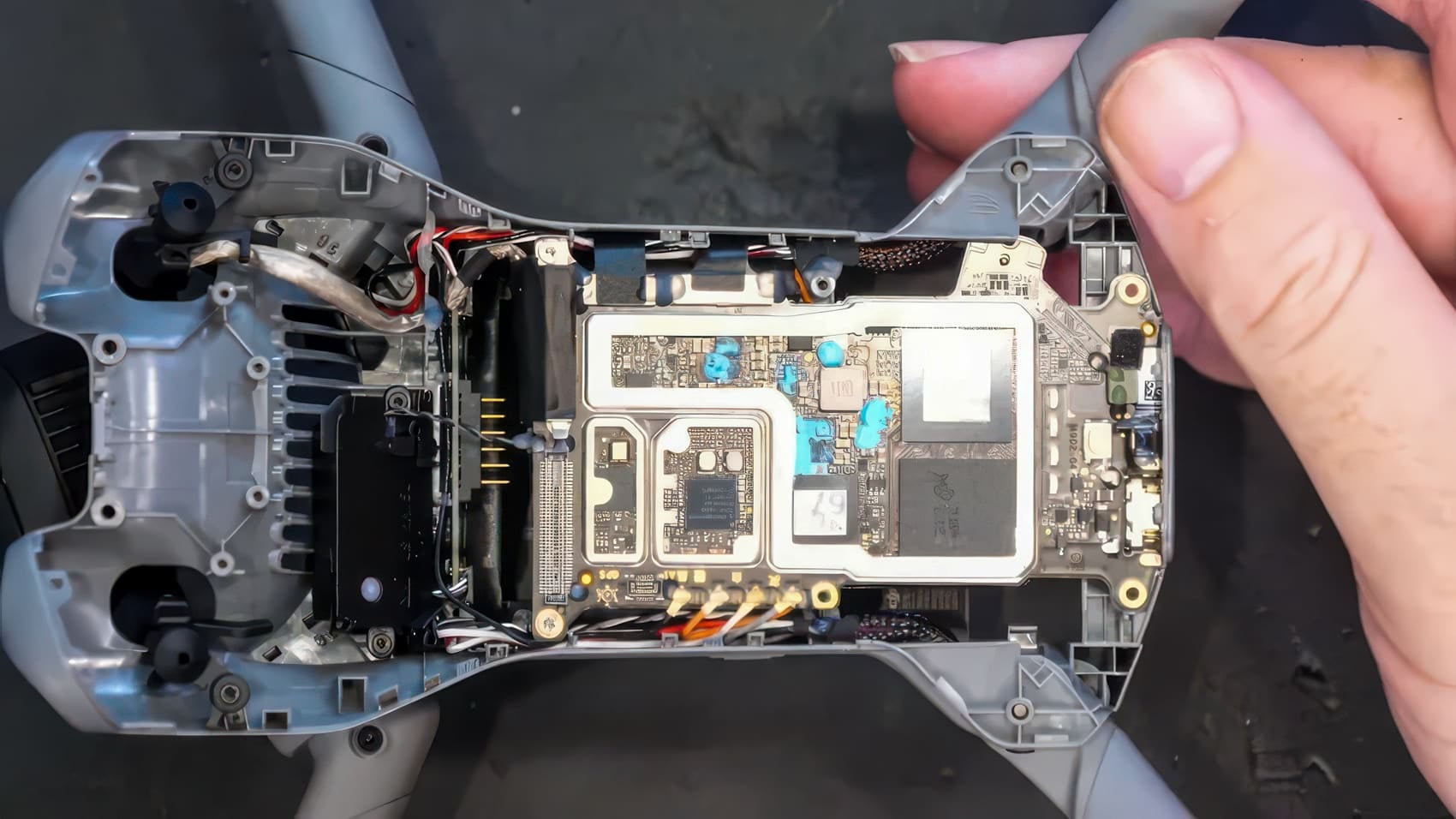
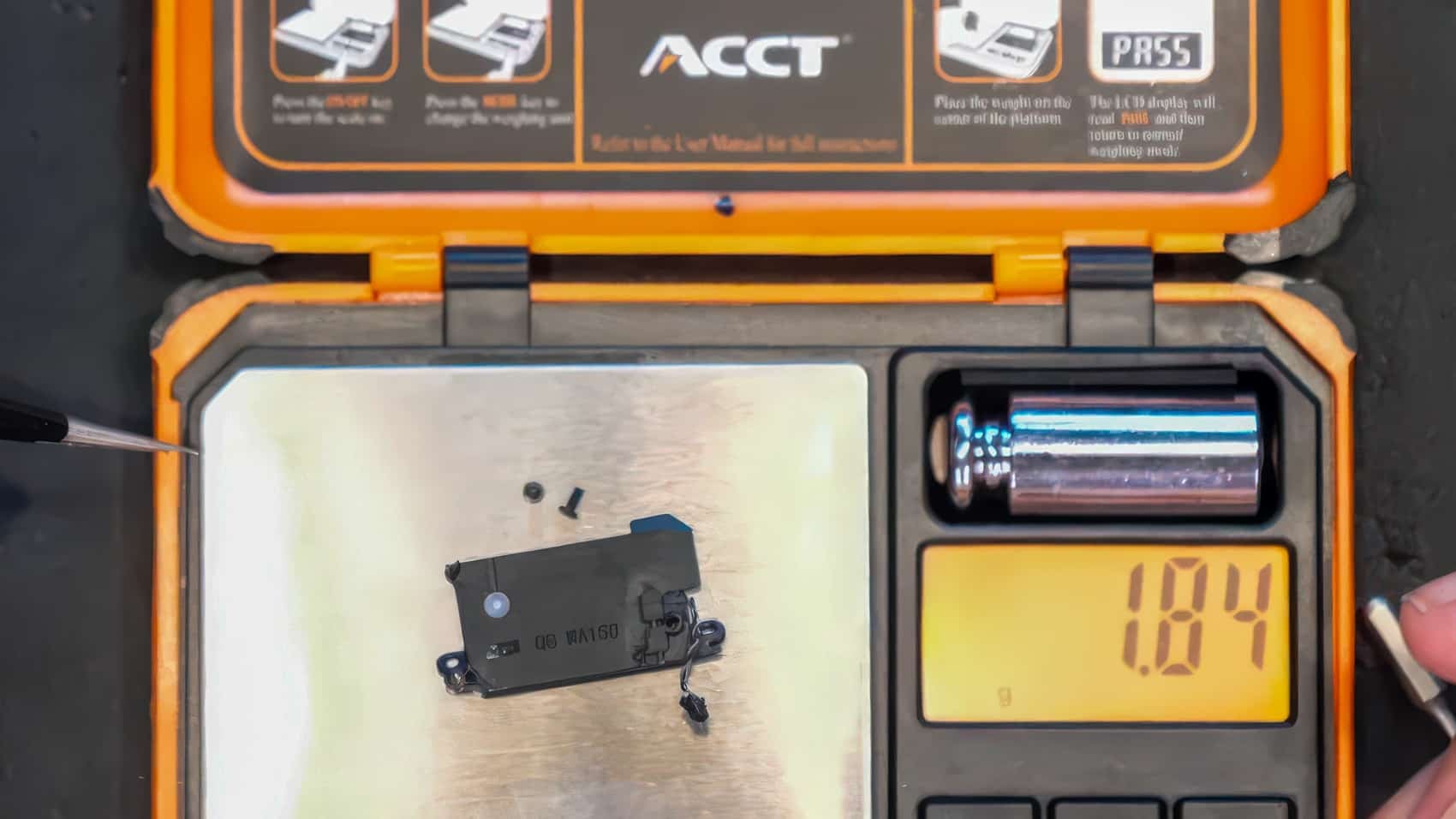
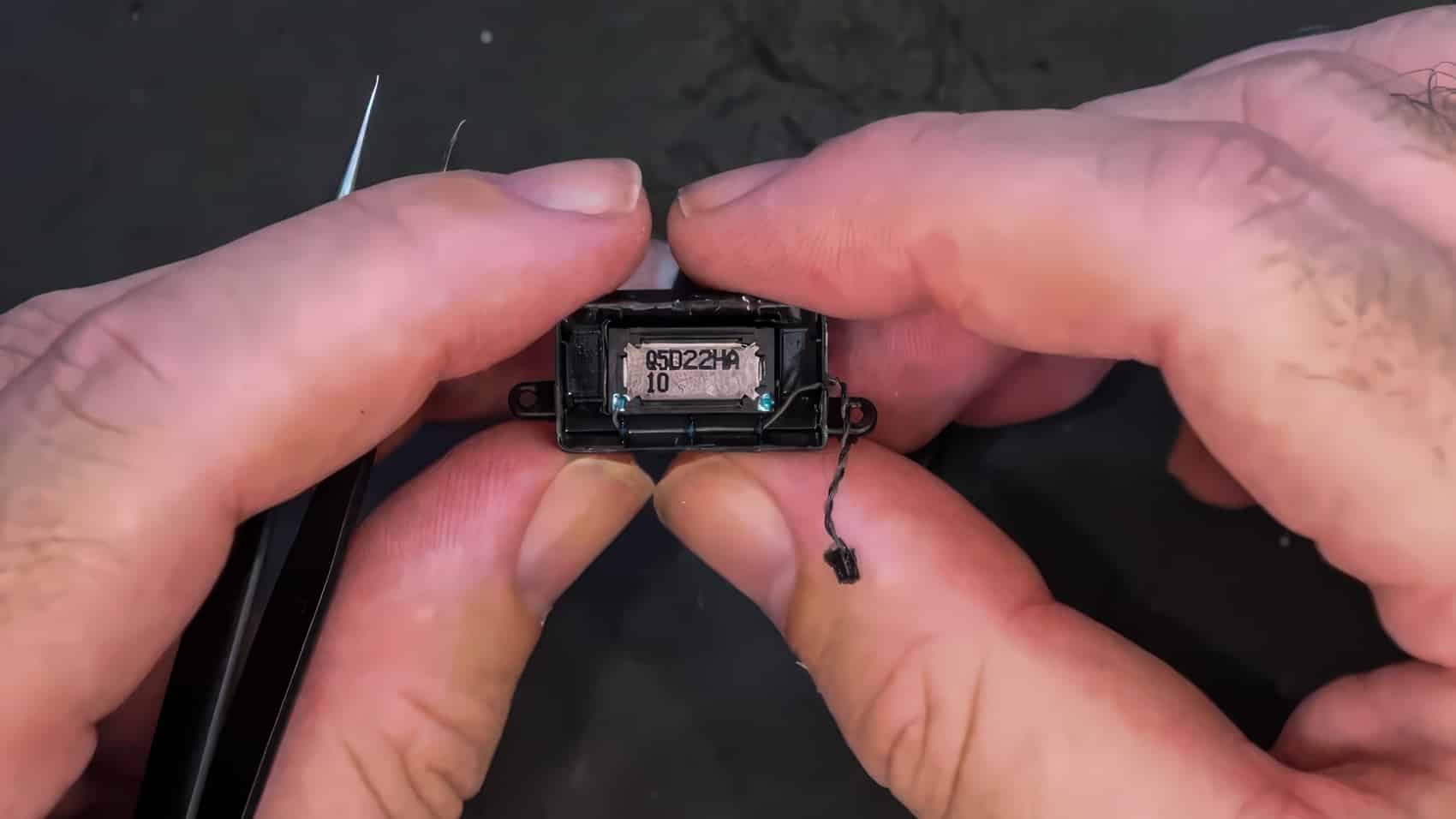
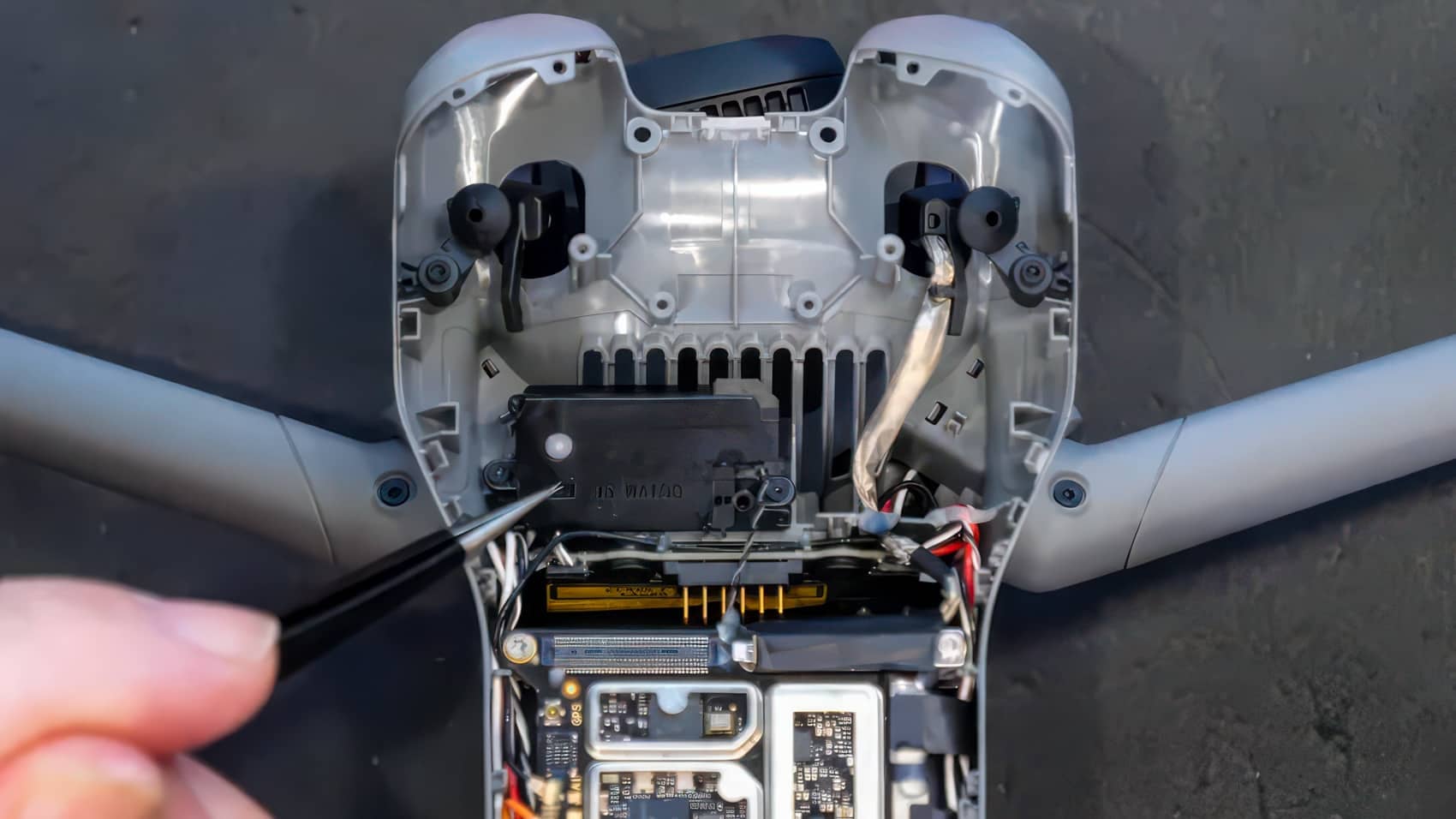
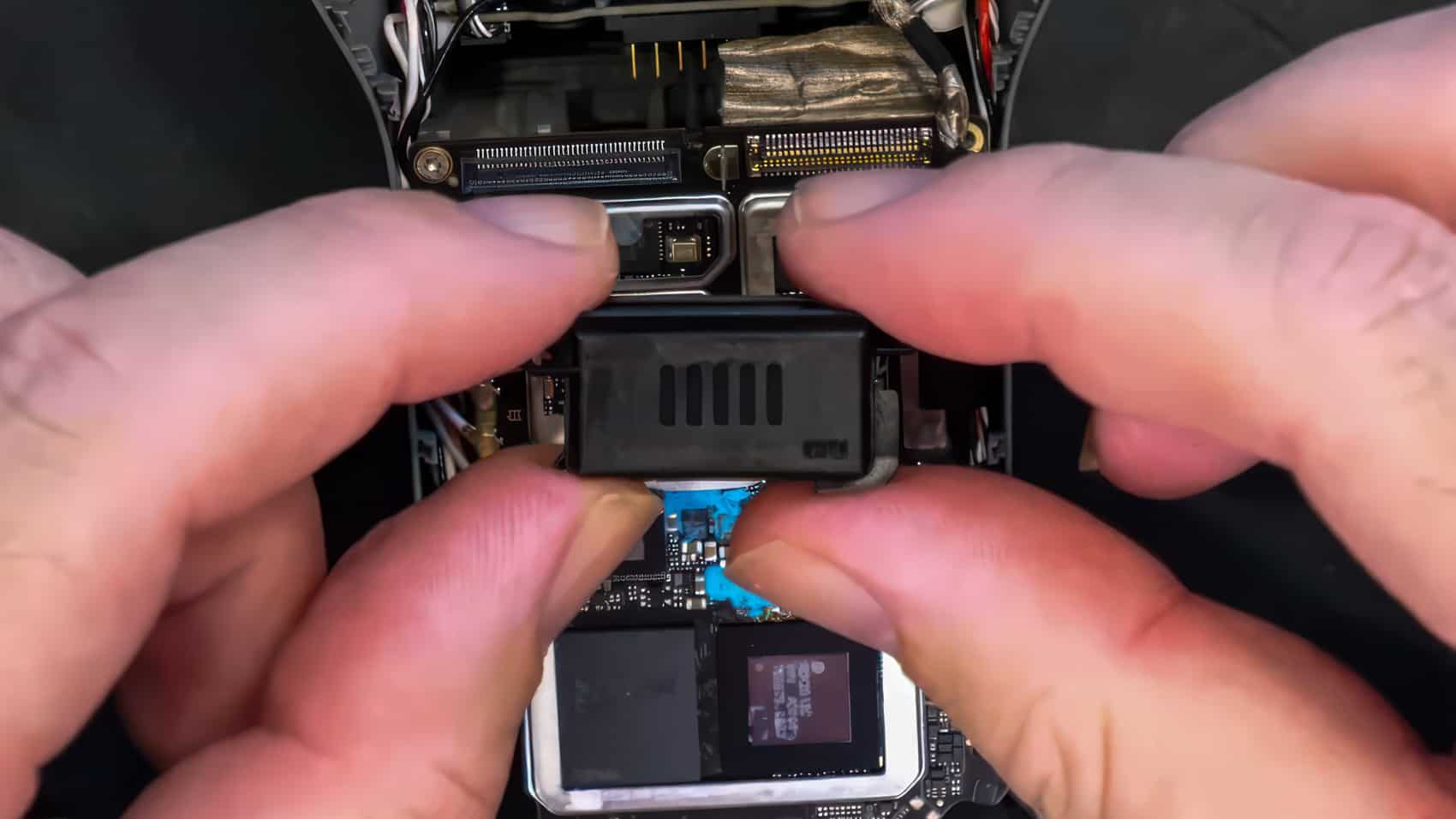
According to the source, “It was two last minute changes before production that ruined it. New style props +2g. And speaker +2 g. Had they not done those changes it would have been under.” The source emphasized the regulatory significance of these decisions: “To cover the mess, they posted the disclaimer of weight variance. No doubt, [the] one[s] that have been checked, have come in under 250 when using a calibrated scale.”
Why 250 Grams Matters So Much
The 250-gram threshold serves as a crucial regulatory boundary in virtually every major drone market worldwide. In the United States, the FAA requires registration and Remote ID compliance for all drones exceeding 0.55 pounds (approximately 250 grams) when flown recreationally. Sub-250g recreational drones avoid these requirements entirely, making them significantly more accessible to casual pilots.
The regulatory advantages extend far beyond simple registration. In Canada, drones under 250 grams qualify as “micro drones” and don’t require pilot certification or aircraft registration for typical operations. European regulations offer similar freedoms for C0-classified aircraft under 250 grams, allowing operation in populated areas with minimal restrictions.
For recreational pilots in the United States, staying under 250 grams means the difference between flying immediately out of the box versus completing registration paperwork, paying fees, broadcasting location data via Remote ID, and navigating more complex operational rules. The weight limit isn’t arbitrary—it represents a carefully calculated risk threshold based on kinetic energy calculations.
DJI’s Meticulous Weight-Saving Efforts Made It Worse
What makes these last-minute design changes particularly frustrating is the extraordinary effort DJI’s engineering team invested in weight reduction elsewhere on the aircraft. A community teardown revealed that DJI engineers used aluminum screws instead of steel, replaced traditional metal shielding with lightweight foil tape, and implemented a flexible GPS antenna to save every possible gram.
The Mini 5 Pro packs a 1-inch camera sensor, omnidirectional obstacle avoidance, LiDAR, and a 36-minute flight time into what was intended as a sub-250g package. These obsessive weight-saving measures throughout the aircraft make the decision to add grams for propellers and a speaker seem particularly puzzling.
DJI successfully delivered four previous generations of Mini drones under 250 grams—the original Mavic Mini, Mini SE, Mini 2, Mini 3 Pro, Mini 4K, and Mini 4 Pro all achieved true sub-250g status. The company built its entire Mini brand identity around this weight threshold, making the Mini 5 Pro’s failure to maintain it a significant marketing and engineering setback.
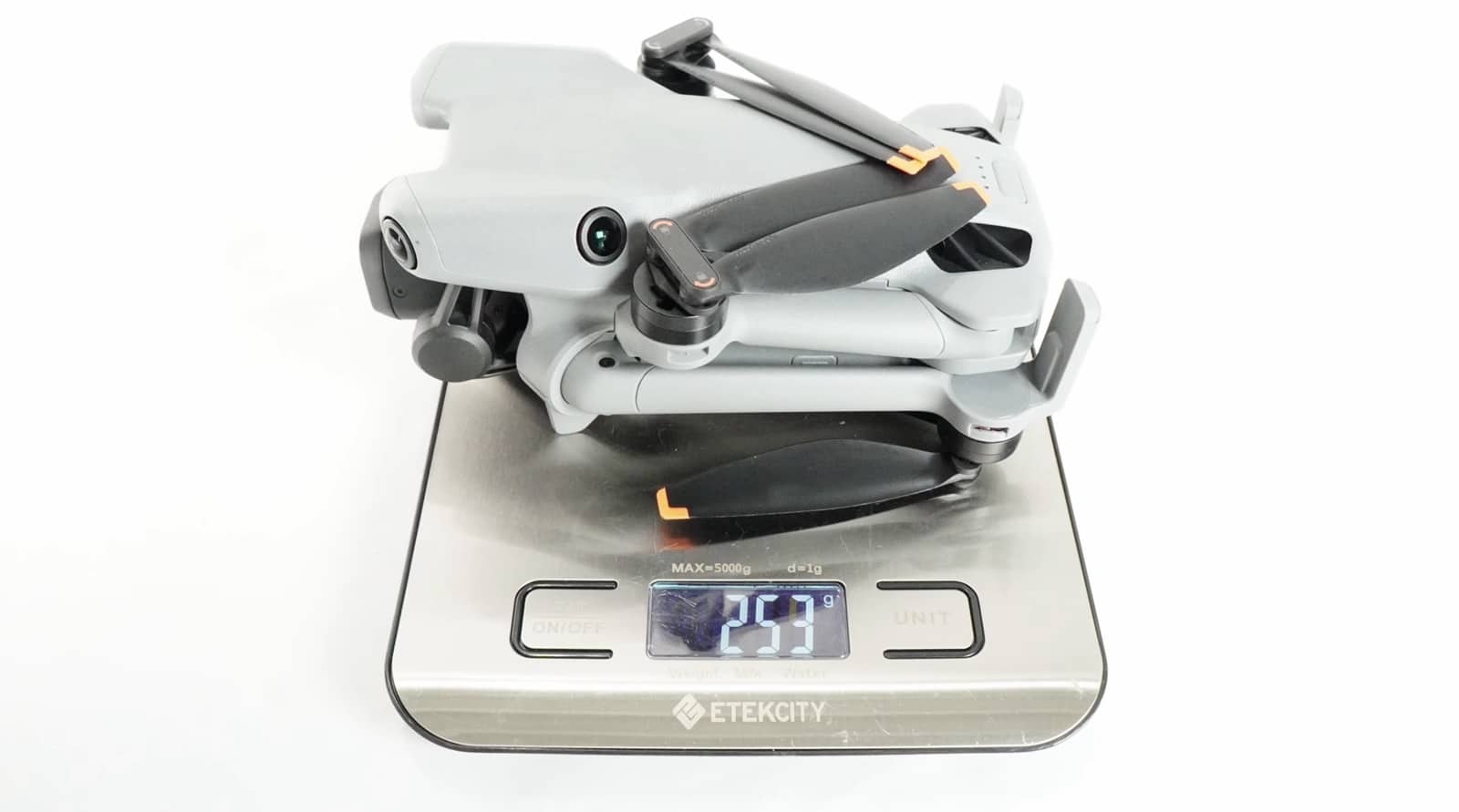
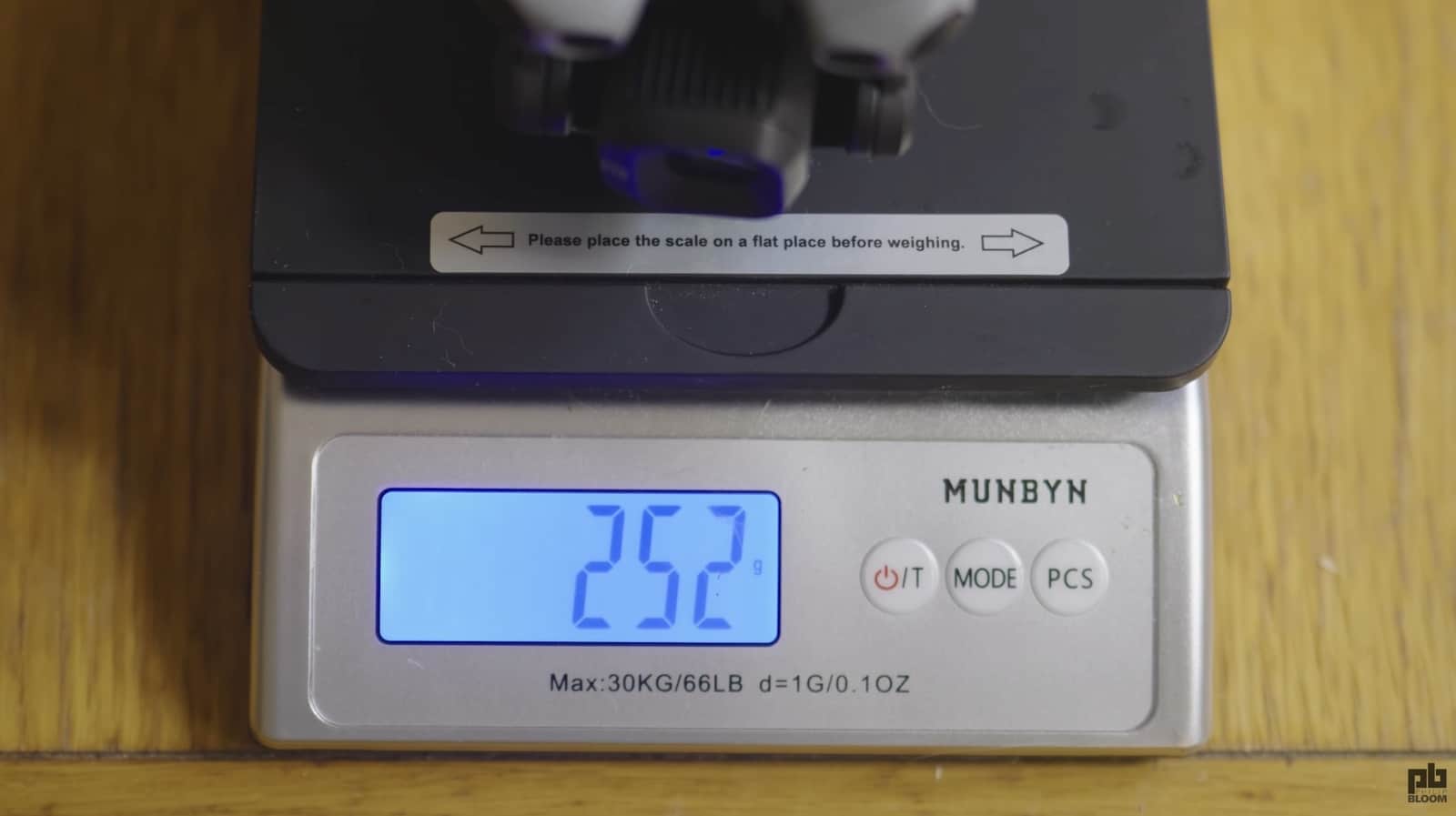
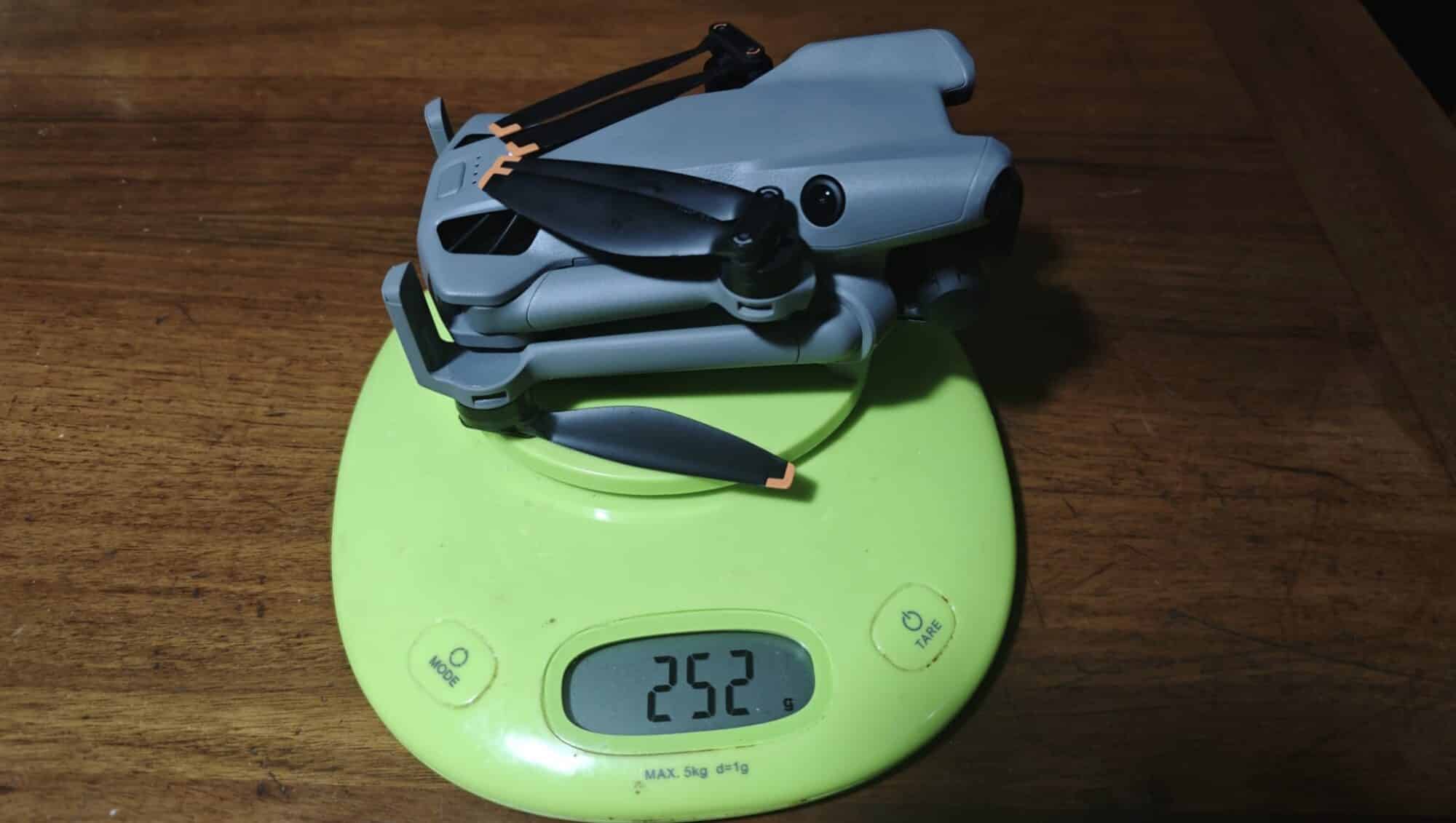
Global Regulatory Fallout
The weight variance has created a complicated patchwork of regulatory responses worldwide. Europe’s EASA confirmed the Mini 5 Pro retains C0 classification despite the weight variance, acknowledging a 3% manufacturing tolerance during certification. This pragmatic approach allows European pilots to operate the Mini 5 Pro under relaxed micro drone rules.
While many other jurisdictions have taken a stricter approach, the situation in Australia differs. CASA confirmed that the Mini 5 Pro only requires registration and accreditation when flown for commercial purposes or as part of one’s job—not for purely recreational flights. This contrasts with the United States, Canada, and the United Kingdom, which all require registration for Mini 5 Pro units exceeding 250 grams. Transport Canada has also stated that pilots are responsible for verifying their drone’s weight and must register and certify any unit at or above the 250-gram threshold.
The UK Civil Aviation Authority confirmed there are no weight tolerances in UK regulations. Looking ahead, UK pilots face even stricter requirements beginning January 1, 2026, when the registration threshold drops from 250 grams to just 100 grams.
What This Means For Mini 5 Pro Owners
For pilots who purchased the Mini 5 Pro expecting sub-250g compliance, the situation creates genuine uncertainty. The prudent approach is to weigh your specific unit with a calibrated scale. If it measures 250 grams or more, registration is required in most jurisdictions regardless of DJI’s marketing claims or manufacturing disclaimers.
The practical impact varies by pilot. Those already holding commercial certifications and flying larger drones won’t notice operational differences. But recreational flyers who specifically chose the Mini for regulatory advantages now face unexpected registration requirements, operational restrictions, and Remote ID compliance obligations.
DJI’s official response has been to market the drone as “near-250g” rather than explicitly claiming sub-250g status—a notable shift from previous Mini models that prominently advertised 249-gram weights. The company’s packaging also omits any mention of 250 grams, and units ship with both C0 and C1 certification documents, suggesting DJI anticipated the regulatory complications.
DroneXL’s Take
This shouldn’t have happened. DJI has successfully delivered four generations of Mini drones under the 250-gram limit, making the sub-250g category practically synonymous with the Mini brand. The revelation that two specific late-stage design changes pushed the Mini 5 Pro overweight adds a frustrating layer to a story we’ve been covering since the weight issue first emerged in September.
When we reported on the community teardown that revealed the speaker component, the reaction was a mix of disbelief and dark humor. Imagine being the engineer who spent months figuring out how to save 0.1 grams by replacing metal components with foil tape, only to watch another team add a speaker to play a three-second jingle. The engineering genius displayed throughout the Mini 5 Pro makes these last-minute decisions feel like an own goal.
The propeller change is more defensible—the new quick-release system genuinely improves the user experience by eliminating the need for a screwdriver during field repairs. But combined with the speaker upgrade, these changes crossed a line that DJI spent years establishing as sacrosanct. There’s even a Japanese version of the Mini series that weighs less than 100 grams, and the DJI Neo comes in at exactly 135 grams without any tolerance disclaimers, proving the company can hit precise weight targets when they prioritize it.
The regulatory fragmentation that followed has been predictable but frustrating. Europe’s pragmatic 3% tolerance acknowledges manufacturing realities while maintaining safety standards. Meanwhile, the FAA’s absolutist approach treats 250.1 grams as a regulatory violation, creating compliance uncertainty for pilots who reasonably expected sub-250g performance based on DJI’s marketing.
Looking forward, the question is whether DJI will engineer a true sub-250g Mini for their next iteration—perhaps with a lighter battery sacrificing some flight time, or simply removing the speaker that’s caused so much grief. The company proved they can build incredible sub-250g drones for four consecutive generations. They just need to stop undermining their own engineering excellence with questionable last-minute decisions.
What’s your experience with Mini 5 Pro weight measurements? Have you registered your unit, or are you flying under local tolerances? Share your thoughts in the comments below.


