
Legal · Counter-Drone
Houston's Counter-Drone Policy: Federal Rule Covers Jammers, Not Radar
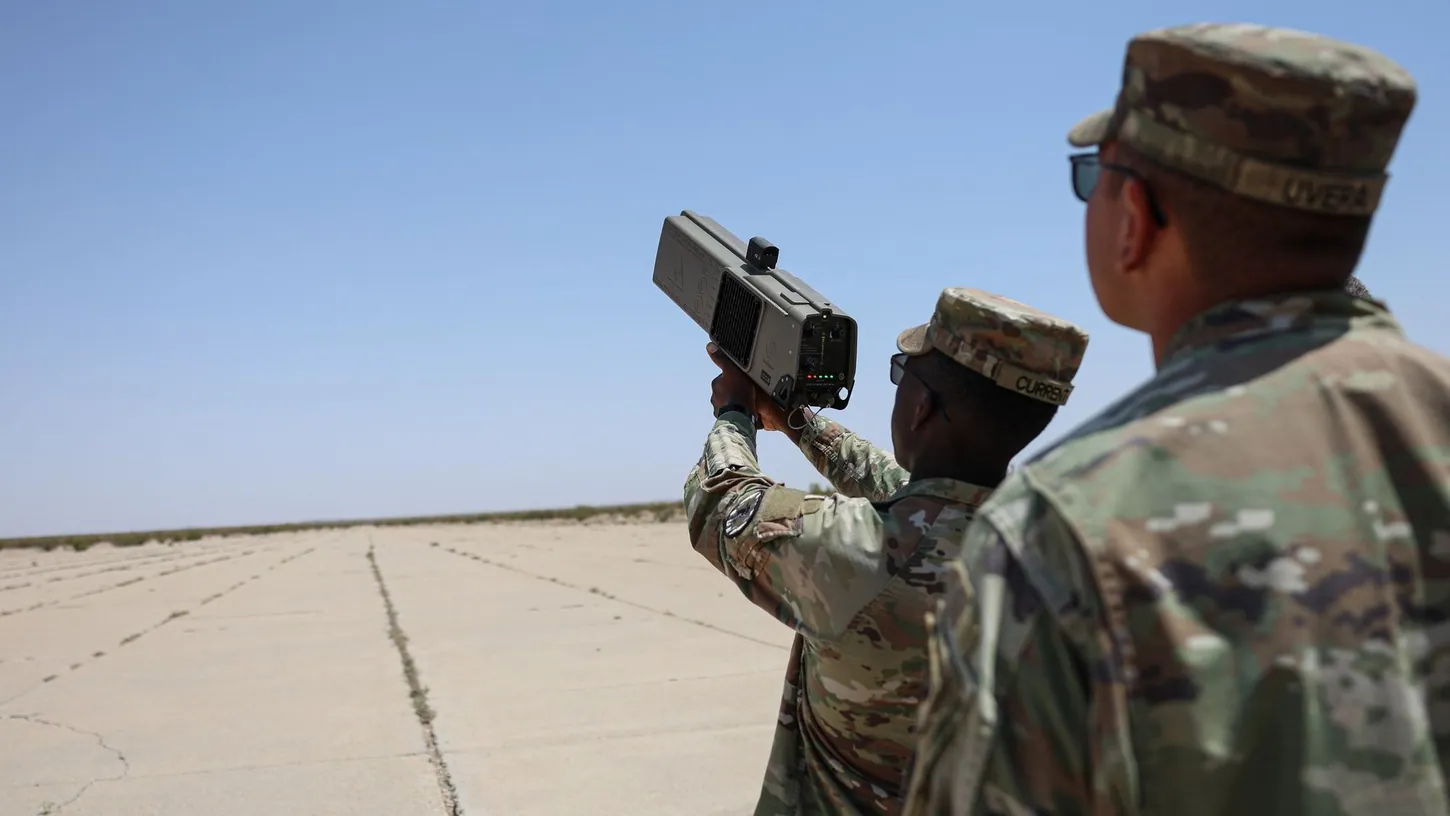
FEMA counter-drone grant bids are due November 16. A federal rule dictates what Houston's unwritten policy must say, and it exempts radar and cameras.
Lawsuits, bans, privacy fights, and the case law being written around drones.
Drone law is not one rulebook, it is three layers that frequently disagree: FAA rules governing the airspace, state and local ordinances governing everything on the ground, and court cases deciding where the two conflict. This desk tracks all three.
The trend across every layer is the same direction. Washington state’s commercial drone fee jumped tenfold to $150 after a jet-fuel tax repeal — state and local governments increasingly treating drones as a revenue category, not just an airspace question. At the federal level, the FAA’s DETER program has shortened the path from a reported violation to a real penalty, a genuine increase in enforcement capacity rather than a change in posture.
Major rulemaking keeps moving too: the FAA cleared drone delivery’s environmental path nationwide, overriding objections from sixteen state attorneys general — the kind of federal-versus-state friction that defines this beat. Press-freedom groups have pushed back on other fronts: NPPA told the FAA its Section 2209 rule ignores newsgathering, and drone pilots are already contesting the draft.
Related desks: the FAA hub for federal rulemaking specifically, and counter-drone technology for the legal fight over who can jam or disable a drone. Every drone law story lands in the feed below.
Last updated November 16, 2026 — the feed below updates with every new story.
FEMA counter-drone grant bids are due November 16. A federal rule dictates what Houston's unwritten policy must say, and it exempts radar and cameras.
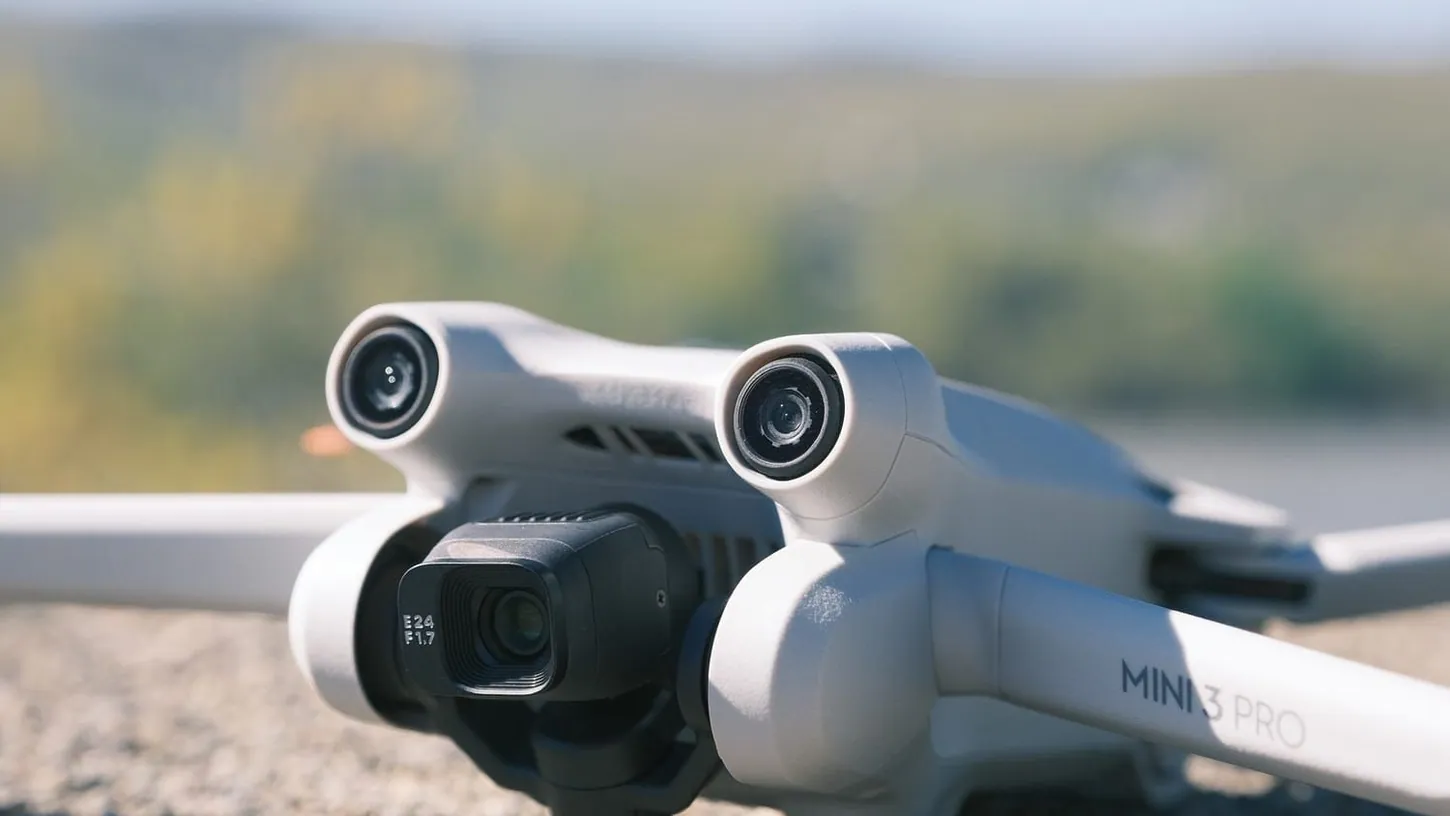
DJI asked the Ninth Circuit to order the FCC to rule on its ban petition. The FCC and DOJ replied that the request proves DJI's lawsuit must be dismissed.
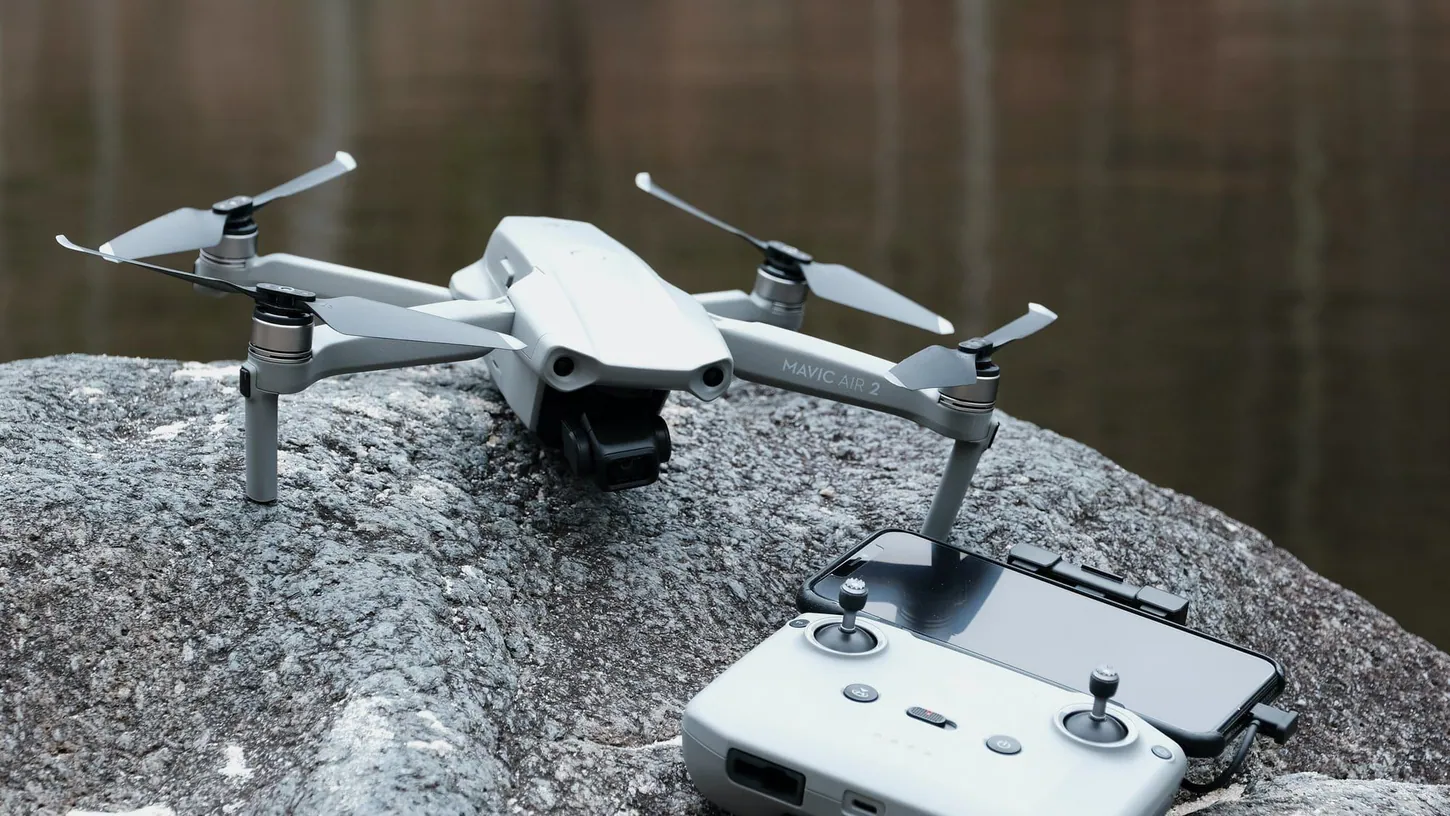
Beijing's drone ownership ban took effect Nov. 15. The buyback has closed, registration is void, and police detained two pilots for flying on Oct. 1.

A rights group says a kamikaze drone killed Cité Soleil gang boss Mathias Saintil. Police say gunfire did. Why the gap matters after 2,000 strikes.

TSA's 46-word 'drone' post says a no drone zone flight near an airport can cost hundreds of thousands. The FAA got there four times, never for one flight.
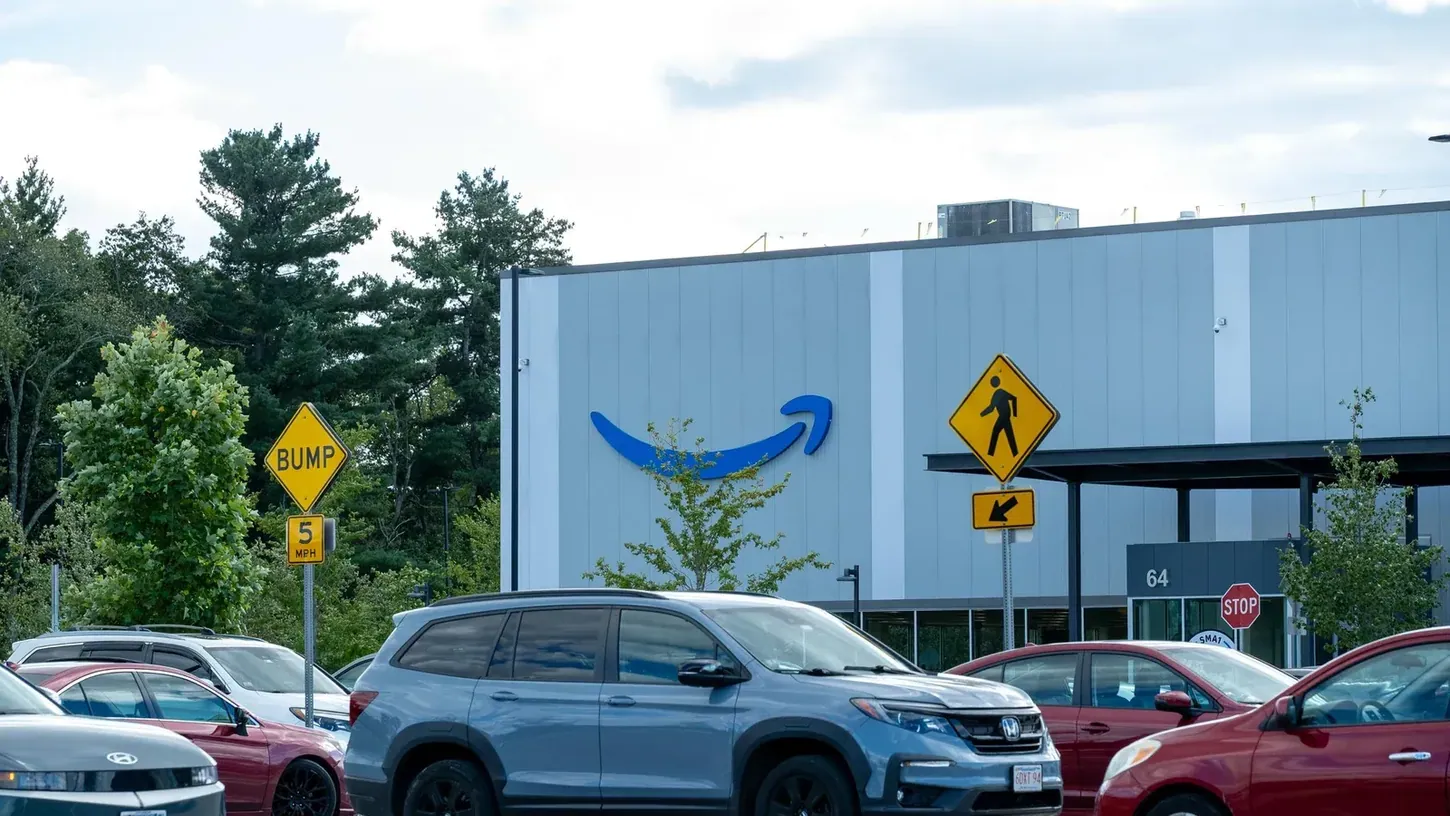
Westborough's building commissioner vacated the August ruling behind Amazon's drone pad. Any revised Prime Air plan now needs a new zoning review.

A federal judge found the US Navy treated Saildrone unfairly in its $2.1 billion drone boat competition and froze $600 million until a new review.
A Beijing airport drone check in Friedman's NYT column enforces a city ban on bringing drones in, transit included, that widens to owning one Nov. 15.
Three layers that do not always agree: FAA rules govern the airspace itself and preempt most local attempts to regulate flight paths; states and cities regulate takeoff and landing, privacy, and increasingly impose their own fees and licensing; and court cases decide the boundaries between the two when they conflict.
In most places, yes, and quickly. A commercial drone fee jumping tenfold in Washington state after a jet-fuel tax repeal is a recent example of the trend: state and local governments are treating drones as a new revenue and enforcement category rather than settling into a fixed rulebook.
The DETER program has measurably shortened the road from a reported violation to an actual penalty, and real criminal cases are following. That is a change in enforcement capacity, not just posture.
One email with the drone news that matters — DJI, FAA, public safety, and everything in between, straight from the newsroom. No spam, no fluff.