
Oklahoma Drones Drop Poison Pellets to Kill Invasive Cedar Trees

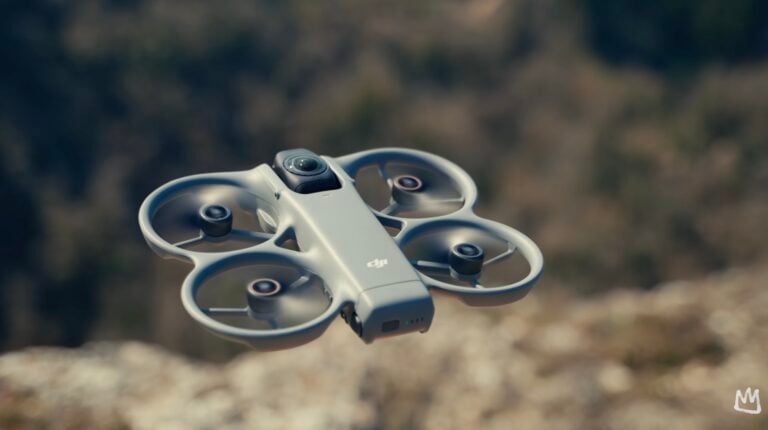
Check out the Best Deals on Amazon for DJI Drones today!
Oklahoma has a slow-motion wildfire crisis growing one tree at a time. Drones dropping herbicide pellets tree by tree may be the most cost-effective answer anyone has found yet, as reported by KOSU.
The Tree That Is Eating Oklahoma
Eastern redcedars are winning.
By 1950, they had invaded 1.5 million acres of Oklahoma. By 1985 that number had grown to 3.5 million acres. Today, 8 million acres of Oklahoma land carry at least 50 cedars per acre, and the trees are spreading at roughly 40 square miles per year. In northwest Oklahoma alone, cedar coverage increased 652% between 1950 and 1985.
This is not a minor nuisance. It is a compounding ecological and economic crisis that is reshaping the state.
A single mature redcedar drinks up to 30 gallons of water per day. One acre of cedars can consume 55,000 gallons annually, draining ponds, dropping aquifer levels, and stripping water from surrounding grassland.

Photo credit: Grass Ag
The trees displace native wildlife habitat, reduce forage production for livestock, generate dangerous levels of allergy-causing pollen, and create the conditions for catastrophic wildfire.
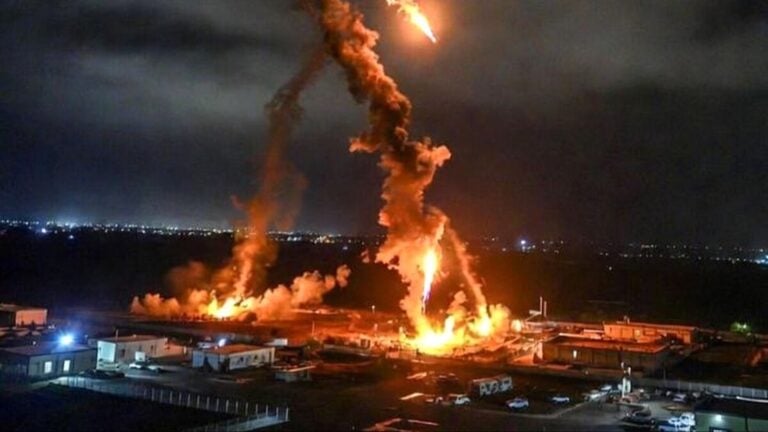
Their branches grow close to the ground, the foliage holds oils that ignite intensely, and their canopy structure makes them what fire managers call a ladder fuel: flames climb from ground level to crown level and then leap to rooftops and neighboring trees. Last week’s wildfires in Woodward, Oklahoma torched hundreds of thousands of acres, and people on the ground reported the worst burns erupting in cedar-heavy areas.
Trey Lam, executive director of the Oklahoma Conservation Commission, calls the crisis the next Dust Bowl. The original Dust Bowl destroyed the land with wind and drought. Redcedars are destroying it one tree at a time, and they are doing it quietly enough that most people do not notice until the wildfire arrives.
Drones at a Dollar a Tree
Enter Grass Ag, a company based in Blanchard, Oklahoma, with a straightforward pitch.
A drone hovers over a cedar tree and drops a small herbicide pellet precisely onto the plant. The pellet kills it. Move to the next tree. Repeat across hundreds of acres.
Levi Wilson, president of Grass Ag, puts the cost at roughly $1 to $3 per tree depending on size. That sounds small until you multiply it by the density of a cedar-invaded rangeland, which can run 200 trees per acre or more.

But compared to mechanical removal, which requires heavy equipment, fuel, labor, and significant soil disturbance, drone-based treatment is dramatically cheaper per acre and far less disruptive to surrounding vegetation.
The system first uses drones to scan and map the land, identifying and geolocating each cedar tree. Then a second pass drops the herbicide pellet with precision targeting. Wilson is careful about the chemistry.

The pellet delivers a small, concentrated dose directly to the target plant with minimal environmental spread. The precision is the point: hit the tree, leave everything else alone.
Grass Ag has formally treated about 500 acres so far. The technology is young but the concept is being taken seriously at the highest levels of Oklahoma’s conservation infrastructure.

The Oklahoma Conservation Commission will use the Grass Ag method as part of the Terry Peach North Canadian Restoration Project to test its efficacy against other removal techniques.
The Legislative Push Behind the Drones
Rep. Mike Dobrinski, a Republican from Okeene, was in the crowd watching the demonstration in Blanchard. He has spent years trying to move the legislature toward treating the cedar crisis as the emergency it is.
House Bill 2988, which he authored, would create an income tax credit for landowners who remove harmful woody species through a qualified stewardship practice approved by the Oklahoma Conservation Commission.
Legislative analysts estimate the bill would cost around $3 million to enact. It unanimously passed the House Appropriations and Budget Natural Resources Subcommittee last week and Dobrinski is now pushing for it to become a gubernatorial priority under Gov. Kevin Stitt.
The economic logic is straightforward. Every year Oklahoma waits, the problem gets more expensive. Mechanical removal becomes less viable as trees mature and density increases. Prescribed burns become riskier as cedars encroach closer to homes and infrastructure. The cost of doing nothing compounds faster than the cost of acting.
Lam put it plainly: if Oklahoma does not start addressing the invasion now, the next generation will pay a price that is larger in every dimension. More expensive to treat, more damage done, less agricultural viability left.
At a dollar a tree, the drones are the cheapest option on the table.
DroneXL’s Take
I want to be honest about why this story resonates with me beyond the technology.
Most drone coverage is about speed. Faster response times, faster delivery, faster surveillance. This story is about patience. Redcedars have been advancing across Oklahoma for over 70 years. The solution is not dramatic. It is methodical.
One drone, one tree, one pellet, one dead cedar. Multiply that across eight million acres and you start to understand the scale of what conservation actually requires.
Here is what strikes me as genuinely innovative. Precision agriculture drones have been dropping herbicide on crops for years. What Grass Ag is doing is applying that same logic to invasive species management at the individual plant level.
Not broadcast spraying. Not prescribed burning. Not chainsaw crews. Targeted, autonomous, tree-by-tree treatment that leaves the surrounding ecosystem untouched.
The honest part is that 500 acres is a very small number against 8 million. Getting from proof of concept to meaningful scale requires funding, regulatory frameworks for autonomous chemical application flights, and political will to treat this as the infrastructure-level problem it actually is. House Bill 2988 is a step. One step toward a problem that has been growing for seven decades.
The drones are ready. Oklahoma needs to decide if it is.
Photo credit: Grass Ag
Discover more from DroneXL.co
Subscribe to get the latest posts sent to your email.
Check out our Classic Line of T-Shirts, Polos, Hoodies and more in our new store today!

MAKE YOUR VOICE HEARD
Proposed legislation threatens your ability to use drones for fun, work, and safety. The Drone Advocacy Alliance is fighting to ensure your voice is heard in these critical policy discussions.Join us and tell your elected officials to protect your right to fly.

Get your Part 107 Certificate
Pass the Part 107 test and take to the skies with the Pilot Institute. We have helped thousands of people become airplane and commercial drone pilots. Our courses are designed by industry experts to help you pass FAA tests and achieve your dreams.

Copyright © DroneXL.co 2026. All rights reserved. The content, images, and intellectual property on this website are protected by copyright law. Reproduction or distribution of any material without prior written permission from DroneXL.co is strictly prohibited. For permissions and inquiries, please contact us first. DroneXL.co is a proud partner of the Drone Advocacy Alliance. Be sure to check out DroneXL's sister site, EVXL.co, for all the latest news on electric vehicles.
FTC: DroneXL.co is an Amazon Associate and uses affiliate links that can generate income from qualifying purchases. We do not sell, share, rent out, or spam your email.









If you say something loud enough it eventually becomes truth. Yes, juniper can become a range problem if it is becomes a monoculture. But painting it as the absolute demon to be eliminated is not good for range ecology either. I hope they have good biologist overseeing how these juniper control projects are done. Juniper can be as much as 60% of a mule deers winter diet. It is 6-8% crude protein. And it is extremely important as thermal cover for them in the wintertime. Dense juniper stands can reduce thermal impact as much as 20º in cold weather. It also provides dry ground for bedding which further reduces the impact of cold weather on wintering deer. Recommendations for juniper control is to treat 150 foot (no more than 300 foot) corridors in the trees with 3 to 5 acre islands all joined by with lanes of juniper for travel. The problem with over removal of juniper is… if you want it back it takes 30 years to grow a usable tree. If you eliminate the juniper in huge open acreages, you eliminate the mule deer.
Brad, this is exactly the kind of comment we need more of in this conversation. You are absolutely right, and the nuance you are bringing is something the press release framing of this story glosses over entirely. Blanket elimination is not the goal and should not be.
The corridor treatment model you describe is precisely the kind of ecologically informed approach that separates good land management from scorched-earth thinking.
The mule deer winter diet figure is something I was not aware of when writing this piece and it reframes the stakes considerably. If you eliminate the juniper from large open acreages, you are not just changing the landscape. You are removing thermal cover, dry bedding ground, and up to 60% of a mule deer’s winter food source. And yep, you cannot get it back for 30 years.
The drone technology itself is neutral. It is only as smart as the biologists directing it. That is the question worth asking Grass Ag and the Oklahoma Conservation Commission directly: who is designing the treatment maps, and are they drawing corridors or drawing bulls-eyes?
Would love to hear more about your background with range ecology if you are willing to share.