Green Berets Learn to Build, Break, and Fix Drones at Fort Carson
Check out the Best Deals on Amazon for DJI Drones today!
Three weeks. Soldering irons, tactical ranges, and high winds over Colorado. The 10th Special Forces Group just graduated its latest class of drone operators. These ones can also repair what they fly.
Three Weeks on the Range and in the Classroom
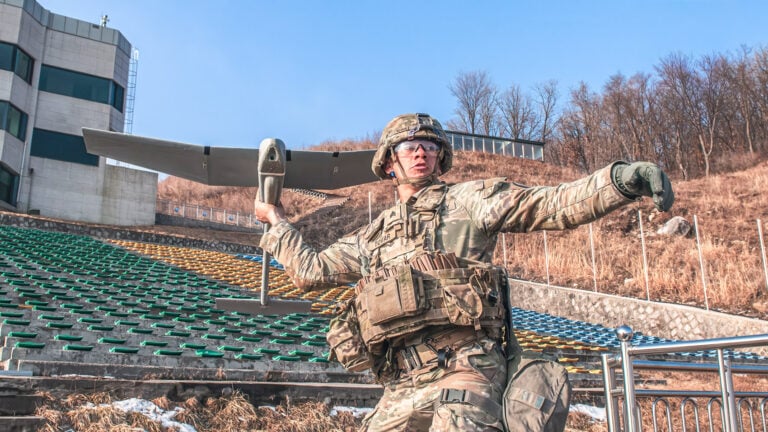
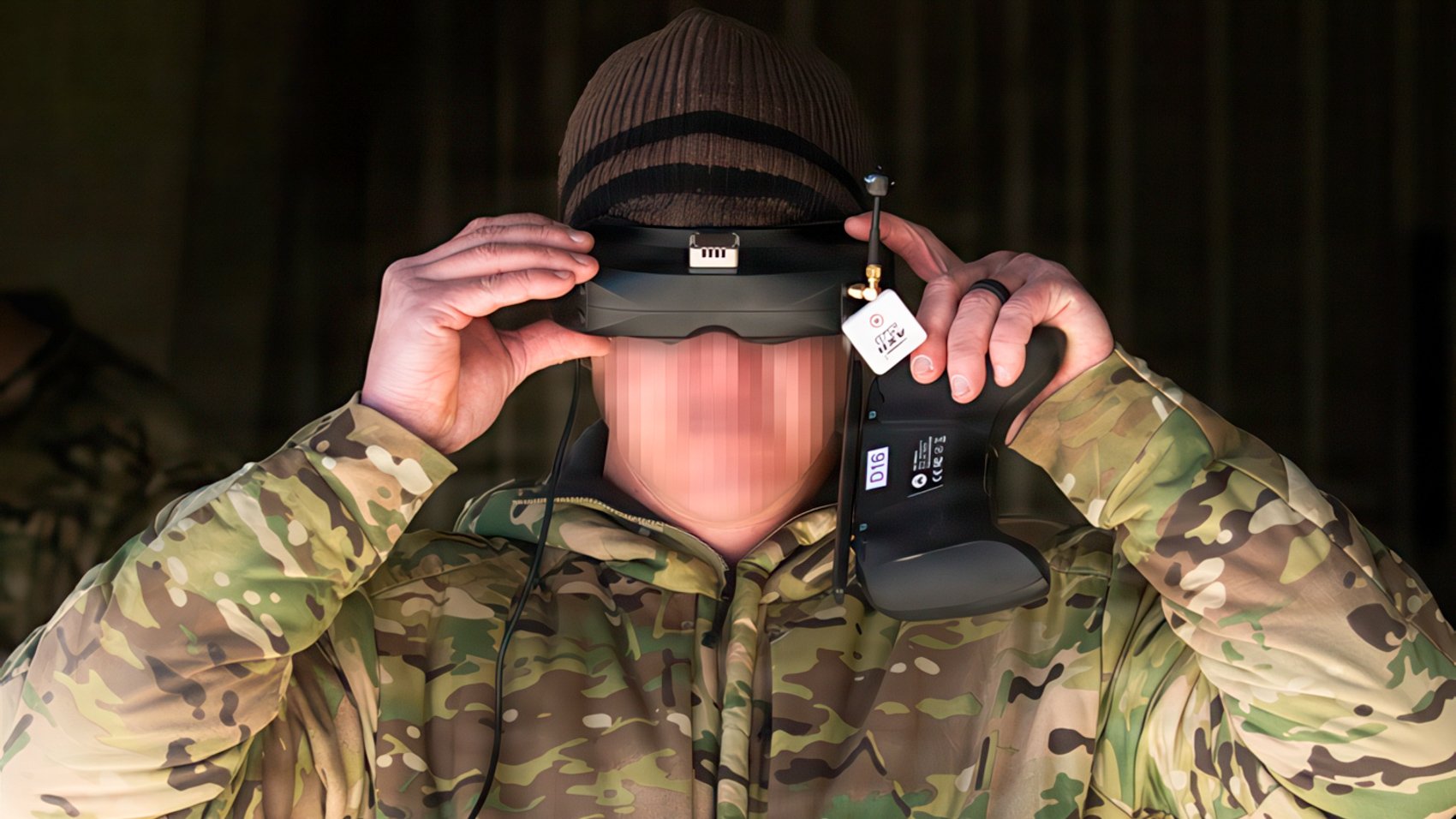
From February 9 through February 27, Green Berets from the 10th Special Forces Group (Airborne) completed an Advanced Drone Course at Fort Carson, Colorado, as The U.S. Army reported. The course was led by instructors from 4th Battalion, 10th Special Forces Group, and brought together Special Forces soldiers alongside one soldier from the 4th Infantry Division.
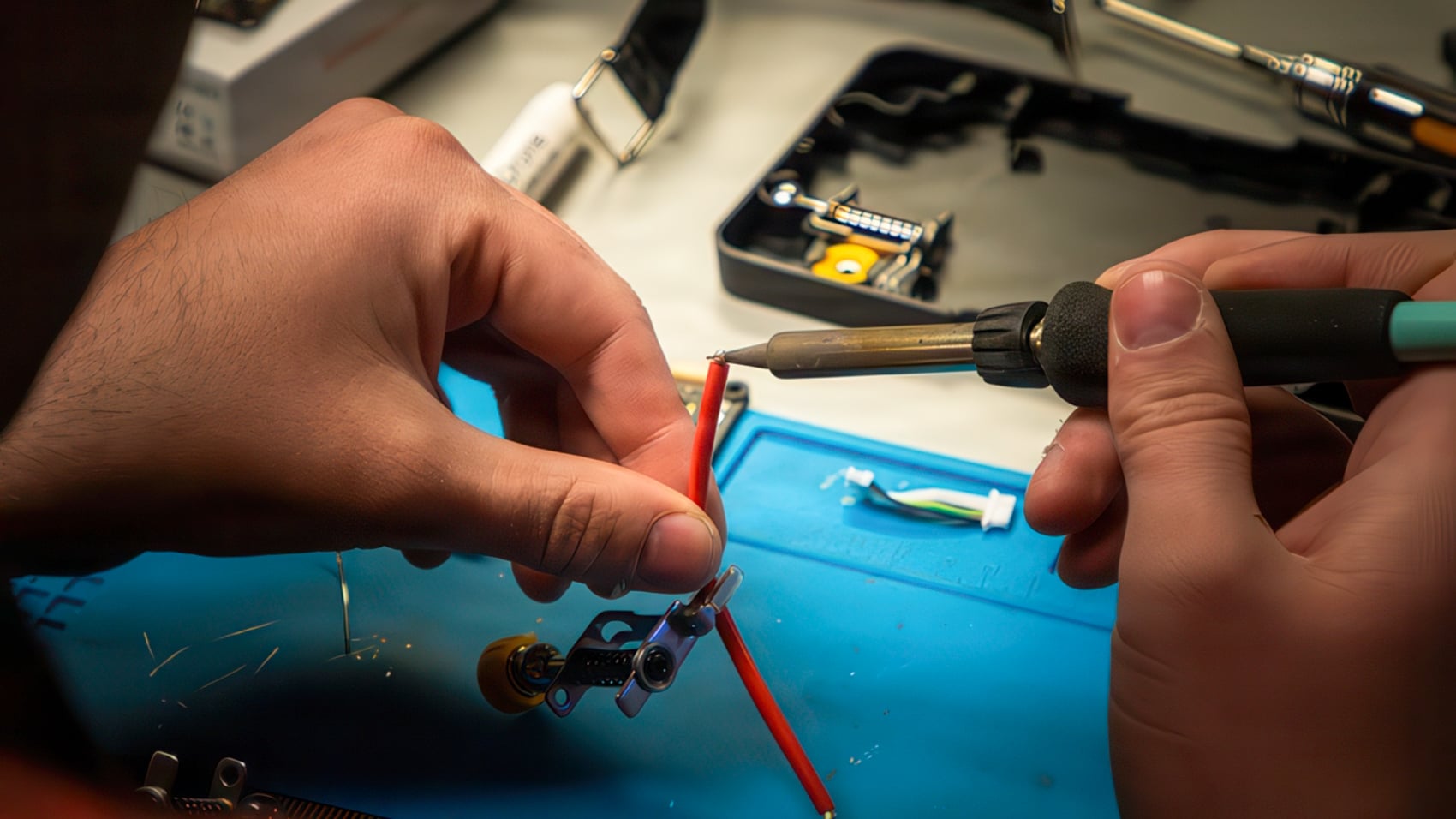
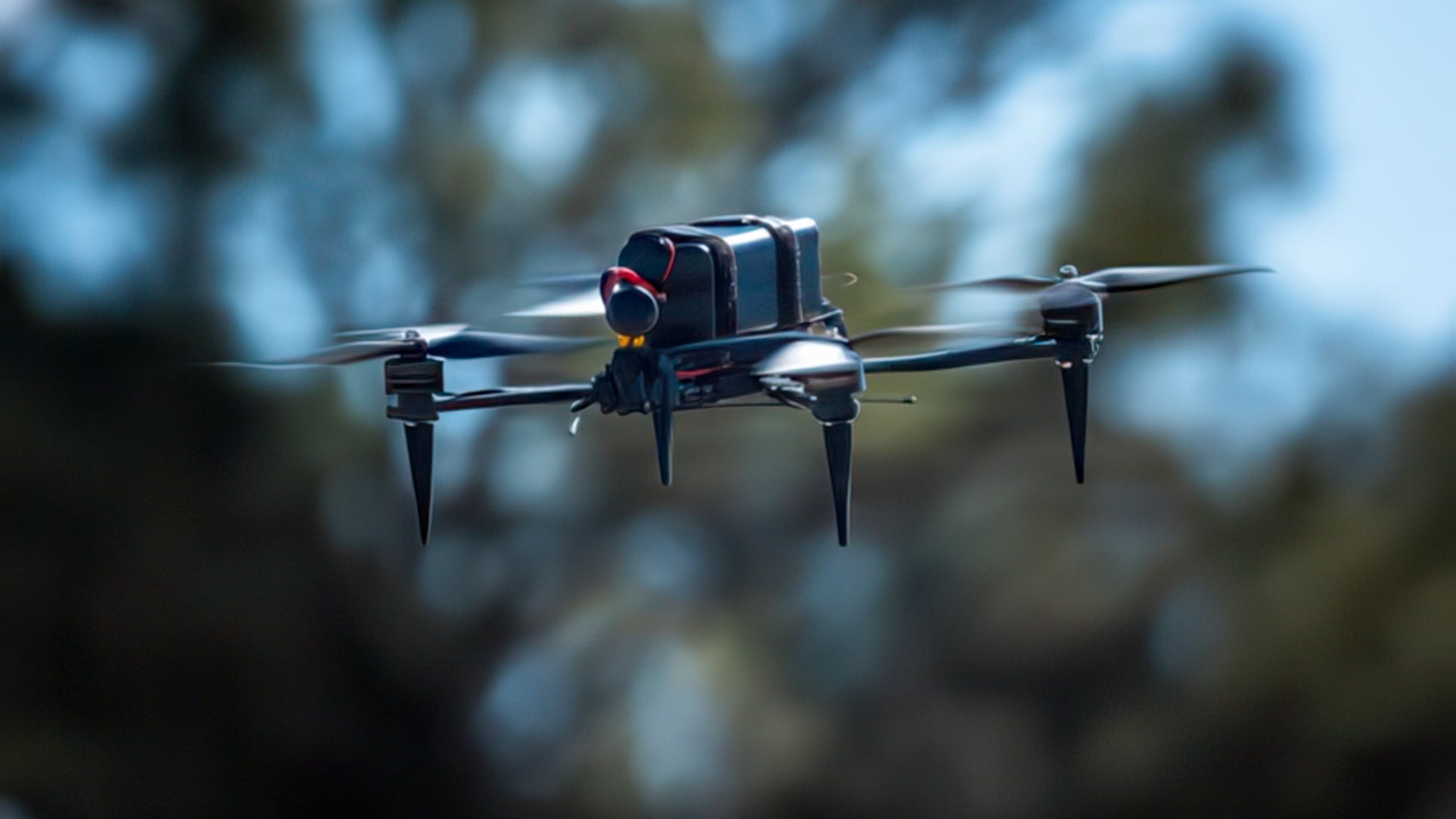
The training ran across three demanding weeks split between classroom instruction and live exercises on multiple tactical ranges. High winds tore across the range throughout the training period. Tumbleweeds, debris, swirling gusts.
The drones flew anyway, locked on course and unmoved by the conditions. That is the point of training in Colorado in February rather than waiting for a calm spring afternoon.
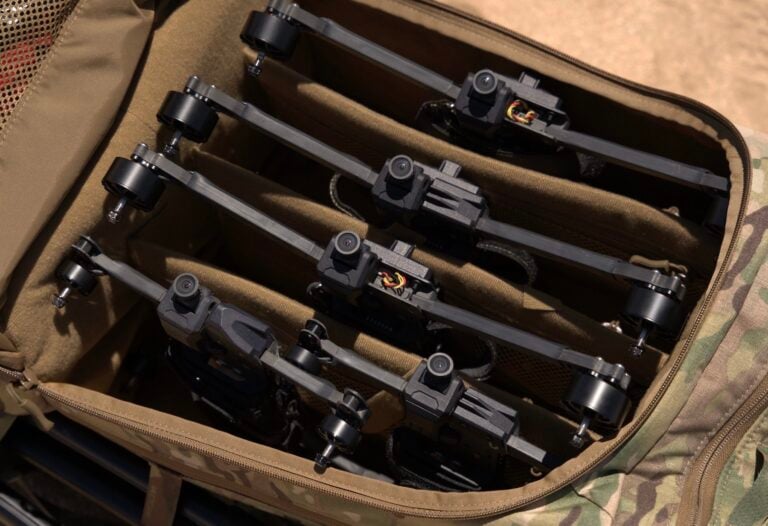
The curriculum covered soldering, assembly, programming, and piloting of small unmanned aerial systems. Graduates leave the course capable of independently maintaining and repairing their systems in austere environments, which means without a supply chain, without a tech support line, and without the option to wait.
The Mindset Behind the Training
The M4 comparison made by one of the course instructors from 4th Battalion is the clearest possible articulation of where the Army wants drone proficiency to sit.
If your M4 jams, you do not stop. You find a solution. The same mindset applies to drones. Soldiers need to perform basic repairs and keep the mission moving.
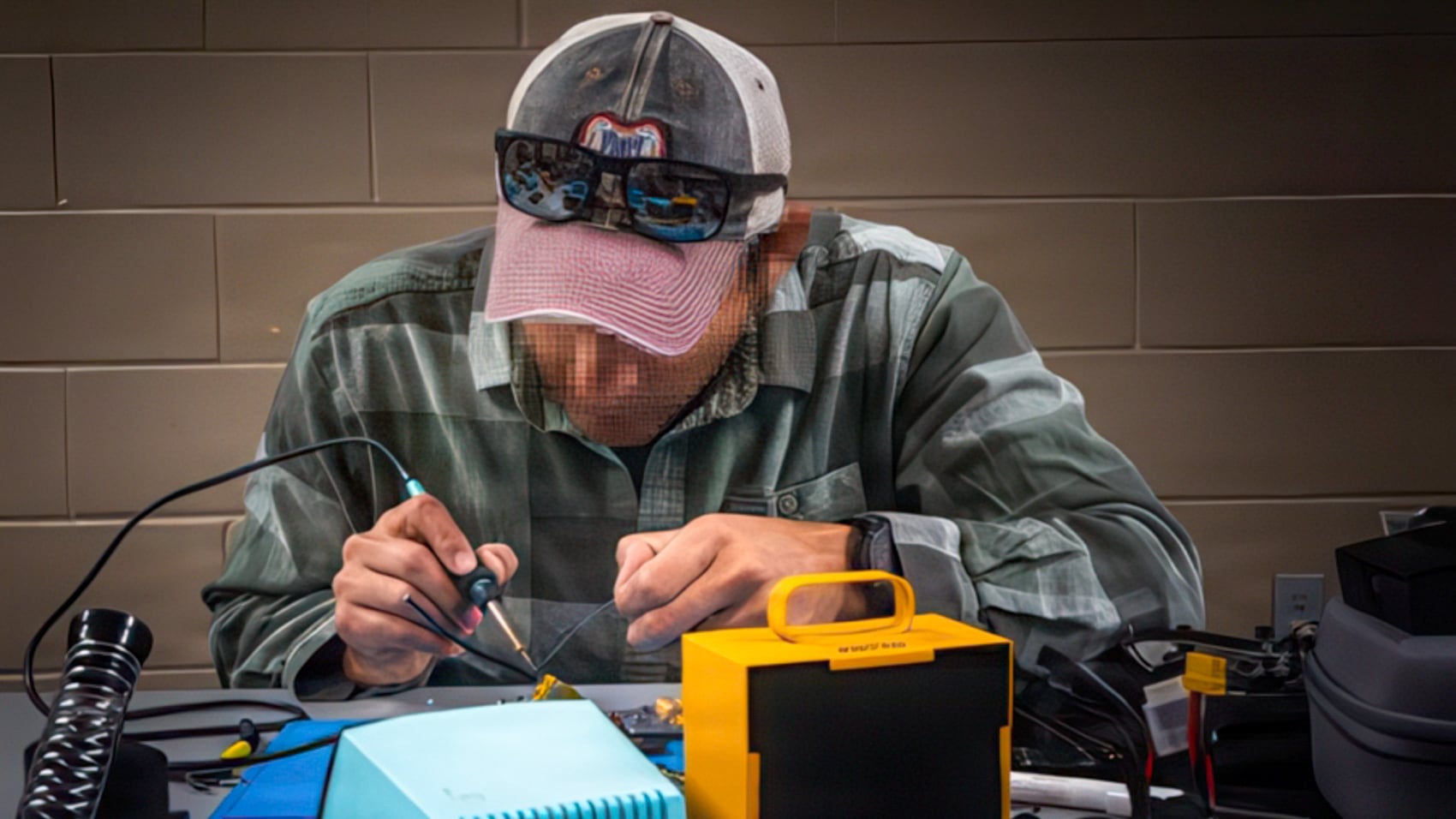
That is not a metaphor. It is a maintenance standard. If a motor burns out in the field, a graduate of this course can re-solder a replacement, restore the aircraft, and continue the mission without evacuating the platform to a maintenance depot.
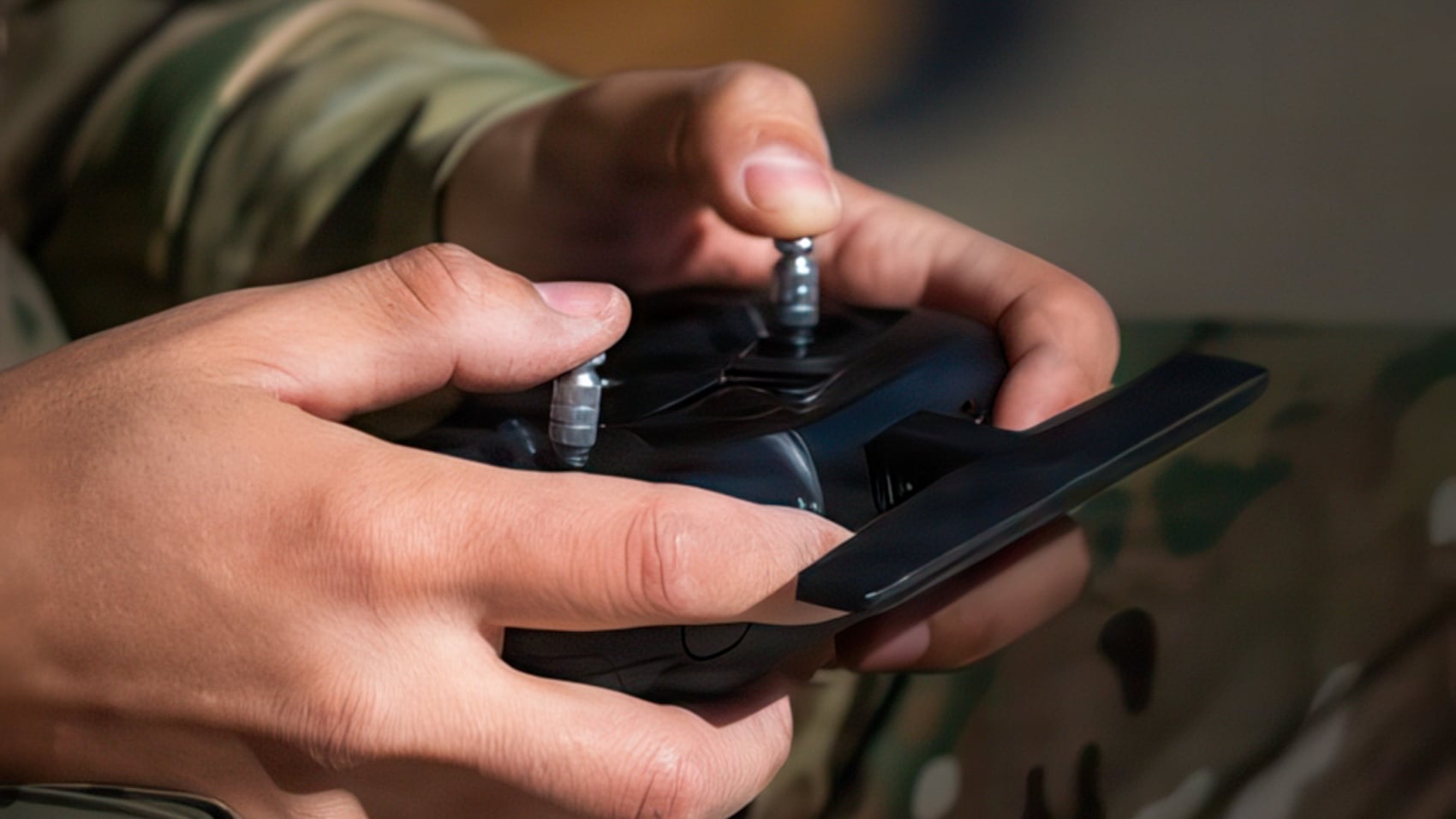
That capability matters enormously in the kind of remote, denied-access environments where Special Forces operate. A drone that cannot be fixed on site is a drone that becomes a liability after its first malfunction.
Sgt. 1st Class Jovani Vasquez of the 4th Combat Aviation Brigade framed the strategic reality around the training. Adversaries already know what drones can do. Enemy forces and terrorist organizations are actively using this technology. The training is not about getting ahead of a future threat. It is about keeping pace with a present one.
What the Course Actually Builds
The Advanced Drone Course is designed around three overlapping competencies that most military drone programs treat separately.
The first is technical. Soldiers learn to solder, assemble, and program the platforms from component level. They are not just learning to operate a finished product. They are learning how the finished product is built, which means they understand what breaks, why it breaks, and how to fix it.
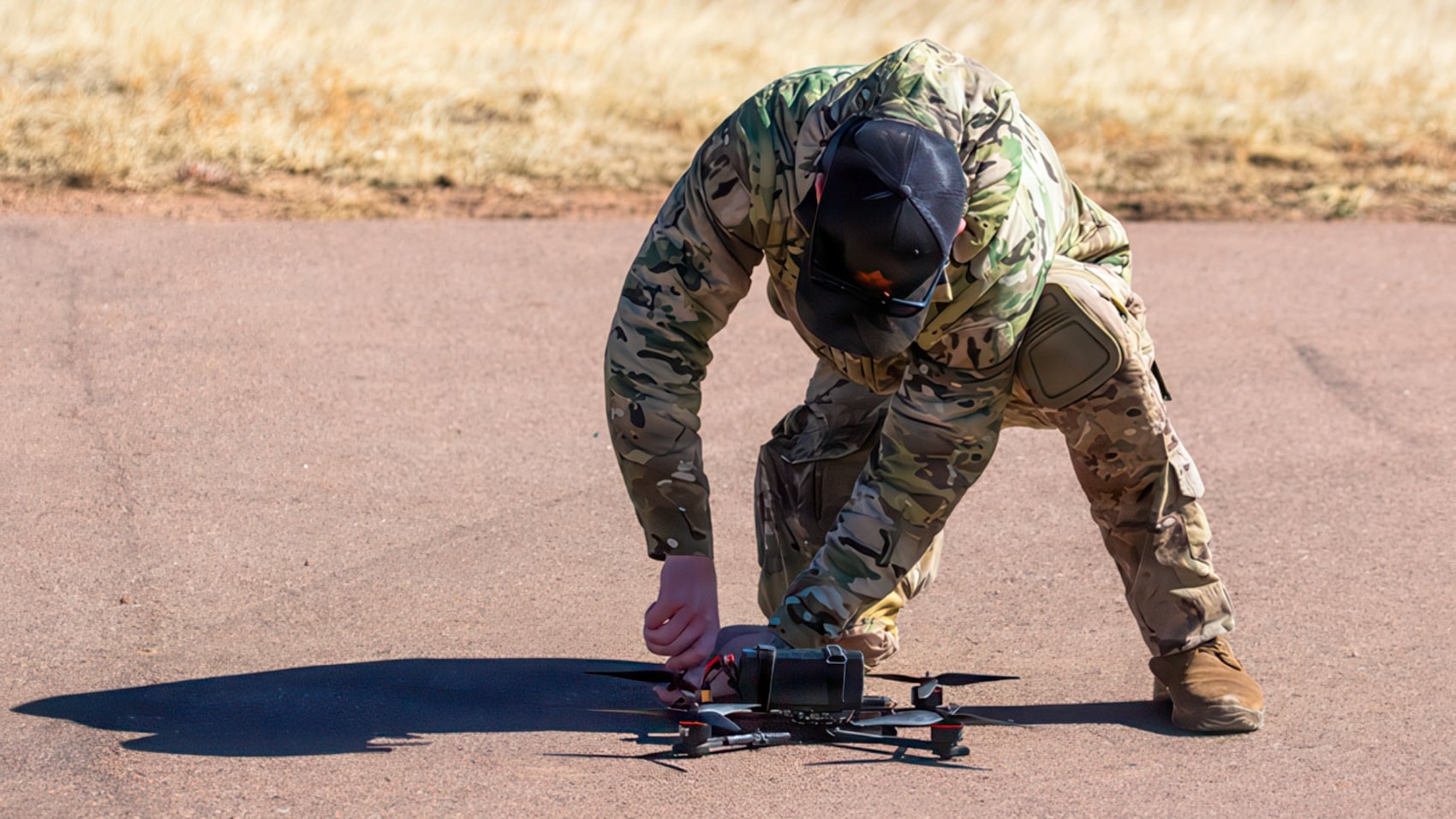
The second is operational. Live tactical range exercises integrate the platforms into reconnaissance and combat scenarios. The emphasis throughout is that drones are an additional asset, not a replacement for core soldier skills.
The course reinforces that distinction deliberately. A soldier who thinks a drone substitutes for fieldcraft is more dangerous than one who has no drone at all.
The third is adaptive. Troubleshooting malfunctions, replacing components, conducting basic modifications in the field. Special Forces operate in environments where resupply is uncertain and mission timelines do not accommodate equipment failures. The course builds the problem-solving mindset alongside the technical skills.
DroneXL’s Take
The M4 analogy keeps coming back to me because it is exactly right and it signals something important about where military drone doctrine is headed.
For most of the last two decades, military drones were operated by specialists. Dedicated units, dedicated training pipelines, dedicated maintenance crews. The drone was a platform you called for support, not a tool you carried in your kit. That model made sense when the platforms were large, expensive, and technically complex.
The small UAS revolution has broken that model entirely. When a drone costs a few hundred dollars, fits in a backpack, and can be assembled from components in the field, the specialist model becomes a bottleneck. Ukraine proved that. Fort Carson is the American military’s answer.
Here is what I find most significant about this course. The soldering instruction. Teaching Special Forces soldiers to re-solder a motor is not a dramatic capability. It is a quiet one. But it is the difference between a unit that loses its aerial advantage the first time a motor burns out and a unit that restores that advantage in twenty minutes with components from a field kit.
The Green Berets have always been defined by self-sufficiency and adaptability. Adding drone literacy at the component level fits that identity perfectly. These soldiers are not becoming drone technicians.
They are becoming soldiers who happen to understand drones the same way they understand their rifles.
That is the standard the modern battlefield requires. Fort Carson is building it three weeks at a time.
Photo credit: U.S. Army photo by Sgt. Zachary Myers
Discover more from DroneXL.co
Subscribe to get the latest posts sent to your email.
Check out our Classic Line of T-Shirts, Polos, Hoodies and more in our new store today!

MAKE YOUR VOICE HEARD
Proposed legislation threatens your ability to use drones for fun, work, and safety. The Drone Advocacy Alliance is fighting to ensure your voice is heard in these critical policy discussions.Join us and tell your elected officials to protect your right to fly.

Get your Part 107 Certificate
Pass the Part 107 test and take to the skies with the Pilot Institute. We have helped thousands of people become airplane and commercial drone pilots. Our courses are designed by industry experts to help you pass FAA tests and achieve your dreams.

Copyright © DroneXL.co 2026. All rights reserved. The content, images, and intellectual property on this website are protected by copyright law. Reproduction or distribution of any material without prior written permission from DroneXL.co is strictly prohibited. For permissions and inquiries, please contact us first. DroneXL.co is a proud partner of the Drone Advocacy Alliance. Be sure to check out DroneXL's sister site, EVXL.co, for all the latest news on electric vehicles.
FTC: DroneXL.co is an Amazon Associate and uses affiliate links that can generate income from qualifying purchases. We do not sell, share, rent out, or spam your email.