Lockheed’s NetSense Turns Your Phone’s 5G Signal Into a Drone Detector
Check out the Best Deals on Amazon for DJI Drones today!
Lockheed Martin has built and demonstrated a drone detection prototype that uses no dedicated sensors, no specialized hardware, and no new infrastructure. It uses the 5G network that already exists, the same one your phone is connected to right now, as its detection layer. You wanted Black Mirror? There you go.
The system is called NetSense, and it was built from concept to working prototype in under a year, as they announced on a press release.
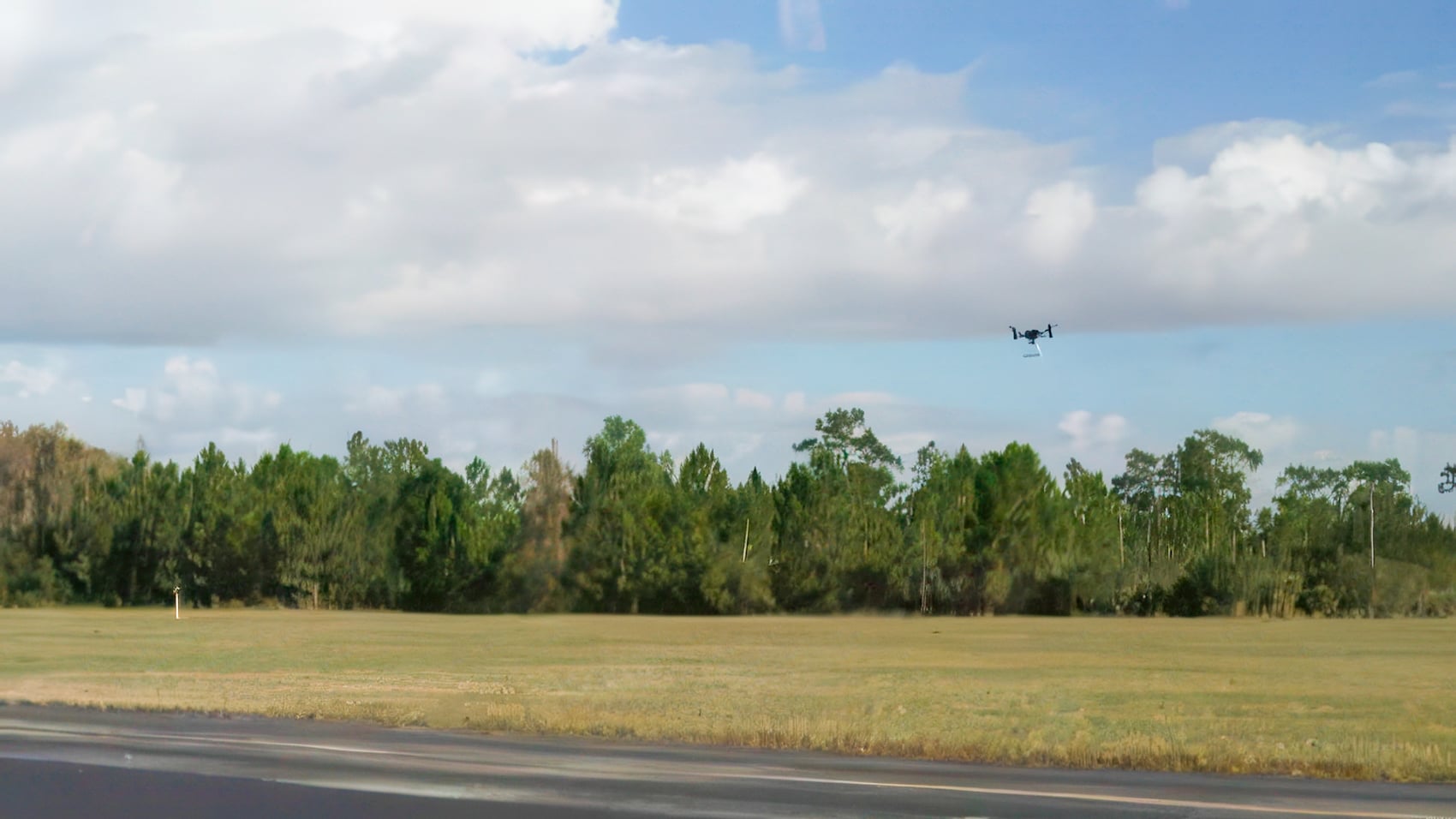
The demonstration confirmed something that matters: it caught a small drone that was not connected to the cellular network at all.
How NetSense Actually Works
This is worth understanding carefully because the intuitive explanation is wrong. NetSense is not tracking a drone’s radio emissions or finding its controller signal. It’s not looking for the drone’s digital footprint on the network. The drone doesn’t have to transmit anything for NetSense to find it.
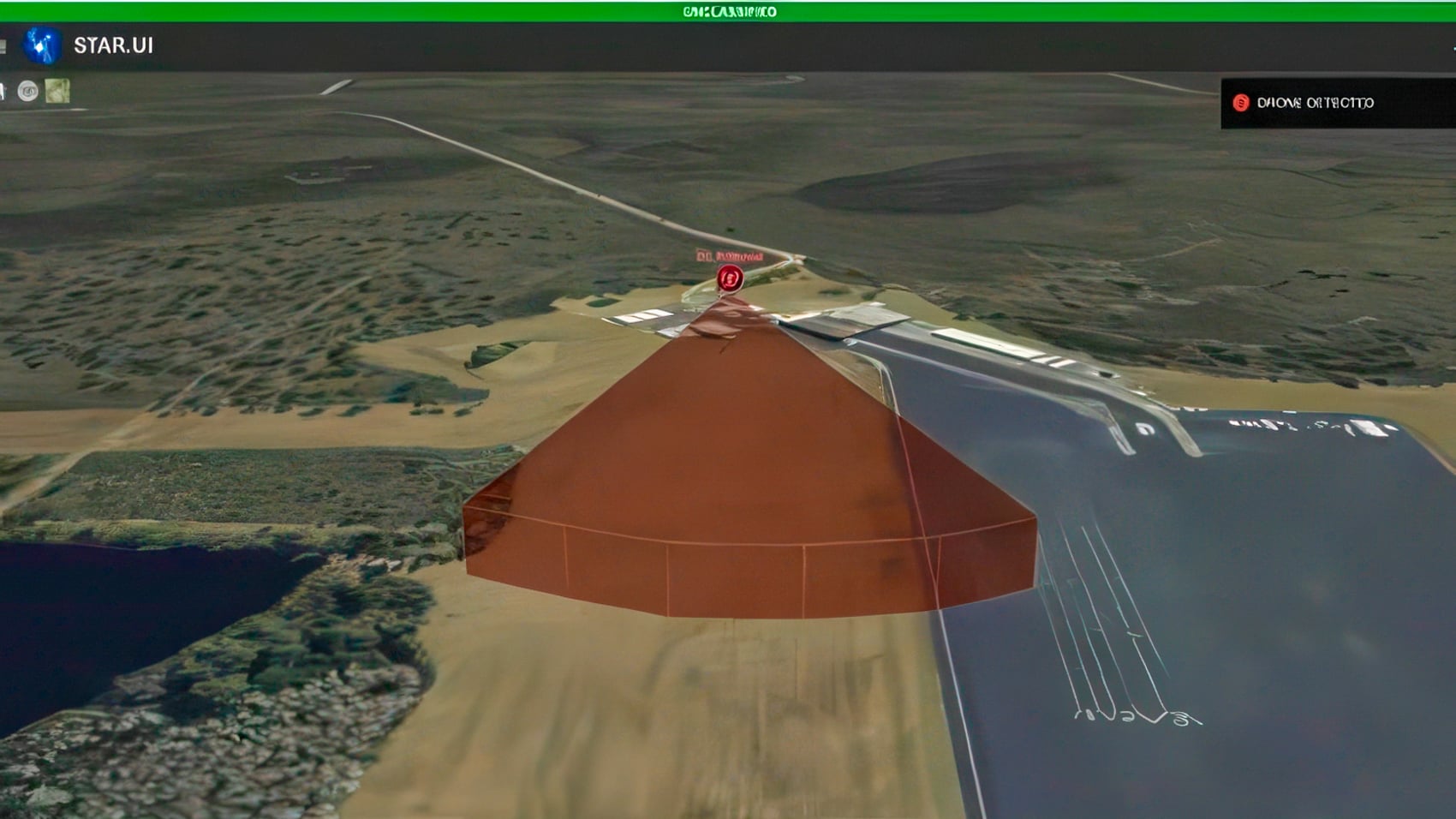
Photo credit: Lockheed Martin
What 5G networks do constantly is exchange signals between towers and connected devices, including phones, tablets, and any other connected hardware in the area. Those signals create a dense, continuous field of radio frequency waves that stretch, compress, and reflect as they interact with the physical environment. Buildings, trees, vehicles, and people all leave signatures in that field. When a drone flies into that RF environment, it disturbs the field in ways that are detectably different from background noise.
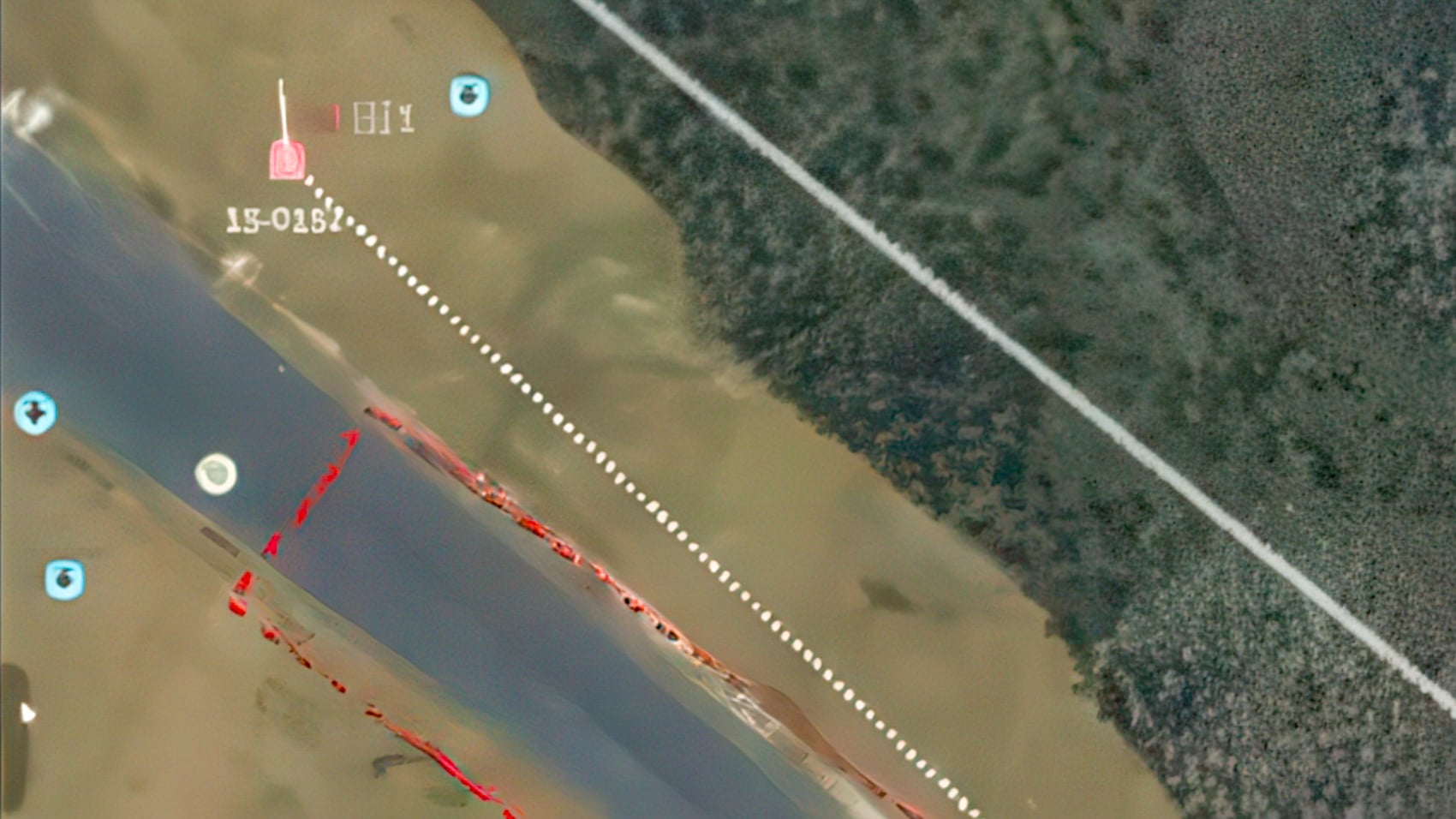
Photo credit: Lockheed Martin
NetSense uses AI to monitor those disturbances continuously and interpret changes consistent with an object moving through the airspace. When the signature matches a drone, it generates an alert. In the demonstration, a small consumer drone entered an area covered by 5G towers and the system flagged it immediately, without the drone broadcasting a single signal of its own.
The practical implication of that capability is significant. Most RF-based drone detection systems work by listening for the drone’s control link, its video downlink, or its remote ID broadcast. A drone running on a pre-programmed autonomous mission with RF emissions suppressed is largely invisible to those systems. NetSense doesn’t care whether the drone is transmitting. It cares that the drone is there, in the RF field, moving through it.
How Lockheed Built It and How Fast
The 5G.MIL team ran NetSense through three development phases in rapid succession: a spring 2025 concept sprint to validate the core idea, a summer lab demonstration to prove it worked in a controlled environment, and a fall field test to validate it in real-world conditions. By December, the prototype was running live in front of Lockheed’s executive leadership.
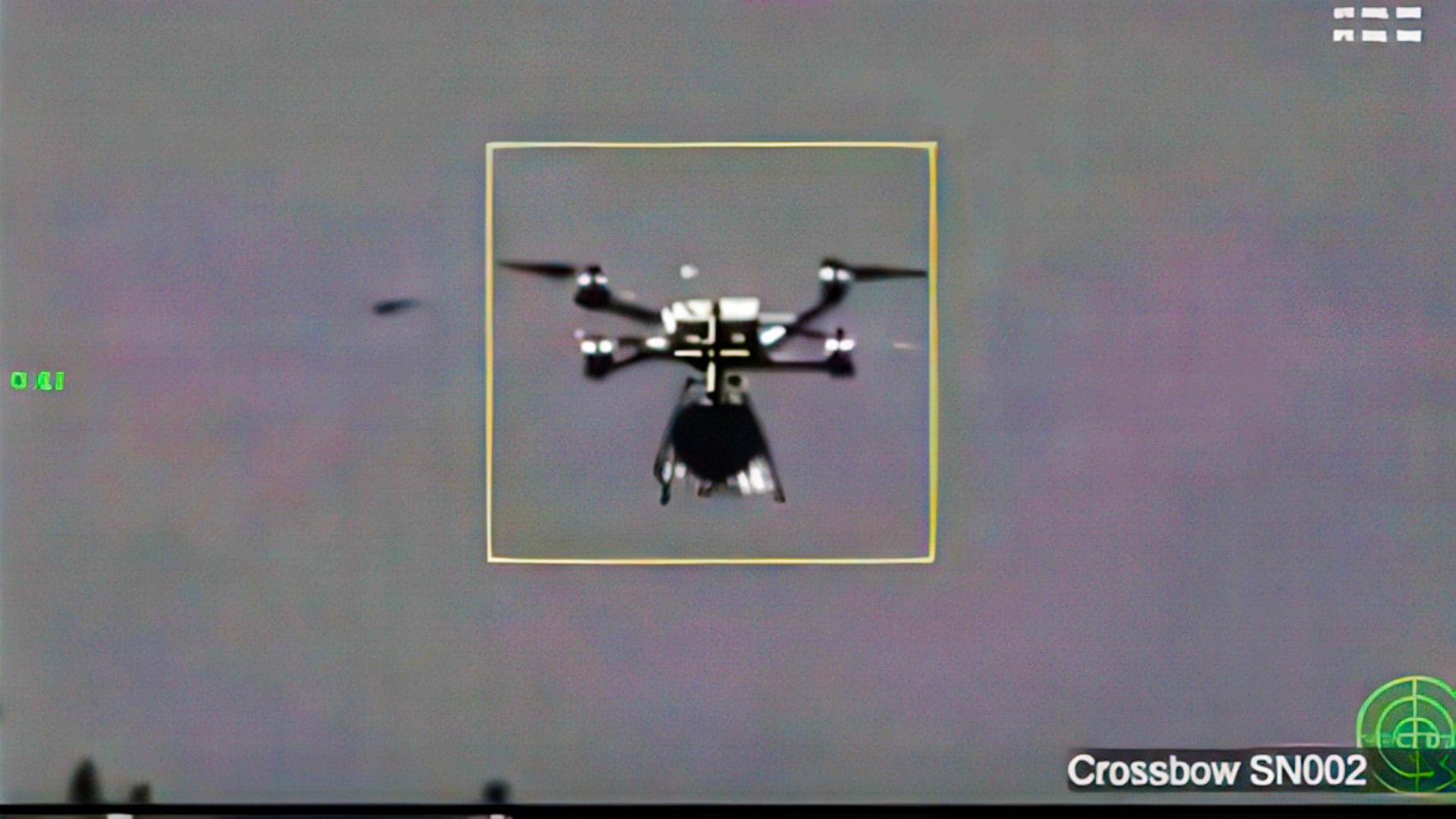
Photo credit: Lockheed Martin
Amir Stephenson, director of 5G.MIL programs, said the team intentionally constrained the project from the start. The goal was not to build the perfect system. The goal was to prove quickly that the idea worked, then scale from there.
By prioritizing integration with commercial carrier infrastructure rather than building proprietary hardware, the team ended with a prototype that aligns directly with what 5G carriers are already interested in as the commercial sensing and communications market develops.
The carrier relationship matters because no deployment of NetSense works without cooperation from whoever operates the 5G towers it’s using. Lockheed built that partnership into the development process from the beginning rather than arriving at a working prototype and then starting the carrier conversation.
The STAR.OS Integration
NetSense feeds into Lockheed’s STAR.UI visualization interface, the user-facing display layer of the company’s STAR.OS architecture. STAR.OS is Lockheed’s platform for integrating AI and machine learning capabilities into a modular, mission-relevant architecture. STAR.UI translates the raw detection data into actionable cues that show operators whether something is in the airspace, where it is, and where it’s going, without requiring them to interpret raw RF data themselves.
Photo credit: Lockheed Martin
The integration connects NetSense directly into Lockheed’s existing Sanctum counter-UAS mission management stack, the same platform paired with Fortem’s DroneHunter in the critical infrastructure deployment announced earlier this week. In principle, a NetSense detection could cue a Sanctum engagement decision, which could activate a Fortem DroneHunter intercept, all running through a single operator interface. That’s a detect-to-defeat chain built entirely on commercially available infrastructure except for the interceptor.
What Comes Next
Lockheed plans to demonstrate the next NetSense iteration at major U.S. events later this year. The company hasn’t named the events, but the phrase “major U.S. events” in a 2026 context points in an obvious direction: FIFA World Cup, which runs across 16 American cities this summer and represents the largest planned drone security operation in American history by venue count. DHS has already awarded Fortem a contract for World Cup venue security. If Lockheed demonstrates NetSense at the same events, the two systems could be running in parallel at the same venues this summer.
DroneXL’s Take
Here’s what I find genuinely significant: Lockheed built a counter-drone detection system using infrastructure that already covers most of the United States, costs nothing extra to deploy at the tower level, and detects drones that aren’t emitting any signal at all.
The sensor gap in American drone detection has never been about technology in principle. It’s been about the economics of deploying enough sensors to cover enough space to make detection reliable rather than situational. Dedicated radar, acoustic sensors, and RF monitors are effective but expensive, and expensive at scale means you cover the sites you can afford to cover, not all the sites that need covering.
NetSense, if it delivers on the field demonstration, inverts that economics. The infrastructure is already paid for. The coverage already exists. The question becomes whether the AI layer is accurate enough to be operationally useful without flooding operators with false positives.
That question won’t be answered until the World Cup demonstrations, assuming that’s where this is headed. Testing drone detection technology at a tournament played across 16 American cities simultaneously, with 100,000-person crowds and airspace security operations running in parallel, is either the most efficient validation environment imaginable or a stress test that will reveal every limitation at once. Either way, the drone industry will have its answer by July.
Photo credit: Lockheed Martin
Discover more from DroneXL.co
Subscribe to get the latest posts sent to your email.
Check out our Classic Line of T-Shirts, Polos, Hoodies and more in our new store today!

MAKE YOUR VOICE HEARD
Proposed legislation threatens your ability to use drones for fun, work, and safety. The Drone Advocacy Alliance is fighting to ensure your voice is heard in these critical policy discussions.Join us and tell your elected officials to protect your right to fly.

Get your Part 107 Certificate
Pass the Part 107 test and take to the skies with the Pilot Institute. We have helped thousands of people become airplane and commercial drone pilots. Our courses are designed by industry experts to help you pass FAA tests and achieve your dreams.

Copyright © DroneXL.co 2026. All rights reserved. The content, images, and intellectual property on this website are protected by copyright law. Reproduction or distribution of any material without prior written permission from DroneXL.co is strictly prohibited. For permissions and inquiries, please contact us first. DroneXL.co is a proud partner of the Drone Advocacy Alliance. Be sure to check out DroneXL's sister site, EVXL.co, for all the latest news on electric vehicles.
FTC: DroneXL.co is an Amazon Associate and uses affiliate links that can generate income from qualifying purchases. We do not sell, share, rent out, or spam your email.