Poland Builds Its Own Shahed. They’re Calling It PLargonia.
Check out the Best Deals on Amazon for DJI Drones today!
Warsaw watched what Iranian drones did to Ukrainian cities and decided it needed one of its own. The PLargonia is almost ready.
A Delta-Wing Loitering Munition Built in Poland
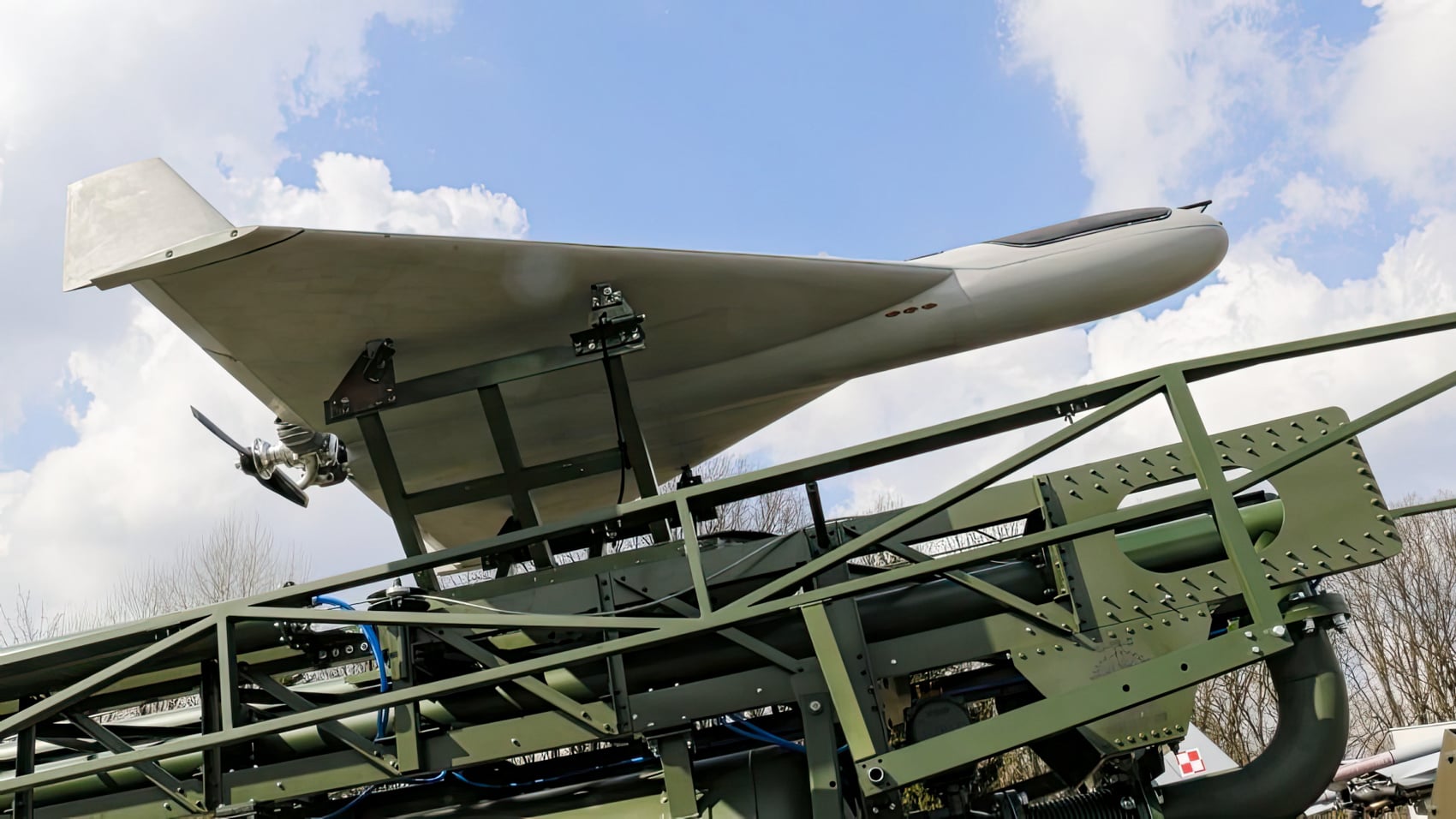
Poland’s Air Force Institute of Technology and Autonomous Systems Center, known as OSA, have jointly developed a loitering munition that looks remarkably familiar, as Next Gen Defense reports.
The PLargonia shares the same delta-wing planform as the Iranian Shahed series, the one-way attack drones that Russia has fired into Ukrainian infrastructure by the hundreds. That resemblance is not accidental. It is the design language of an effective, low-cost strike platform, and Poland is building its own version of it.
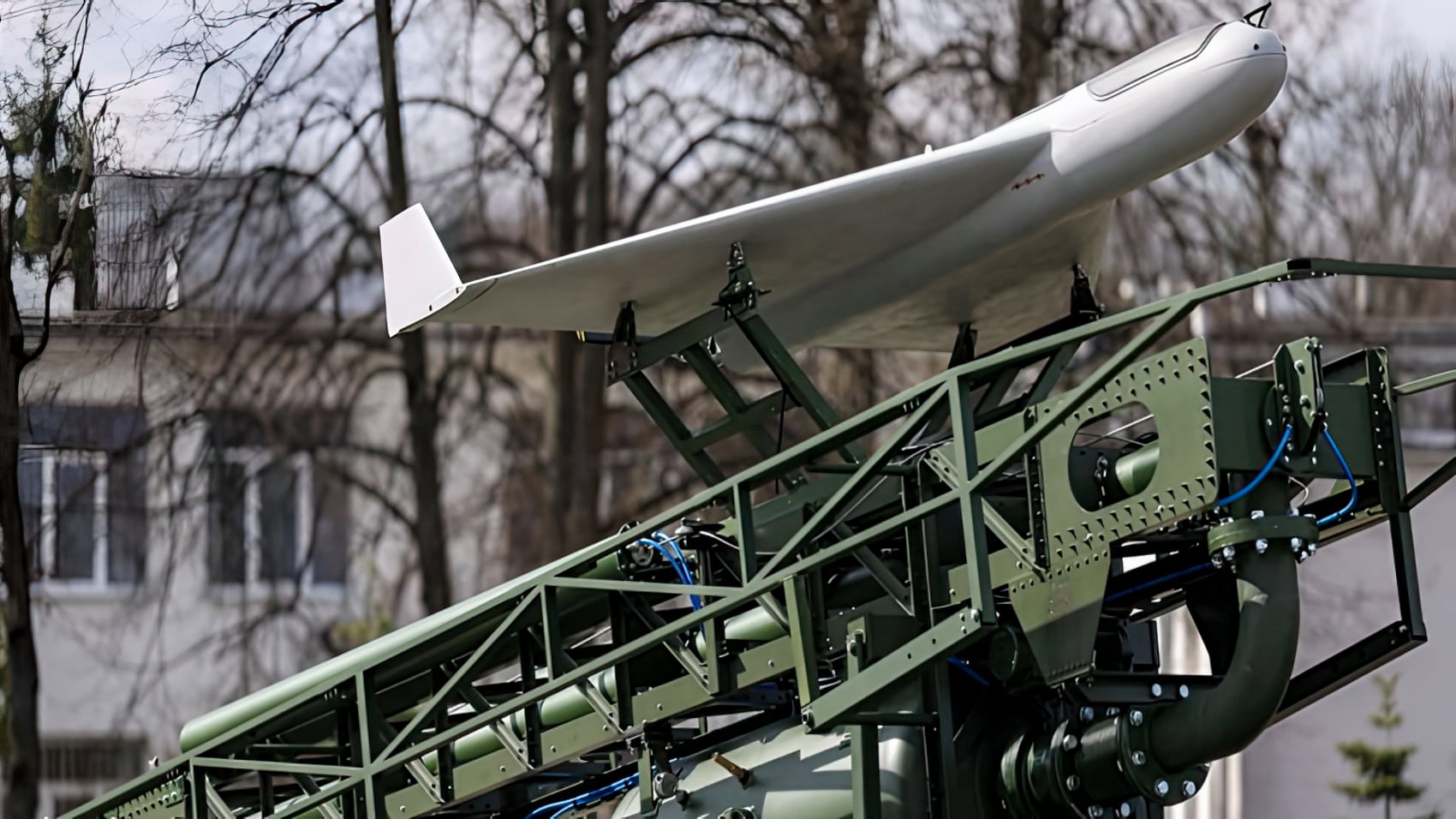
Photo credit: Poland Ministry of National Defense
The PLargonia measures 8.5 feet long with a wingspan of over 7.2 feet. A piston engine drives it to speeds of up to 115 mph over an operational range of 559 miles. In its combat configuration, it carries a 44 lb warhead.
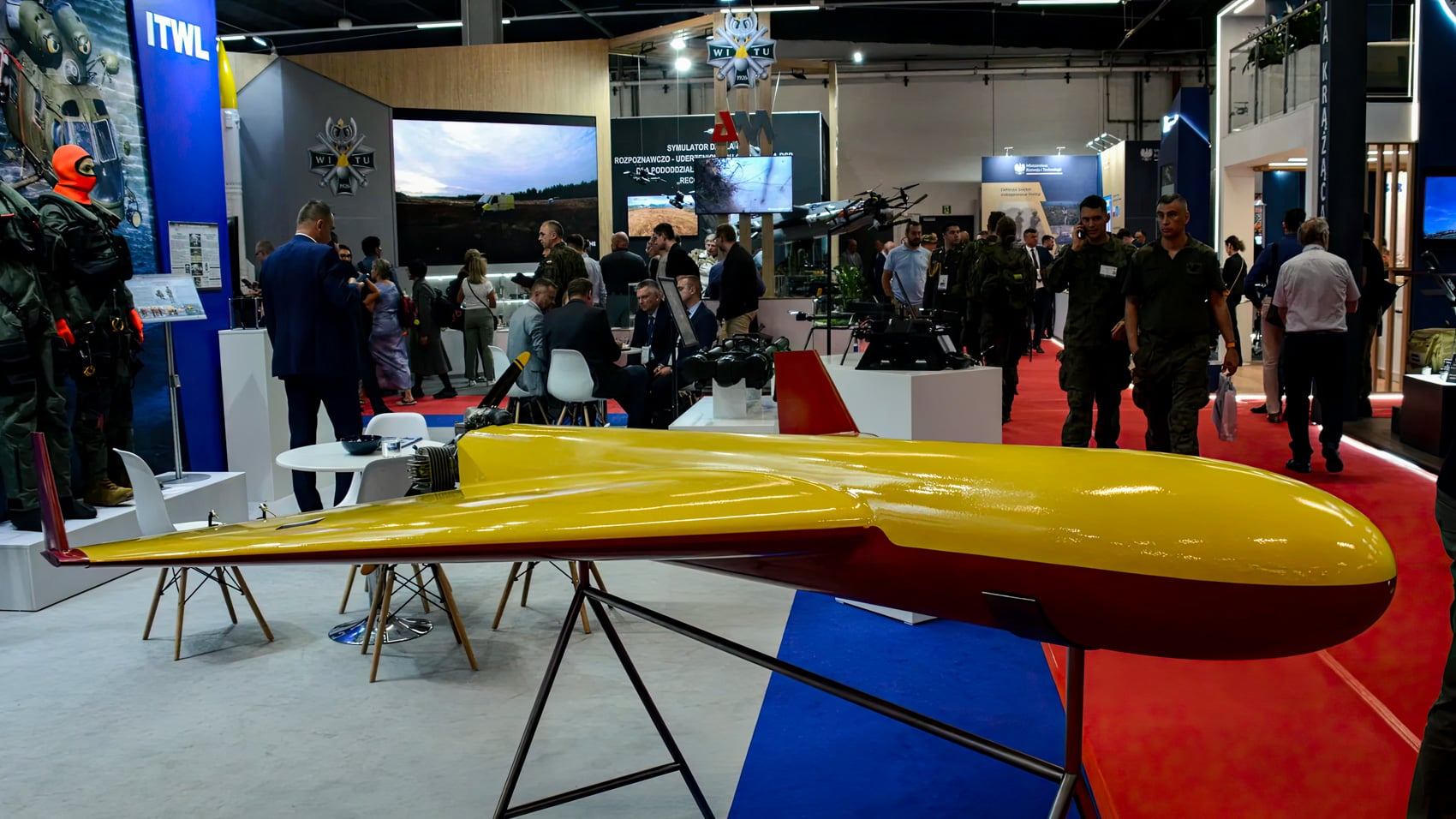
In its training configuration, it functions as an aerial target for Polish air defense crews, simulating the exact type of drone they would face from a Russian or Russian-supplied adversary.
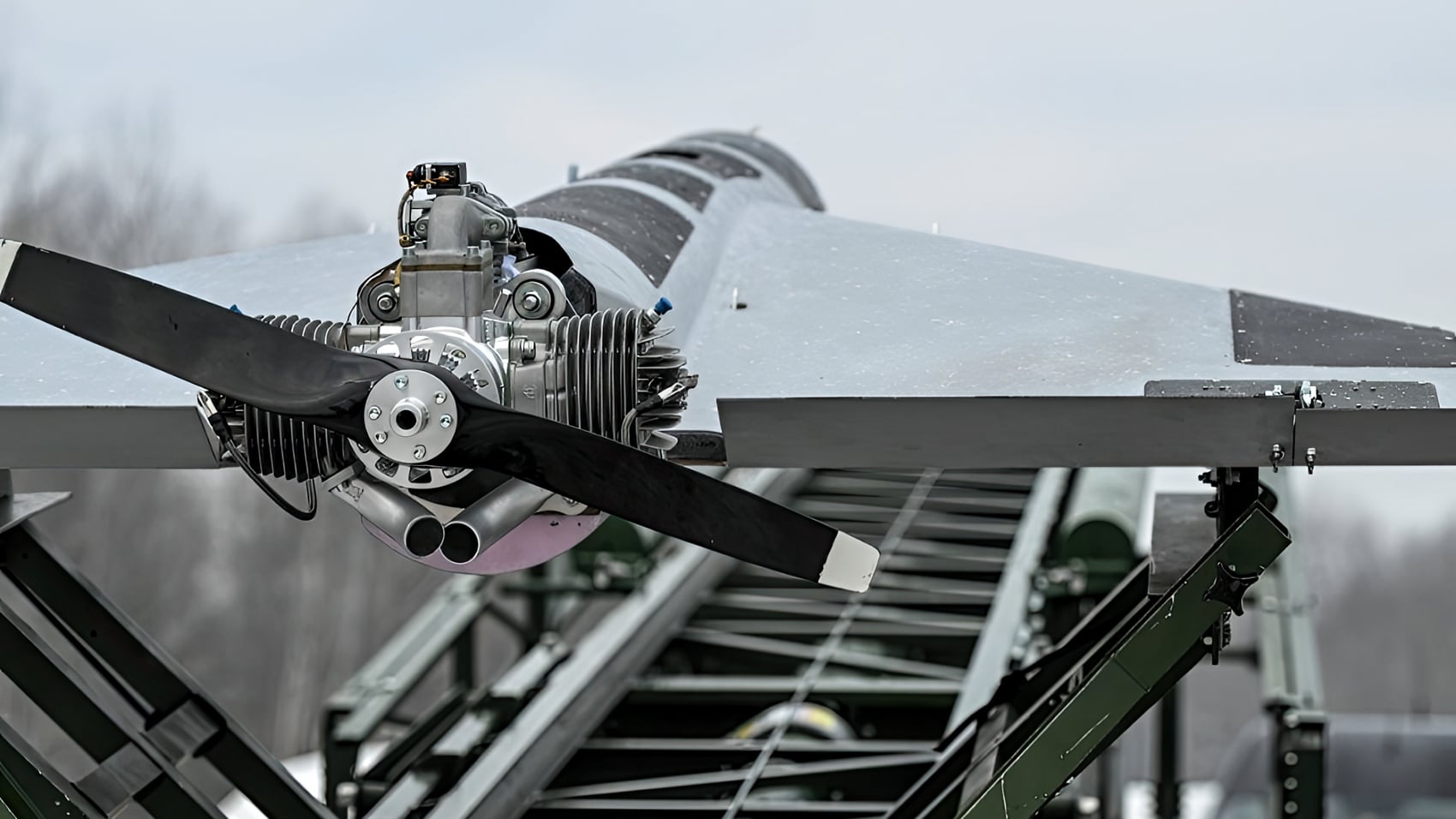
That dual-purpose design is smart procurement. One platform serves both the training pipeline and the operational strike mission, which means the forces learning to shoot these things down are training against the actual airframe profile they would face in conflict.
Live demonstrations are scheduled for April, ahead of anticipated entry into service.
What OSA Is and Why It Matters
The Autonomous Systems Center is not a startup. It is a purpose-built organization that brings together Polish military officials, scientists, and industry experts specifically to develop drones, autonomous systems, and countermeasures for the Polish Armed Forces.
PLargonia is one of its key programs, operating within a broader defense modernization budget exceeding $6.7 billion.
Deputy Prime Minister Władysław Kosiniak-Kamysz described the strategic logic clearly. Poland is streamlining procedures so that new equipment reaches the army faster than before.
The coalition developing PLargonia combines the IDEAS Research Institute, the Polish Armaments Group, private companies, startups, and the Technical Institute of the Air Force as the team leader.
That coalition structure mirrors what Ukraine discovered through necessity. The fastest path from concept to fielded capability in the current threat environment is not a traditional prime contractor model. It is a mix of established institutions, agile startups, and direct military involvement compressed into a single development pipeline. Poland is building that structure deliberately rather than discovering it under fire.
The Shahed Comparison Is the Point
The Iranian Shahed-136 has a documented range of roughly 1,600 miles, carries a warhead of similar weight class to the PLargonia, and costs an estimated $50,000 per unit.


Russia has fired them into Ukraine by the thousands. Ukrainian air defenses have shot down the majority, but enough have gotten through to flatten apartment buildings and knock out power infrastructure across the country.
The PLargonia at 559 miles range is a shorter-range system. But the design philosophy is identical. Low cost, expendable, delta-wing for aerodynamic efficiency and radar cross-section management, piston engine for simplicity and fuel economy, warhead sized for infrastructure and equipment targets rather than hardened fortifications.
Poland, which shares a border with Russia’s Kaliningrad enclave and Belarus, and which has become one of Ukraine’s most significant military supporters, is not building this drone for hypothetical future conflicts. It is building it because the threat environment on its eastern frontier has changed permanently and the equipment inventory needs to match that reality.
DroneXL’s Take
I want to note something about how this story is being covered and how it should be understood.
Every Western outlet that covers the PLargonia will mention the Shahed comparison, usually with a note of surprise or irony. Poland is building an Iranian-style drone. The framing almost writes itself. But that framing misses the actual point.
The Shahed design works. It works because a delta-wing airframe at low altitude with a piston engine is cheap to produce, hard to detect on radar, difficult to intercept at scale, and lethal enough to matter. The Iranians did not invent that configuration. They optimized a known solution for a specific mission profile. Poland is doing the same thing.
Here is what I actually think. The most important sentence in this entire press release is the one about streamlining procedures so new equipment reaches the army faster. That is a defense procurement philosophy, not a hardware specification.
Poland has watched NATO allies spend years and billions on complex systems that arrived late, cost too much, and sometimes never fielded at all. The lesson from Ukraine is that quantity and speed beat sophistication and delay in the kind of conflict that is now plausible on European soil.
A 559-mile range loitering munition with a 44 lb warhead that Poland can build domestically, train its air defense against, and deploy in quantity is more valuable to Warsaw’s security than a more capable system that takes a decade to procure.
The PLargonia flies in April. That timeline is the real headline.
Photo credit: Poland Ministry of National Defense, The Warsaw.PL, Militarny.
Discover more from DroneXL.co
Subscribe to get the latest posts sent to your email.
Check out our Classic Line of T-Shirts, Polos, Hoodies and more in our new store today!

MAKE YOUR VOICE HEARD
Proposed legislation threatens your ability to use drones for fun, work, and safety. The Drone Advocacy Alliance is fighting to ensure your voice is heard in these critical policy discussions.Join us and tell your elected officials to protect your right to fly.

Get your Part 107 Certificate
Pass the Part 107 test and take to the skies with the Pilot Institute. We have helped thousands of people become airplane and commercial drone pilots. Our courses are designed by industry experts to help you pass FAA tests and achieve your dreams.

Copyright © DroneXL.co 2026. All rights reserved. The content, images, and intellectual property on this website are protected by copyright law. Reproduction or distribution of any material without prior written permission from DroneXL.co is strictly prohibited. For permissions and inquiries, please contact us first. DroneXL.co is a proud partner of the Drone Advocacy Alliance. Be sure to check out DroneXL's sister site, EVXL.co, for all the latest news on electric vehicles.
FTC: DroneXL.co is an Amazon Associate and uses affiliate links that can generate income from qualifying purchases. We do not sell, share, rent out, or spam your email.