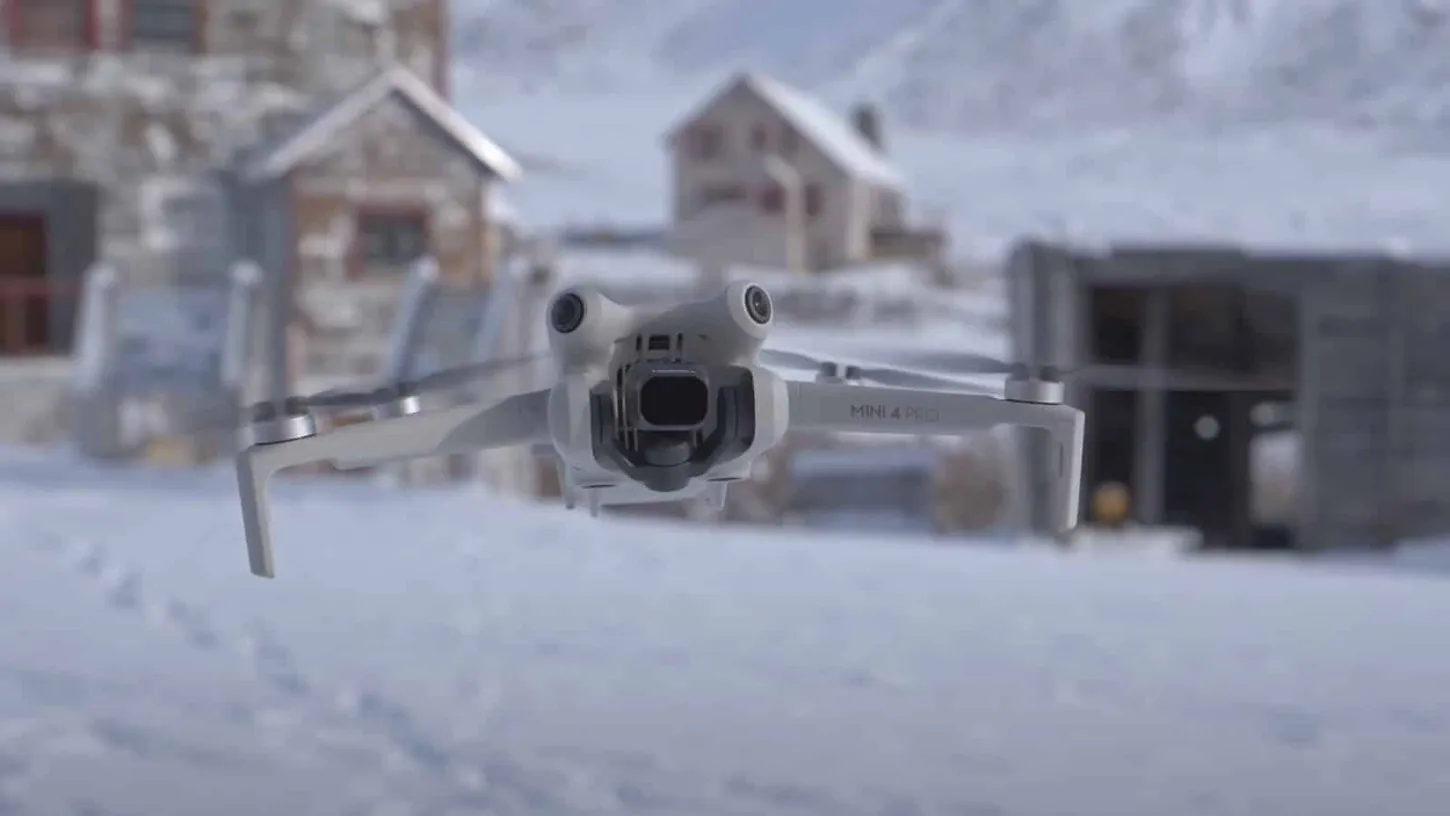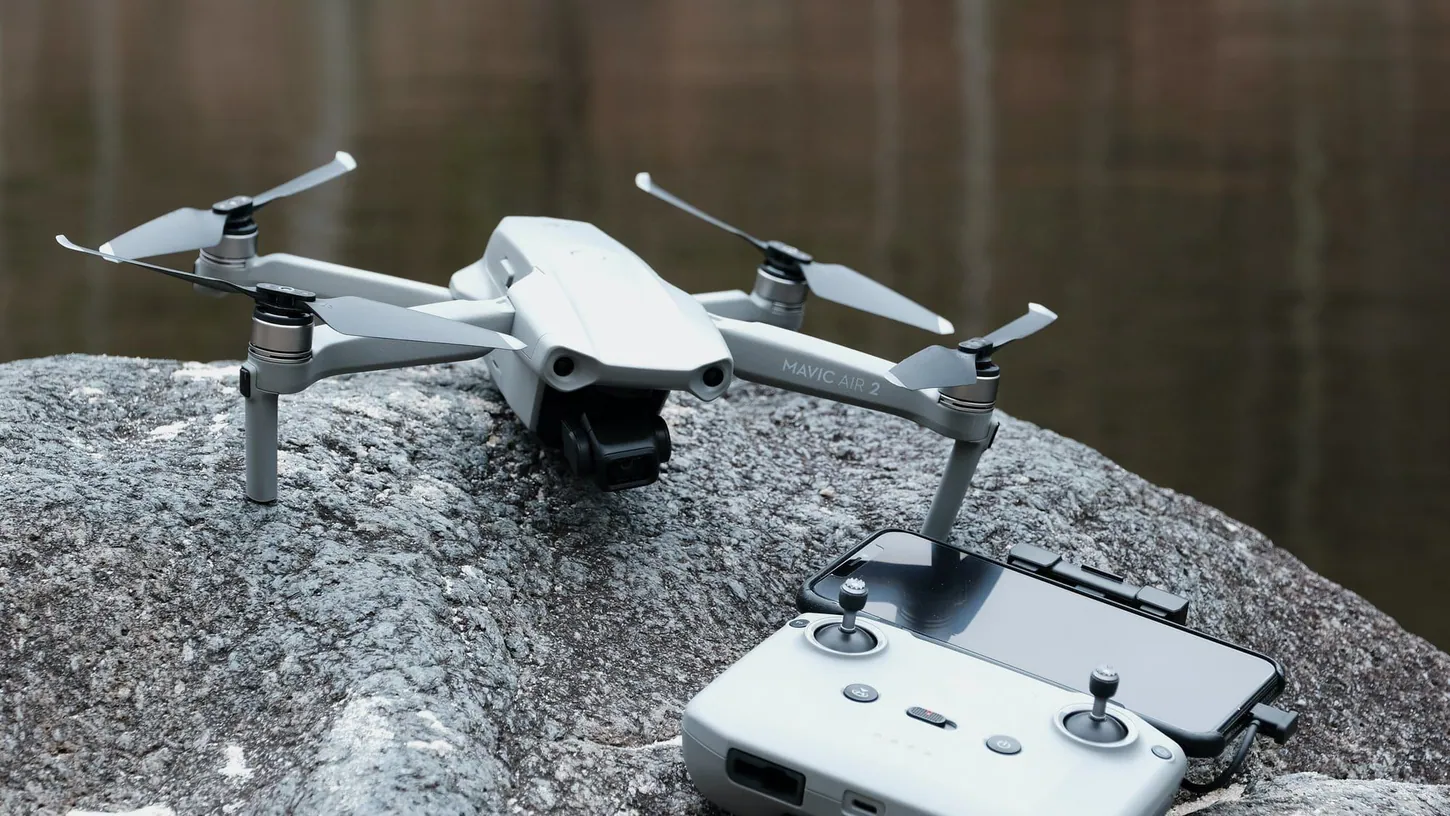
Beijing’s ban on owning or storing a drone took effect on Sunday, November 15, across the entire municipality. Keeping an aircraft or one of its listed core components at home now brings confiscation, and police may add a fine of 500 to 5,000 yuan for an individual, whether or not the drone ever leaves the ground.
The city’s subsidized buyback, its scrapping payment and its free shipping service all closed on Saturday. The police registration scheme that had let owners keep up to three drones since May stopped applying on the day the ban began, six and a half months after it started. I laid out the buyback rates in DroneXL’s September report.
Beijing police verified those owners’ drones by home visit, station visit or phone this spring and summer. I found no published figure, in English or Chinese, for how many of them were sold, scrapped or shipped out before the deadline.
Beijing Police Detained Two Drone Pilots Six Weeks Before The Ban
Beijing police detained two people for flying drones on October 1, the first day of the National Day holiday. A tourist surnamed Pan flew near a scenic area in Huairou district, and a person surnamed Song flew near a village in Tongzhou, according to the police bureau’s official account.
Both were given administrative detention, a fine and the loss of their equipment. The police notice, carried by Tencent News on October 2, does not say how many days either person was held or how much they paid. It says Pan was shooting scenery and Song was flying for fun, and that both knew about the city’s drone controls.
Both were punished for flying. The notice’s punishment line cites the State Council’s interim rules on unmanned aircraft flight and the national Public Security Administration Punishments Law, and it quotes the city regulation separately for its flight fines. None of those provisions depends on the possession ban.
Beijing’s Ban Covers 17 Component Types The Regulation Does Not Name
Article 3 of the revised regulation bans flying, possessing and storing drones and their core components anywhere in Beijing, about 6,300 square miles (16,400 square kilometers). Beijing Daily reported in March that the city’s trial component list covers 17 parts in four systems.
Those systems are the airframe, flight control, communications and power. The report, carried by Xinhua, says the list was drawn to limit the effect on general-purpose parts and gives the count without the names. The regulation leaves the list to the city’s economy and information technology bureau. The area figure comes from Agence France-Presse, which puts the municipality at roughly half the size of Belgium.
Article 8 makes confiscation mandatory for possession, storage or carrying a drone into the city, and says police may add a fine of 500 to 5,000 yuan for individuals and 5,000 to 50,000 yuan for companies. Flying costs more, with confiscation and a fine of 1,000 to 10,000 yuan that is not optional. Article 6 leaves three groups able to keep drones in Beijing legally. The first covers counter-terrorism, disaster relief and major events. The second is schools, research institutions and manufacturers, and the third is farm and forestry work. Each one needs a police safety assessment first.
The regulation’s stated aim is safeguarding the capital’s security. The possession ban passed on September 11, 11 weeks after a light sport plane hit CITIC Tower on June 26 and killed its pilot.
For visitors nothing changed on Sunday. The ban on carrying a drone into Beijing dates to May 1 and applies to transit passengers, and DroneXL’s November 2 report covers the scanner at Capital airport that enforces it.
Beijing Voided Its Drone Registration Deal The Day The Ban Began
Beijing’s verification procedure took effect on May 1 and stopped applying on November 15, the same day the possession ban began, according to a Beijing Daily notice. Owners had until July 31 to put their drones through it, and only verified drones qualified for a buyback subsidy.
The notice, republished on the city government’s site, says public security organs will carry out patrols and inspections and punish owners who kept a drone past the deadline. It gives no start date for those patrols and no hotline. It points owners to district government websites for the buyback locations.
I found no published count of verified owners either, as of November 16. Verification was done with the police, so the bureau the notice assigns to inspect for stored drones is the one that recorded who had them by July 31.
DroneXL’s Take
The possession ban does nothing about the two pilots Beijing police detained on October 1. They were caught flying, they were punished under flight rules, and they lost their drones without the city needing a rule about what people keep in a closet. Whatever Beijing wanted to stop in the air, it could already stop.
I think this law falls hardest on one group, and it is the owners who did what they were told. They verified their drones with police by July 31 and kept them legally for a few months. I see that paperwork as a police record of who had one.
Rules that punish responsible operators for what a reckless few do make everyone less safe, and Beijing has now run that experiment on its own residents. If the city believes the buyback worked, it can publish how many drones came in and how many verified owners are still unaccounted for. Until it does, the lesson I expect other Chinese pilots to take from Beijing is that registering was the mistake.
Sources: Beijing Municipal Regulations on Unmanned Aircraft (revised September 11, 2026), Beijing Daily via the Beijing municipal government, Beijing Public Security Bureau via Tencent News, Beijing Daily via Xinhua, Agence France-Presse via The Manila Times, and Aviation Week.
DroneXL uses automated tools to support research and source retrieval. All reporting and editorial perspectives are by Haye Kesteloo. Read our editorial standards.