
VTOL · Wingtra
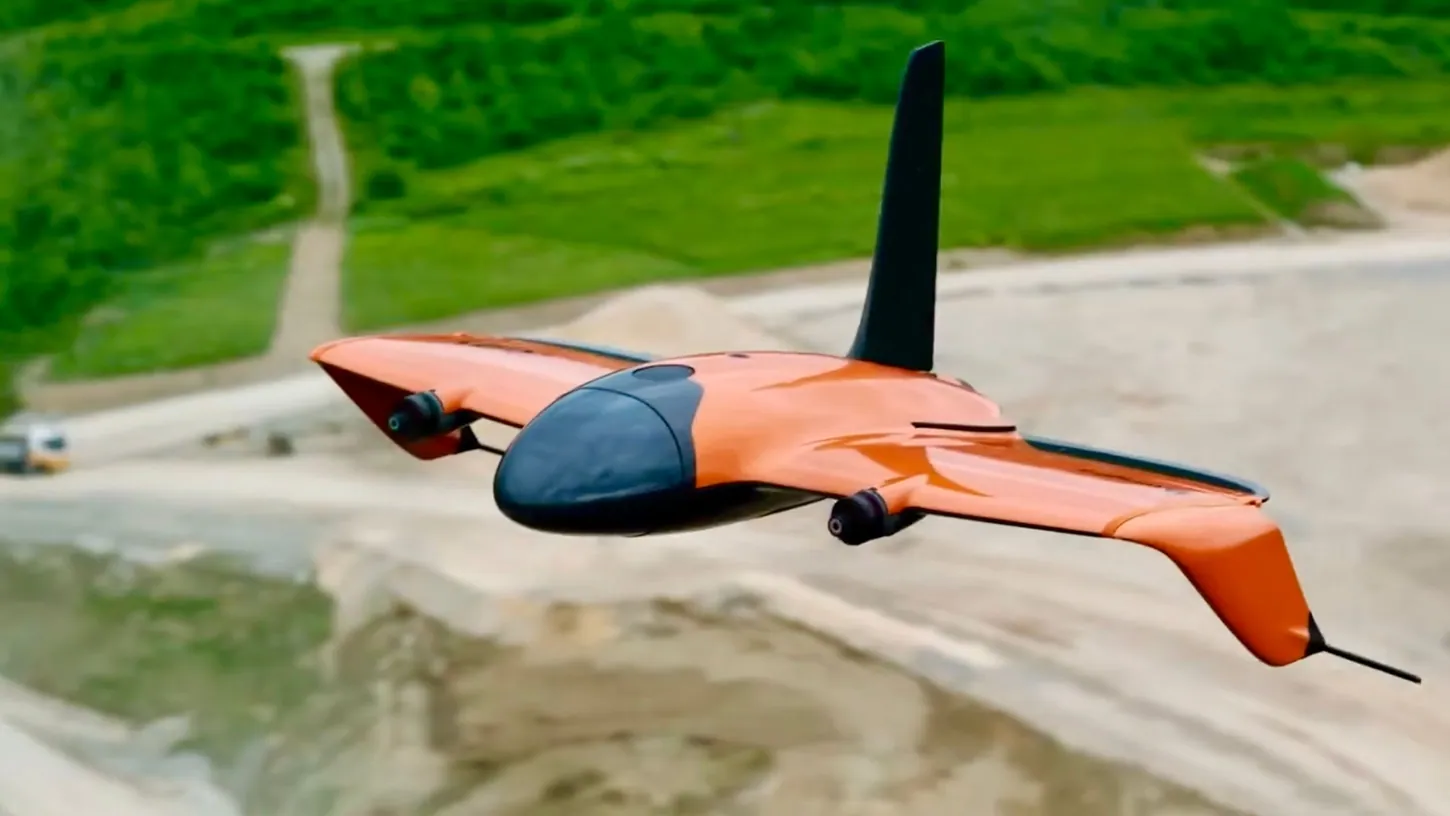
Wingtra Ran 180 Simulations in Six Months to Design the RAY Drone
AirShaper says Wingtra simulated 180 WingtraRAY candidates in six months and gained 56% payload and 12% efficiency over the WingtraOne.
News, deep dives, and analysis — every VTOL story, newest first.
VTOL drone coverage tracks vertical takeoff and landing fixed-wing aircraft across defense programs, research competitions and industrial deployment, distinct from the pure rotor-based consumer drones covered elsewhere on the site.
Defense investment is currently the largest driver: the Navy put $50 million on Shield AI’s X-BAT while the Air Force watched, one of several VTOL programs competing for military contracts. DARPA is running its own benchmark for the technology: the Lift Challenge opened in Dayton with a prize rule that plans for failure, and early Lift Challenge results showed a conventional helicopter design beating experimental VTOL concepts at a 3.84:1 ratio, a genuinely useful data point on how far VTOL lift technology still has to go.
Industrial use is quieter but proven: Dominion Energy runs 50 drones on America’s power grid, leaning on VTOL range advantages for long linear infrastructure inspection that a pure rotor platform would struggle to cover efficiently.
eVTOL and the rest of the drone technology desk cover adjacent airframe categories. Every VTOL drone story is in the feed below.
Last updated October 10, 2026 — the feed below updates with every new story.
AirShaper says Wingtra simulated 180 WingtraRAY candidates in six months and gained 56% payload and 12% efficiency over the WingtraOne.
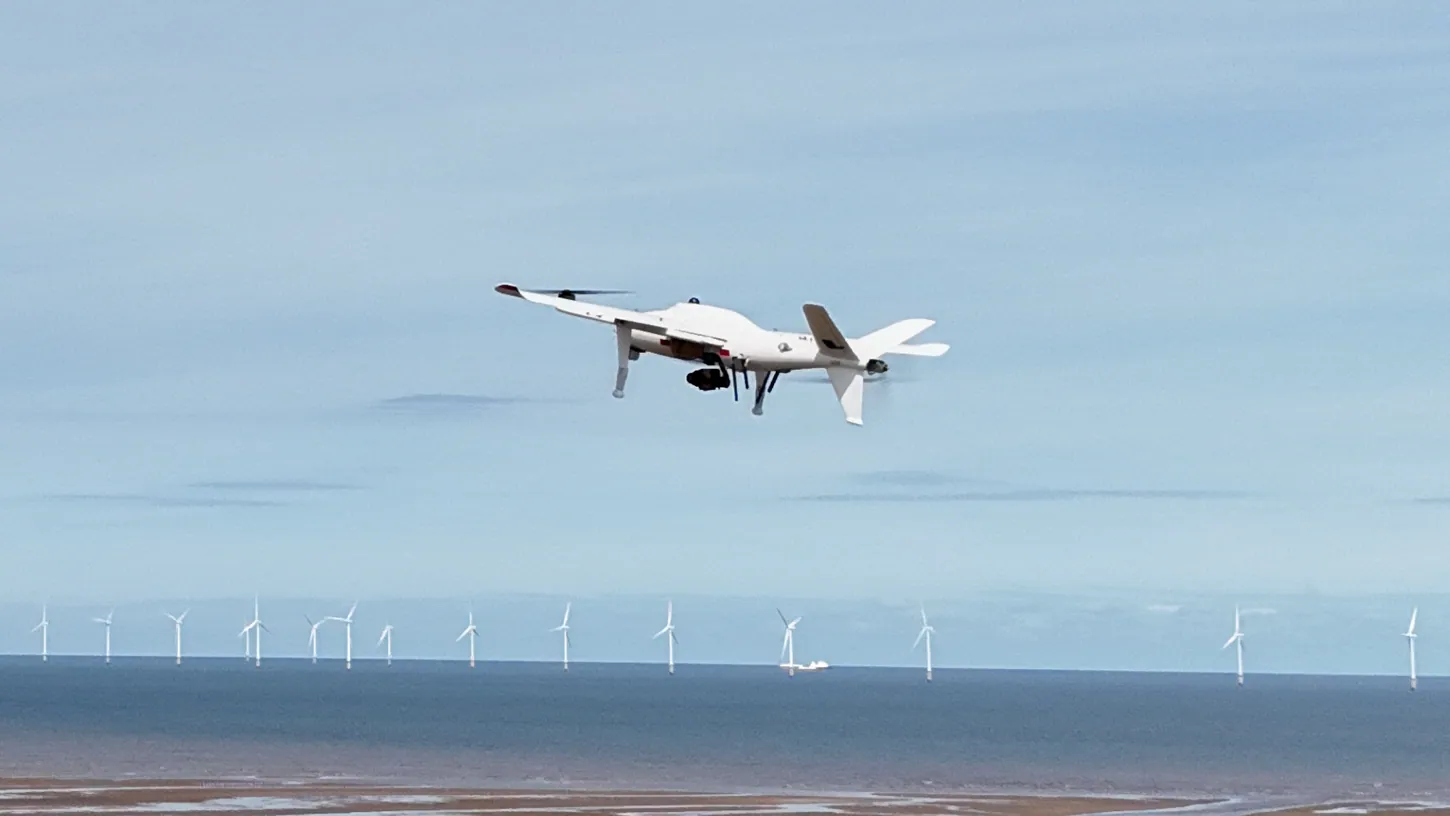
Glasgow's Airspection flew a shore-launched drone 8.7 miles round trip to a Liverpool Bay wind farm beyond line of sight in the UK CAA's BVLOS sandbox.

Skydio unveiled the dock-launched F10 Lightrunner at Ascend 2026. Its livestream chat also removed a comment about lobbying as profanity.

Wingcopter's all-electric 262 VTOL flies up to six hours and 93 miles at 22 pounds, and the German delivery company is lining it up for Ukraine.

The Navy and Defense Innovation Unit are investing $50 million in Shield AI's X-BAT, a tail-landing fighter drone that has never flown. The Air Force is deliberately sitting this one out, and the hard part is the landing.

Avidrone Inc. won the DARPA Lift Challenge at a 3.84:1 payload-to-weight ratio with the Katana, a conventional single-rotor helicopter, and because nobody reached 4:1, the half-prize clause DroneXL reported last week cut every podium payout in two. The result says as much about energy density and American drone policy as it does about lift.

More than 90 teams are flying the DARPA Lift Challenge at the National Museum of the U.S. Air Force through August 9, chasing a 4:1 payload-to-weight ratio for a share of $6.5 million. DARPA's own prize rules cut the top three awards in half if nobody clears 4:1, and the agency still has not resolved what the FCC Covered List means for the parts these American teams built with.

Sikorsky has completed the initial ground and flight test phase of its Nomad 100 tail-sitting drone for DARPA's EVADE program, sending the 18-foot hybrid-electric aircraft to a government facility for a more demanding multirole test campaign.
Competing lift concepts for VTOL aircraft against a conventional helicopter baseline. A conventional helicopter design beat experimental VTOL lift concepts at a 3.84:1 ratio in early results, a reminder that not every VTOL innovation beats existing rotorcraft, even in a competition designed to find one that does.
Both. Alongside defense programs like Shield AI's X-BAT, which the Navy put $50 million behind while the Air Force watched, VTOL platforms are proving useful for industrial work: Dominion Energy runs 50 VTOL-capable drones across America's power grid, using fixed-wing range to cover distances a pure rotorcraft can't handle as efficiently.
VTOL here covers vertical takeoff and landing fixed-wing drones broadly, gas or electric, used for defense, research and industrial missions. eVTOL specifically covers electric passenger-capable aircraft, including the emerging air taxi category, tracked as its own desk.
One email with the drone news that matters — DJI, FAA, public safety, and everything in between, straight from the newsroom. No spam, no fluff.