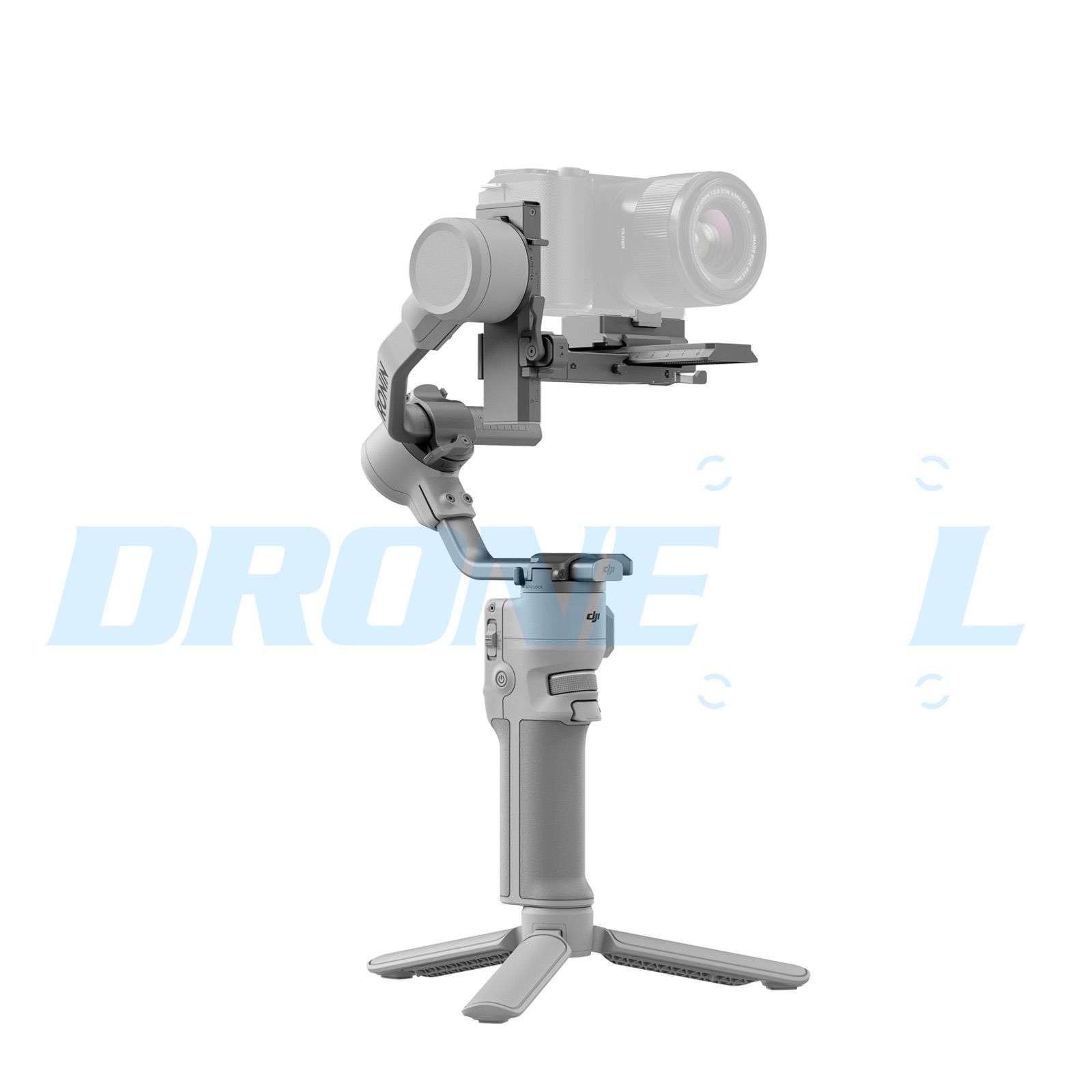
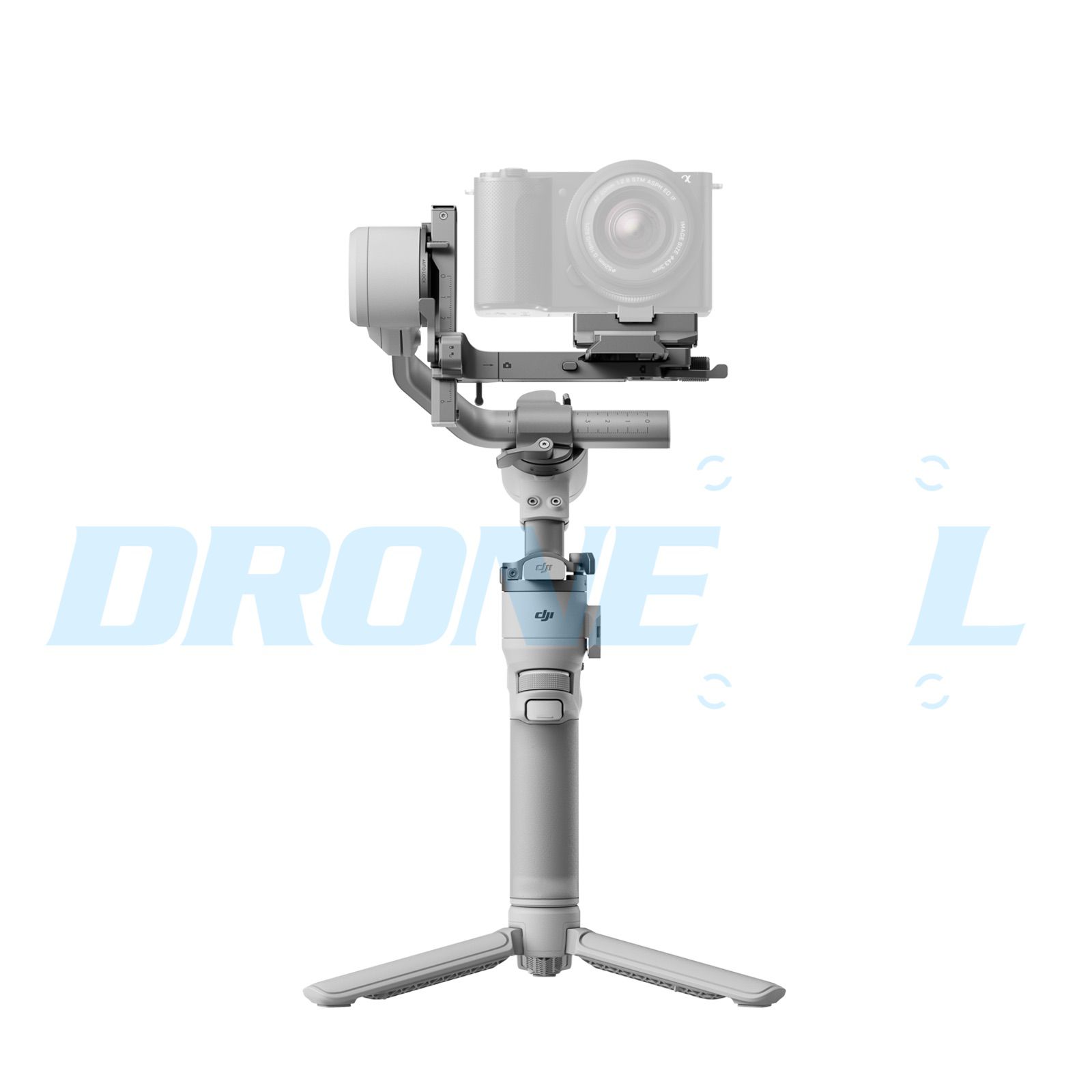
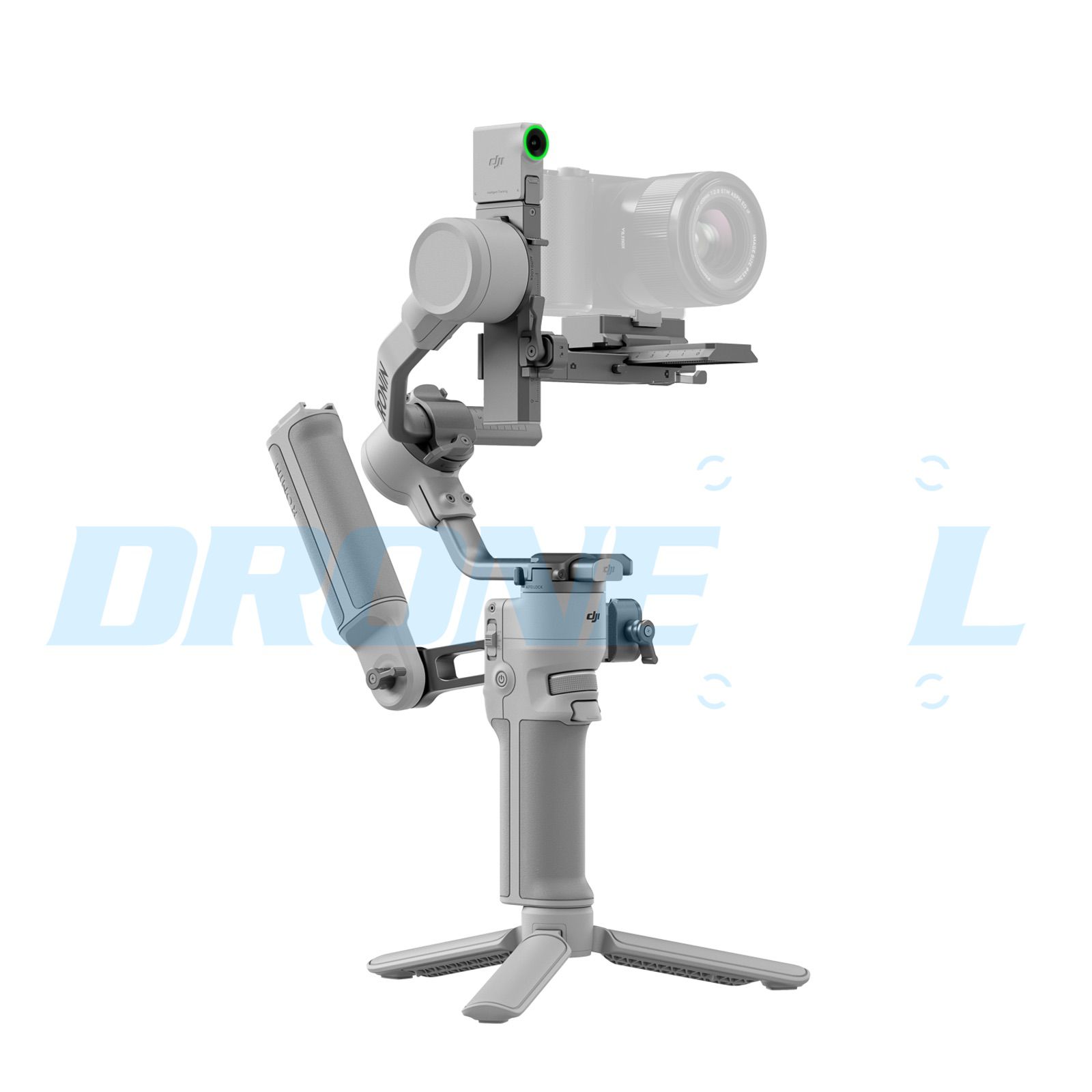
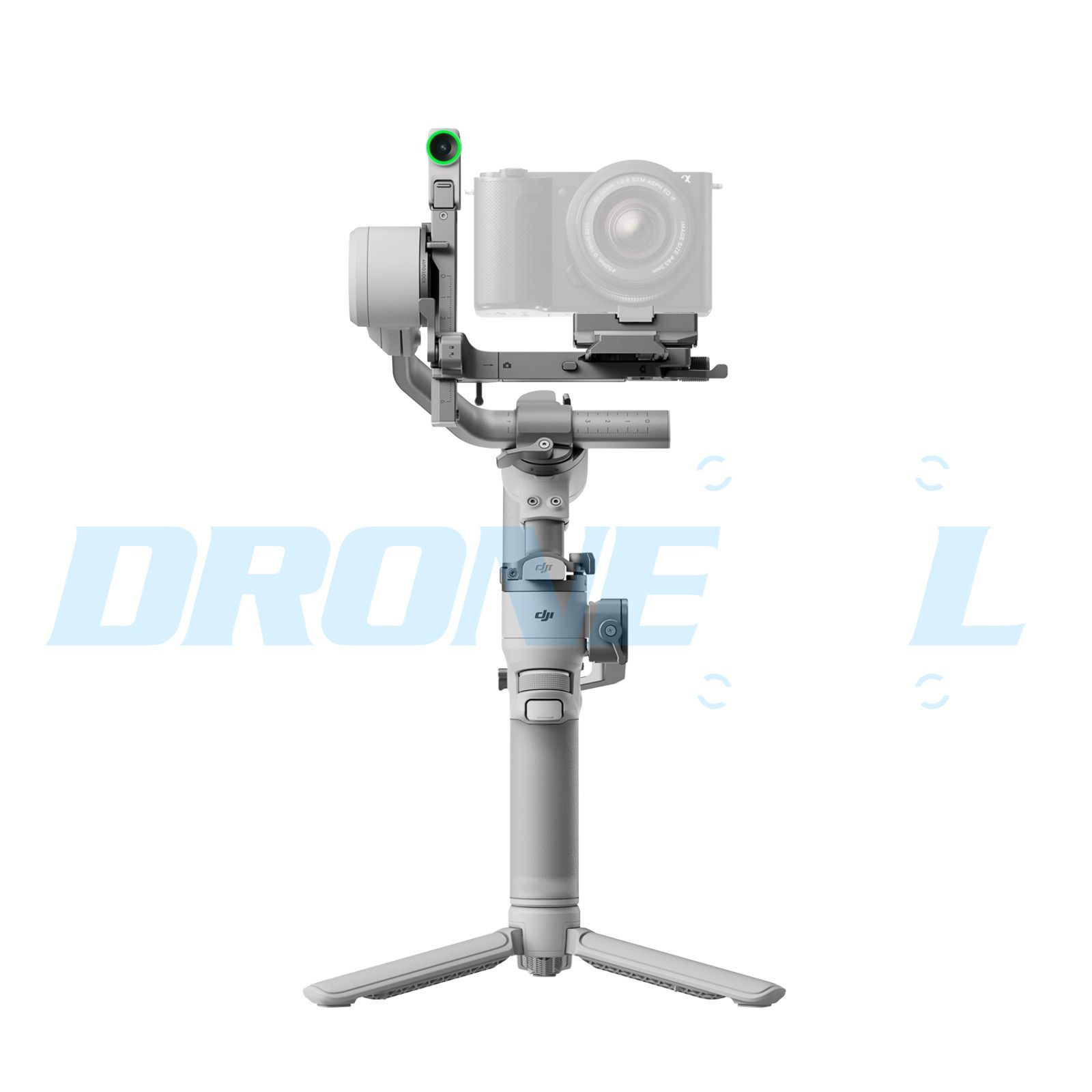
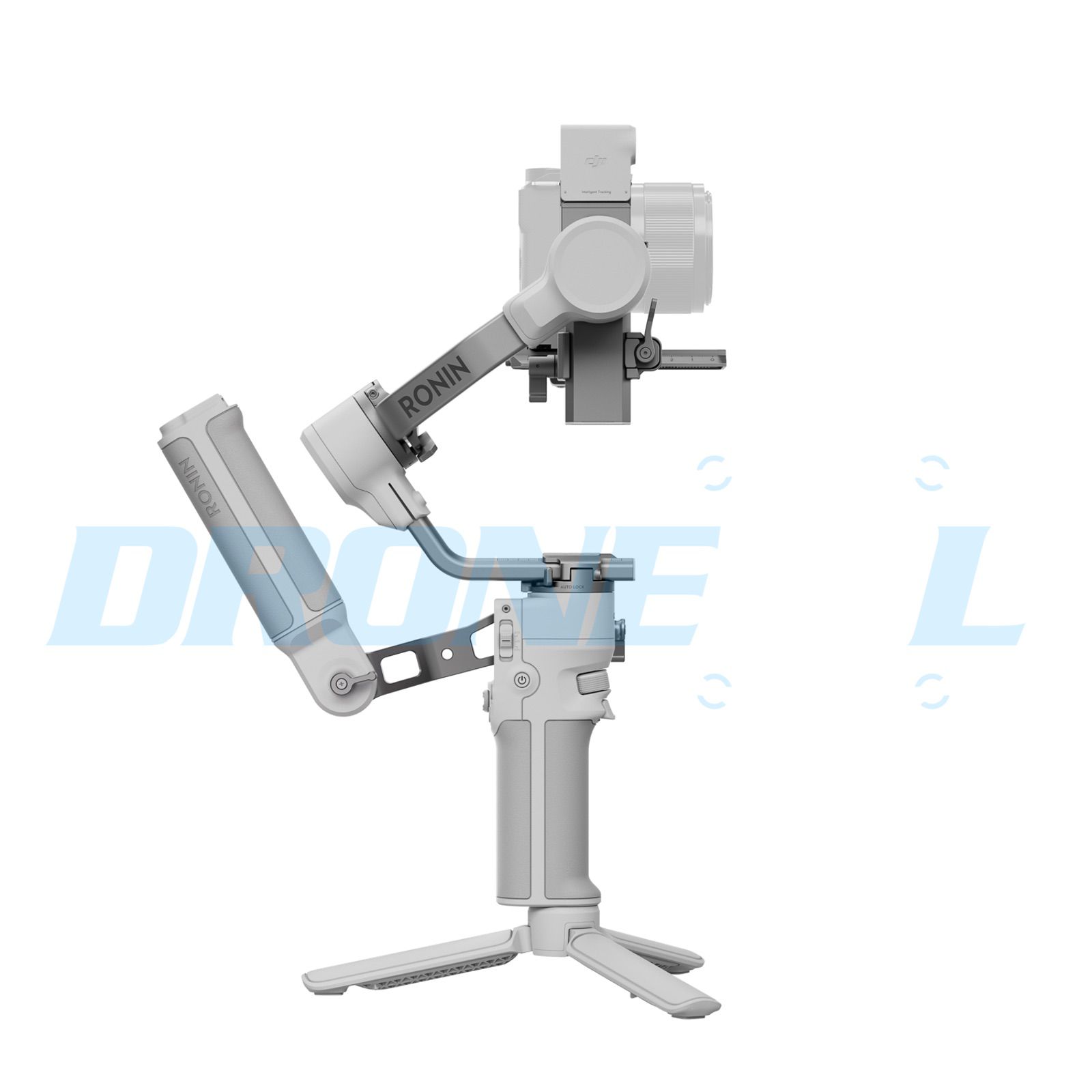
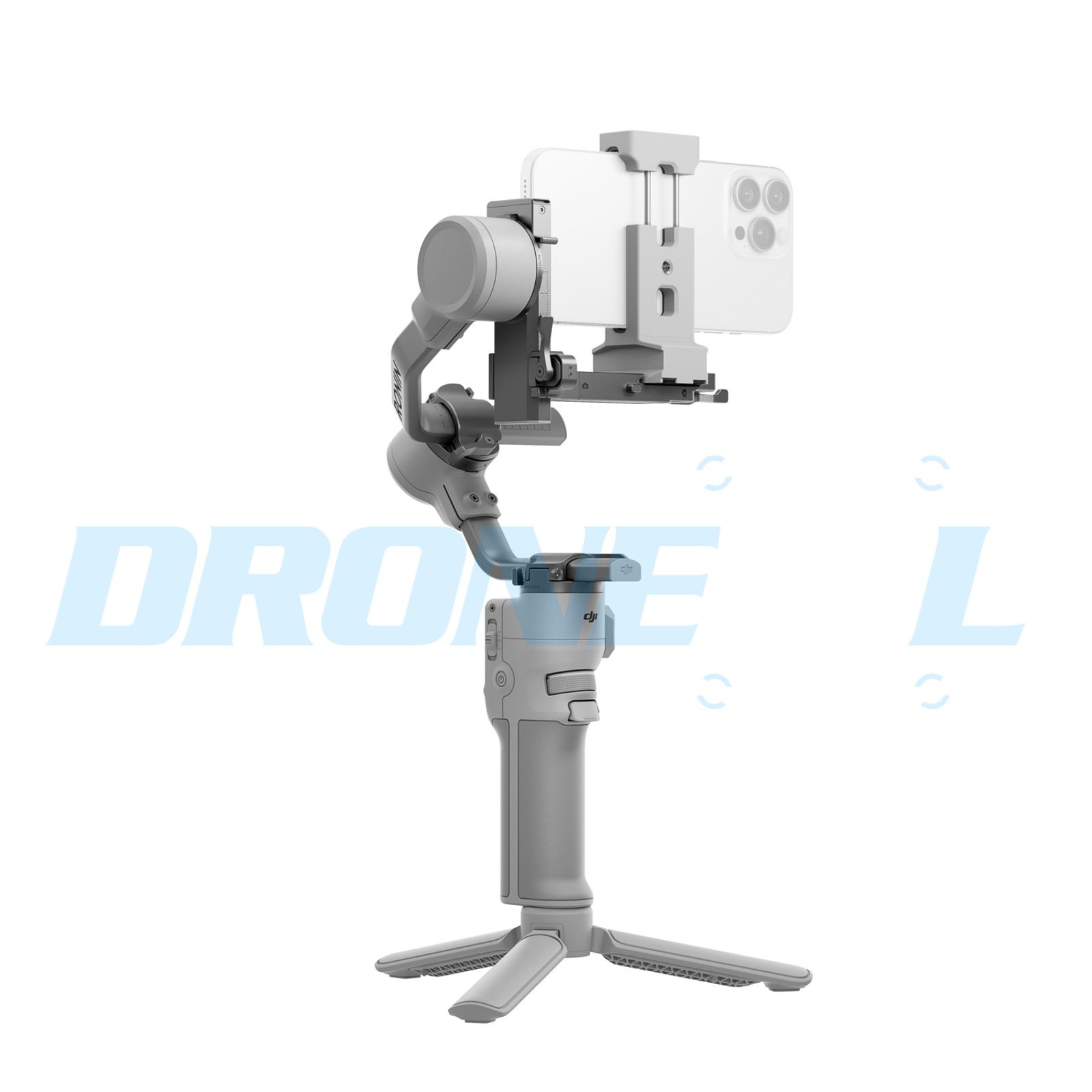
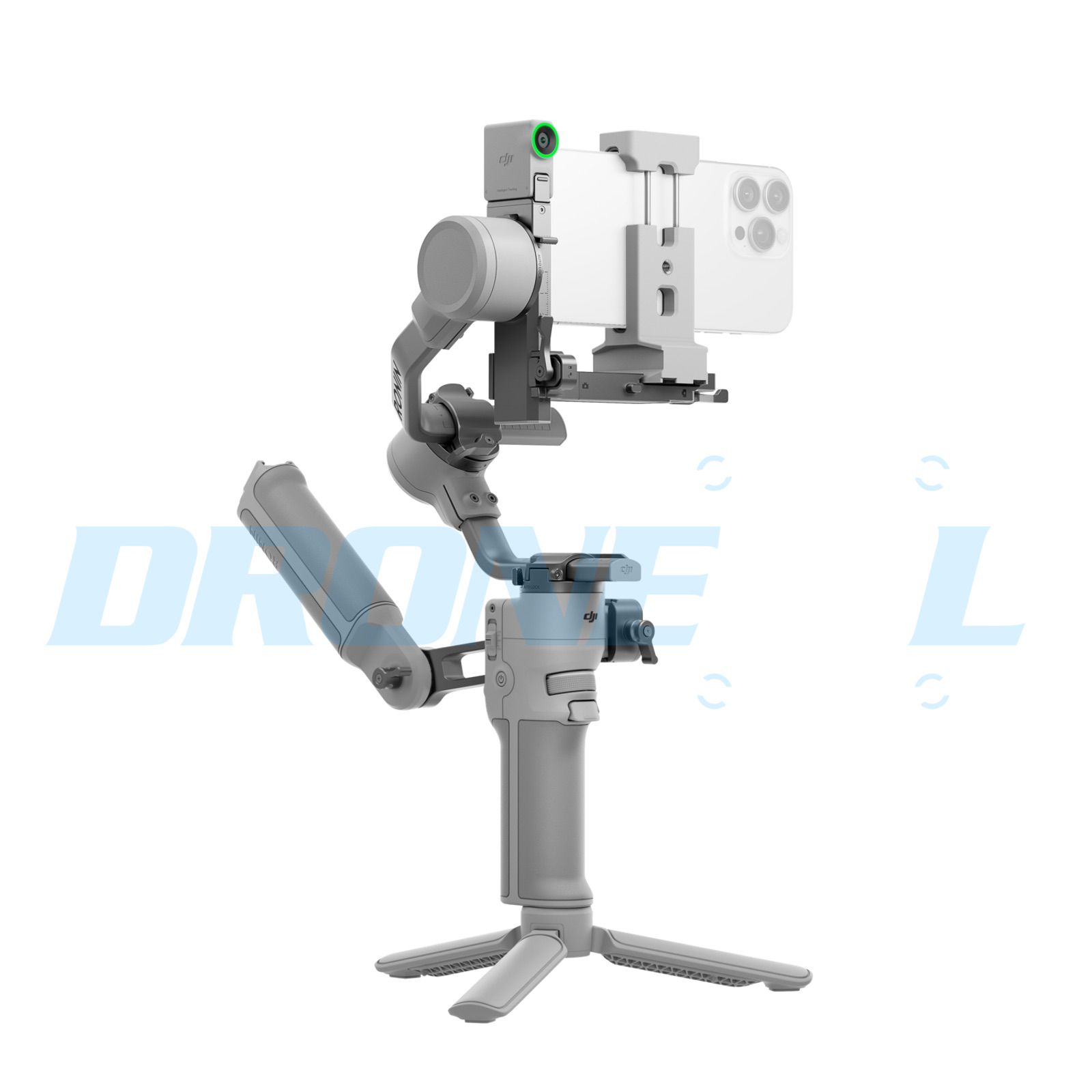
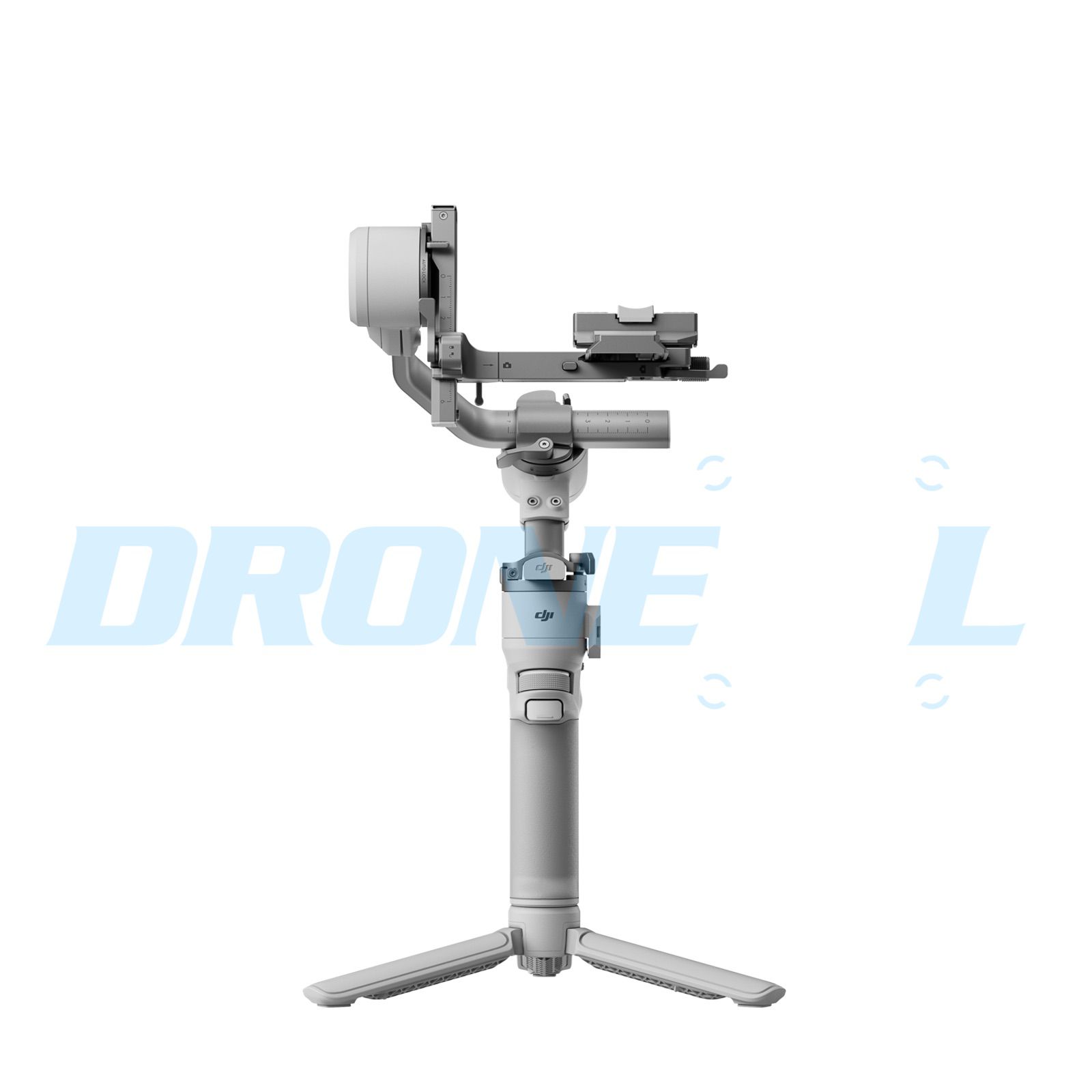
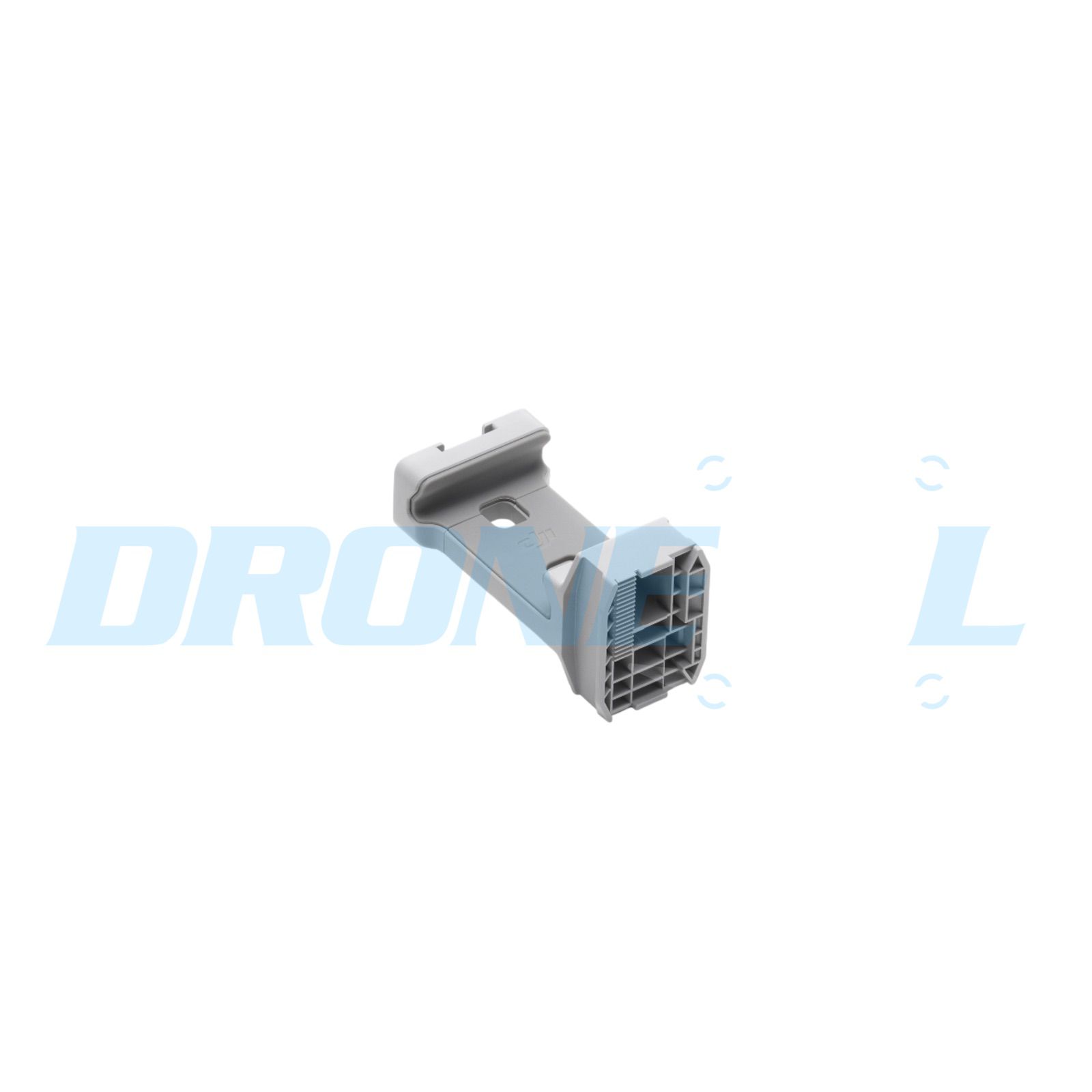
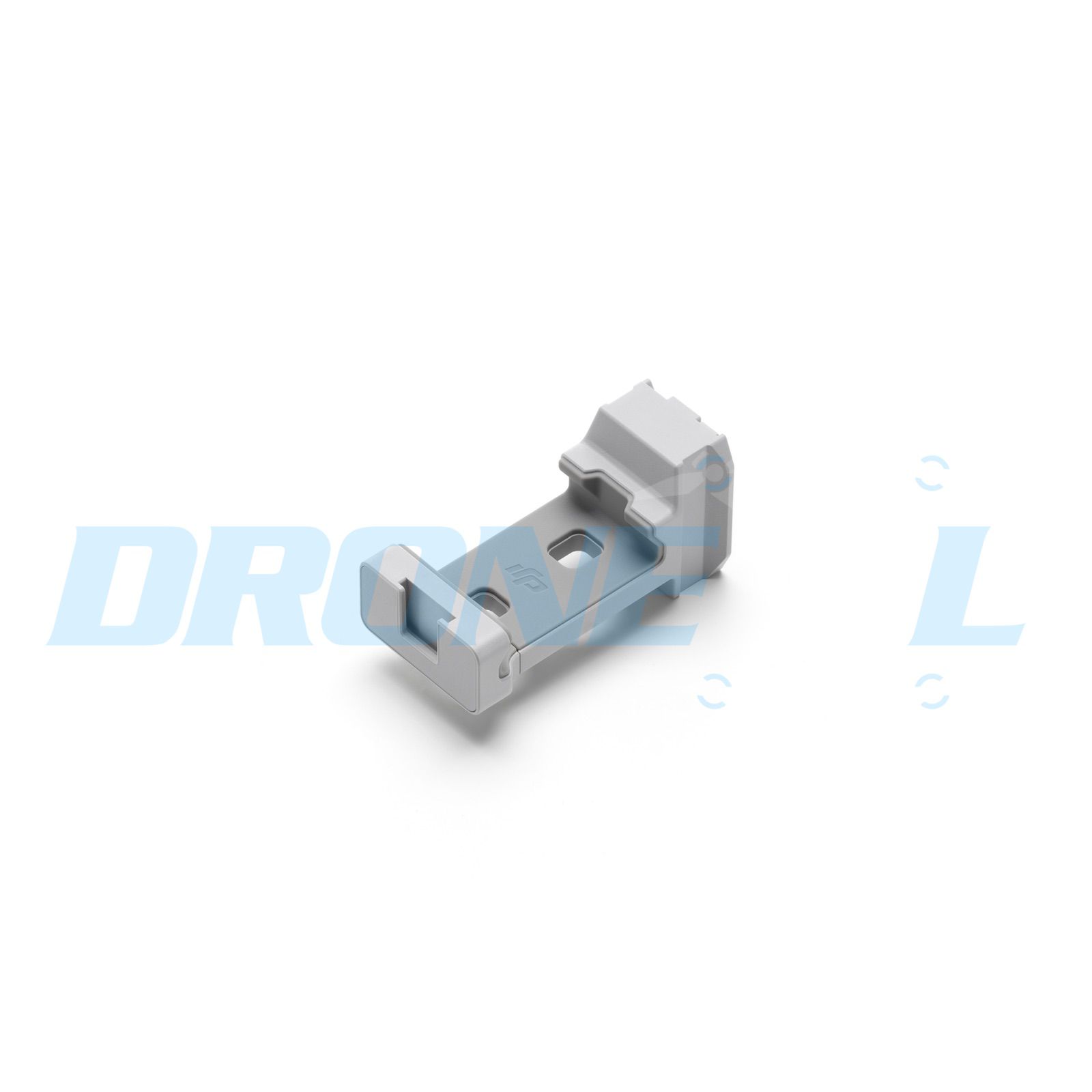
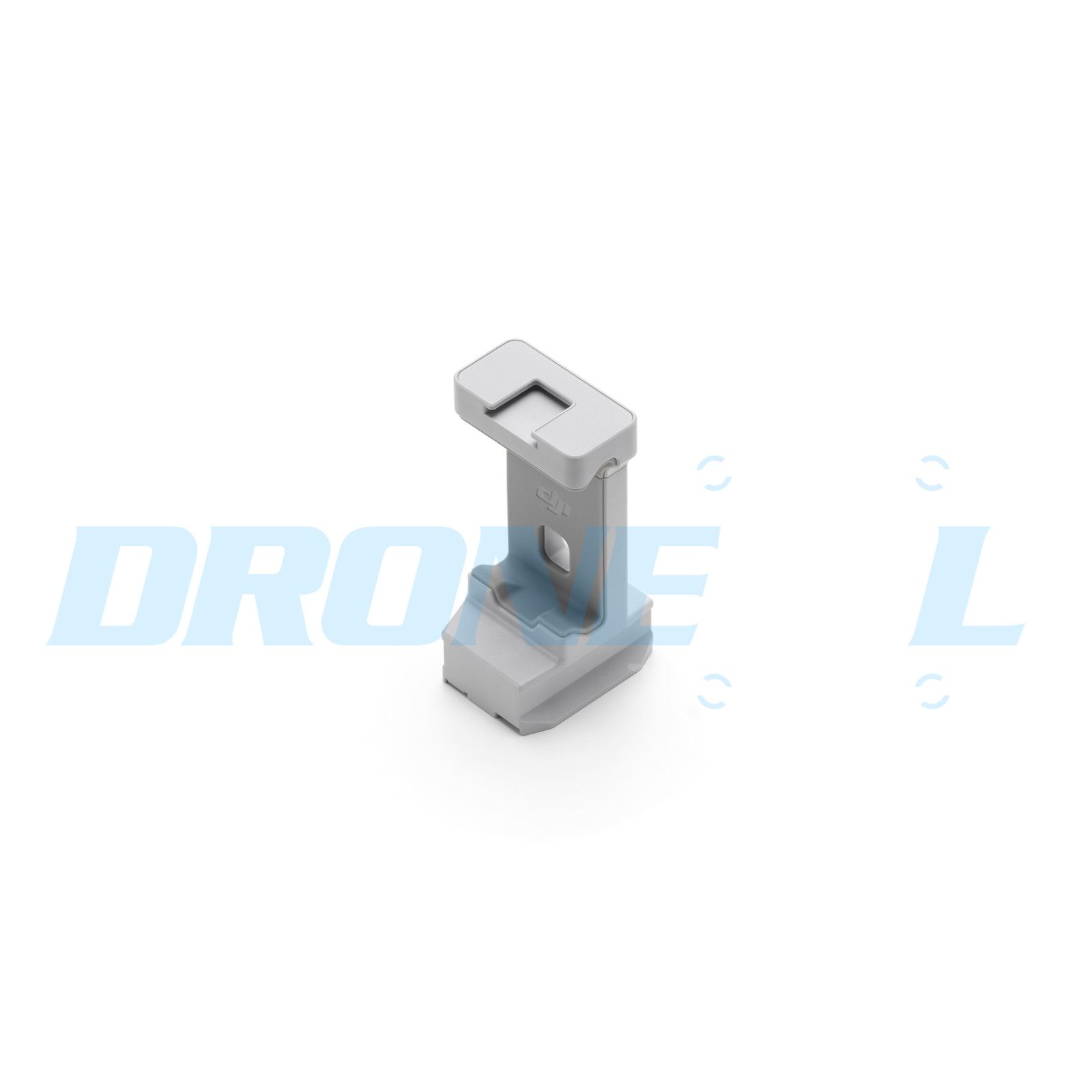
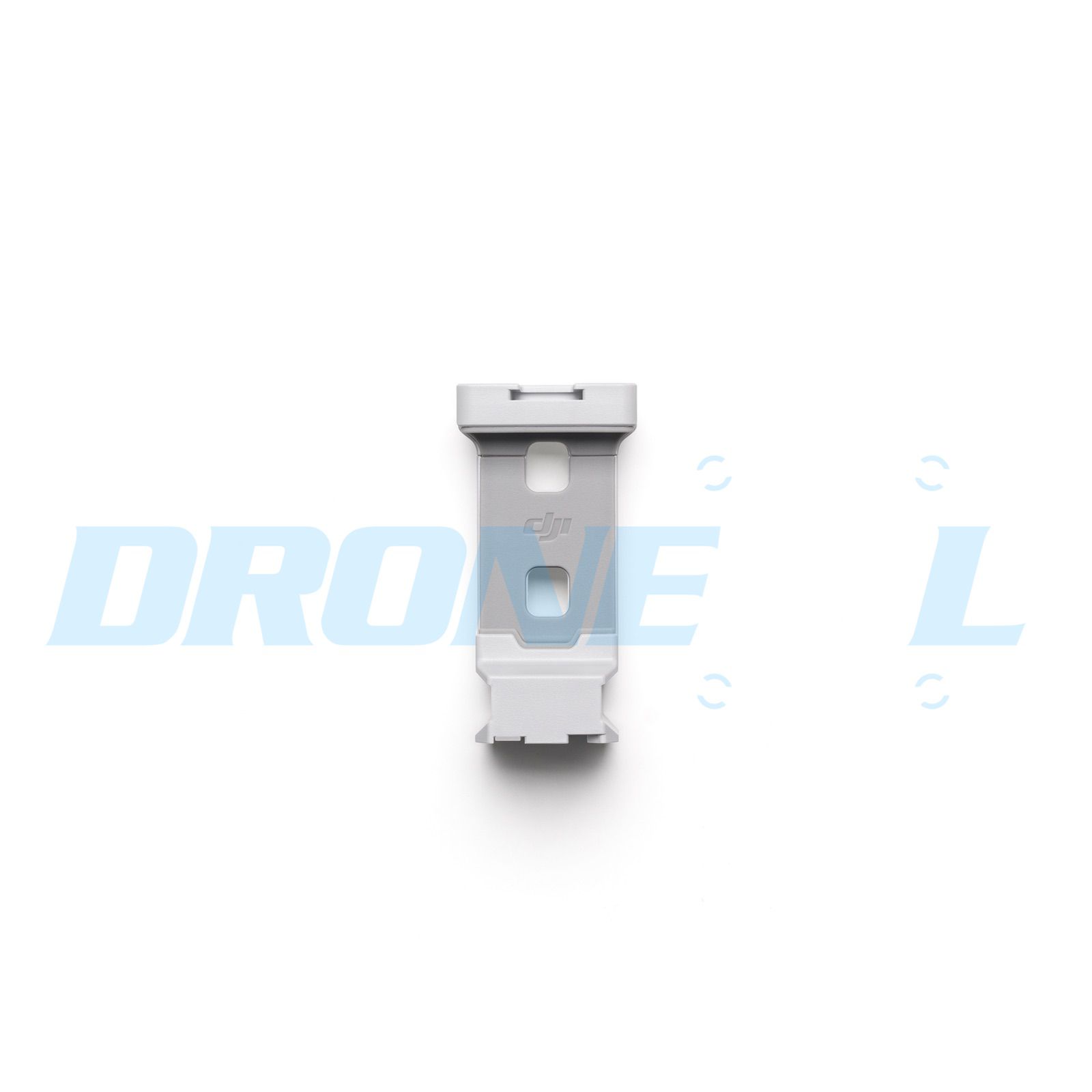
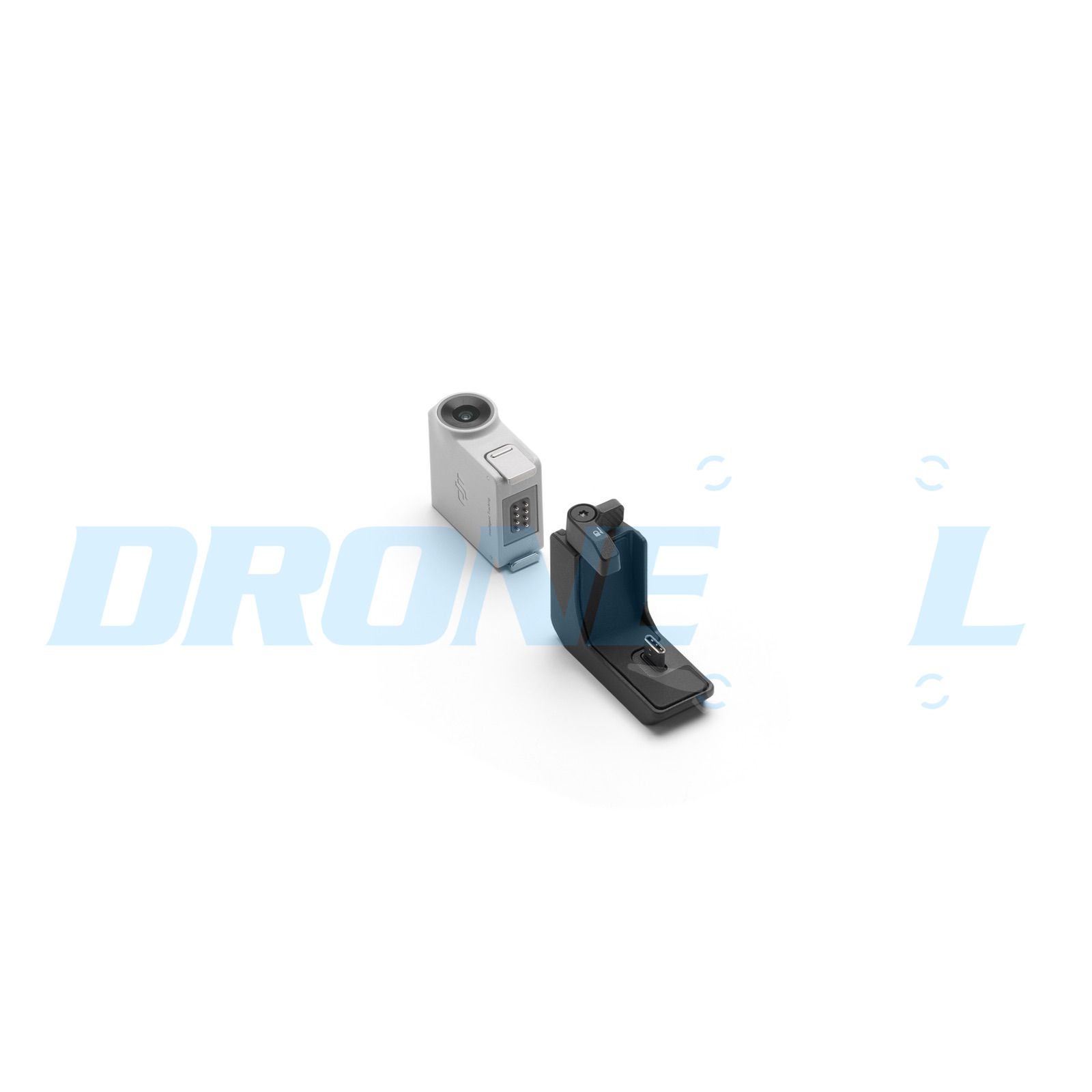
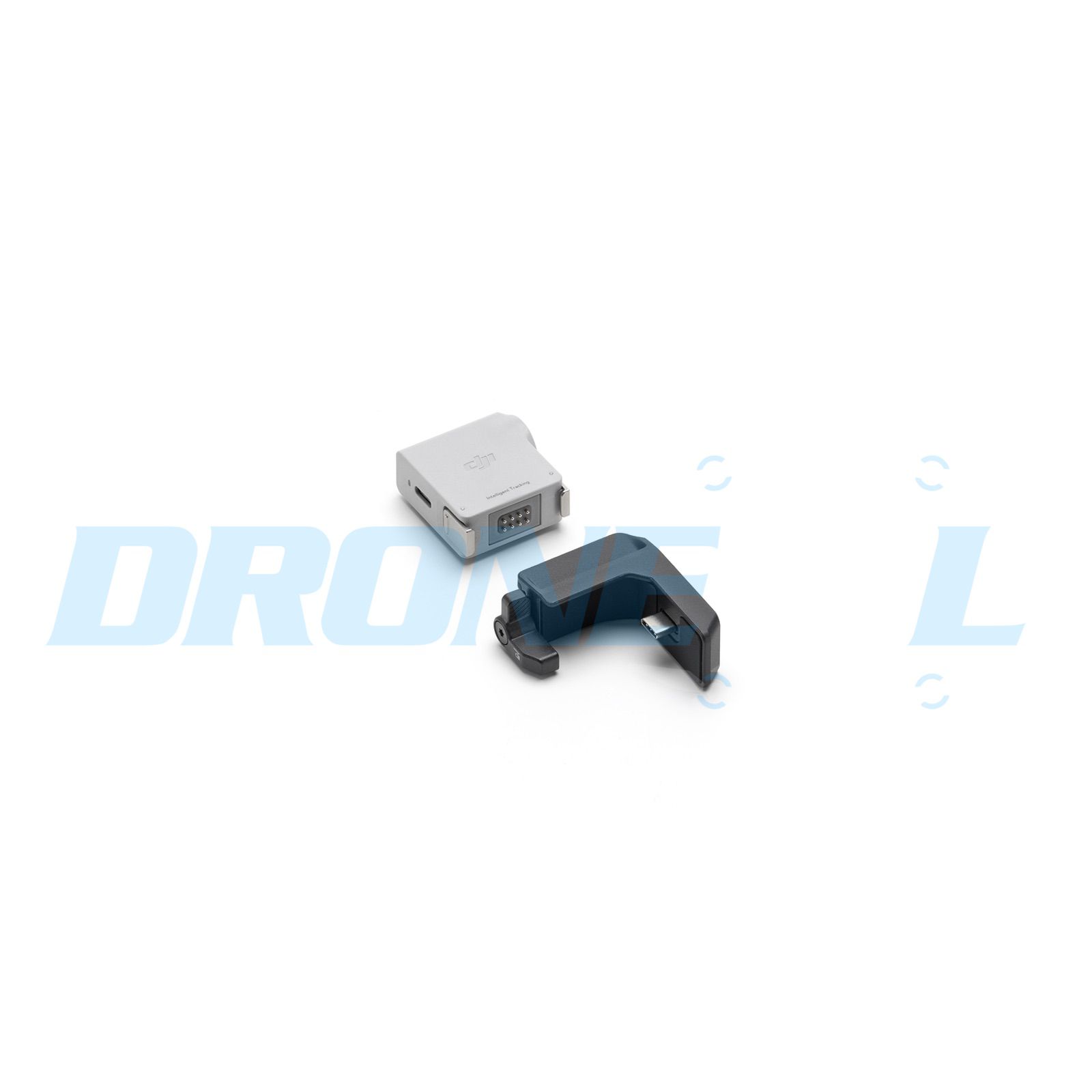
DroneXL.co has obtained exclusive photos of DJI’s upcoming RS 4 Mini handheld gimbal stabilizer, revealing significant upgrades including an AI-powered tracking system and two distinct variants. This new addition to DJI’s Ronin Series (RS) line appears to target both smartphone users and mirrorless camera operators with enhanced stabilization features.

DJI RS 4 Mini: Two Variants Offer Flexibility for Different Users
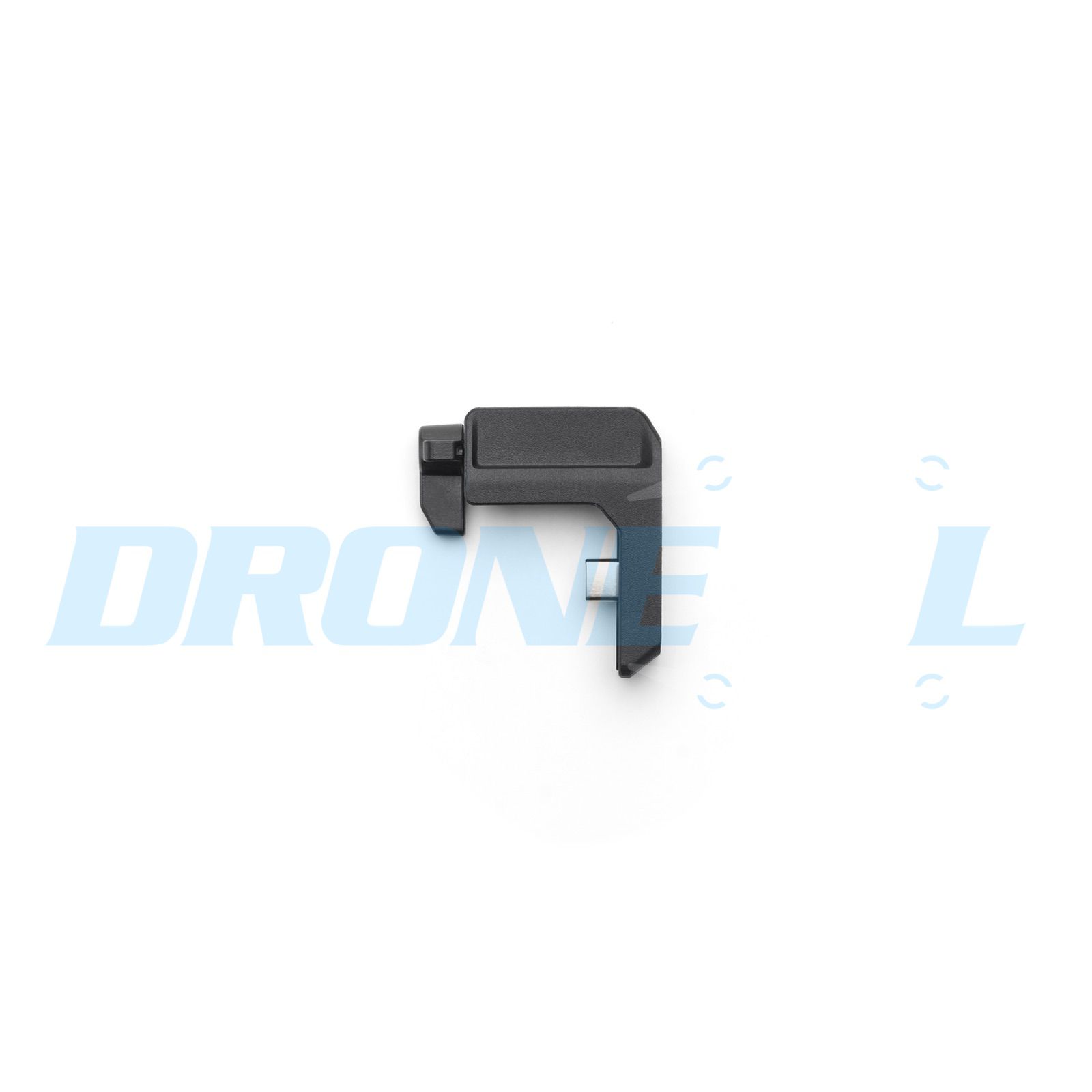
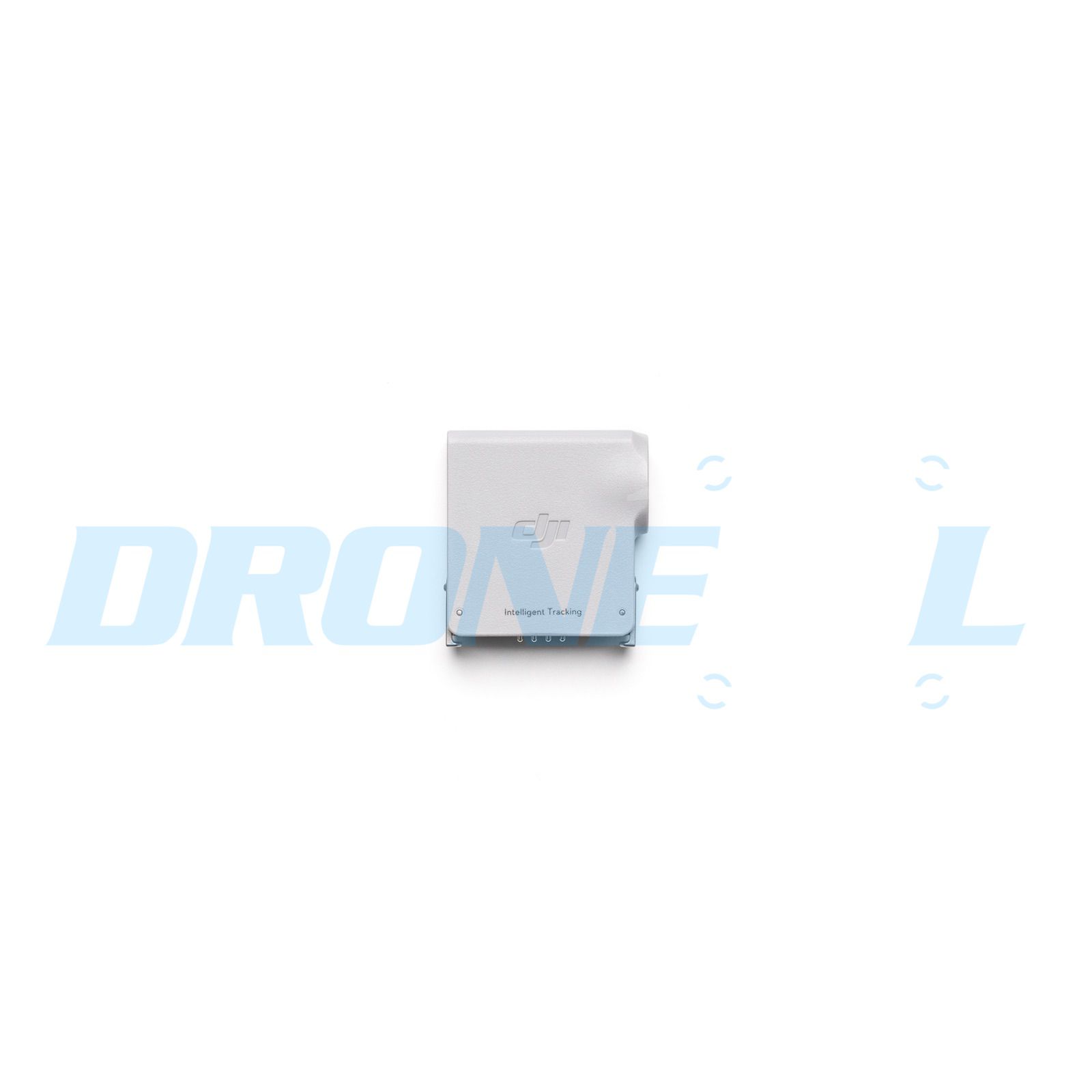
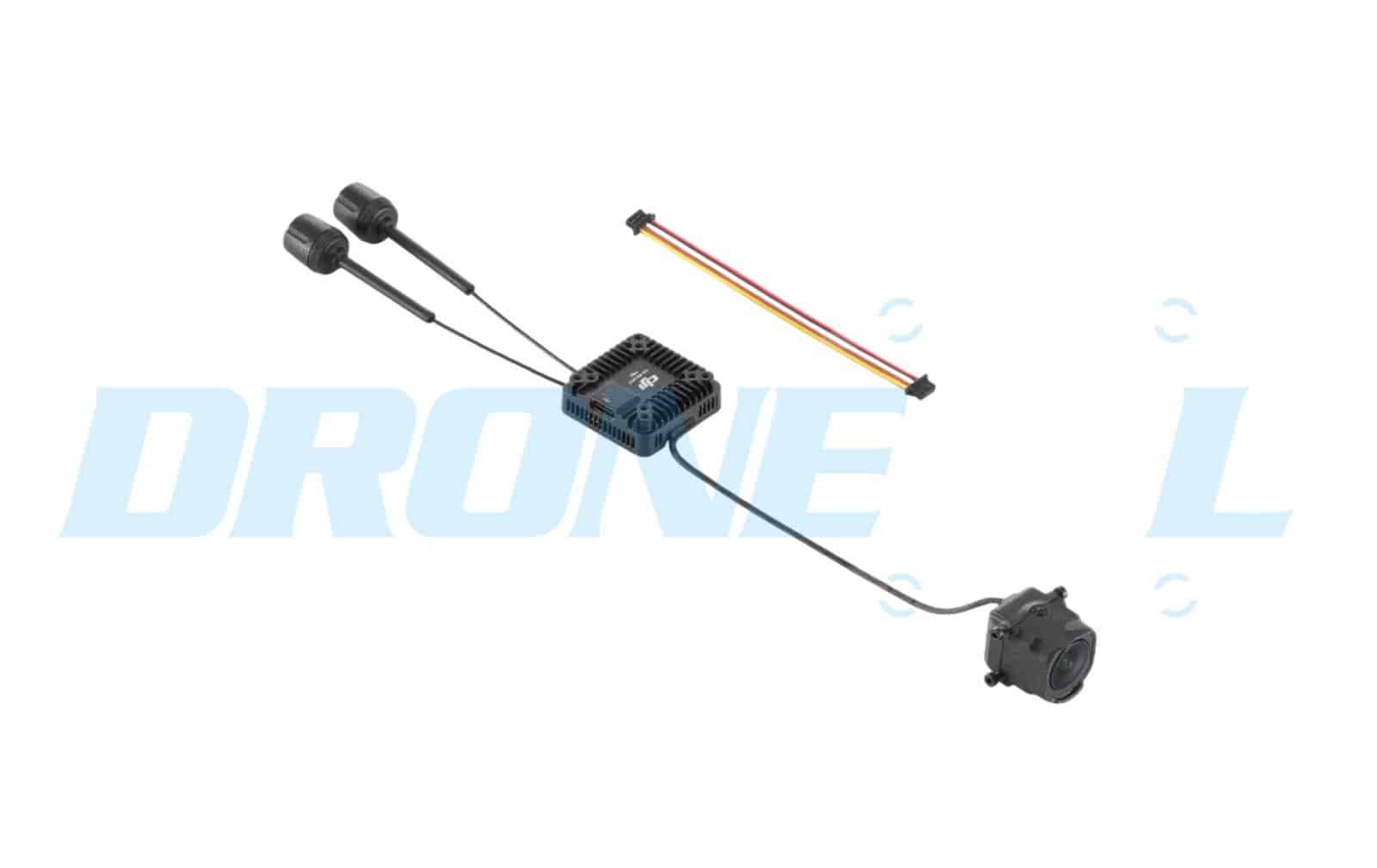
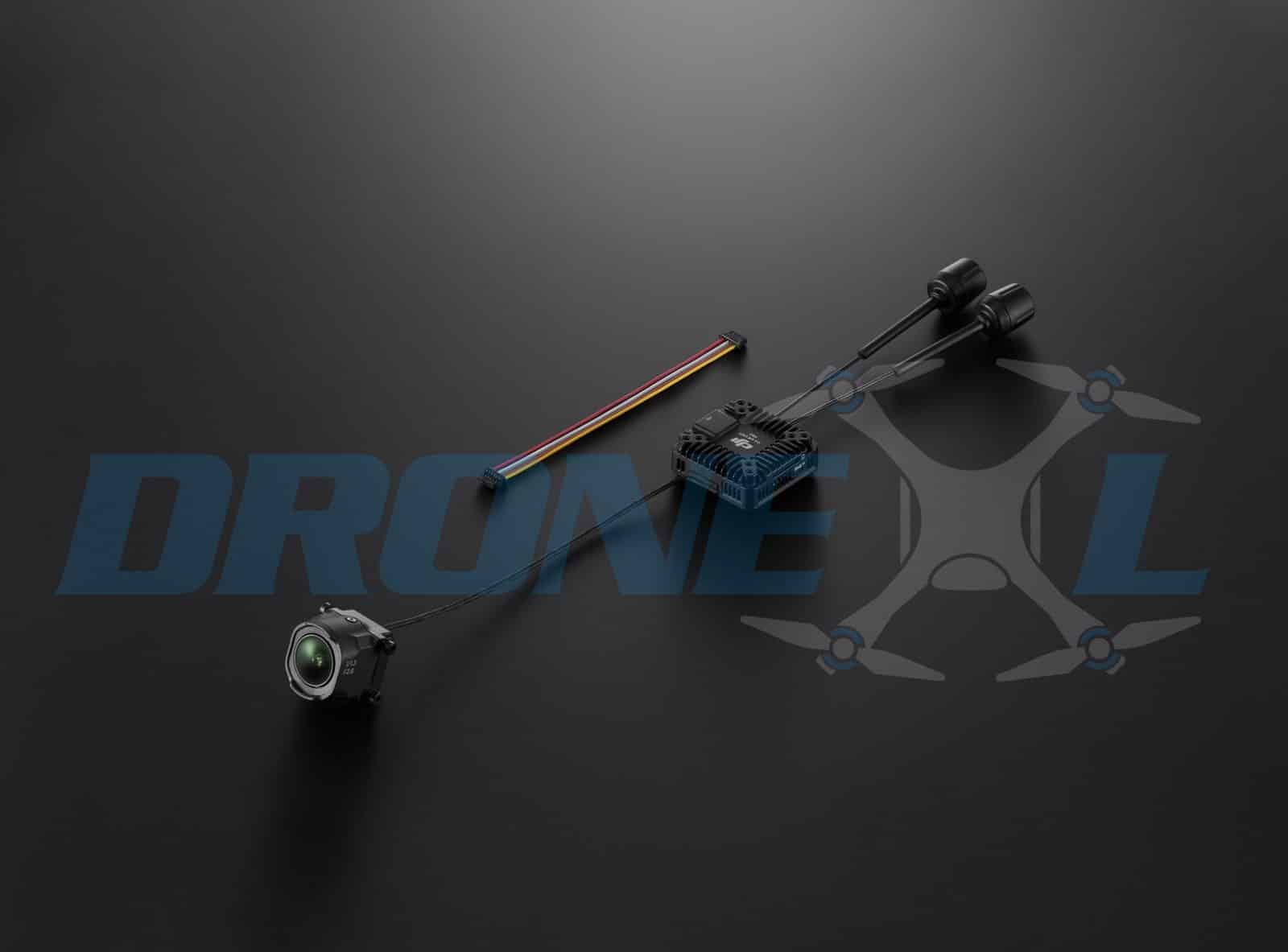
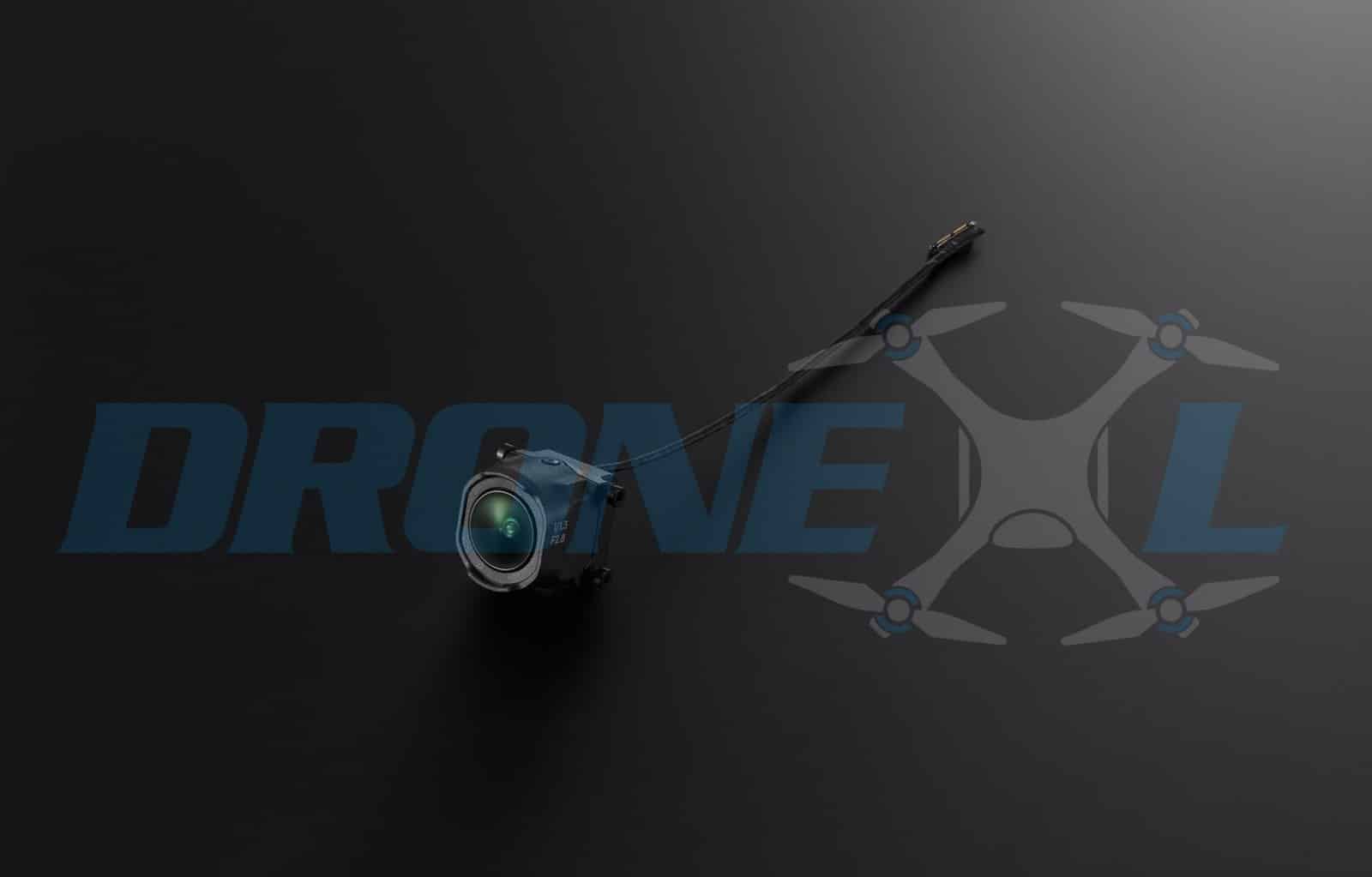
The leaked images showcase two versions of the RS 4 Mini. The base model provides essential stabilization features, while a premium variant includes an advanced AI tracking camera system similar to the technology found in the DJI Osmo Mobile 7 Pro. This tracking-enabled version also features an additional grip designed for dynamic “run and gun” shooting scenarios.


Design and Build
The RS 4 Mini sports a light grey finish and maintains DJI’s commitment to portable design. Notable physical features include:
- Built-in tripod feet for standalone operation
- Compatibility with both mirrorless cameras and smartphones
- Ergonomic design optimized for extended use
- Compact form factor maintaining the Mini series’ portable nature
Advanced AI Tracking System
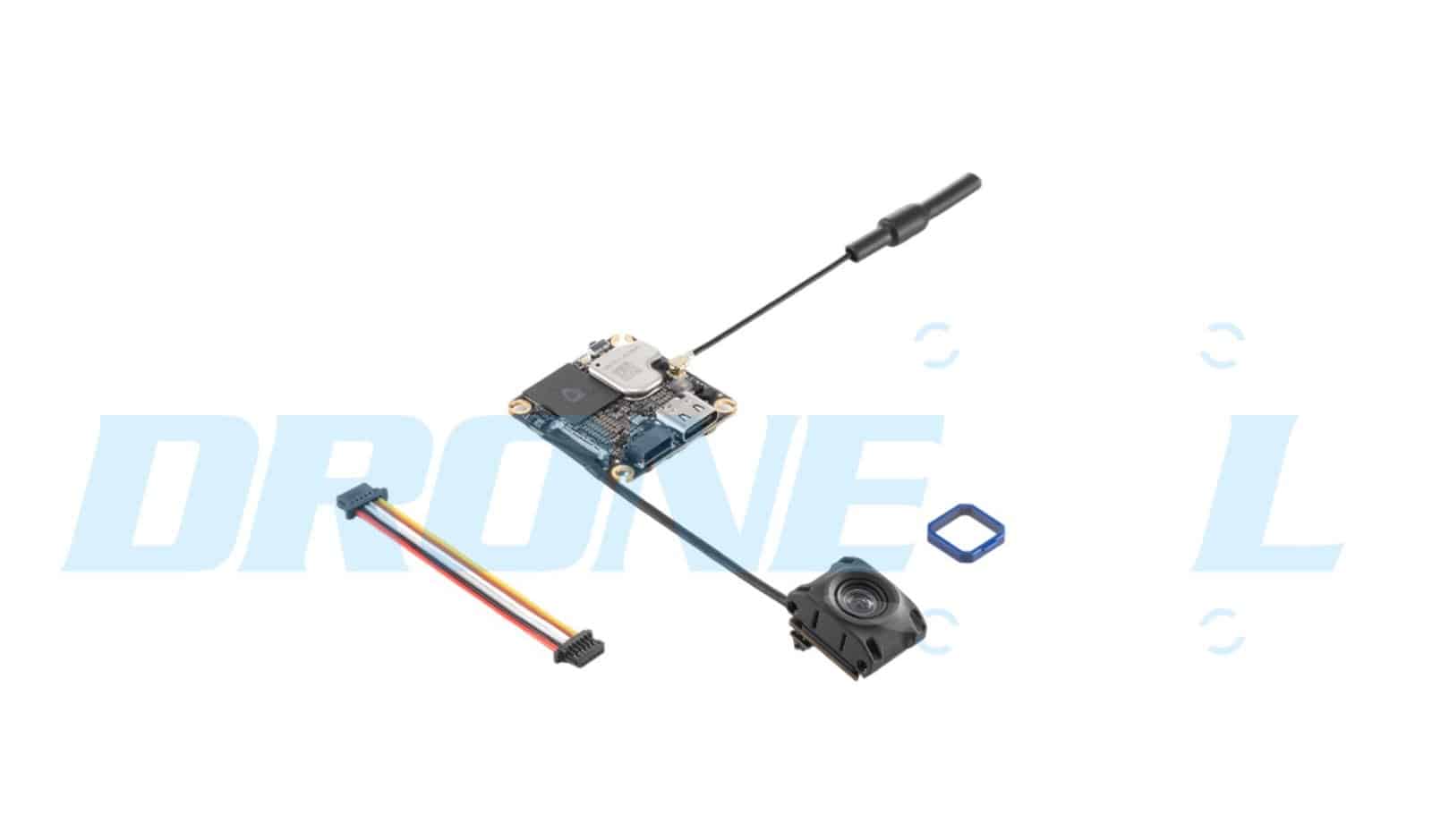
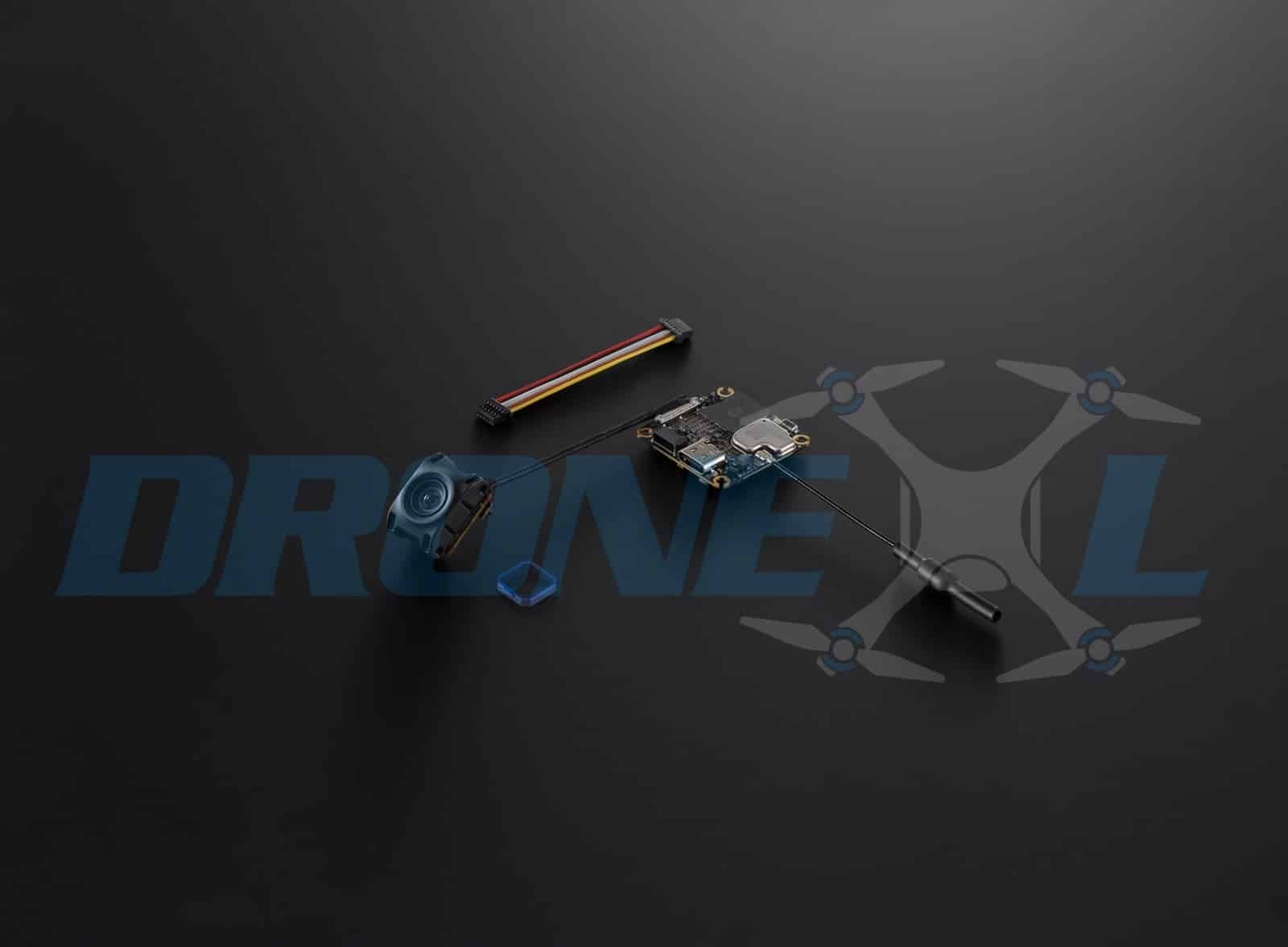
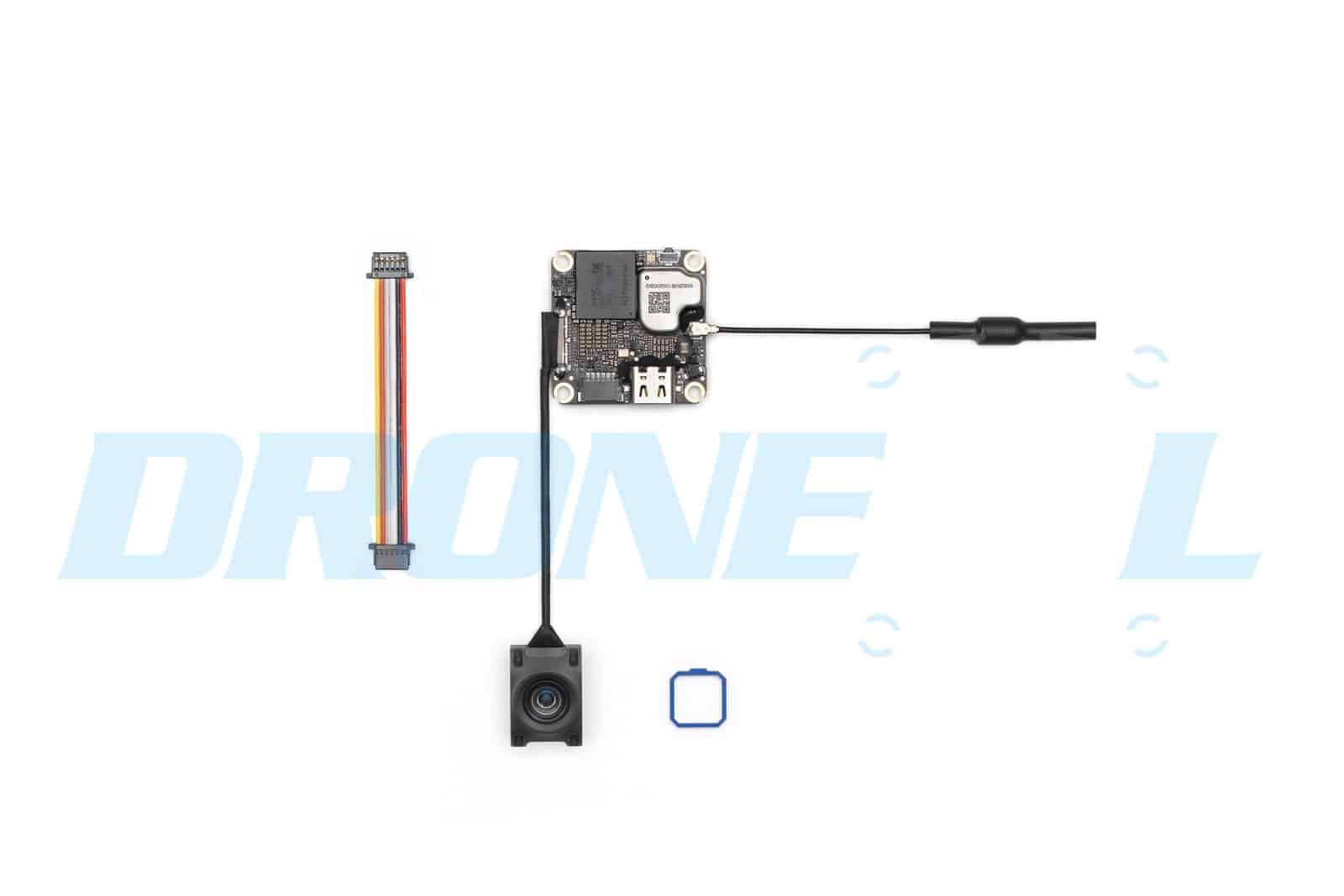
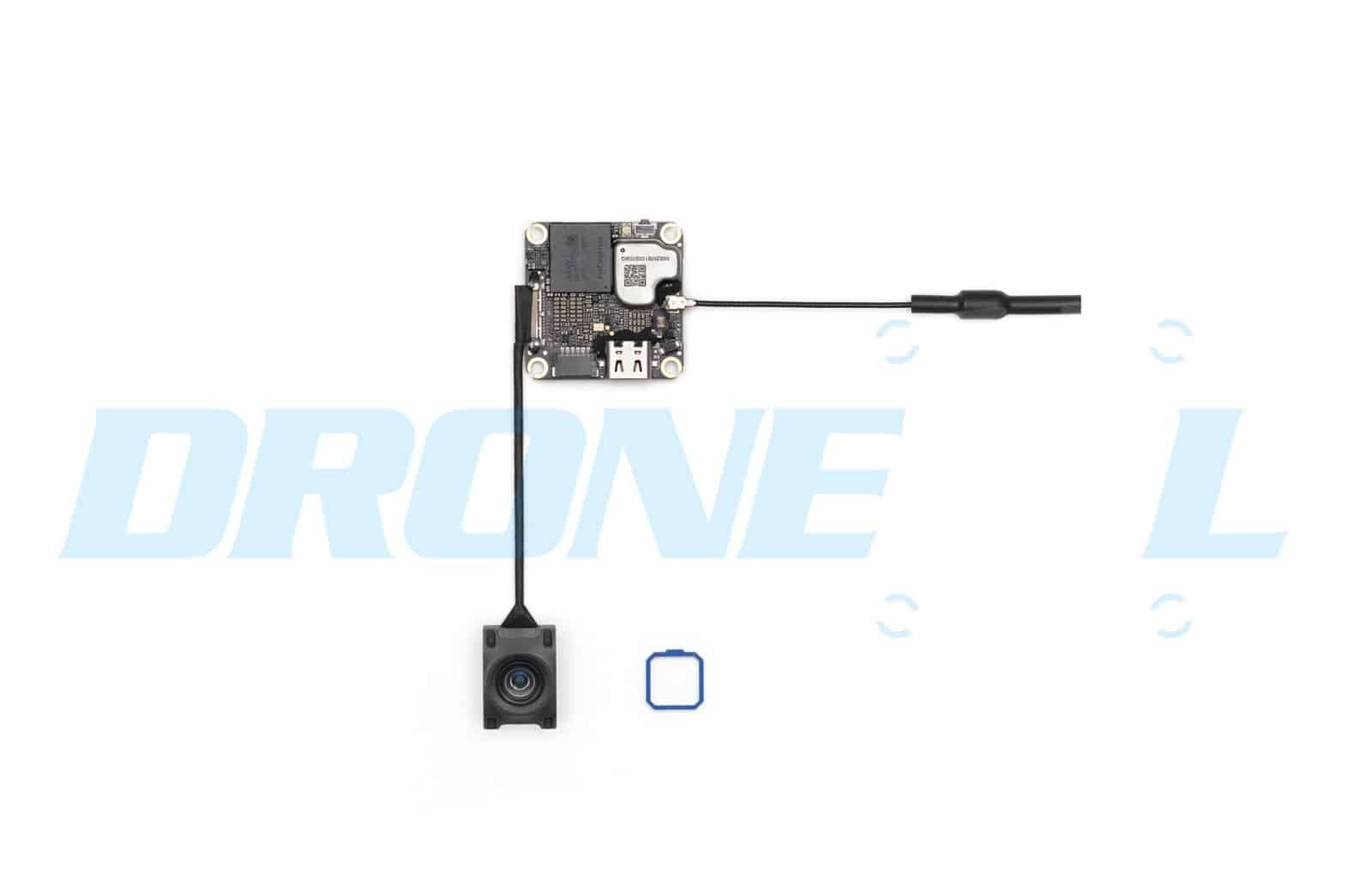
The premium variant’s standout feature is its dedicated tracking camera, suggesting DJI is bringing its advanced subject tracking capabilities to the RS lineup. This system is expected to offer:
- Real-time subject recognition and tracking
- Enhanced AI-powered focus capabilities
- Improved tracking accuracy compared to previous models
- Seamless integration with supported cameras
Market Positioning and Context
The RS 4 Mini’s dual-variant strategy appears to address different segments of the content creator market. The standard version serves users seeking essential stabilization, while the tracking-enabled model caters to more demanding scenarios requiring autonomous subject tracking.
This release follows the success of the RS 3 Mini, which currently retails for $279.00 USD. The new model’s features and dual-variant approach suggest DJI is expanding its market presence in the compact gimbal segment while introducing professional-grade tracking capabilities previously reserved for higher-end models.
Industry Implications
DJI’s integration of AI tracking technology into the RS Mini series represents a significant evolution in compact gimbal capabilities. This development could reshape expectations for entry-level professional stabilizers, potentially influencing competitor products and market dynamics.
The addition of smartphone compatibility also indicates DJI’s recognition of the growing mobile content creation market, offering a professional-grade solution for both smartphone and mirrorless camera users within a single product line.
Looking Ahead
While the official release date remains unconfirmed, the completeness of the leaked product and DJI’s typical release patterns suggest a launch may be imminent. The RS 4 Mini appears positioned to strengthen DJI’s dominance in the handheld stabilizer market while introducing advanced features to a broader user base.
DroneXL will continue to monitor developments and provide updates as more information becomes available about this exciting addition to DJI’s gimbal lineup.