

For most of us, getting hot food delivered is a simple luxury we take for granted. But for the residents of the thousands of remote islands in countries like Sweden, it’s often an impossibility. Now, a Norwegian startup named Aviant is changing that, using a fleet of autonomous drones to deliver hot burgers to an island community near Stockholm.
It’s a brilliant and practical use of drone technology that goes beyond the hype of urban delivery. This isn’t about satisfying a craving in a dense city; it’s about bridging a real logistical gap and bringing a modern convenience to a community that was left behind.
Closing the Delivery Gap
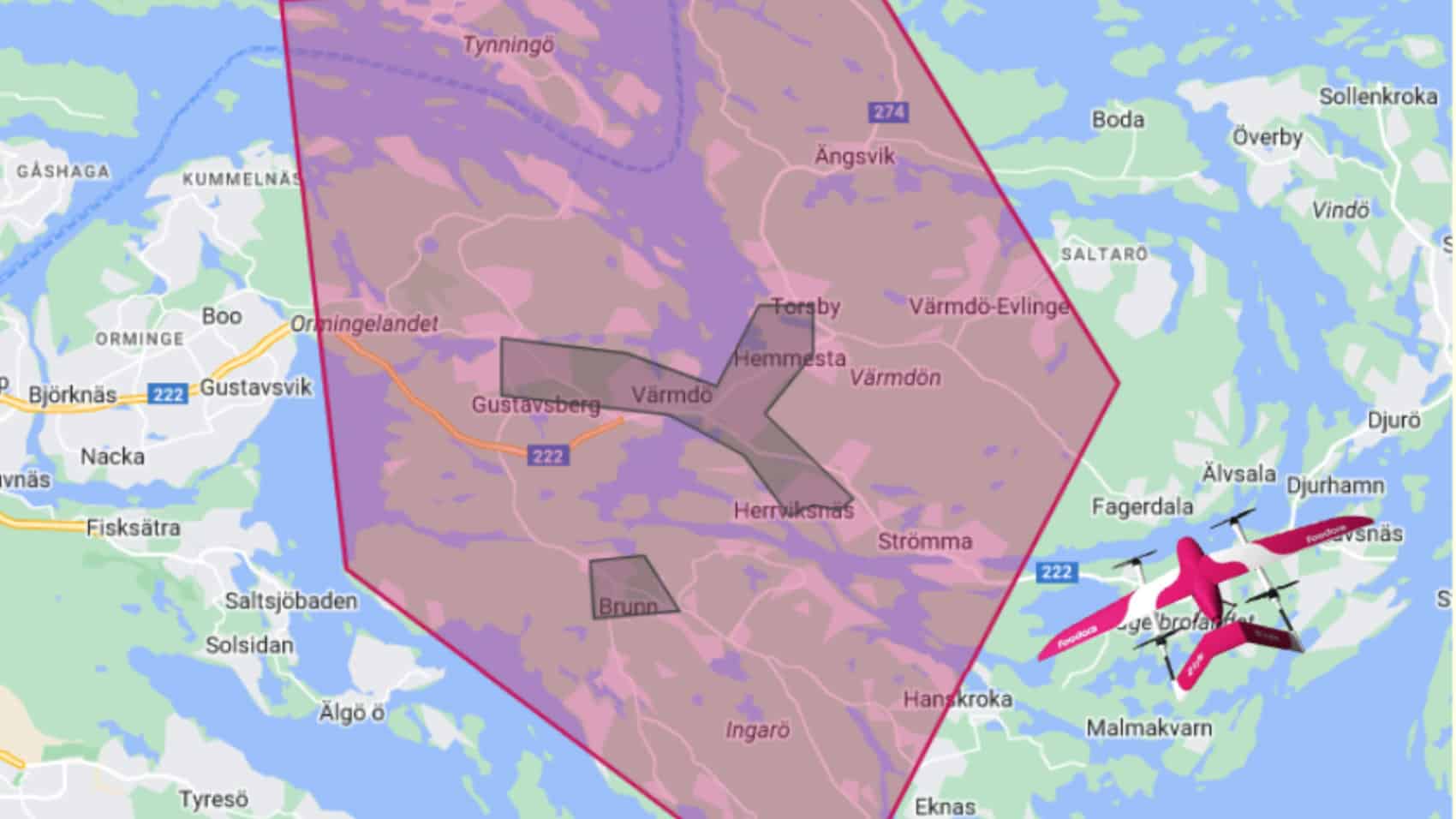
The geography of Scandinavia is dotted with nearly 700,000 islands. On the island of Värmdö, just 13km from Stockholm, live 46,000 residents (a number that swells to 100,000 in the summer). Despite its proximity to the capital, hot food delivery has been a major challenge.
Aviant saw an opportunity. Since February, they’ve been running a beta test, allowing locals to order from a popular restaurant, Bastard Burgers, via an app. A custom-built delivery drone then autonomously flies the meal directly to the customer’s door. According to CEO Lars Erik Fagernæs, the service is cost-competitive with car or bike delivery because it eliminates the need for a driver and a costly ferry trip.

While they are starting small with about 10 deliveries a week, the potential is enormous. Fagernæs points out that there are nearly 87,000 people in the region who currently have no access to food delivery. For them, this isn’t a novelty; it’s a game-changer.
The Tech and The Challenges
Aviant’s drones are purpose-built for this kind of work. They are designed for precision drops, navigating the complex archipelago with advanced GPS and obstacle avoidance systems. They are also far more eco-friendly than the traditional delivery methods involving cars and boats.
However, the path to a full-scale rollout isn’t without its challenges. The biggest hurdles are regulations and demand. In the UK, a similar company called Skyports trialed hot food deliveries to the Orkney islands back in 2021 but had to pause the project because the rural demand wasn’t high enough to make it commercially viable on its own.
Regulations often require drones to fly in segregated, low-risk airspace, which can be complicated to arrange. But authorities in the UK and elsewhere are slowly opening up the skies, recognizing that with advanced navigation and hazard detection, these services can be operated safely.
A New Model for Rural Logistics
This isn’t just about burgers. The success of this trial could create a blueprint for all kinds of remote and rural drone logistics. Think about delivering groceries to an elderly person’s cabin, rushing prescription medications to a remote village, or delivering a critical spare part to a stranded boat.

Companies like Skyports in the UK are watching closely. They are now exploring the idea of using their Royal Mail delivery drones to subsidize food delivery, using an “anchor customer” to make the economics work. It’s a smart model that could finally unlock the potential of drone delivery for the communities that need it most.
DroneXL’s Take
It’s stories like this that get me truly excited about the future of our industry. We hear so much about the big, flashy drone applications—urban air taxis, massive military contracts—but this is where the technology proves its real-world value. This is about using a drone to solve a simple, human problem: getting a hot meal to someone who couldn’t get one before.
“Real talk,” the challenges of rural drone delivery are immense. The low demand, the high cost of the initial setup, and the brutal weather you can face over open water are all significant hurdles. I’ve had my drone fight against winds that felt like they came out of nowhere; I can only imagine what these delivery drones have to endure.
But what Aviant is doing is proving that it’s possible. They are methodically building a case for a new kind of logistics network, one that is decentralized, eco-friendly, and serves everyone, not just people in big cities.
This is the quiet, practical side of the drone revolution. It’s not as dramatic as a laser-equipped military drone, but in its own way, it’s far more impactful. It’s about making life a little bit better, a little more connected, one burger at a time. And as a chef and a tech lover, that’s a mission I can definitely get behind.


