Schofield Soldiers Build New Drones for Pacific Missions

Check out the Best Deals on Amazon for DJI Drones today!
Schofield Barracks has become one of the most active testing grounds for soldier built drones inside the United States Army. The 25th Infantry Division’s Lightning Lab is leading this push as Defense One reports. The unit is building, modifying, and flying new first person view drones that are meant to support operations across the Pacific.
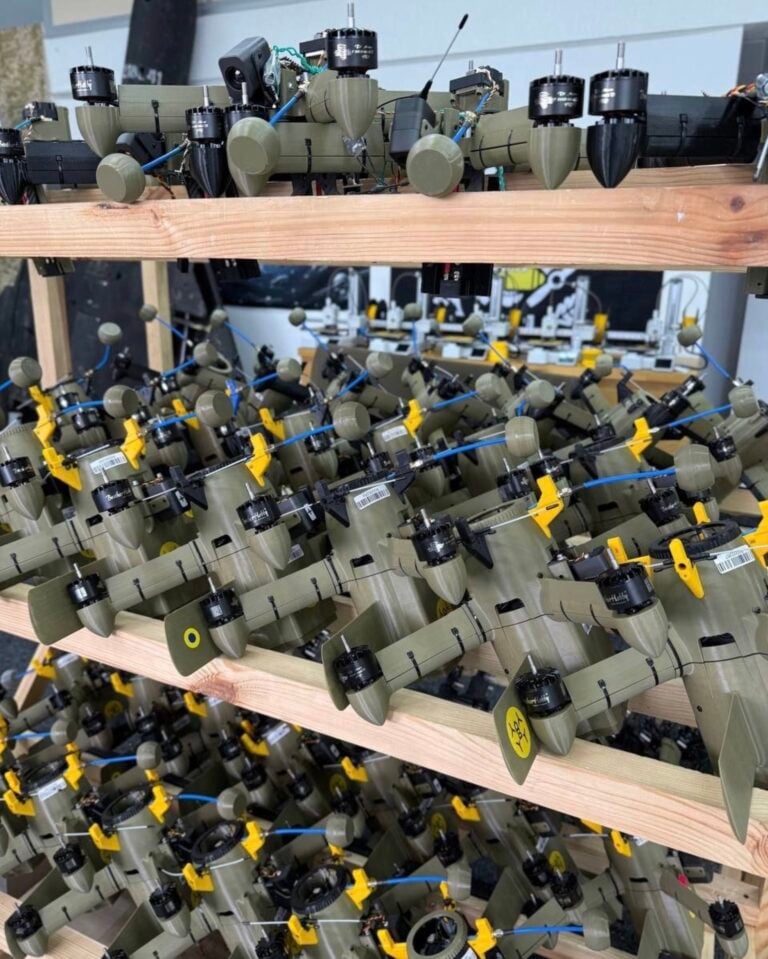
What once looked like a distant idea is now part of daily training. Soldiers are printing drone frames on base. They are adding motors, cameras, radios, and circuit boards that come from common commercial parts. They are also designing new software workflows that let them repair damaged aircraft in hours instead of weeks.

The program continues to grow because the division wants fast moving tools that match the scattered islands and difficult jungles of the Indo Pacific. Commanders say the unit needs drones that can scout ahead, find threats early, and reduce risk for soldiers on patrols and long range missions.
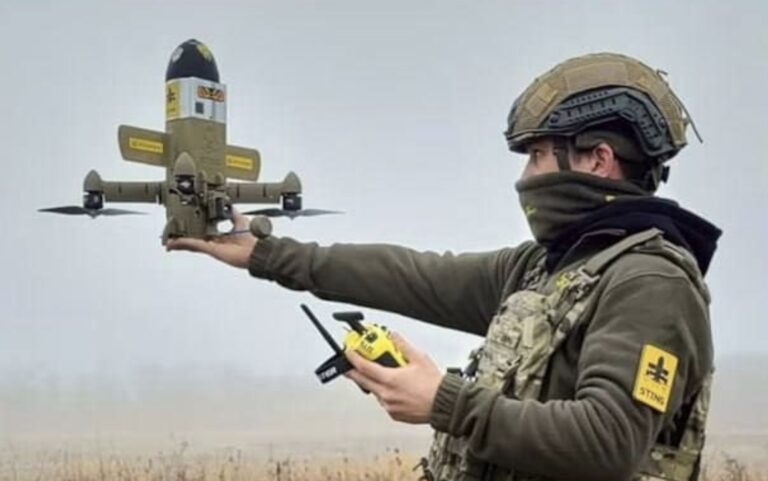
Lightning Lab’s most talked about project is the Capstone drone. It began as a simple FPV platform but it has now become a modular system that crews can adjust depending on the mission. During several training events in Hawaii and the Philippines, the drone was flown in scenarios that simulated contested airspace.

Soldiers used the small aircraft to provide live video, spot enemy positions, and support artillery. The lab worked with explosive ordnance specialists to create a safe detonation mechanism that allows the drone to carry a small charge when needed. That addition represents a major shift because it shows that low cost in house platforms can move beyond simple surveillance.
New capabilities tested across the Pacific
During exercises like Salaknib and the Joint Pacific Multinational Readiness Center rotations, the division deployed large numbers of these drones. Some events included more than one hundred soldier built aircraft in the air at the same time.

That level of activity highlights rapid growth in training. Only two years ago the division relied almost entirely on factory made drones with fixed ranges and slow replacement times. Today the unit can print new frames, swap damaged arms, and rebuild complete systems inside small workshops at Schofield Barracks or in field locations across the region.
Range is also improving. Earlier versions could travel only a few kilometers before signal quality dropped. New designs tested this year have flown distances closer to thirty kilometers during controlled evaluations. The extended reach gives the division more options when working with artillery units, reconnaissance teams, or long range fire missions.
It also helps crews maintain a safer distance from threats while still keeping eyes on complex terrain. As Pacific exercises continue to expand, soldiers say these drones play a growing role during missions that include mountain paths, high humidity jungles, and archipelago environments.
The drone program connects directly with the division’s larger modernization plan. The unit has integrated long range rocket systems and new sensor packages during recent Pacific events. The combination of unmanned aircraft and precision strike platforms shortens the time it takes to identify and engage a target.
Soldiers at Lightning Lab say their work is meant to complement that shift. They want drones that move with infantry teams, provide live intelligence, and feed data to larger systems when needed. This kind of networked approach is becoming a key part of training across the Army.
The future of soldier built drone tech
The work at Schofield Barracks gives a clear picture of where drone technology is heading. Building aircraft on base allows the division to adapt quickly to real world needs. It removes long wait times for replacement parts. It also creates a culture where soldiers experiment and learn to solve problems that would normally require outside contractors or distant repair shops. These small FPV platforms cost a fraction of traditional military drones and can be replaced quickly when damaged, which is crucial in high intensity training.

The Lightning Lab effort also sends a signal to the broader drone community. Many of the ideas being tested by the division mirror trends already seen in the civilian world. Modular frames, printed parts, off the shelf electronics and rapid field repairs are becoming standard for commercial FPV pilots.
The Army’s adoption of these methods shows how military and civilian drone development continue to influence each other. As the Indo Pacific becomes a more active region for training and joint operations, drones built with this flexible approach may become the standard for units working in remote or demanding landscapes.
DroneXL’s Take
Soldiers at Schofield Barracks are proving that fast moving innovation does not need large budgets or long timelines. The Lightning Lab team has turned simple FPV platforms into mission ready tools for the Pacific. Their work shows how small groups with access to printers, basic components and technical skill can build drones that fill real gaps in capability.
This model will likely spread across other units as the Army continues to modernize. For the wider drone world the lesson is clear. Custom builds, modular design and rapid repair are the future. The soldier built approach taking shape in Hawaii could influence both military and civilian drone development for years to come.
Photo credit: U.S. Army / Sgt. Johanna Pullum
Discover more from DroneXL.co
Subscribe to get the latest posts sent to your email.
Check out our Classic Line of T-Shirts, Polos, Hoodies and more in our new store today!

MAKE YOUR VOICE HEARD
Proposed legislation threatens your ability to use drones for fun, work, and safety. The Drone Advocacy Alliance is fighting to ensure your voice is heard in these critical policy discussions.Join us and tell your elected officials to protect your right to fly.

Get your Part 107 Certificate
Pass the Part 107 test and take to the skies with the Pilot Institute. We have helped thousands of people become airplane and commercial drone pilots. Our courses are designed by industry experts to help you pass FAA tests and achieve your dreams.

Copyright © DroneXL.co 2026. All rights reserved. The content, images, and intellectual property on this website are protected by copyright law. Reproduction or distribution of any material without prior written permission from DroneXL.co is strictly prohibited. For permissions and inquiries, please contact us first. DroneXL.co is a proud partner of the Drone Advocacy Alliance. Be sure to check out DroneXL's sister site, EVXL.co, for all the latest news on electric vehicles.
FTC: DroneXL.co is an Amazon Associate and uses affiliate links that can generate income from qualifying purchases. We do not sell, share, rent out, or spam your email.