Drones Race to Beat Wildfires Before They Explode

Check out the Best Deals on Amazon for DJI Drones today!
From a distance, the scene looked almost relaxed. A large black drone rested on grass. A small fire crackled on stacked pallets. Hanging underneath the drone was a red balloon filled with water, looking less like cutting edge technology and more like something borrowed from a very nervous birthday party.

But appearances lie.
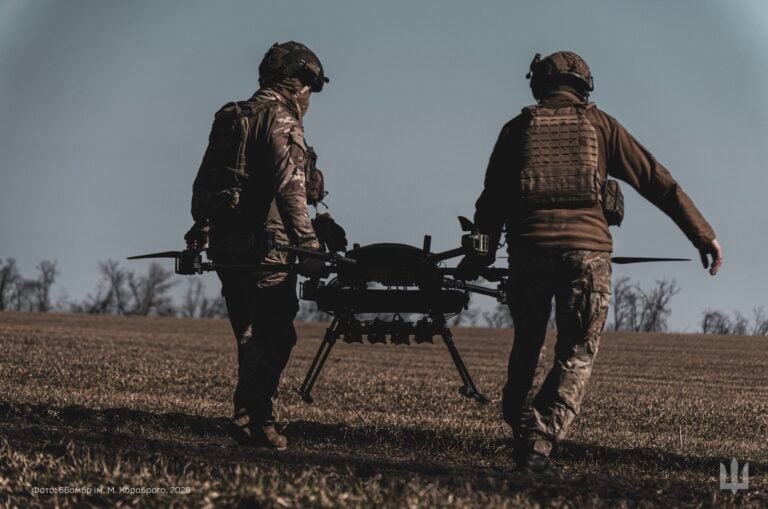
The drone was a Freefly Alta X, a heavy lift platform usually trusted with expensive cinema cameras, now tasked with something far less glamorous and far more urgent. Fly about 25 meters. Hover at exactly the right height. Drop the water so it bursts midair and actually hits the fire, not the general area, not the nearby dirt, not five seconds too late.
Wind, physics, and timing all had opinions.
Above the scene, a second drone hovered calmly, watching through a thermal camera like an unblinking referee. Its job was simple and ruthless. Is the fire out or is it pretending.
This pairing of eyes and action is the core idea behind the XPrize Wildfire competition, which aims to turn wildfire response from a slow motion scramble into something closer to a reflex, as reported by Spectrum.
In the final round, expected in 2026, autonomous systems must find and extinguish a wildfire somewhere inside 1,000 square kilometers of difficult terrain in under ten minutes. The prize is 3.5 million dollars. The bragging rights might be worth more.
DJI Drones and AI Do the Spotting
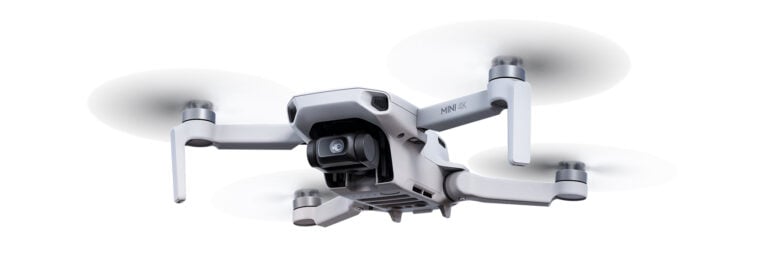
While the big drone got the attention, the real work started with detection. Team Crossfire relied on an off the shelf DJI drone equipped with thermal and optical cameras to find the fire first. It cost about 25,000 dollars, which in wildfire terms is roughly the price of a single bad decision.

The intelligence lives in software. Video feeds run through a deep learning model trained on tens of thousands of fire images. The system learned to tell the difference between an actual wildfire and harmless decoys like glowing embers or a campfire that someone forgot to put out properly.
On the monitoring screen, the system only panicked when both thermal data and visual recognition agreed. Fire detected. No false drama. No guessing. The drone then flew a precise search pattern, checking angles and heat signatures like it was double checking its own homework.

Powering the whole operation was an electric Ford F-150 acting as a mobile command center. Cameras on poles, airborne sensors, and computers all fed into one nervous system. In the real world, this setup could sit quietly at the edge of a forest, waiting patiently while humans sleep, argue, or scroll.

For DroneXL readers, the message is clear. DJI hardware is already more than capable. The real leap now is autonomy and software that knows when something is wrong and does not ask for permission twice.
Why Fire Departments Are Watching Closely
Drones are not replacing helicopters anytime soon. A helicopter bucket carries hundreds of liters of water. A drone carries much less. End of debate. Or so it seems.
Traditional aircraft often drop water from high altitude, where wind and gravity scatter it like confetti. Crossfire’s approach releases water just meters above the flames, meaning less water wasted and more hitting exactly what needs to cool down right now.
Fire officials remain cautious, and not without reason. Regulations still limit autonomous flight and payload drops, especially for heavier drones. Budgets are tight. Nobody wants to explain to a city council why an experimental drone failed on its first day.
This is where XPrize matters. It absorbs the risk, funds the experimentation, and lets engineers break things so firefighters do not have to.
Politics will slow things down, as always. Crewed aircraft fleets are deeply entrenched, and change rarely arrives with open arms. But drones have an opening: night operations, heavy smoke, dangerous conditions where pilots should not be flying in the first place.
For Crossfire, wildfire suppression may only be the beginning. The same system fits law enforcement, disaster response, and public safety robotics. The real question is whether this becomes a wildfire company, or a robotics company that just happens to put out fires really fast.
DroneXL’s Take
Wildfires do not care about regulations, meetings, or funding cycles. They grow while humans debate. What this competition shows is not that drones will replace firefighters, but that they can steal back time, and time is the only thing fires truly respect.
If we combine Freefly Systems and DJI platforms we will have the eyes, stability, and reliability. Once autonomy earns trust, the first response to a wildfire may not be a siren or a helicopter, but a quiet drone already overhead, doing its job without asking for applause.
Photo credit: Jayme Thornton
Discover more from DroneXL.co
Subscribe to get the latest posts sent to your email.
Check out our Classic Line of T-Shirts, Polos, Hoodies and more in our new store today!

MAKE YOUR VOICE HEARD
Proposed legislation threatens your ability to use drones for fun, work, and safety. The Drone Advocacy Alliance is fighting to ensure your voice is heard in these critical policy discussions.Join us and tell your elected officials to protect your right to fly.

Get your Part 107 Certificate
Pass the Part 107 test and take to the skies with the Pilot Institute. We have helped thousands of people become airplane and commercial drone pilots. Our courses are designed by industry experts to help you pass FAA tests and achieve your dreams.

Copyright © DroneXL.co 2026. All rights reserved. The content, images, and intellectual property on this website are protected by copyright law. Reproduction or distribution of any material without prior written permission from DroneXL.co is strictly prohibited. For permissions and inquiries, please contact us first. DroneXL.co is a proud partner of the Drone Advocacy Alliance. Be sure to check out DroneXL's sister site, EVXL.co, for all the latest news on electric vehicles.
FTC: DroneXL.co is an Amazon Associate and uses affiliate links that can generate income from qualifying purchases. We do not sell, share, rent out, or spam your email.