Drones and Waves Reveal a Smarter Way to Measure Ocean Currents

Check out the Best Deals on Amazon for DJI Drones today!
Measuring how ocean water moves near the surface is more important than most people realize. Surface currents affect swimmer safety, oil spill response, pollution tracking, and even how coastlines change over time.
The problem is that many traditional ways of measuring these currents are expensive, slow, or tied to fixed locations.
Researchers at Texas A&M University believe drones can change that, as they published their investigation.
In a recent study, the team compared three different methods for measuring surface currents over large areas. Their conclusion was clear. The most effective method uses short drone videos and wave analysis to calculate how fast and in what direction the water is moving.
Why Surface Currents Matter
Surface currents play a key role in coastal safety. They help determine where rip currents form, how pollution spreads after an oil or chemical spill, and how floating debris travels along shorelines.

Emergency responders rely on accurate current data to decide where to place containment booms or send cleanup crews. If that data is wrong or delayed, the damage can spread faster than anyone can react.

Until now, measuring currents over wide areas often required coastal radar systems. These systems work, but they are expensive and usually fixed in one location. That makes them less useful during fast-moving emergencies or in remote areas.
Three Methods, One Clear Winner
The Texas A&M researchers tested three approaches.
The first two methods focused on tracking visible objects or patterns on the water surface. These techniques attempt to follow foam, debris, or floating markers as they move with the current. In practice, they struggled.
Sun glare, breaking waves, and rough water frequently disrupted the measurements. Some methods also required placing tracers into the water, which can be unsafe near shorelines or during pollution events.
The third method took a different approach.
Instead of tracking objects, it analyzed waves themselves.
How Drones and Waves Do the Work
Waves change slightly when they move with or against a current. This change is caused by the Doppler effect, the same principle that makes a siren sound different as an ambulance passes by.

By studying small shifts in wave frequency captured on video, researchers can calculate the speed and direction of surface currents without touching the water at all.
The process is surprisingly simple.
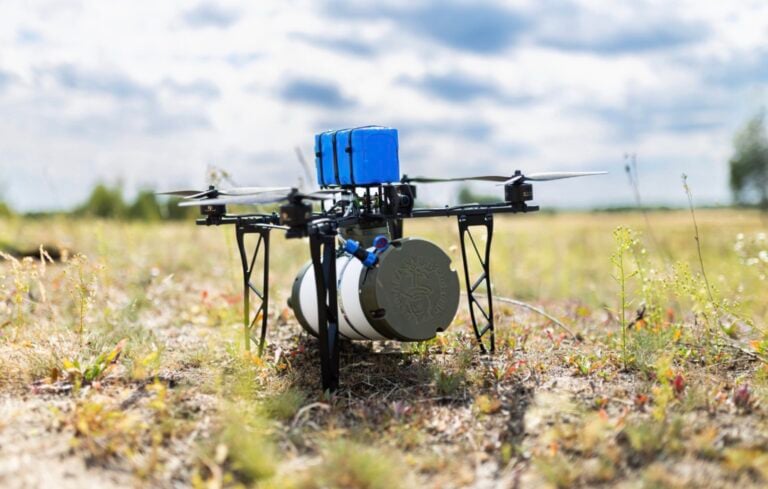
A consumer-grade drone flies over the area for about 30 seconds, recording video from above. Software then analyzes the wave patterns and extracts current data. No floating markers. No sensors in the water. Just video and math.

According to the researchers, this method works in most lighting conditions, covers large areas quickly, and produces highly accurate results.
Why Drones Make the Difference
The real breakthrough is accessibility.
Instead of relying on equipment that costs hundreds of thousands of dollars, this approach works with a drone that costs around $1,000. That dramatically lowers the barrier for universities, coastal agencies, and emergency responders.
Drones are also mobile. They can be deployed quickly, fly exactly where data is needed, and reach areas that are difficult or dangerous for boats or fixed instruments.
In short, drones turn ocean current measurement into something faster, safer, and far more flexible.
Real-World Impact and What Comes Next
This research has major implications for agencies like NOAA, which forecast ocean currents during oil spill responses and environmental emergencies. Faster and more accurate current data means better decisions and less environmental damage.
The Texas A&M team is already working on next steps. Future research includes nighttime measurements using infrared cameras, detecting oil on beaches, analyzing ship wakes, and studying how currents affect coastal infrastructure.
They also hope to adapt the technique for use near ports, offshore platforms, and sensitive ecosystems.
DroneXL’s Take
This research shows why drones are becoming essential scientific tools, not just flying cameras. By combining affordable hardware with smart analysis, researchers can replace expensive, slow systems with fast, flexible solutions.
Ocean currents are invisible, but with drones and waves working together, they no longer have to be a mystery.
Photo credit: Texas A&M University College of Engineering
Discover more from DroneXL.co
Subscribe to get the latest posts sent to your email.
Check out our Classic Line of T-Shirts, Polos, Hoodies and more in our new store today!

MAKE YOUR VOICE HEARD
Proposed legislation threatens your ability to use drones for fun, work, and safety. The Drone Advocacy Alliance is fighting to ensure your voice is heard in these critical policy discussions.Join us and tell your elected officials to protect your right to fly.

Get your Part 107 Certificate
Pass the Part 107 test and take to the skies with the Pilot Institute. We have helped thousands of people become airplane and commercial drone pilots. Our courses are designed by industry experts to help you pass FAA tests and achieve your dreams.

Copyright © DroneXL.co 2026. All rights reserved. The content, images, and intellectual property on this website are protected by copyright law. Reproduction or distribution of any material without prior written permission from DroneXL.co is strictly prohibited. For permissions and inquiries, please contact us first. DroneXL.co is a proud partner of the Drone Advocacy Alliance. Be sure to check out DroneXL's sister site, EVXL.co, for all the latest news on electric vehicles.
FTC: DroneXL.co is an Amazon Associate and uses affiliate links that can generate income from qualifying purchases. We do not sell, share, rent out, or spam your email.