Ukraine Pushes British Army to 3D Print Drones Near the Front

Check out the Best Deals on Amazon for DJI Drones today!
The war in Ukraine continues to reshape how Western militaries think about drones, logistics, and battlefield adaptation. One of the clearest lessons now influencing the British Army is the need to 3D print drone parts close to where they are actually used, as Business Insider reports.
That lesson came directly from Ukrainian forces.
According to Lt Col Ben Irwin-Clark, commanding officer of the 1st Battalion Irish Guards, the decision to invest in in-house drone production and repair was “definitely a lesson we picked up from Ukraine”.
The elite infantry battalion began intensifying its drone preparations after training alongside Ukrainian troops during Operation Interflex, the UK-led multinational mission that has trained more than 62,000 Ukrainian soldiers since Russia’s invasion.
What British soldiers observed was not just how central small drones have become to modern combat, but how quickly those drones are lost, damaged, and replaced, often faster than traditional military supply systems can support.
Speed Beats Supply Chains
Ukraine’s battlefield reality has made one thing clear. Waiting weeks for spare parts or formal procurement approvals does not work in a high-intensity, industrial war.
Irwin-Clark said the battalion quickly realized that effective drone training means breaking drones. Rather than relying on industry suppliers or slow procurement channels, the Irish Guards chose to repair, modify, and increasingly build drones themselves.
3D printing collapses procurement timelines from weeks to hours. That difference matters in training environments, but it becomes critical near the front, where tactics change rapidly and equipment requirements can shift in days.

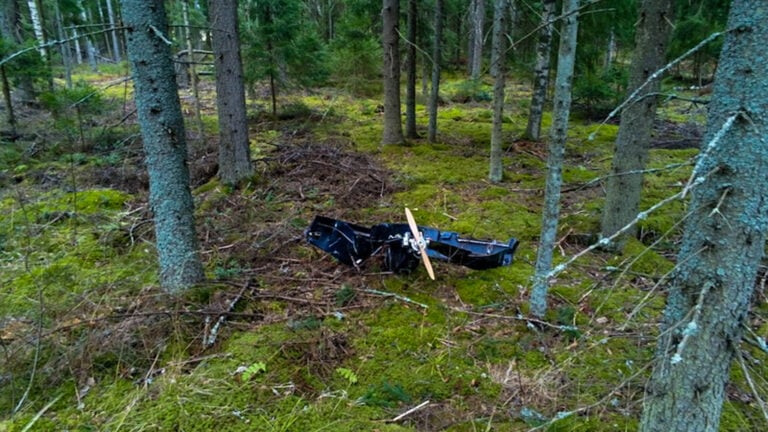
The battalion’s printer is already producing practical items, including bomblets, drone components, and replicas of Russian equipment that would otherwise be difficult or slow to acquire through official channels.
These efforts are centered around a newly established “drone hub,” described as a first-of-its-kind facility within the British Army. The hub allows soldiers to repair drones, experiment with configurations, and train for drone warfare in one place.
From Repairs to Full Drone Bodies
The program is still early, but it is expanding fast.
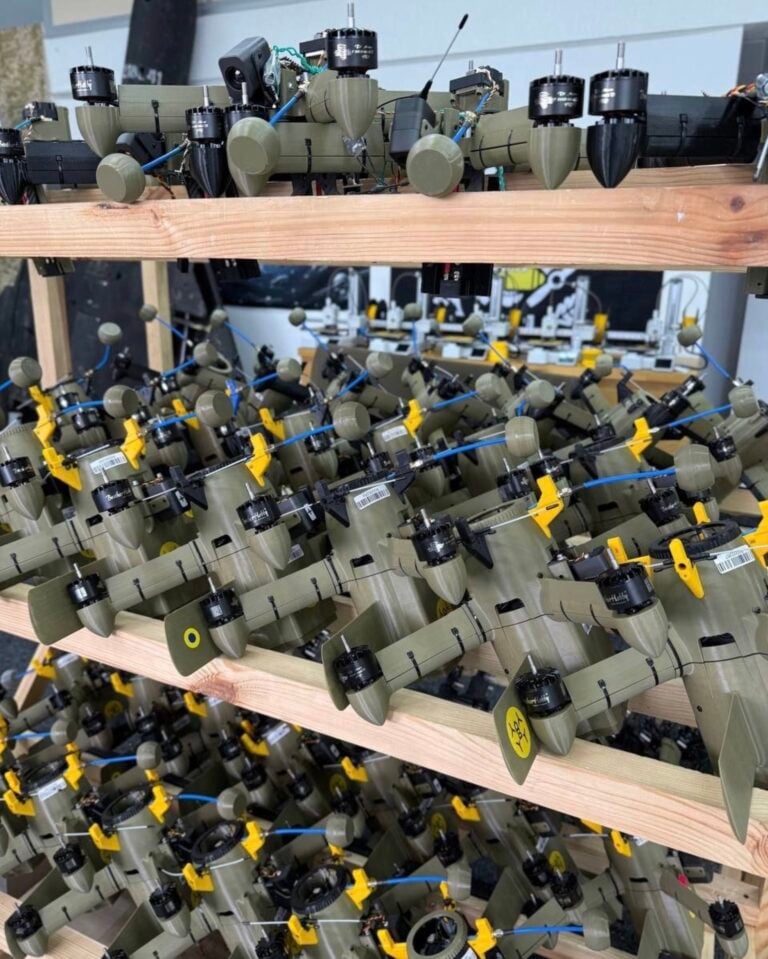
Last month, the battalion printed its first full drone body, essentially a modular shell that can be fitted with batteries, sensors, motors, and payloads. The approach offers a low-cost way to assemble drones quickly, without waiting for factory-built airframes.

Out of roughly 300 personnel in the battalion, 78 soldiers are now trained as drone pilots or instructors, highlighting how deeply drones are becoming embedded in infantry operations.
Irwin-Clark described current 3D printing efforts as “in their infancy,” with most work focused on replicating existing designs. The long-term goal is more ambitious. Soldiers would eventually design, print, and deploy their own innovations, adapting hardware as quickly as tactics evolve.
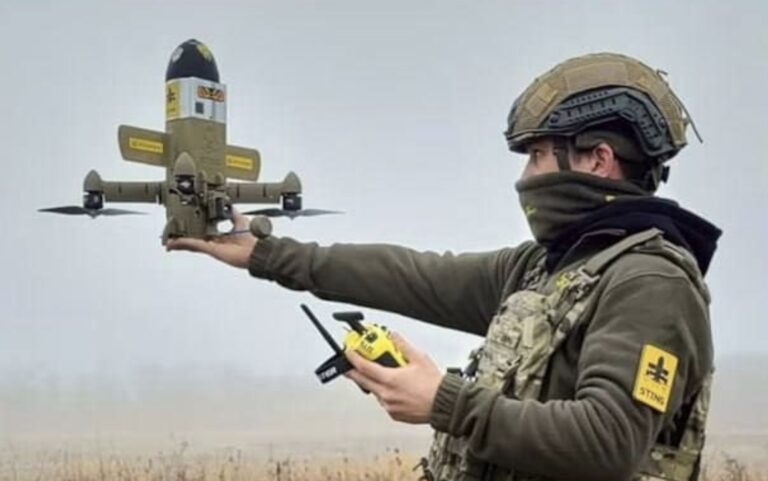
Ukrainian examples provide the blueprint. On the battlefield, Ukrainian units routinely modify commercial drones to drop munitions by adding 3D-printed attachments. These bottom-up innovations are exactly what the British unit hopes to encourage.
The next step is mobility. Irwin-Clark said the battalion aims to place 3D printers inside vehicles, allowing parts to be produced close to the fight, cutting downtime from days to hours.
Ukraine’s Proven Model
Ukraine has already demonstrated how powerful this approach can be.
Near the front, Ukrainian forces have used 3D printing to produce drone bodies, replacement parts, and accessories, allowing damaged drones to return to service within hours. Volunteer groups have printed bomb casings for a few dollars each, filling them with explosives when traditional ammunition supplies were limited.
Ukrainian companies are also printing spools for fiber-optic drones, the cable-controlled systems that resist electronic jamming and have become increasingly important in contested electromagnetic environments.
While the exact scale of 3D printing across Ukraine’s military remains unclear, its impact is evident. For a smaller force fighting a larger adversary, speed, cost, and adaptability matter as much as technological sophistication.
Learning Goes Both Ways
The Irish Guards absorbed these lessons during Operation Interflex, which was originally designed to share NATO doctrine with Ukrainian troops. Instead, British forces found themselves adapting just as much.
Training has already changed. Trench warfare skills have returned. Anti-drone nets are now common during exercises. Assumptions shaped by decades of counterinsurgency operations have been revised.

Ukraine is fighting a peer-level, attritional war unlike anything Western militaries have faced in recent decades. That experience is now feeding directly into how NATO forces prepare for future conflicts.
While Western militaries may not rely on low-cost drones to the same extent as Ukraine, there is growing recognition that these systems will play a role in future wars.
As Irwin-Clark put it, working alongside Ukrainian troops proved unexpectedly educational. The conflict has become a living laboratory for modern warfare, and 3D printing drones close to the fight is one lesson the British Army is taking seriously.
DroneXL’s Take
Ukraine’s battlefield innovation continues to punch above its weight, not through exotic technology, but through speed and pragmatism.
The British Army’s move toward mobile 3D printing shows that the most disruptive lessons of this war are not about advanced stealth or artificial intelligence, but about shrinking logistics chains to the size of a backpack. In future conflicts, the side that can print solutions faster than the enemy can adapt may hold a decisive edge.
Photo credit: Wild Hornets, Sinéad Baker.
Discover more from DroneXL.co
Subscribe to get the latest posts sent to your email.
Check out our Classic Line of T-Shirts, Polos, Hoodies and more in our new store today!

MAKE YOUR VOICE HEARD
Proposed legislation threatens your ability to use drones for fun, work, and safety. The Drone Advocacy Alliance is fighting to ensure your voice is heard in these critical policy discussions.Join us and tell your elected officials to protect your right to fly.

Get your Part 107 Certificate
Pass the Part 107 test and take to the skies with the Pilot Institute. We have helped thousands of people become airplane and commercial drone pilots. Our courses are designed by industry experts to help you pass FAA tests and achieve your dreams.

Copyright © DroneXL.co 2026. All rights reserved. The content, images, and intellectual property on this website are protected by copyright law. Reproduction or distribution of any material without prior written permission from DroneXL.co is strictly prohibited. For permissions and inquiries, please contact us first. DroneXL.co is a proud partner of the Drone Advocacy Alliance. Be sure to check out DroneXL's sister site, EVXL.co, for all the latest news on electric vehicles.
FTC: DroneXL.co is an Amazon Associate and uses affiliate links that can generate income from qualifying purchases. We do not sell, share, rent out, or spam your email.