

U.S. Army Tests TRV-150 Heavy Lift Drone
Check out the Best Deals on Amazon for DJI Drones today!
The U.S. Army is quietly experimenting with a future where supply convoys hum through the sky instead of rumbling down dusty roads.
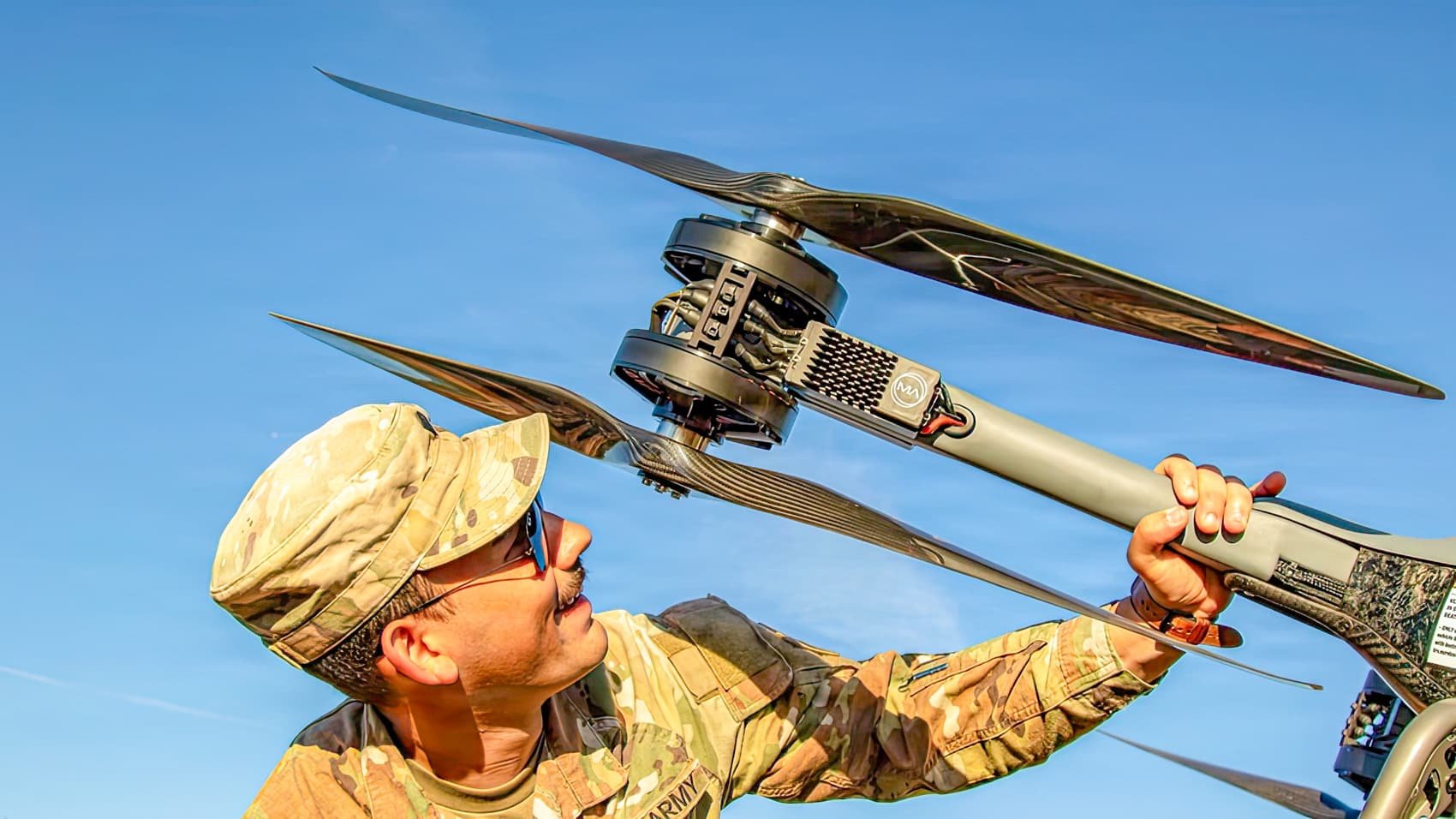
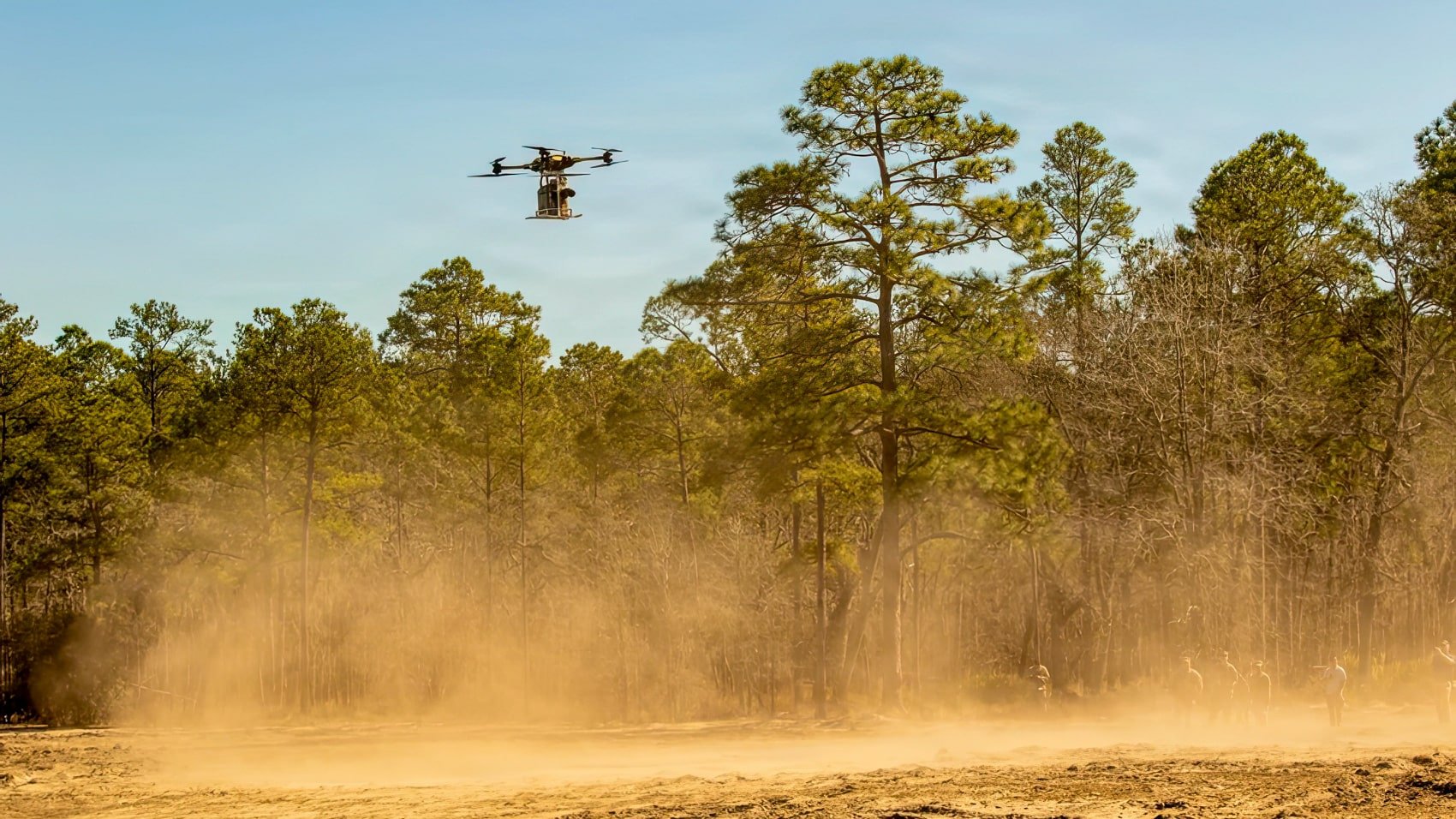
On February 12, 2026, soldiers conducted training with the TRV-150 unmanned aerial vehicle at Fort Stewart in Georgia, evaluating the heavy lift logistics drone during an exercise focused on performance and operator readiness, as reported by Defence Blog.
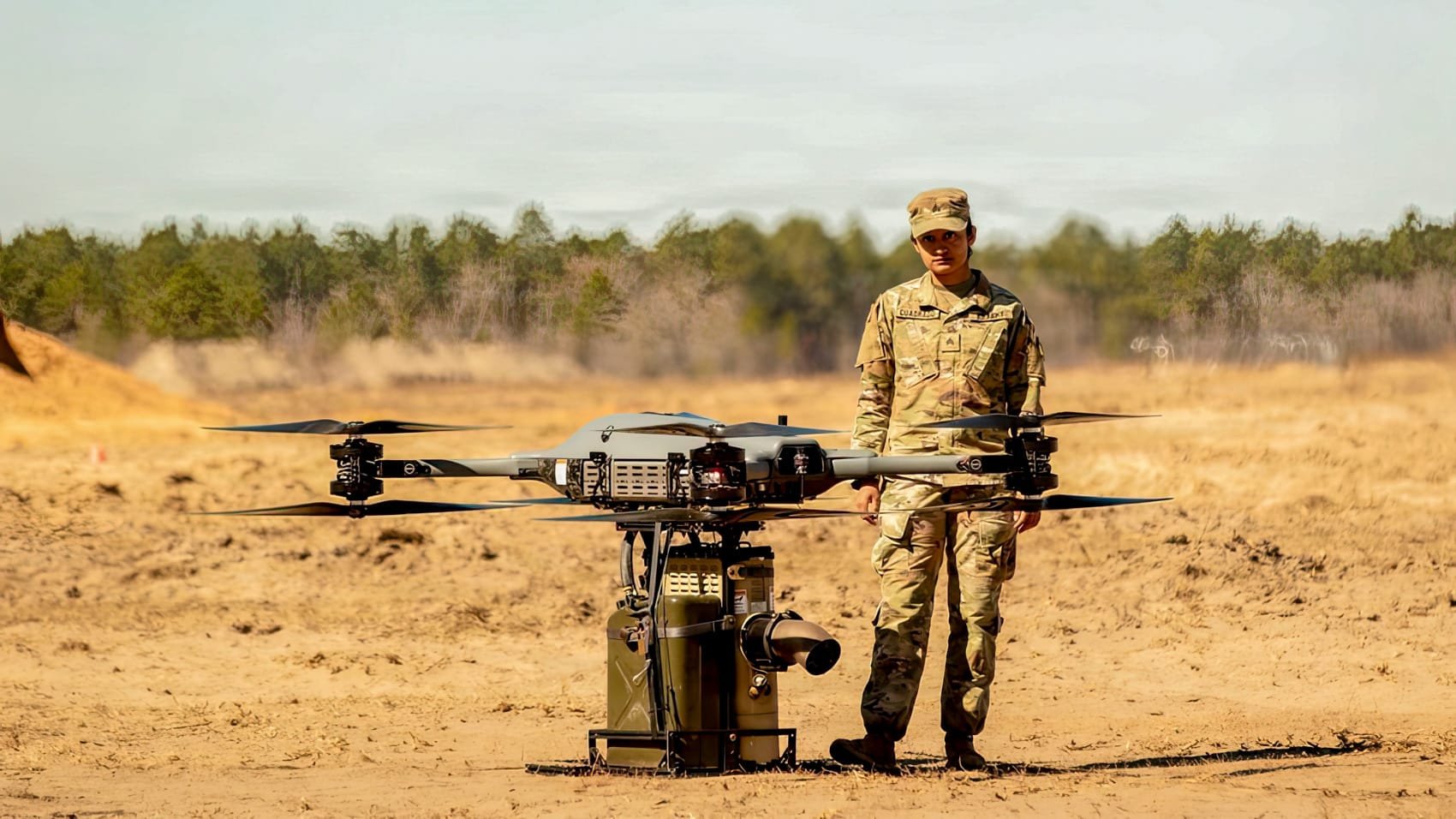
The aircraft was operated by soldiers from the Multi purpose Company, 6th Squadron, 8th Cavalry Regiment, 2nd Armored Brigade Combat Team, 3rd Infantry Division. In plain terms, this was not a lab demo. It was a field unit putting the machine through its paces.
The Army described the event as part of its broader effort to assess unmanned aerial logistics systems capable of resupplying frontline units while reducing exposure of personnel and vehicles in contested environments. In modern warfare, supply lines are often prime targets. If you can move beans, bullets, and bandages without rolling a convoy into a drone saturated kill zone, that is not a luxury. It is survival math.
What Is the TRV-150?
The Tactical Resupply Vehicle 150, better known as the TRV-150, was developed by Malloy Aeronautics in the United Kingdom. It has already entered operational service with the United States Marine Corps and the Royal Navy, where it operates under the designation T-150.
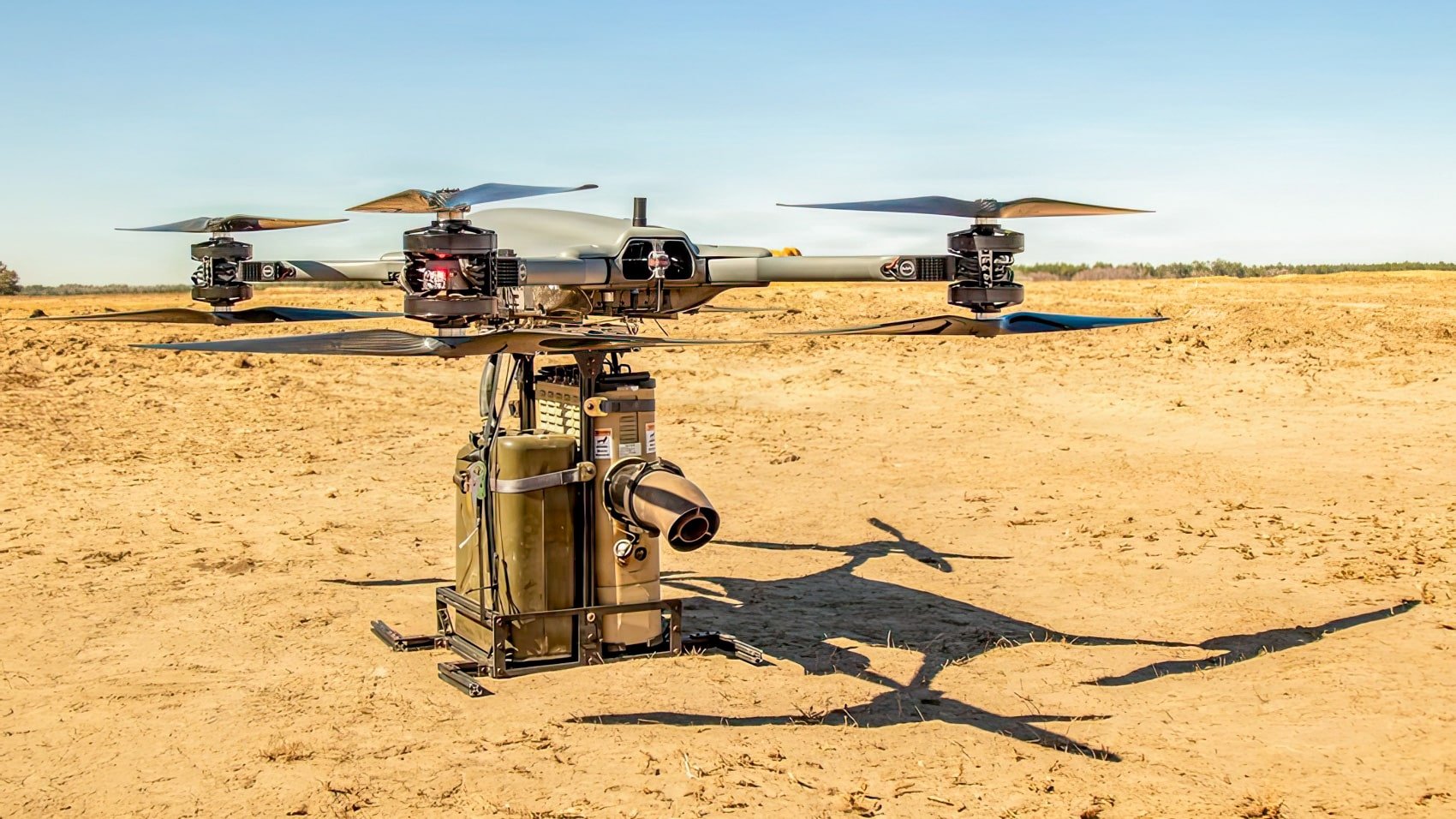
This is not a hobby drone with ambition issues. The TRV-150 is an electric vertical takeoff and landing cargo platform capable of carrying payloads up to 150 pounds, roughly 68 kilograms, over distances of about 43 miles. It can cruise at speeds reaching 67 miles per hour and stay airborne for approximately 36 minutes per mission.
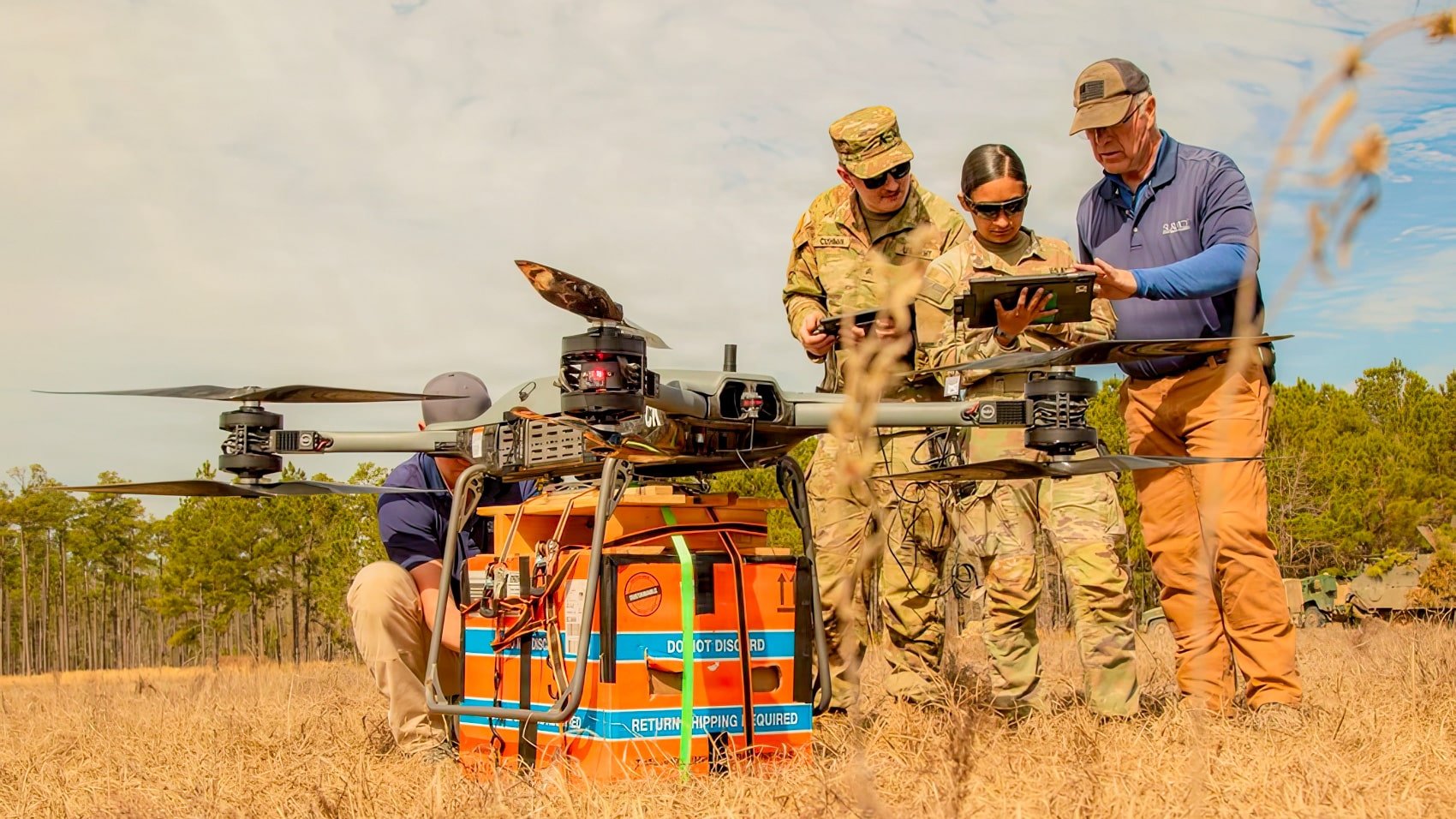
In battlefield terms, that means ammunition, food, medical kits, batteries, or spare parts can be delivered without asking a truck crew to gamble with roadside threats or loitering munitions.
The aircraft uses waypoint navigation for autonomous flight planning. It can land directly at a designated location or air drop supplies. It can also retrieve equipment from forward positions. Imagine a mechanical pack mule with rotors and no complaints about the weather.
Why the Army Is Interested
Cargo drones like the TRV-150 are designed to chip away at one of the oldest vulnerabilities in warfare: the convoy.
Traditional resupply missions require vehicles and personnel to move along predictable routes. In an era defined by long range fires, ISR saturation, and small unmanned attack systems, those routes are increasingly exposed.
By shifting certain missions to autonomous aerial platforms, commanders can maintain operational tempo while reducing risk to soldiers. A drone does not need armor plating or a driver. It needs batteries, mission planning, and airspace coordination.
Army officials noted that the training at Fort Stewart focused not only on the drone’s technical performance but also on integration with unit procedures. That is where many promising systems stumble. Hardware is easy. Workflow is hard.
If operators cannot seamlessly plan missions, coordinate airspace, load cargo, and recover the platform without creating new friction points, the drone becomes an expensive novelty. The Army appears intent on avoiding that outcome.
From Marines to the Army
The TRV-150’s prior integration with Marine Corps units provides a template. The Marines have long emphasized expeditionary logistics and distributed operations, making heavy lift drones a natural fit.
For the Army, which operates at larger scale and across broader formations, the evaluation phase will likely focus on how these systems plug into armored brigade combat teams and sustainment units.
If successful, heavy lift drones could become as common in logistics units as fuel trucks and forklifts, only these forklifts fly.
DroneXL’s Take
The TRV-150 is not flashy. It does not carry missiles or spy cameras. It carries supplies. That may be exactly why it matters.
In modern warfare, the side that keeps its units fed, armed, and powered wins the long game. Cargo drones like this shift logistics from vulnerable ground convoys to flexible aerial routes. That is not just innovation. It is adaptation.
The real test will not be whether the TRV-150 can fly 43 miles with 150 lbs. It clearly can. The question is whether the Army can weave it into daily operations without adding complexity or slowing decision cycles.
If they succeed, expect heavy lift drones to become as normal on the battlefield as quadcopters are today. The future of military logistics may not roar down highways. It may buzz overhead, carrying the quiet weight of staying power.
Photo credit: Anthony Herrera / U.S. Army
Discover more from DroneXL.co
Subscribe to get the latest posts sent to your email.
Check out our Classic Line of T-Shirts, Polos, Hoodies and more in our new store today!

MAKE YOUR VOICE HEARD
Proposed legislation threatens your ability to use drones for fun, work, and safety. The Drone Advocacy Alliance is fighting to ensure your voice is heard in these critical policy discussions.Join us and tell your elected officials to protect your right to fly.

Get your Part 107 Certificate
Pass the Part 107 test and take to the skies with the Pilot Institute. We have helped thousands of people become airplane and commercial drone pilots. Our courses are designed by industry experts to help you pass FAA tests and achieve your dreams.

Copyright © DroneXL.co 2026. All rights reserved. The content, images, and intellectual property on this website are protected by copyright law. Reproduction or distribution of any material without prior written permission from DroneXL.co is strictly prohibited. For permissions and inquiries, please contact us first. DroneXL.co is a proud partner of the Drone Advocacy Alliance. Be sure to check out DroneXL's sister site, EVXL.co, for all the latest news on electric vehicles.
FTC: DroneXL.co is an Amazon Associate and uses affiliate links that can generate income from qualifying purchases. We do not sell, share, rent out, or spam your email.

