
This $155 Drone Built With a $5 Chip Hits 67 mph
Check out the Best Deals on Amazon for DJI Drones today!
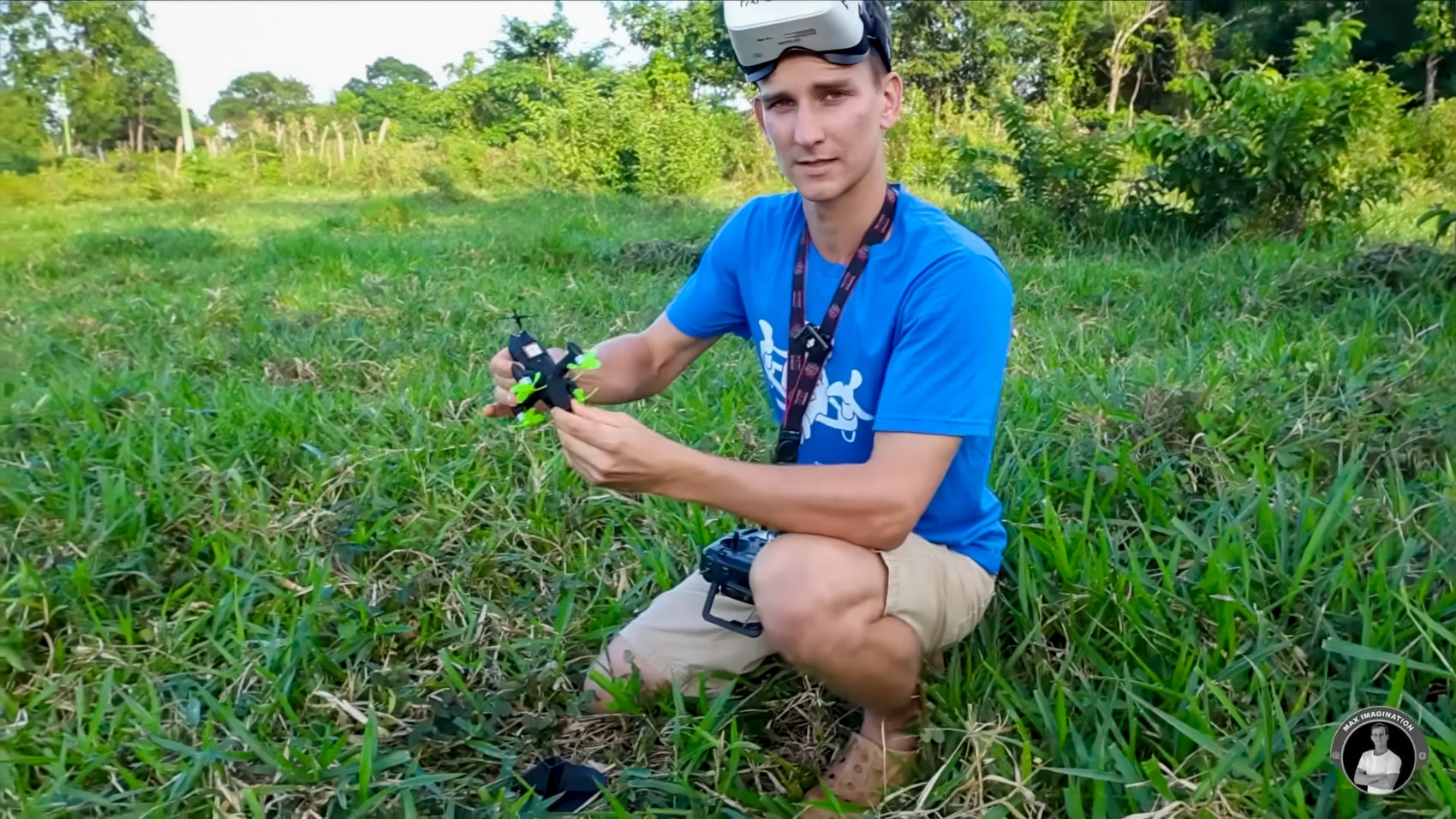
Nobody asked Max Imagination to do this. There was no grant, no sponsor, no defense contract. Just a YouTuber, an ESP32 microcontroller that costs about as much as a decent burrito, a consumer 3D printer, and a question that apparently needed answering: how fast can you go when the budget ceiling is $155?
The answer, it turns out, is 67 mph. Which is highway speed. On a drone that weighs less than a deck of cards, as TechSpot reported.
What ESP-Blast Actually Is
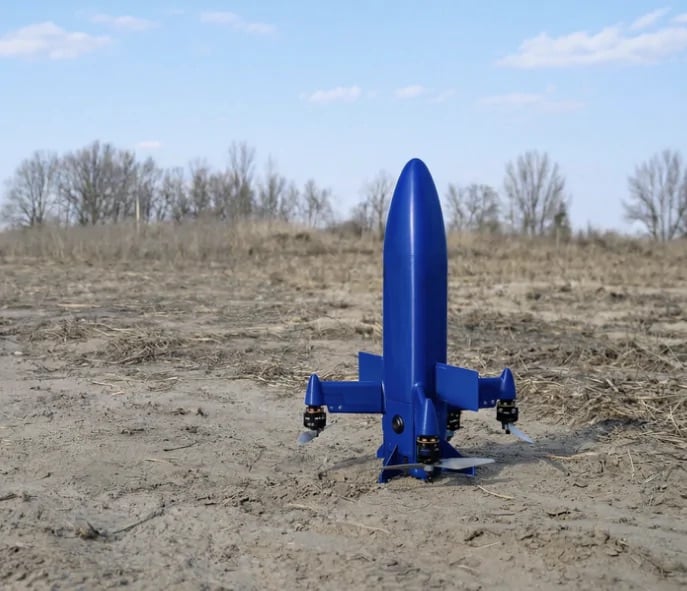
The ESP-Blast is a drone built around an ESP32 board serving as the flight controller. If that name doesn’t ring a bell, the ESP32 is the little dual-core chip with built-in Wi-Fi and Bluetooth that powers everything from smart home sensors to DIY weather stations.
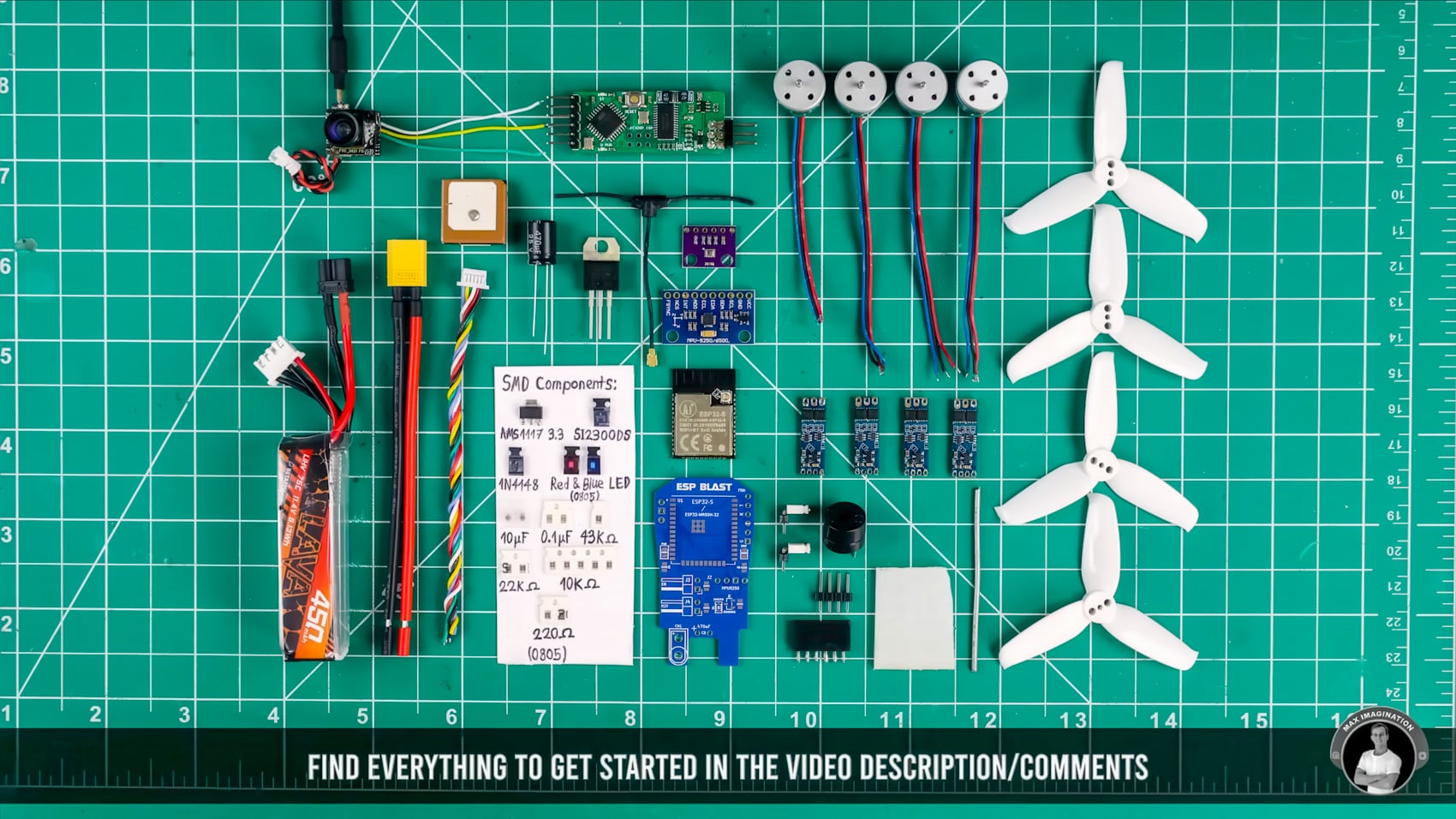
It is not what anyone designing a high-speed FPV drone would normally reach for. That’s precisely the point.
The rest of the electronics follow the standard recipe for multi-rotor flight: electronic speed controllers, sensors, radio gear. The frame is fully 3D-printed from PETG, a filament chosen for its balance of rigidity and impact resistance, produced on an Elegoo Neptune 4 Plus printer.
Max iterated on the structure across multiple builds, which is a polite way of saying he crashed it, fixed it, and went faster until something held.
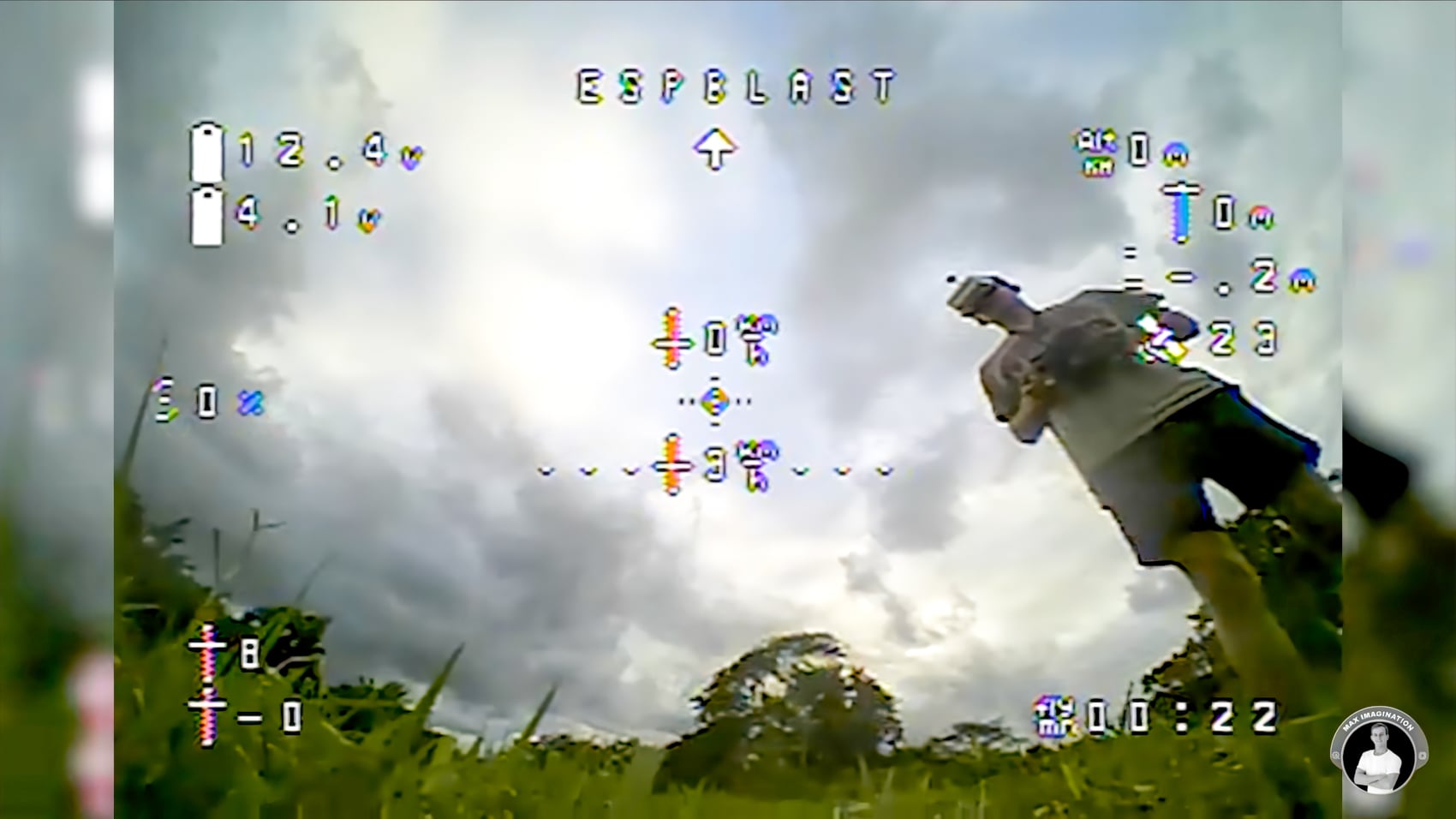
The final result weighs about 4.8 oz and runs on a 450 mAh battery pack, which keeps it airborne for roughly five minutes per charge. Five minutes sounds modest until you remember that a 67 mph run across a flying field takes about four seconds. You can do a lot of damage to a personal best in five minutes.
The Speed Record Rabbit Hole That Inspired This
Max didn’t build ESP-Blast drone in a vacuum. He was watching the ongoing arms race between two camps of speed-obsessed builders who have been trading the world record for fastest RC drone back and forth like a particularly aerodynamic hot potato.

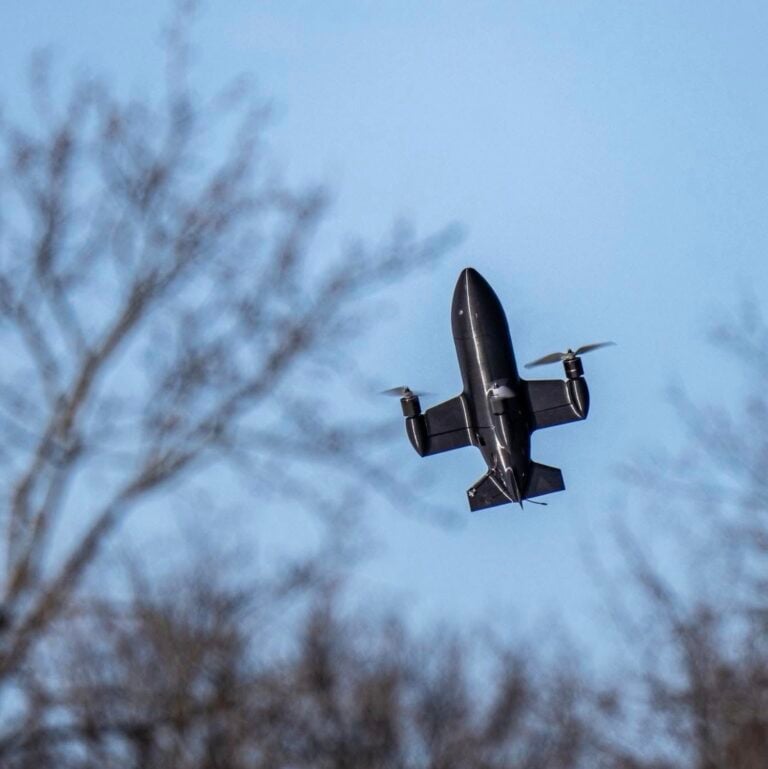
My DroneXL colleague Zachary Peery has been covering this saga better than anyone. In November 2025, Australian aerospace engineer Benjamin Biggs pushed his machine to 389 mph and took the crown. Then in December 2025, Luke Maximo Bell and his brother Mike Bell flew their Peregreen V4 to a Guinness World Records-certified 408 mph in Cape Town, South Africa, and snatched it back.
Four runs, two directions, one witness-backed official average that buried Biggs’ mark. Zachary broke that story on DroneXL in January and if you want to understand how those machines actually work, that piece is worth your time.
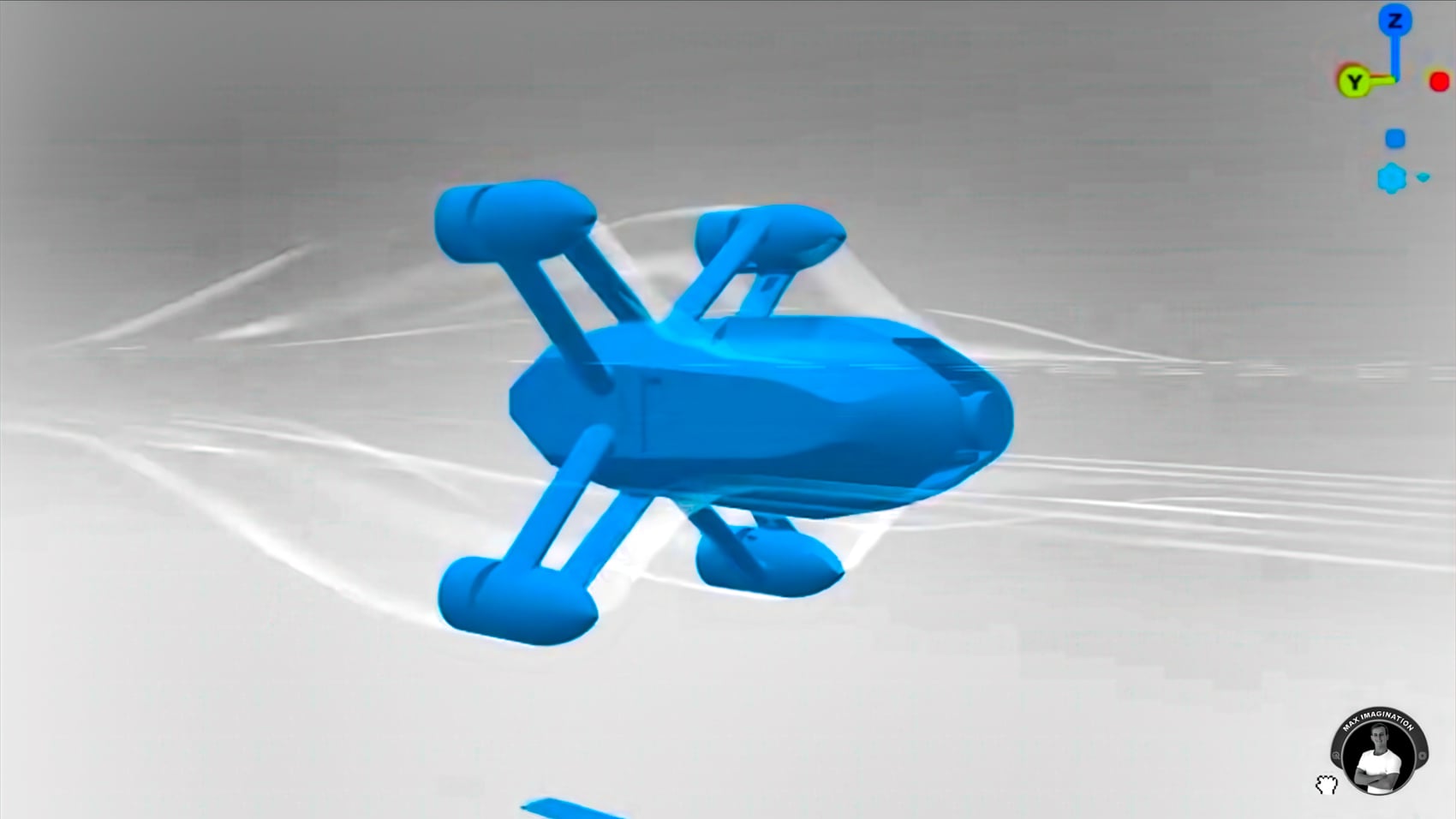
The point is that Max was paying attention to all of this and drew a very different conclusion than most people would. Instead of asking how to break the record, he asked how close you could get using hardware that ships in bulk for hobbyist electronics projects.
He reached out to Biggs directly for input on the build. That collaboration between a Guinness record contender and a $155 backyard project says something genuinely nice about this community. The best part is that our FPV community, is not uncommon to get answers from guys that are playing on the big leagues.
ESP32 as a Flight Controller
The engineering choice at the center of this drone is worth understanding. A dedicated flight controller for a high-performance FPV quad, something like a Betaflight F7 stack, typically runs a dedicated STM32 processor with hardware-accelerated sensor fusion, purpose-built firmware, and input/output timing designed specifically for the demands of multi-rotor control at speed. The ESP32 was not designed for any of that.
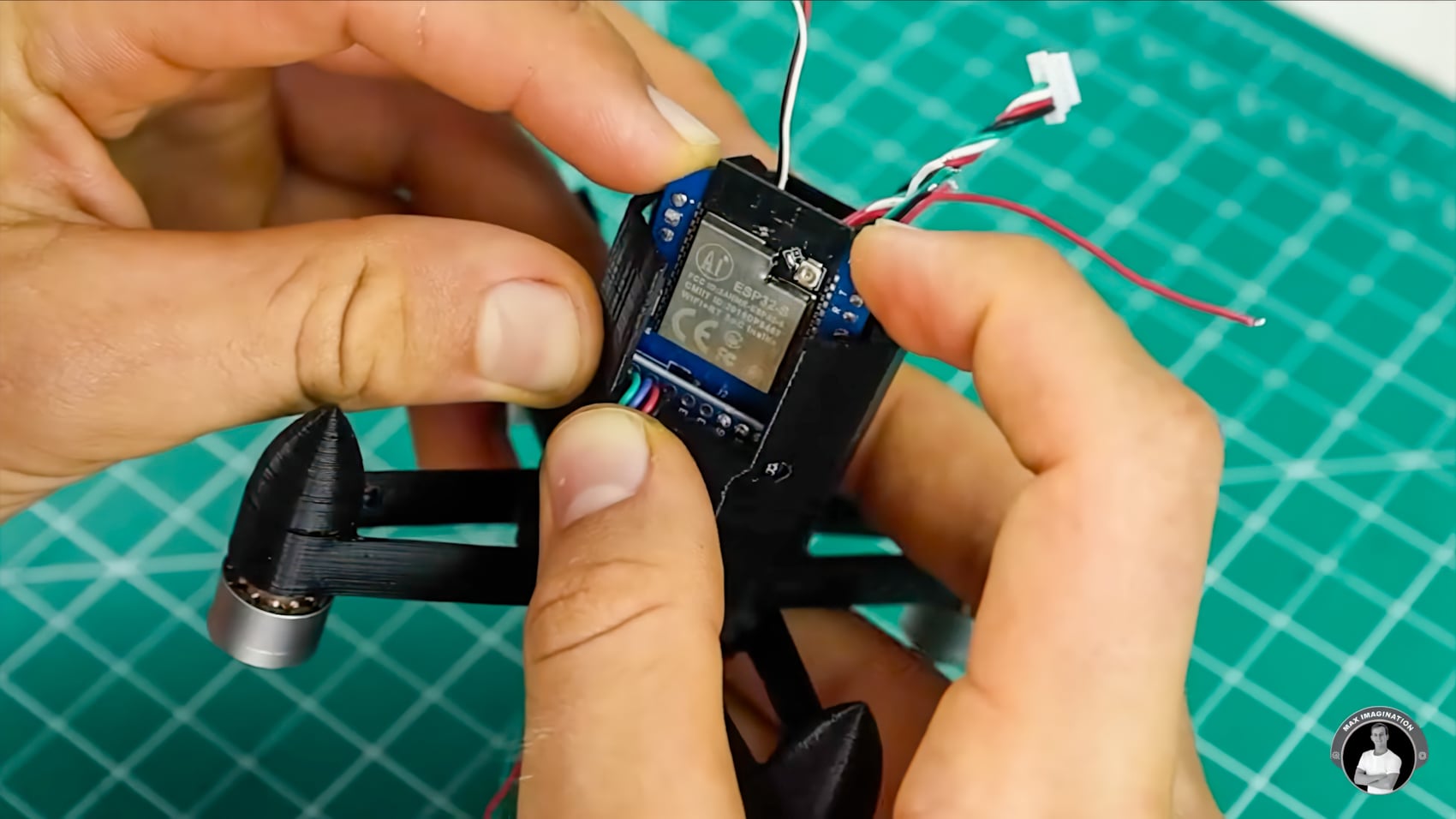
What it has is a dual-core Xtensa LX6 processor running at up to 240 MHz, sufficient onboard RAM to run a flight control loop, and the Wi-Fi and Bluetooth radios that are irrelevant here but came along for the ride.
Getting it to perform flight controller duties reliably at 67 mph required tuning that dedicated hardware would have handled more gracefully. The fact that it worked is a testament to how far the underlying chip has come and how much headroom exists in commodity hardware when someone is willing to dig into the gains.
The PETG Airframe
The choice of PETG over the PLA that most hobby builders default to is deliberate. PLA is stiffer and easier to print but becomes brittle in cold conditions and tends to shatter on impact rather than flex.
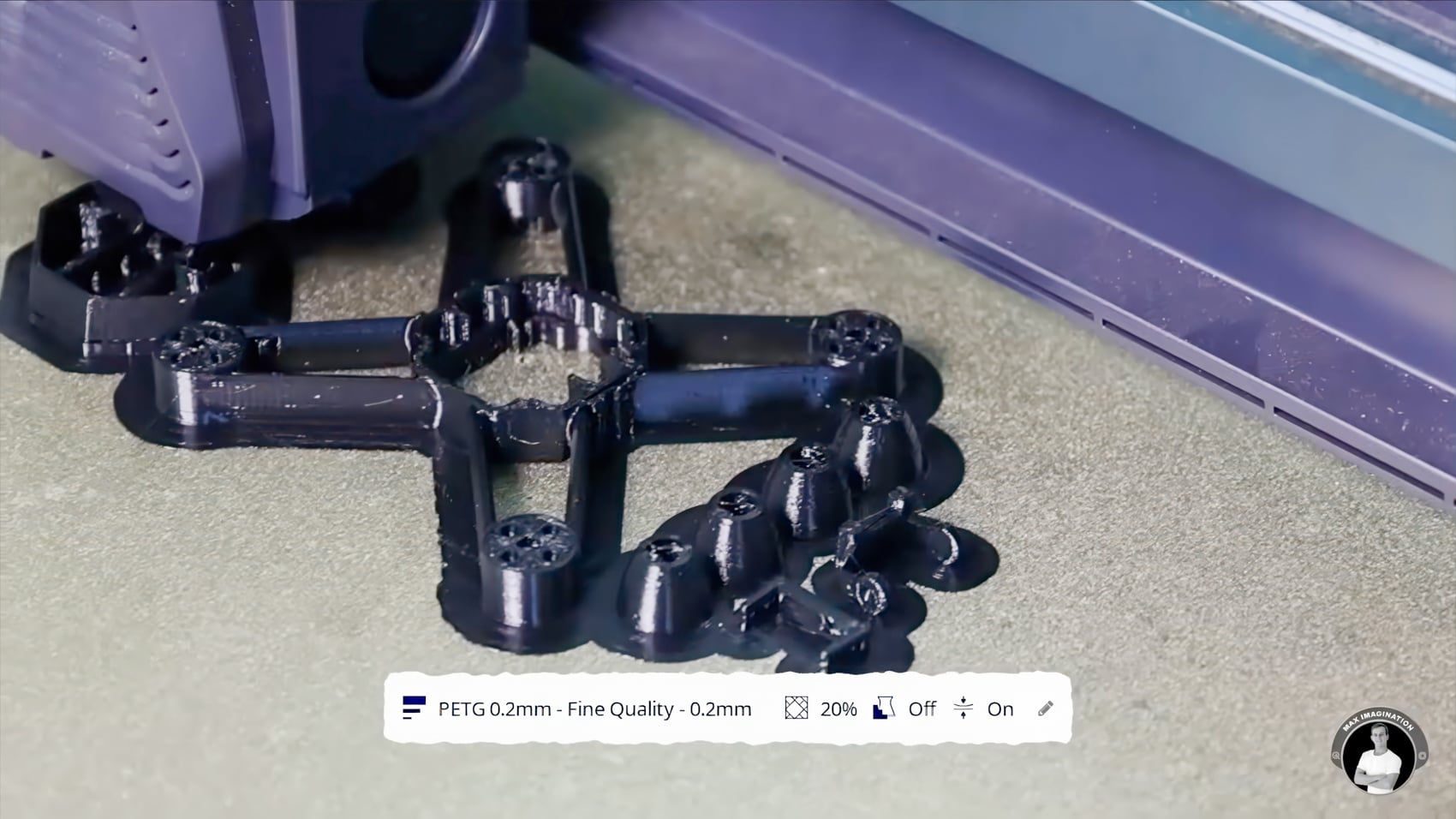
PETG absorbs energy better, which matters when your test program involves flying into things at speed to find the limits of the airframe. The Elegoo Neptune 4 Plus handled the printing, and the frame went through multiple iterations as Max found what broke and redesigned around it.
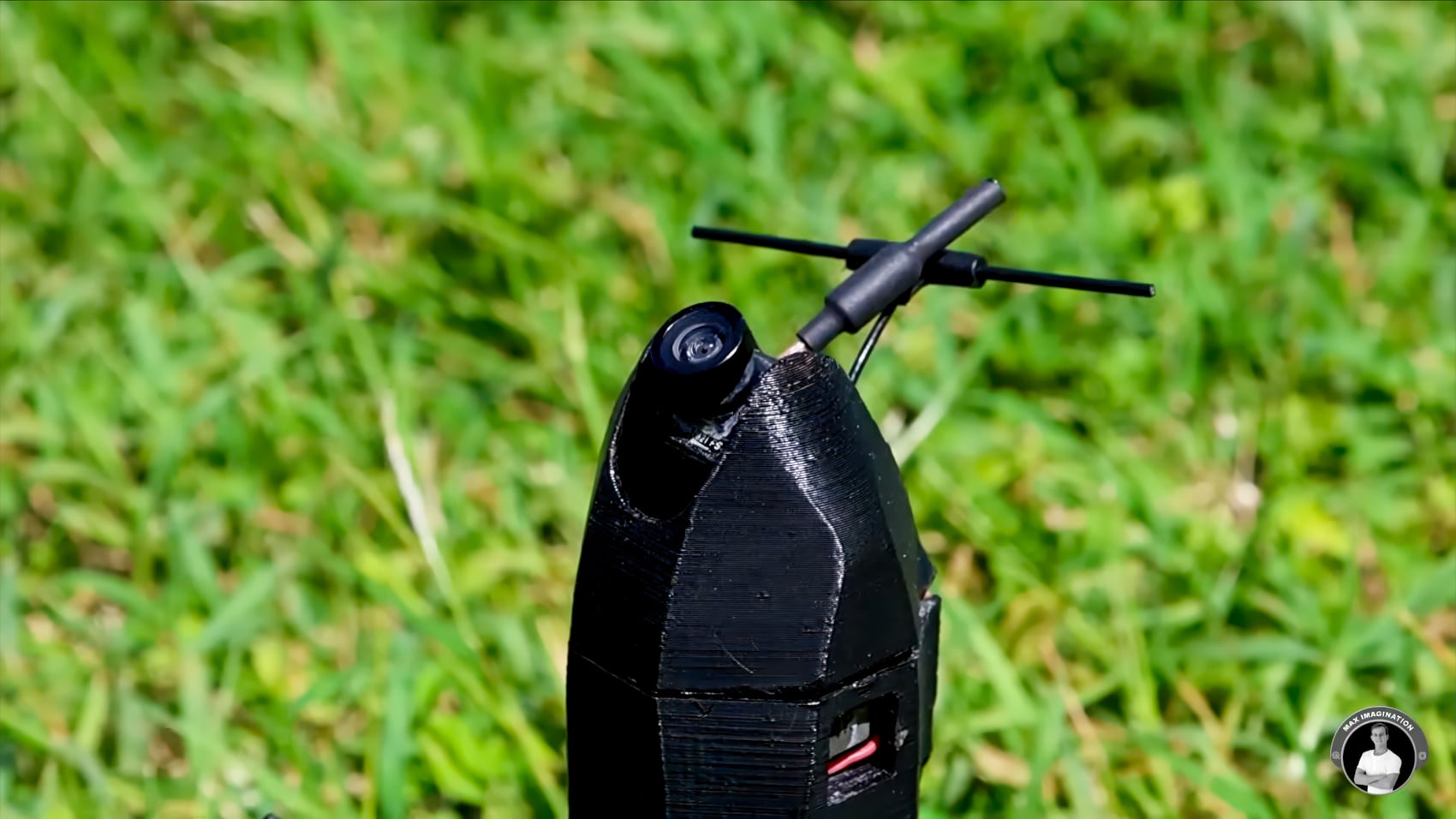
For context on what this class of airframe is competing against: Luke Bell’s Peregreen V4 uses a Bambu Lab H2D-printed frame that merges PETG and TPU in the same print, with the harder material forming the body and the softer material absorbing impact at the nose.
Max’s build is simpler but operates on the same basic principle. Survive the crashes long enough to go faster on the next attempt.
DroneXL’s Take
I want to be honest about something: the 67 mph number is not impressive compared to 408. It’s about a sixth of the record. On paper, ESP-Blast is nowhere near the drones Zachary has been covering.
But that’s the wrong frame for this project. The question Max was actually asking is whether consumer-grade microcontroller hardware can serve as a credible flight control platform for a fast, agile quadcopter when someone who knows what they’re doing gets their hands on it.
The answer is yes. And that answer matters because it lowers the floor for what this kind of project requires, not in terms of skill, but in terms of access and cost.
The $155 budget is the real achievement here. Not because cheap is inherently better, but because it demonstrates that the knowledge gap is larger than the hardware gap. The limiting factor in building fast drones is not access to a $300 flight controller.
It’s understanding what to do with whatever you have in front of you. Max Imagination just proved that with a chip most people use to make their coffee maker talk to their phone.
He’s already planning faster versions. The ESP-Blast story isn’t finished.
Photo credit: Max Imagination Youtube Channel
Discover more from DroneXL.co
Subscribe to get the latest posts sent to your email.
Check out our Classic Line of T-Shirts, Polos, Hoodies and more in our new store today!

MAKE YOUR VOICE HEARD
Proposed legislation threatens your ability to use drones for fun, work, and safety. The Drone Advocacy Alliance is fighting to ensure your voice is heard in these critical policy discussions.Join us and tell your elected officials to protect your right to fly.

Get your Part 107 Certificate
Pass the Part 107 test and take to the skies with the Pilot Institute. We have helped thousands of people become airplane and commercial drone pilots. Our courses are designed by industry experts to help you pass FAA tests and achieve your dreams.

Copyright © DroneXL.co 2026. All rights reserved. The content, images, and intellectual property on this website are protected by copyright law. Reproduction or distribution of any material without prior written permission from DroneXL.co is strictly prohibited. For permissions and inquiries, please contact us first. DroneXL.co is a proud partner of the Drone Advocacy Alliance. Be sure to check out DroneXL's sister site, EVXL.co, for all the latest news on electric vehicles.
FTC: DroneXL.co is an Amazon Associate and uses affiliate links that can generate income from qualifying purchases. We do not sell, share, rent out, or spam your email.






I’m my like a direct link to this
https://www.youtube.com/watch?v=pUi1T12QYAU&t=2488s