2nd Cavalry Scouts With Drones, Not Soldiers
Check out the Best Deals on Amazon for DJI Drones today!
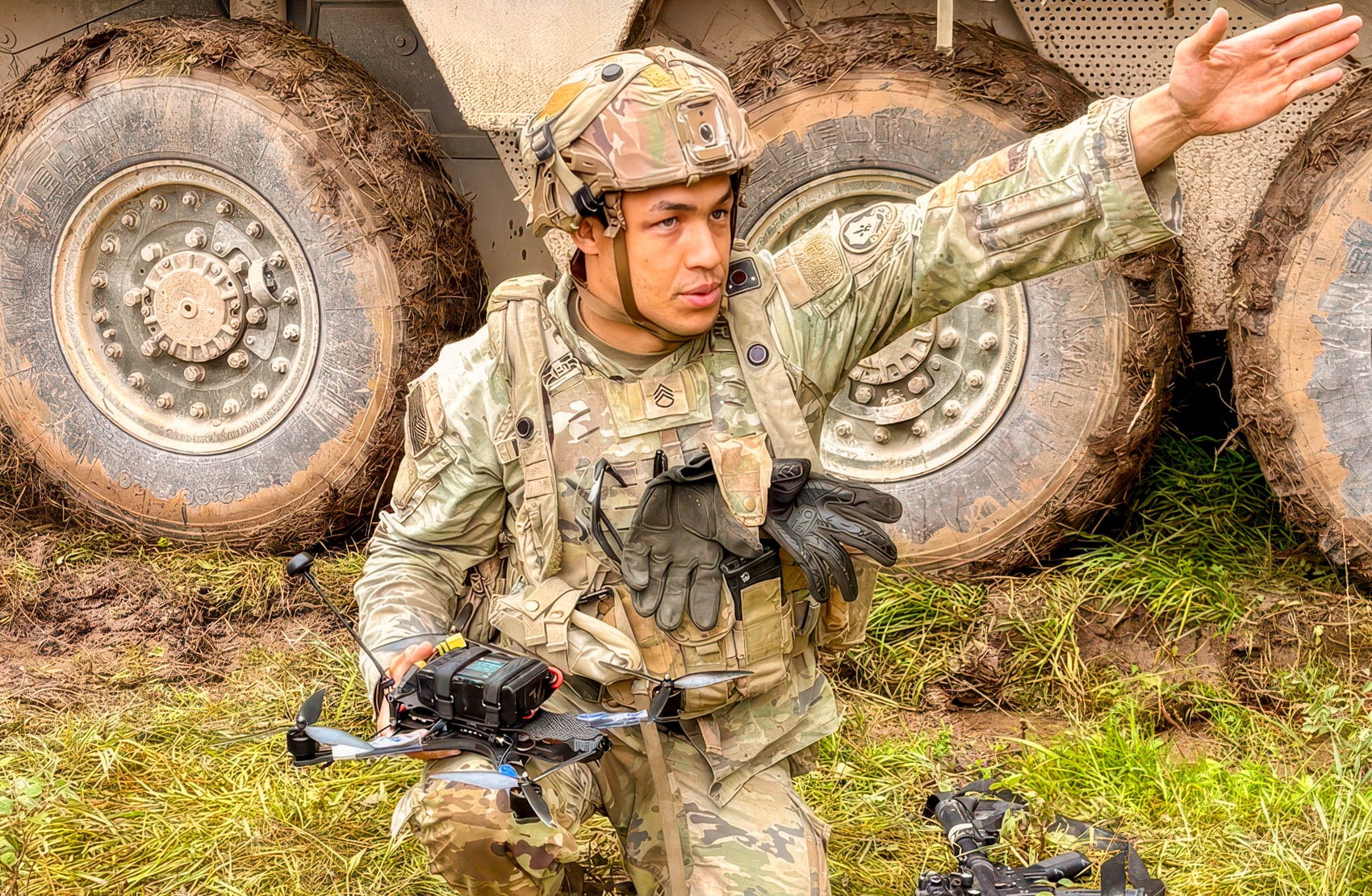
In a forest near Grafenwöhr, Germany, the scouts of the 2nd Cavalry Regiment are doing something that would have been science fiction to the cavalrymen who rode these same European roads eighty years ago, as 7th Mobile Public Affairs Detachment reports.
They’re sitting behind their Strykers, watching a ground robot disappear into the tree line, waiting for a hatch to open and a drone to climb out of it. The enemy command post stays exactly where it is. The soldiers stay exactly where they are. The machines do the dangerous part.
This is the 2nd Cavalry Regiment’s current answer to the reconnaissance problem, and it’s called the unmanned edge.
What the System Actually Does
The centerpiece of the new approach is a two-part unmanned team built around the Project Origin vehicle, a surrogate robotic combat vehicle the Army has been experimenting with since at least 2021.
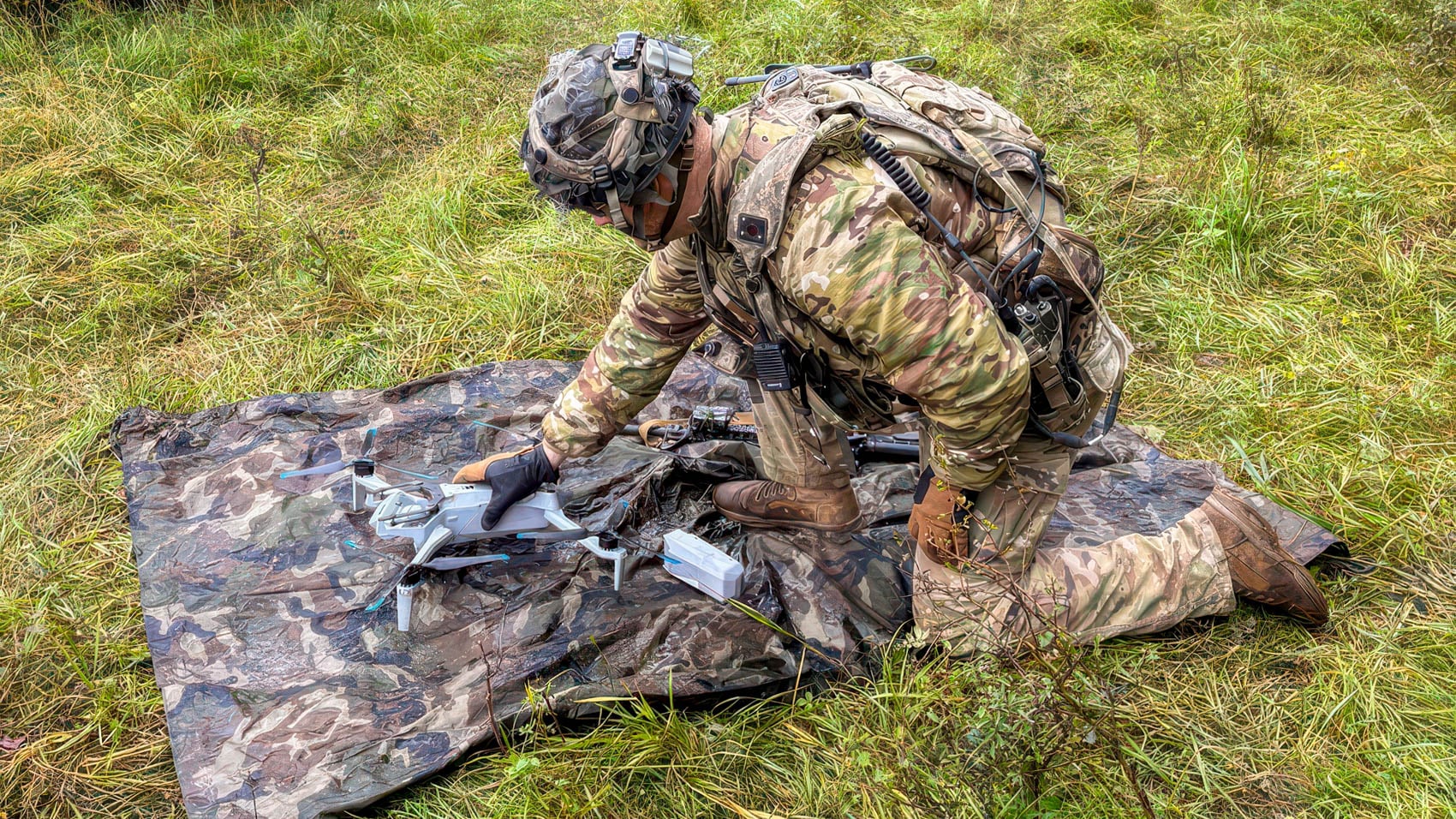
Mounted on the Project Origin chassis is the PBAS-G, Purpose Built Attritable System-Ground, a rugged unmanned ground vehicle designed to advance silently ahead of the Stryker while its sensors probe for electronic signatures and signs of enemy activity.
When the PBAS-G reaches a position of tactical advantage, a hatch opens and the PBAS-A, Purpose Built Attritable System-Air, launches from inside the ground vehicle into the sky. From that point, a single scout cavalry crew has two simultaneous feeds: the UGV’s close-in ground-level perspective and the drone’s aerial view overhead.
Both systems are modular, meaning they can carry reconnaissance payloads for pure ISR or weapons payloads if the mission requires effects on target.
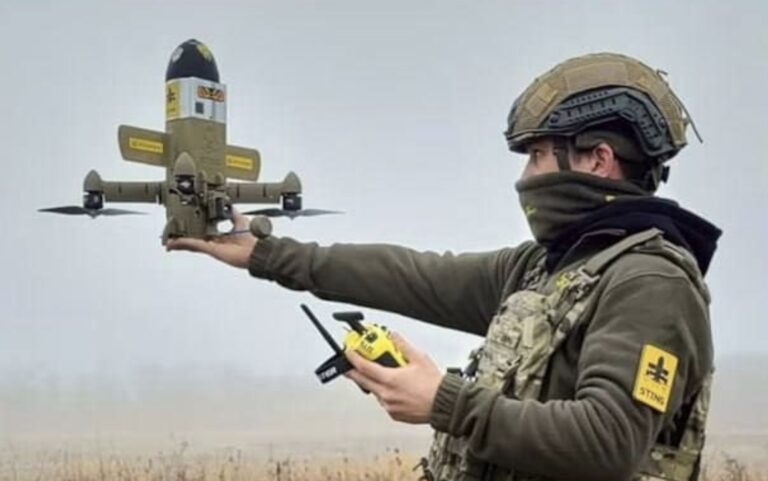
The Army has not published technical specifications for the Project Origin vehicle or the PBAS-G in open-source documentation. What is confirmed is that the PBAS-A aerial system is part of the broader PBAS program, a drone family that 2 Cavalry Regiment soldiers design, build, and repair themselves.
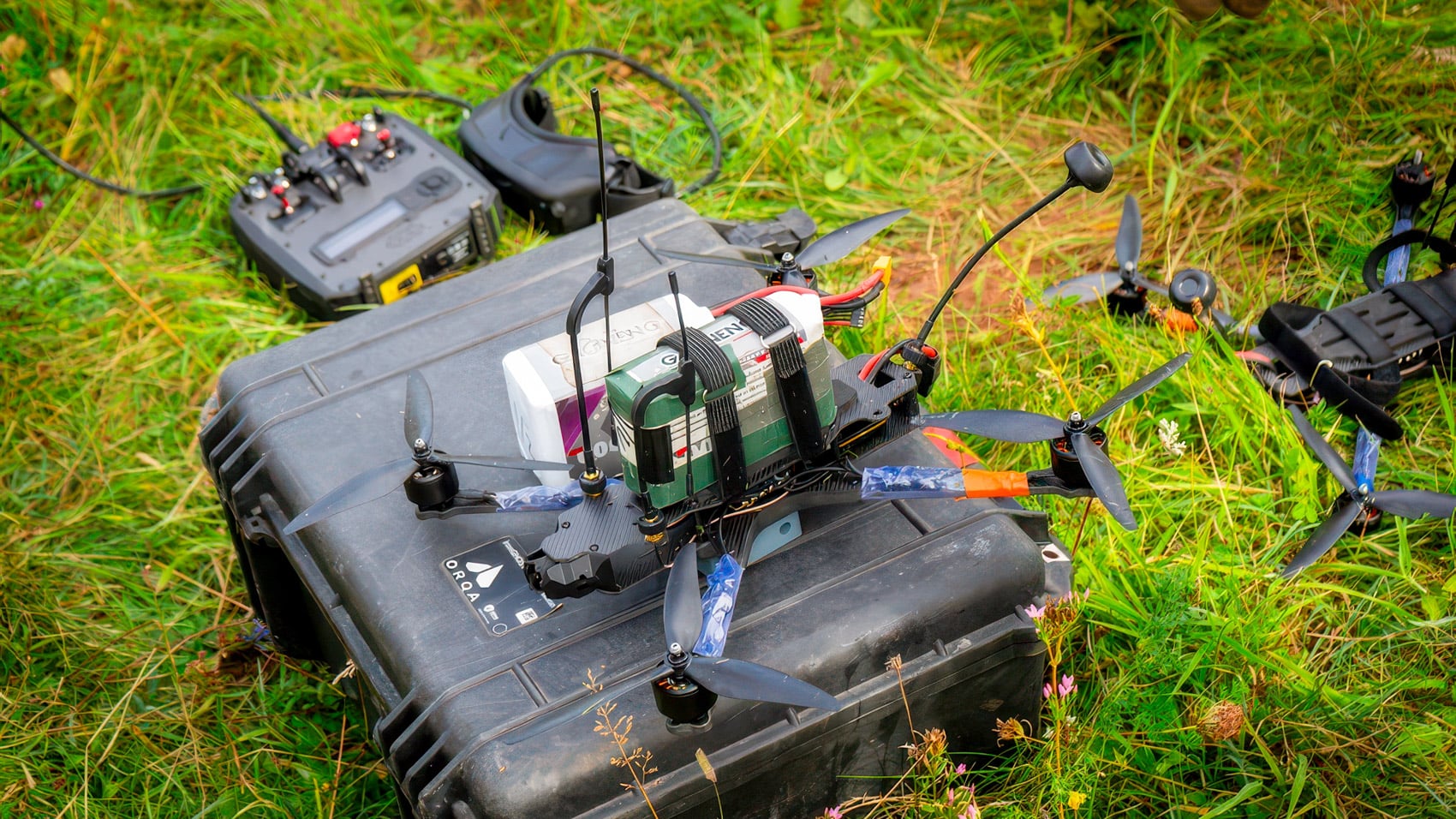
A standard PBAS kit costs around $35,000 and includes FPV goggles, a controller, a display, two 10-inch air vehicles, and four 5-inch air vehicles, with individual drones running approximately $5,000 each. That price point is deliberately attritable: if it gets shot down, you build another one.
Why the 2nd Cavalry Is Building Its Own Drones
The context behind this capability matters. Following Army-wide restructuring, the 2nd Cavalry divested its legacy UAS fleet and Cavalry Squadron, which left the regiment with a significant reconnaissance gap. Rather than waiting for a formal procurement solution, the regiment built one.
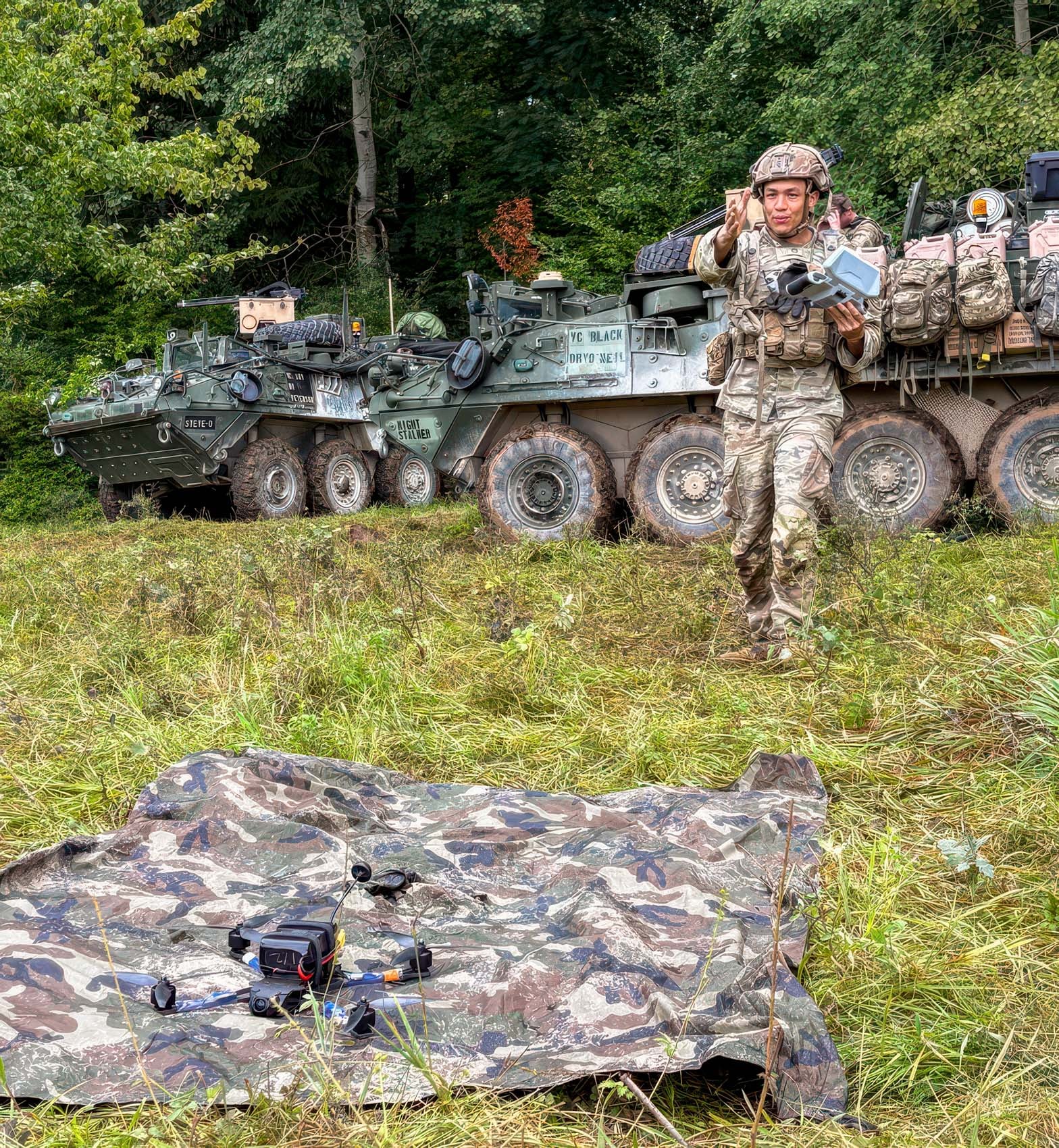
Beginning in early 2025 under a program called Project Flytrap, the regiment restructured its formations to include organic UAS sections that specialize in building, flying, and employing drones. Soldiers from across the formation received between 200 and 300 hours of drone training, including time in a drone lab designing and 3D-printing their own PBAS systems.
By Saber Junction 25 in September 2025, the regiment was flying hundreds of reconnaissance and attack drones in multinational exercises at Hohenfels. By December 2025, a 2CR team won the inaugural Army Best Drone Warfighter Competition. By March 2026, the regiment was briefing Congress on Project Flytrap at the Rayburn House Office Building.
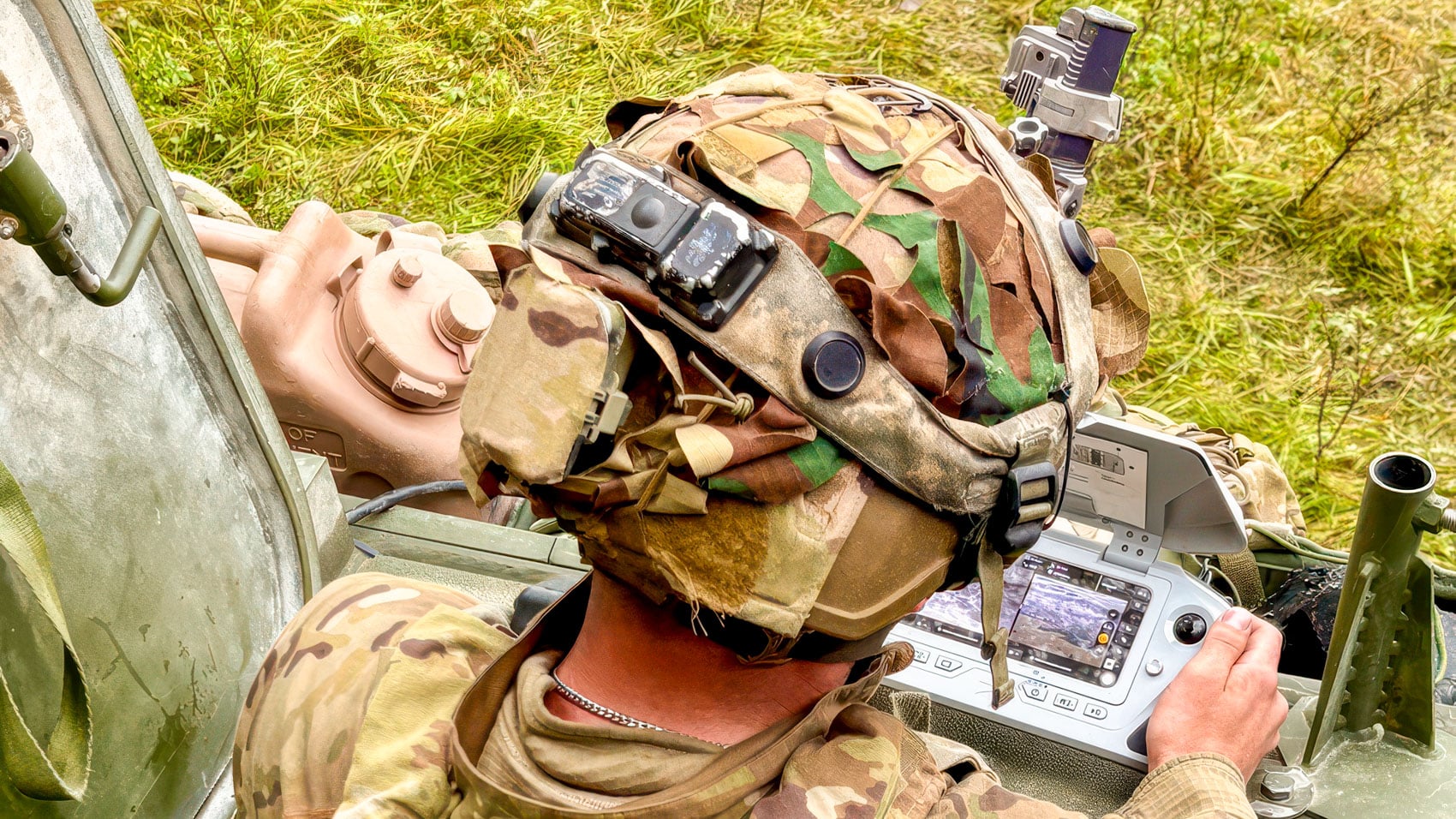
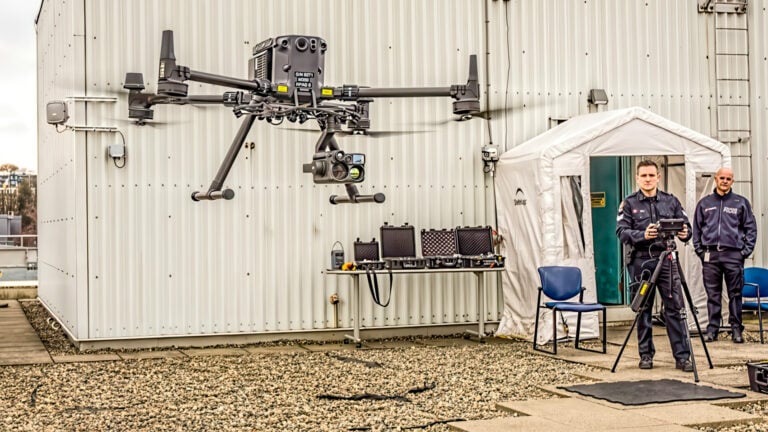
The Cavalry regiment also fields Skydio X10D drones as its commercial off-the-shelf ISR complement, and it participated in the xTech Edge Strike Ground competition from March 3 to 13 this year, evaluating over 17 unmanned ground vehicles from industry vendors to identify the best options for the eastern flank mission.
The regiment’s fire support officer was direct about the UGV cost problem they’re still working through: some platforms run $500 to $1,000 and others approach a million dollars, and that pricing spread makes it hard to build a scalable fleet at brigade level. The system they need to be as cheap as possible, because they know it’s going to go somewhere they won’t recover it from.
The Ukrainian Lesson Behind All of It
None of this happened in isolation. Sergeant First Class Jesse Styron, the regiment’s UAS standardization officer, said plainly that the capability gap left by Army restructuring was filled by looking at what the Ukrainians were doing. 2CR has been training Ukrainian soldiers returning from and preparing for combat, and those conversations shaped how the regiment thought about what reconnaissance should look like on a modern battlefield.
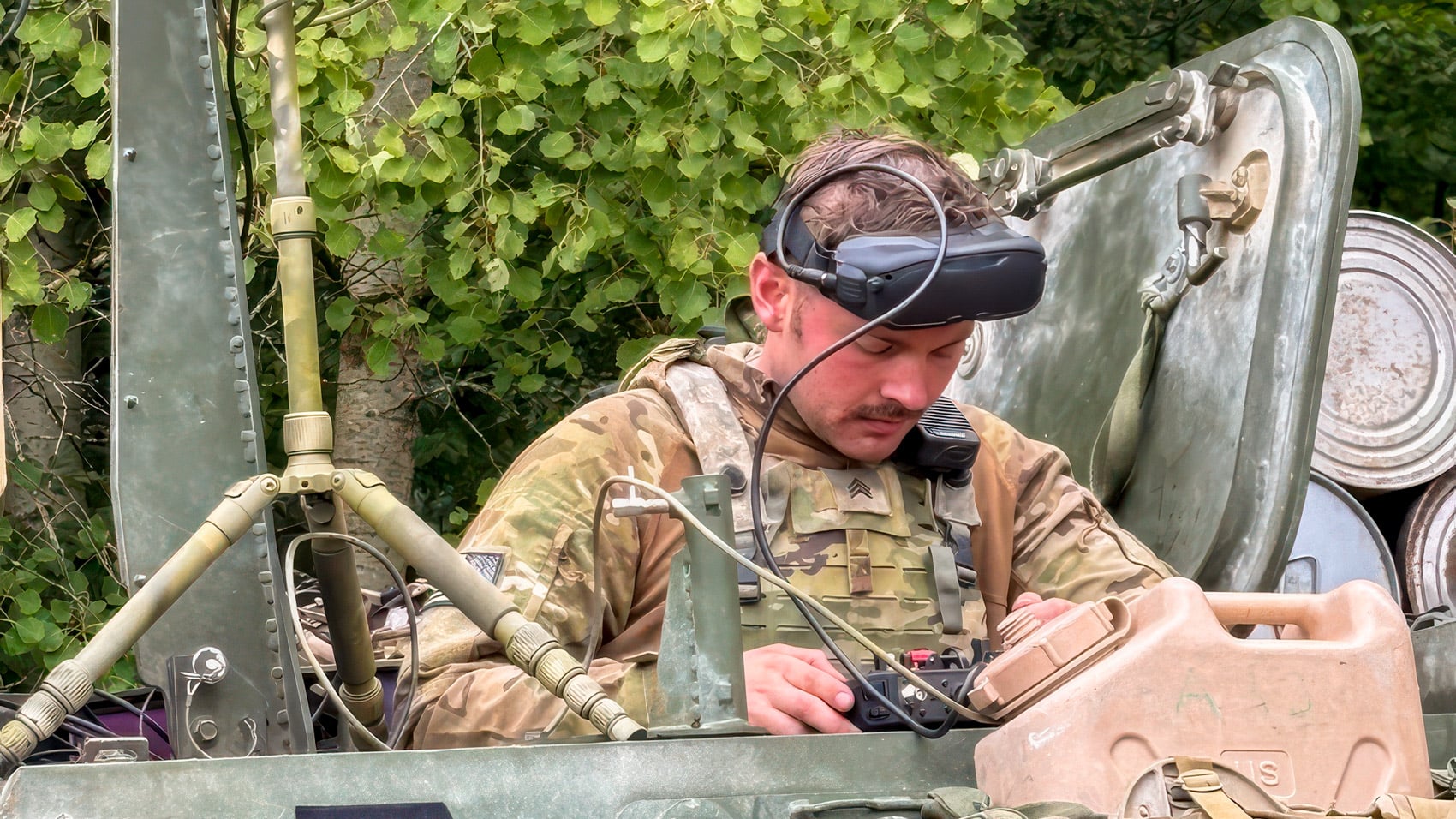
Ukraine’s lesson is the same one playing out in every conflict assessment being written in Washington, Brussels, and every NATO capital: the first thing that crosses the forward line of troops on a modern battlefield isn’t a soldier anymore. It’s a drone. And if your side doesn’t have one ready to go first, you’re the one being watched before you know you’re being watched.
The PBAS-G and PBAS-A combination is the 2nd Cavalry’s attempt to ensure that on the eastern flank, the watching runs in one direction.
DroneXL’s Take
Here’s what I find genuinely significant: a U.S. Army regiment in Europe is 3D-printing its own combat drones, designing its own reconnaissance systems, and fielding them faster than any formal procurement program could have authorized.
That sentence would have been implausible five years ago. Today it’s a Pentagon briefing and a DVIDS press release. The Army bureaucracy that typically takes years to move a requirement from a staff officer’s notebook to a soldier’s hands is watching one of its own regiments shortcut the entire process by building what it needs and proving it works in live exercises.
Project Flytrap isn’t just a training program. It’s a proof of concept for a fundamentally different relationship between soldiers and the systems they fight with.
The cost argument is still unresolved. A $35,000 PBAS kit is cheap by defense standards and expensive by Ukrainian standards. The Ukrainians are fielding comparable capability for a fraction of that price, and they’re doing it at a scale that dwarfs anything the U.S. Army is currently producing. The 2nd Cavalry knows this.
Their fire support officer said so out loud to reporters. The honest part of this story is that the Americans are moving faster than they ever have and still slower than the threat is moving. The unmanned edge is real. Whether it’s sharp enough is the question that doesn’t have an answer yet.
Discover more from DroneXL.co
Subscribe to get the latest posts sent to your email.
Check out our Classic Line of T-Shirts, Polos, Hoodies and more in our new store today!

MAKE YOUR VOICE HEARD
Proposed legislation threatens your ability to use drones for fun, work, and safety. The Drone Advocacy Alliance is fighting to ensure your voice is heard in these critical policy discussions.Join us and tell your elected officials to protect your right to fly.

Get your Part 107 Certificate
Pass the Part 107 test and take to the skies with the Pilot Institute. We have helped thousands of people become airplane and commercial drone pilots. Our courses are designed by industry experts to help you pass FAA tests and achieve your dreams.

Copyright © DroneXL.co 2026. All rights reserved. The content, images, and intellectual property on this website are protected by copyright law. Reproduction or distribution of any material without prior written permission from DroneXL.co is strictly prohibited. For permissions and inquiries, please contact us first. DroneXL.co is a proud partner of the Drone Advocacy Alliance. Be sure to check out DroneXL's sister site, EVXL.co, for all the latest news on electric vehicles.
FTC: DroneXL.co is an Amazon Associate and uses affiliate links that can generate income from qualifying purchases. We do not sell, share, rent out, or spam your email.