Ukraine’s Fiber Optic FPV Drones Now Switch to Radio When the Cable Snaps
Check out the Best Deals on Amazon for DJI Drones today!
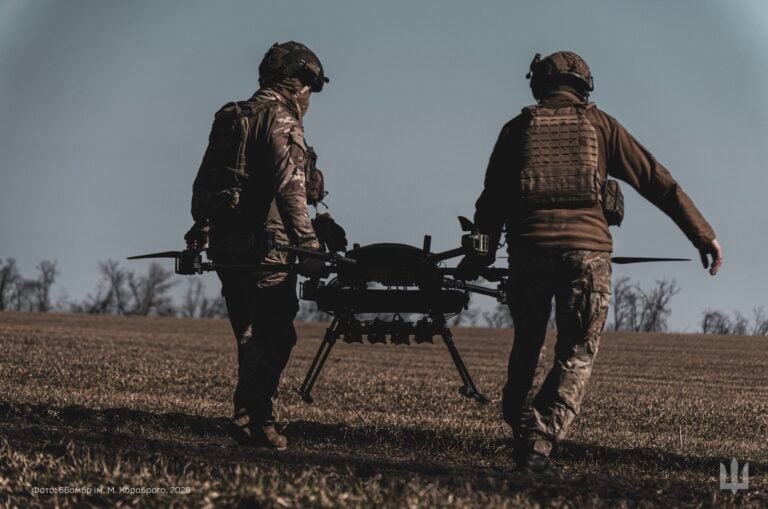
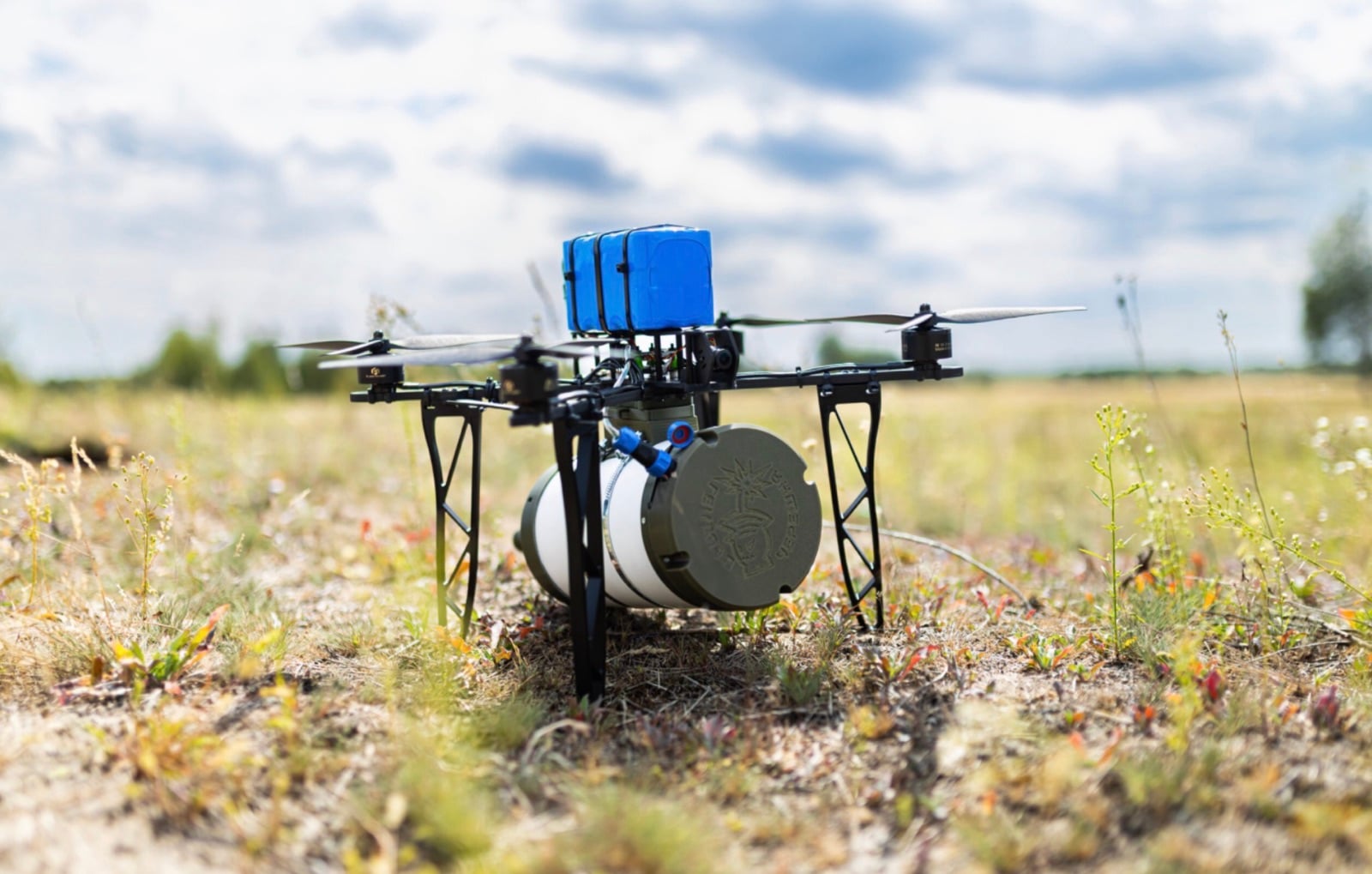
The Ukrainian military has tested an FPV (First-Person View) drone that carries both fiber optic and radio control channels at once, giving operators a live fallback the moment the fiber cable breaks or loops mid-flight. Tetyana Chornovol, a Ukrainian journalist, current Verkhovna Rada MP, and Armed Forces platoon commander, disclosed the development on March 22, 2026, as reported by Militarnyi. An engineer in her platoon built the system. Adding the dual-channel capability raises the cost by UAH 2,500 (roughly US$60) compared to a standard fiber-optic-controlled drone.
The cable problem is real and routine. Long-range flights snap fiber regularly. When a cable breaks, the drone goes dark and the crew loses it, sometimes far short of the target, sometimes with a heavy payload still attached. Cable loops are a separate failure mode: the fiber coils back on itself during flight and disrupts the video feed without physically breaking. Switching to radio at that moment lets the drone keep flying while the cable unwinds and sorts itself out.
Dual Control Solves Two Distinct Cable Failure Modes
Fiber optic drones resist electronic warfare (EW) jamming because they transmit via a physical cable rather than a radio frequency. That advantage disappears the moment the cable fails. DroneXL has covered Ukraine’s push to scale fiber-optic FPV production as a direct counter to Russian EW systems that jam radio-controlled drones before they reach their targets. The dual-channel approach accepts a narrowed EW advantage in exchange for mission completion when the cable goes.
Chornovol was direct about the stakes: losing a large drone with a heavy payload far from the target is, in her words, “highly stressful for the entire crew.” On radio, performance is slightly less reliable than on fiber, but the drone reaches the target. The loop failure mode was the less obvious problem her unit solved. When fiber coils back on itself, the video dies but the cable itself is intact. The drone can continue on radio, the cable unwinds naturally, and the mission proceeds. Not all signal losses are physical breaks. That distinction matters for how the system is designed.
The shortage of optical fiber at the front added a second motivation. When cable runs low, units have been making do with shorter spools and shorter missions. A drone that can complete a run on radio after an early cable failure wastes less of a scarce supply. The dual-channel design doesn’t eliminate fiber consumption, but it stops a spool from being written off entirely the moment something goes wrong at the 3-kilometer mark.
General Cherry Produced 10 Test Airframes After the Platoon Proved the Concept
The first dual-control drones were soldier modifications, built by the platoon’s own engineer without manufacturer involvement. General Cherry (also known by its Ukrainian name, General Chereshnia) saw the potential and formalized the design, producing a batch of 10 thirteen-inch airframes with integrated dual-control systems for military testing.
General Cherry is one of Ukraine’s more active drone manufacturers. DroneXL covered the company’s AIR Pro interceptor drone in December 2025, which tops 124 mph and has been codified for use across Ukraine’s Security and Defense Forces. The OPTIX fiber-optic FPV platform, pictured in the Militarnyi report, is a separate product line aimed at strike missions in EW-heavy airspace, not interception.
The pattern here is consistent across Ukrainian drone development. When DroneXL first covered Russia’s wire-guided kamikaze drones in March 2024, those too started as improvised front-line modifications before manufacturers recognized the value and began series production. Ukraine is running the same cycle now, typically faster than Russia did.
Cable Failures Are Fiber Optic’s Stubborn Weak Point
Fiber optic FPV drones went from battlefield curiosity to core procurement category after Russia demonstrated their effectiveness on the Kursk and Pokrovsk fronts in mid-2024. Ukraine’s Brave1 defense cluster currently has more than 25 engineering teams working on the technology, and domestic factories can produce thousands of units per month. Fiber-optic spools that cost US$2,500 apiece two years ago now sell for around US$500 after Chinese factories scaled up production supplying both sides of the war.
The physics, though, haven’t changed. A multi-kilometer cable trailing a fast-moving drone through wind, vegetation, and broken terrain will break. The dual-control system doesn’t fix that. It absorbs the failure rather than letting it end the mission. Ukraine’s Ratel H ground robot, covered by DroneXL in February 2026, launched fiber-optic FPVs from a mobile unmanned platform specifically to manage operator exposure in terrain where cable handling is already difficult. Dual control addresses the same underlying problem from a different angle.
DroneXL’s Take
This is practical engineering, not a headline capability. I’ve been tracking fiber-optic FPV failures in field reports since early 2024, when DroneXL first covered Russia’s wire-guided kamikaze drone tactics. The failure modes Chornovol describes, spool snags, loops killing the feed mid-approach, heavy payloads lost short of target, have appeared in Ukrainian and Russian operator accounts consistently across two years of reporting. The dual-channel fix was the obvious engineering answer. What took time was a front-line unit with the technical depth to build it and a manufacturer willing to standardize it instead of treating cable breaks as a user error.
The UAH 2,500 cost premium is almost nothing at roughly US$60. A lost drone with a full payload costs orders of magnitude more. General Cherry’s 10-unit test batch is how every Ukrainian battlefield standard begins: prove it works, get a manufacturer to formalize it, then watch it proliferate. Expect at least three other Ukrainian FPV manufacturers to offer their own dual-control variants before the end of 2026, on the same timeline that fiber-optic spools went from a US$2,500 Chinese import to a domestically produced commodity inside twelve months.
DroneXL uses automated tools to support research and source retrieval. All reporting and editorial perspectives are by Haye Kesteloo.
Discover more from DroneXL.co
Subscribe to get the latest posts sent to your email.
Check out our Classic Line of T-Shirts, Polos, Hoodies and more in our new store today!

MAKE YOUR VOICE HEARD
Proposed legislation threatens your ability to use drones for fun, work, and safety. The Drone Advocacy Alliance is fighting to ensure your voice is heard in these critical policy discussions.Join us and tell your elected officials to protect your right to fly.

Get your Part 107 Certificate
Pass the Part 107 test and take to the skies with the Pilot Institute. We have helped thousands of people become airplane and commercial drone pilots. Our courses are designed by industry experts to help you pass FAA tests and achieve your dreams.

Copyright © DroneXL.co 2026. All rights reserved. The content, images, and intellectual property on this website are protected by copyright law. Reproduction or distribution of any material without prior written permission from DroneXL.co is strictly prohibited. For permissions and inquiries, please contact us first. DroneXL.co is a proud partner of the Drone Advocacy Alliance. Be sure to check out DroneXL's sister site, EVXL.co, for all the latest news on electric vehicles.
FTC: DroneXL.co is an Amazon Associate and uses affiliate links that can generate income from qualifying purchases. We do not sell, share, rent out, or spam your email.