Mystery Drones Over Barksdale AFB: What We Actually Know
Check out the Best Deals on Amazon for DJI Drones today!
Here’s what we know for certain: someone flew drones over one of America’s most sensitive military installations, and the Air Force still doesn’t know who. What we don’t know yet will shape the conversation around airspace security, operator intent, and what this means for other bases nationwide, as reported by Newsweek.
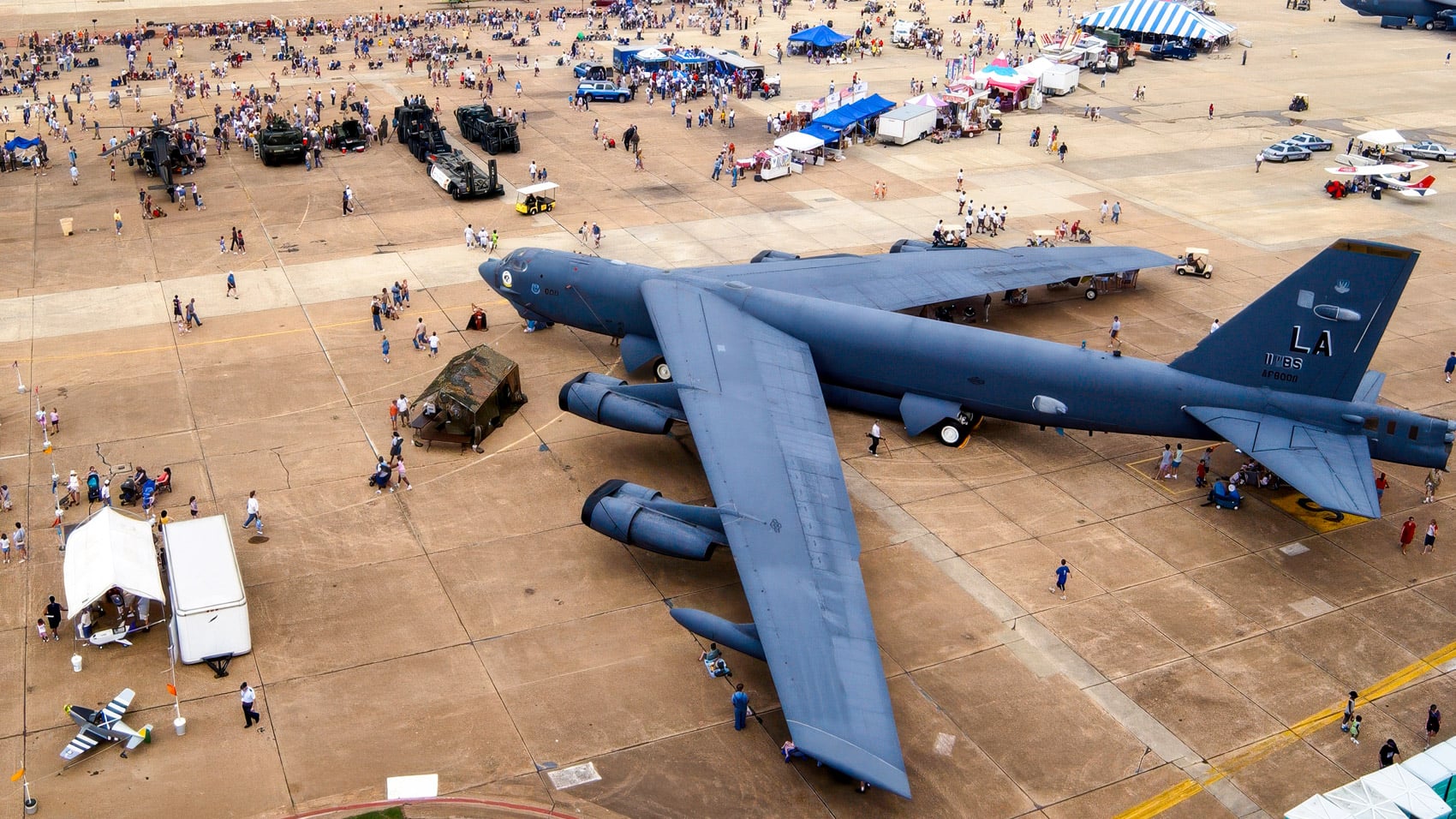
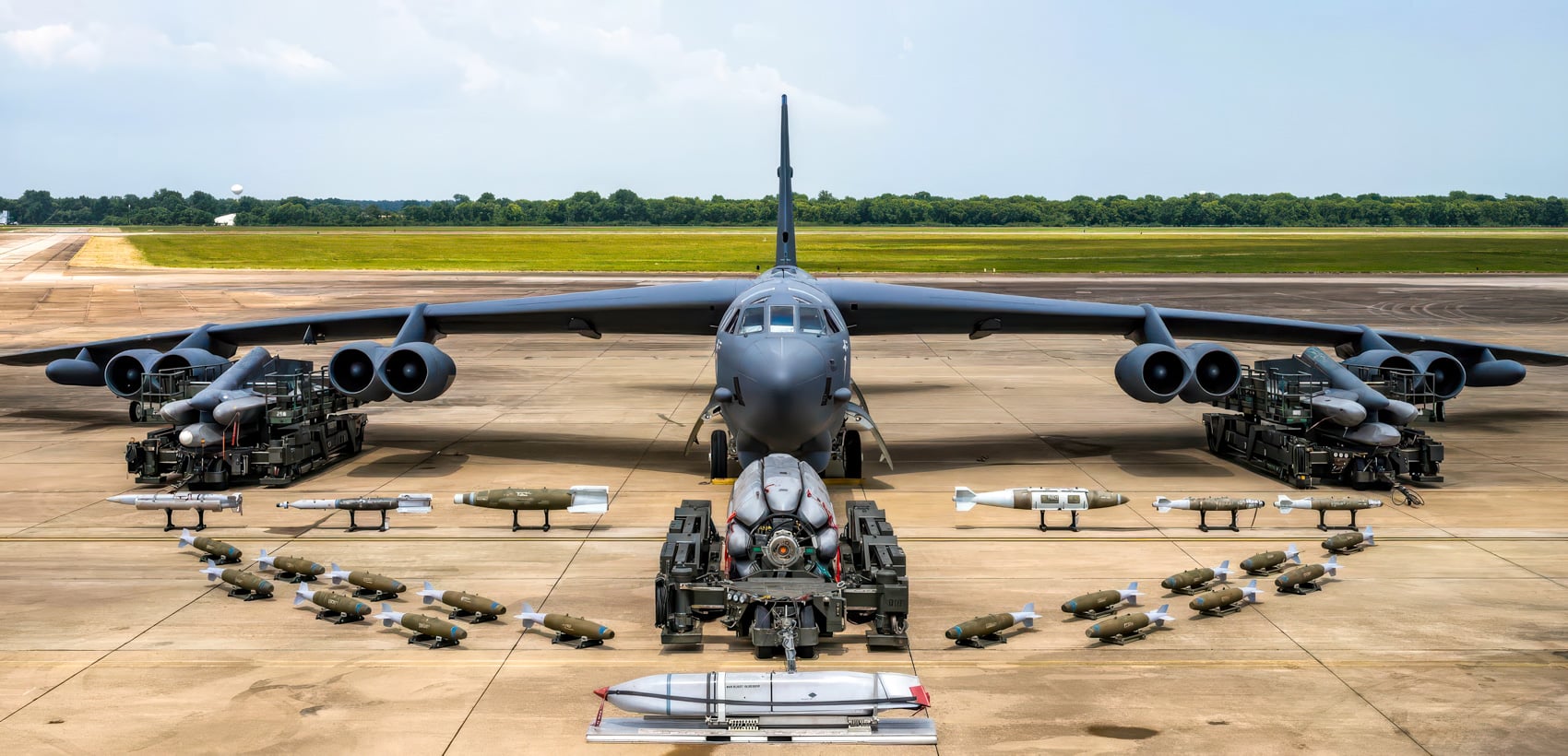
Lawmakers in Louisiana are set to receive classified briefings on multiple waves of unauthorized drones detected above Barksdale Air Force Base, a strategic installation home to long-range B-52 bombers and nuclear command-and-control capabilities tied to U.S. Strategic Command.
The incursions, which occurred during the week of March 9, 2026, triggered a shelter-in-place order and launched a federal investigation that remains ongoing as of early April.
Multiple Waves Over Restricted Airspace
Barksdale Air Force Base, located in Bossier Parish, Louisiana, confirmed that multiple unauthorized unmanned aircraft operated in restricted airspace between March 9 and 15, 2026. The base issued a temporary shelter-in-place order on March 9 following the initial detection, which was lifted later that same day. However, drone activity continued for nearly a week.
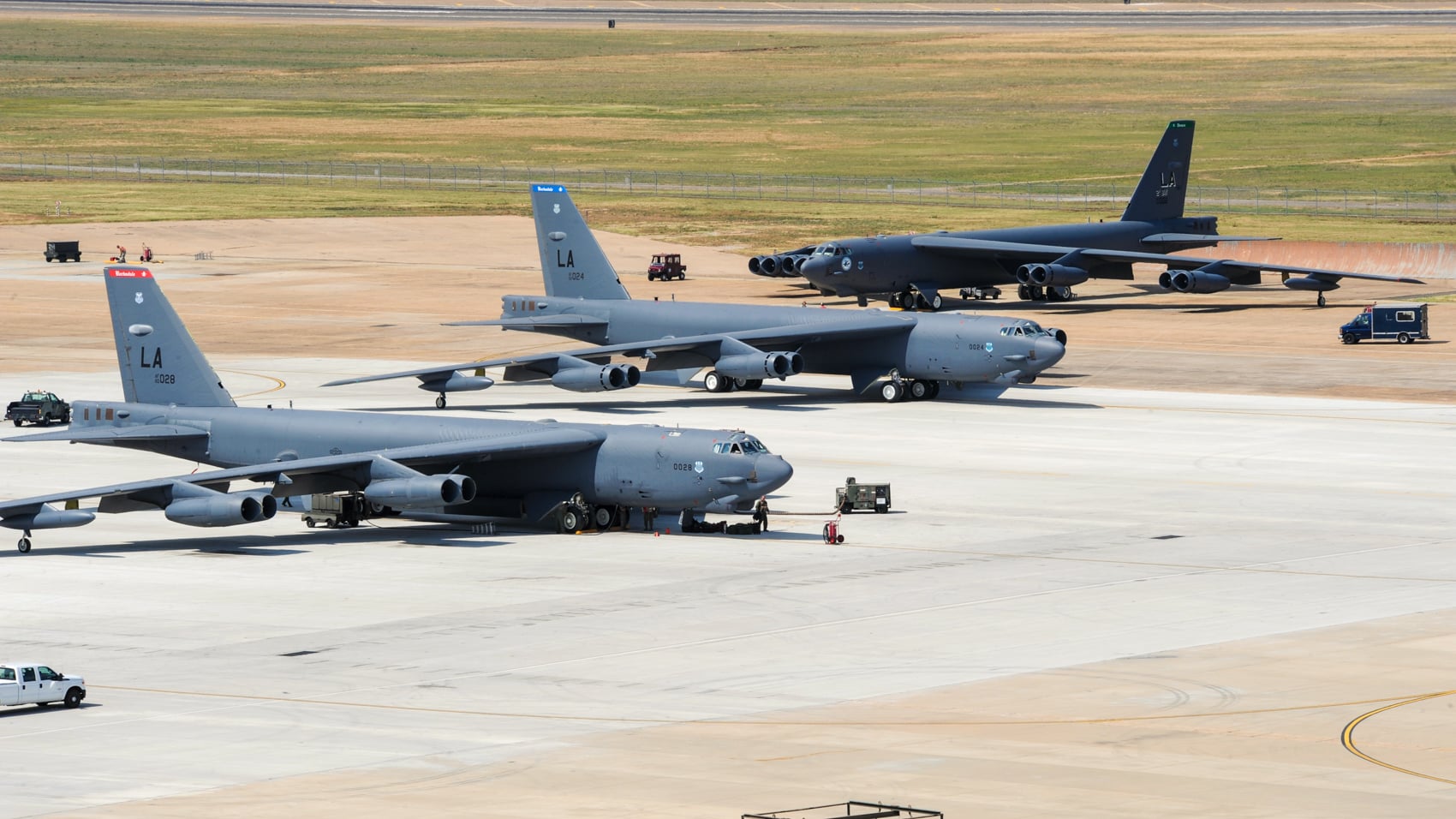
For context, Barksdale sits in heavily restricted airspace. The base is home to the 2nd Bomb Wing, the largest bomb wing in the U.S. Air Force, and hosts B-52H Stratofortress bombers that form a cornerstone of America’s strategic deterrent. The fact that drones penetrated detection systems long enough to be observed over “sensitive areas” including the flight line is not routine, and it’s worth understanding what that means operationally.
A confidential briefing document dated March 15 and obtained by ABC News revealed the scope of the incursions was broader than initially reported. Between March 9 and 15, base security forces observed multiple waves of 12 to 15 drones operating over sensitive areas of the installation, including the flight line.
The aircraft displayed non-commercial signal characteristics, long-range control links, and resistance to jamming. These technical specifications are noteworthy: they suggest the systems were not off-the-shelf consumer drones. No drone activity was detected on March 13 and 14, and it remains unclear whether additional flights have occurred since mid-March.
The drones came and went in patterns that prompted analysts to assess they may have been designed to “avoid the operator(s) being located,” and lights on the devices suggested operators “may be testing security responses” at the base.
However, the briefing document’s characterization remains subject to interpretation, and the base has not independently confirmed these assessments. What looks like intentional evasion to an analyst might reflect basic operational behavior or even sensor artifacts.
Senator Cassidy Reveals Investigation Details
Republican Senator Bill Cassidy received an unclassified briefing on March 27 and disclosed new information about the incursions. He stated that five unauthorized drone flights occurred at Barksdale between March 9 and 15, with one confirmed to be operated by a hobbyist and four of unclear origin.

Photo credit: Bill Cassidy Website
Cassidy told reporters that two drones had been recovered, though with a caveat: officials expressed uncertainty about whether they were connected to the Barksdale incursions. “They found a drone. They’re not sure it was the one related to the incursion,” he said. This matters because physical hardware can tell investigators a lot about construction methods, components, software, and flight logs—but only if they have the right devices.
When asked about whether the drones engaged in deliberate evasive behavior, Cassidy emphasized the tentative nature of available information. “I’m told—but it’s not confirmed—that the drones took evasive action,” he said. Senator John Kennedy, also a Louisiana Republican, indicated he expected to learn more during classified briefing sessions but said he was awaiting fuller details.
Investigation Status and What Happens Next
The Air Force is working with federal and local law enforcement agencies, including the Federal Aviation Administration and Louisiana State Police, to investigate the incursions.
A base spokesperson stated: “Flying a drone over a military installation is not only a safety issue, it is a criminal offense under federal law. We are working closely with federal and local law enforcement agencies to investigate these incursions.”
Base officials declined to comment on specific defensive measures employed or counter-unmanned aircraft system capabilities deployed, citing operational security concerns. A base spokesperson indicated that while the investigation remains active, the drone incursions did not disrupt flight operations.
Charles Hoffman, a base official, clarified that the incidents represented “a period of drones” rather than a continuous swarm. That distinction matters: it suggests operators may have been probing intermittently rather than attempting a coordinated assault on base operations.
The incident comes as the U.S. military has heightened awareness of small drone threats across its installations. General Gregory Guillot, commander of U.S. Northern Command, has testified before Congress that small unmanned aircraft systems pose a significant risk to infrastructure and safety across the United States.
The Barksdale incursions follow the launch of Operation Epic Fury, U.S. military operations that began on February 28, and occur amid broader concerns about emerging drone threats to critical defense infrastructure.
DroneXL’s Take
Here’s what I find genuinely significant: the Air Force is operating with incomplete information, and they’re not hiding it. That’s different from the usual pattern where classified details stay classified and unclassified statements stick to safe talking points.
What we’re seeing at Barksdale is a real gap in airspace monitoring over a critical installation. The drones got in, they operated for multiple days, security forces detected them but couldn’t immediately determine who was operating them or what they wanted. Two devices were recovered but may not even be the ones that actually flew over the base.
That’s a genuine problem, and it’s not about DJI versus Skydio or any commercial platform—it’s about the fact that someone, somewhere, flew purpose-built systems over one of the most sensitive military installations in America and the investigation is still ongoing weeks later.
The distinction between “12 to 15 drones” in one briefing and “five or so” incursions in another is worth paying attention to. That gap tells you the investigation is still making sense of the data. We don’t have a clean narrative yet, and that’s okay—it means the reporting you’re getting isn’t artificially polished.
For drone enthusiasts and professionals, this case matters because it demonstrates both the capability and the challenge.
These weren’t consumer systems. They had long-range control links, they resisted jamming, and they stayed over a hardened military target for days without being positively identified or neutralized. That capability exists, it’s deployable, and the countermeasures aren’t fully effective yet.
The fact that one confirmed hobbyist was involved in at least some of the activity adds another layer—it means you can’t assume sophistication based on proximity to a target. Amateur operators can stumble into restricted airspace. Sophisticated operators can do the same thing deliberately. Right now, investigators are trying to figure out which is which.
Photo credit: Bill Cassidy Website, Wikipedia, USAF.
Discover more from DroneXL.co
Subscribe to get the latest posts sent to your email.
Check out our Classic Line of T-Shirts, Polos, Hoodies and more in our new store today!

MAKE YOUR VOICE HEARD
Proposed legislation threatens your ability to use drones for fun, work, and safety. The Drone Advocacy Alliance is fighting to ensure your voice is heard in these critical policy discussions.Join us and tell your elected officials to protect your right to fly.

Get your Part 107 Certificate
Pass the Part 107 test and take to the skies with the Pilot Institute. We have helped thousands of people become airplane and commercial drone pilots. Our courses are designed by industry experts to help you pass FAA tests and achieve your dreams.

Copyright © DroneXL.co 2026. All rights reserved. The content, images, and intellectual property on this website are protected by copyright law. Reproduction or distribution of any material without prior written permission from DroneXL.co is strictly prohibited. For permissions and inquiries, please contact us first. DroneXL.co is a proud partner of the Drone Advocacy Alliance. Be sure to check out DroneXL's sister site, EVXL.co, for all the latest news on electric vehicles.
FTC: DroneXL.co is an Amazon Associate and uses affiliate links that can generate income from qualifying purchases. We do not sell, share, rent out, or spam your email.