Vidun Fixed-Wing Interceptor Gets Ukraine Military Approval, But Procurement Delays Are Already Cutting Production
Check out the Best Deals on Amazon for DJI Drones today!
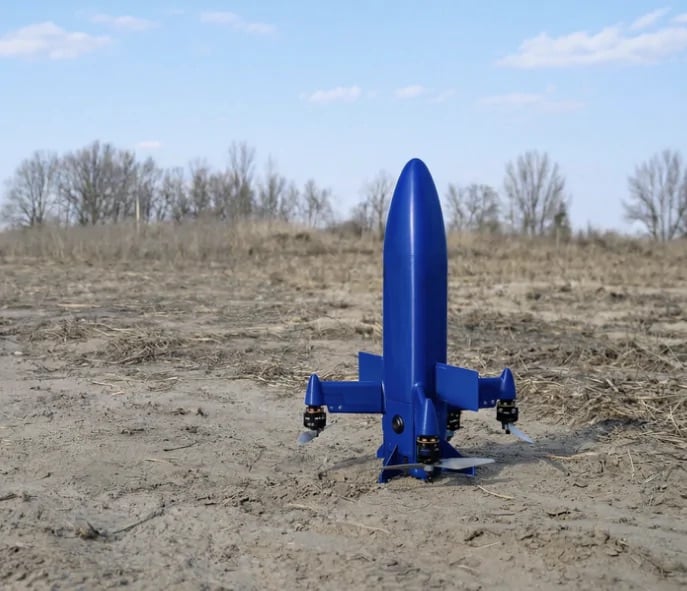
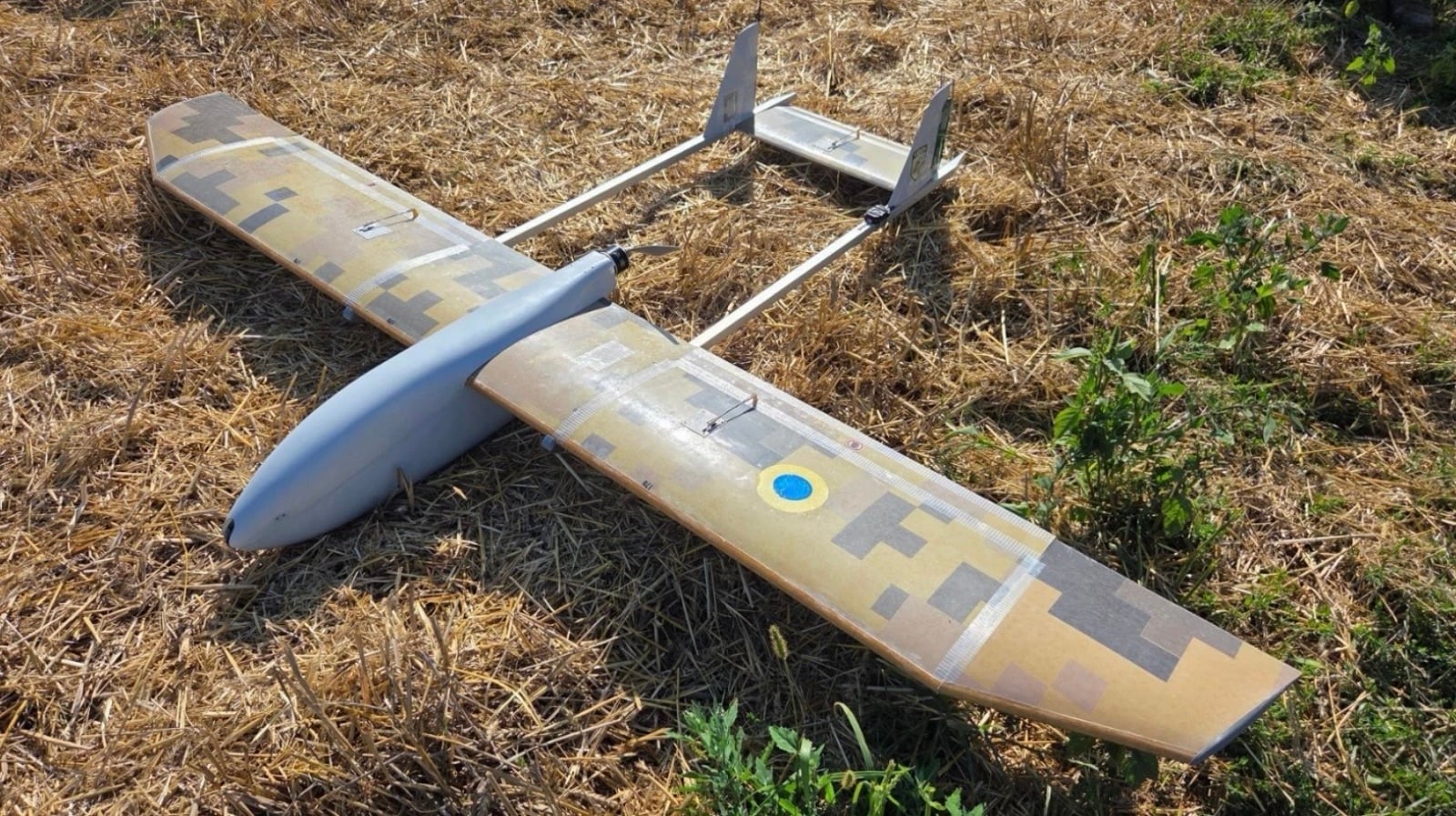
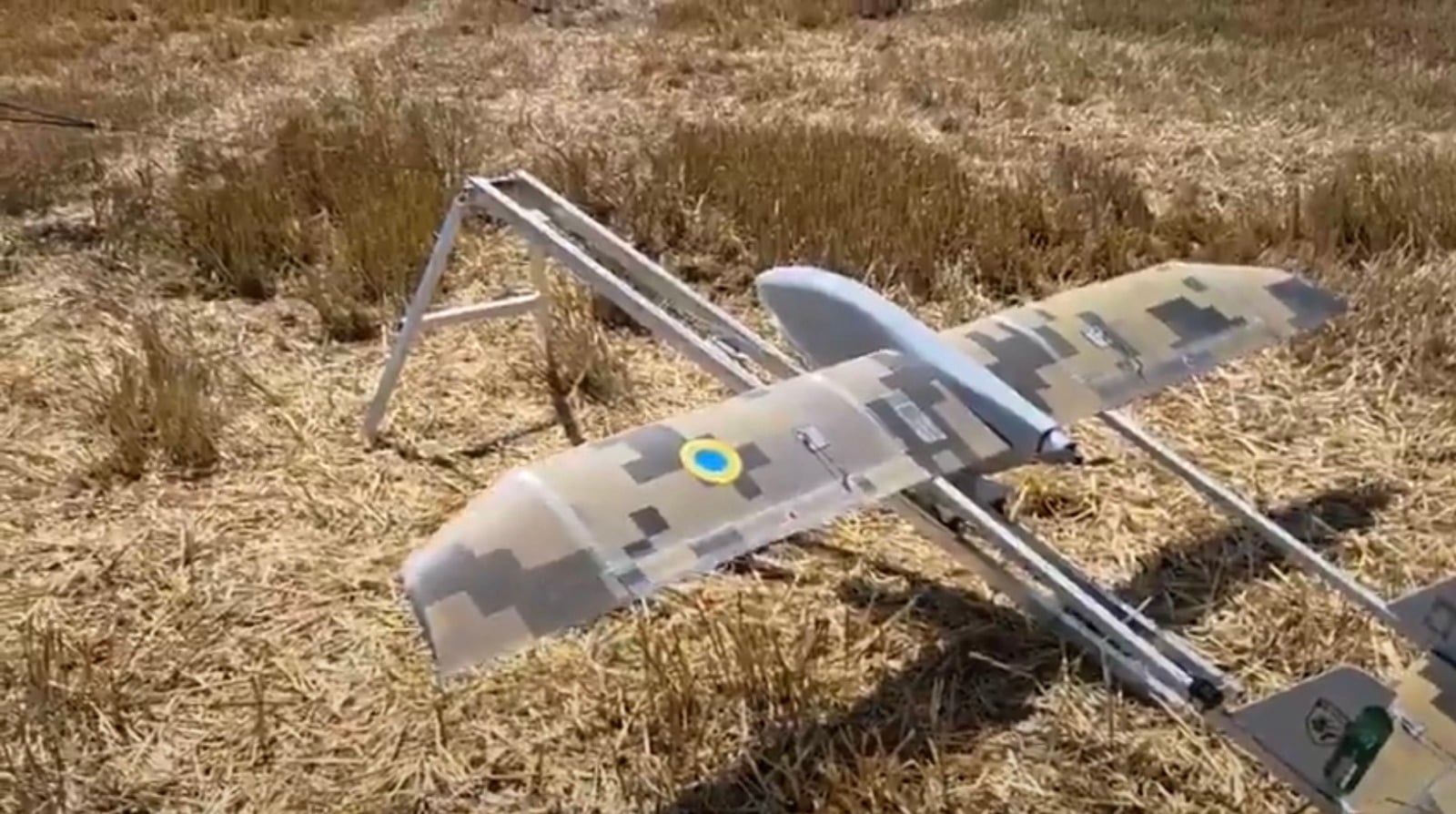
Ukraine’s Ministry of Defence has codified the Vidun fixed-wing interceptor drone for operational use by the Armed Forces, according to Defender Media, a Ukrainian defense publication that reported on the codification on April 4, 2026. The article’s title, “Fixed-Wing Interceptor Vidun Codified: Can Reach 6 km Altitude and Stay Airborne for Over Two Hours,” was confirmed at time of writing; the original URL was unavailable and has been linked to the publisher’s homepage. The composite-airframe interceptor is designed to hunt strike UAVs including the Shahed (called the Geran by Russia) and the Gerbera decoy variant. Built on frontline feedback, the current production version hits 250 km/h, climbs to 6 km altitude, stays airborne for more than two hours, and operates at a tactical range exceeding 70 km. The catch: state procurement contracts have stalled, and the manufacturer has already been forced to cut operating hours.
Vidun Outperforms Short-Range Interceptors on Endurance and Range
The Vidun’s performance envelope sets it apart from the multirotor and FPV interceptors that fill Ukraine’s counter-drone inventory. At 250 km/h top speed, 6 km service ceiling, and more than two hours of endurance, it can pursue targets across terrain types where short-range interceptors lose contact: dense forest, coastal corridors, and open water.
The aircraft is catapult-launched and supports two targeting modes: manual operator guidance and radar-based targeting. Its low approach and landing speeds allow the airframe to be recovered and reused when an intercept fails. That reusability matters at scale. Per the Defender Media report, the unit cost on Ukraine’s Brave1 state defense marketplace sits at 160,000 UAH. That figure is modest for a fixed-wing system with this performance profile, and reuse keeps the per-intercept cost lower still.
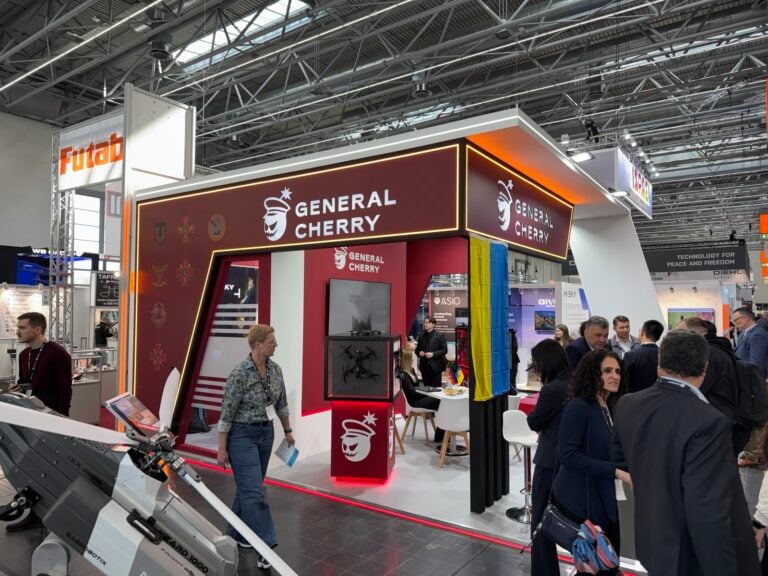
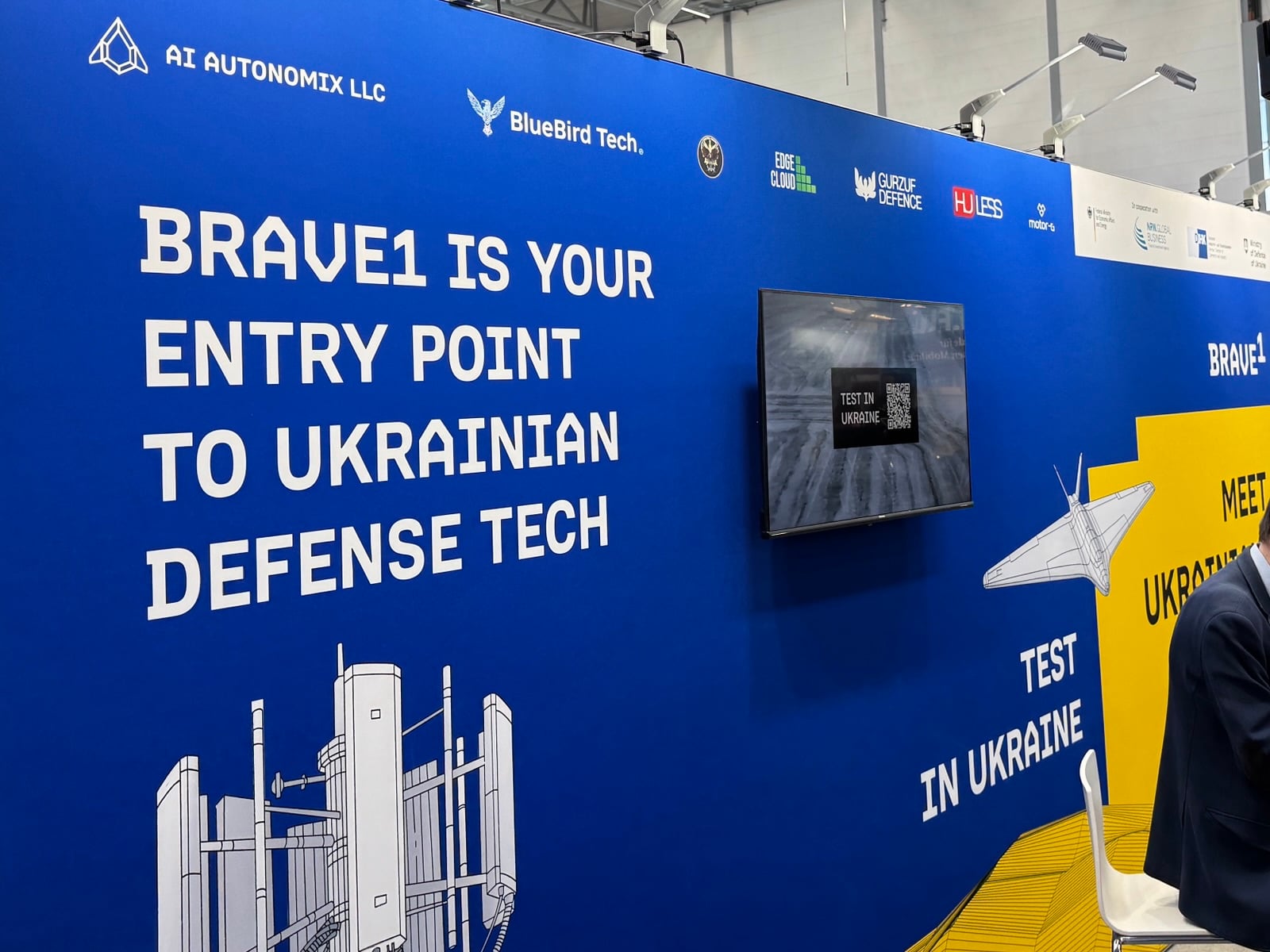
The manufacturer reports that most onboard electronics are produced in Ukraine, a deliberate move away from Chinese-sourced components that has become a broader priority across the country’s defense drone sector. I covered that shift firsthand at XPONENTIAL Europe 2026 in Düsseldorf, where Ukrainian manufacturers at the Brave1 pavilion were emphasizing domestic electronics content as both a supply-chain argument and an export credential. The pattern held across every booth I visited.
Vidun’s 2025 Combat Record Includes a Standout December
In 2025, the Vidun ranked among the top 10 interceptors by kill rate across Ukraine’s counter-drone force, per the Defender Media report. December is the number worth paying attention to. When adverse weather grounded most other interceptor types, Vidun kept flying and recorded approximately 70% effectiveness, taking down 50 Shahed drones during that window alone.
That weather resilience is a genuine operational differentiator. As we reported in October 2025 on Ukraine’s interceptor drone economics and growing NATO interest in low-cost intercept platforms, the market for capable fixed-wing systems is expanding fast. A platform with multi-hour endurance and high-altitude reach fills a gap that rotary-wing and FPV interceptors cannot cover in poor visibility or strong wind.
Codification Without Contracts Is a Problem
Ukraine formally approving the Vidun for military use is meaningful on paper. Codification gives the system official status, opens budget lines, and puts it on the procurement track. But Defender Media reports that state contract finalization has been significantly delayed, and the manufacturer has already responded by cutting operating hours.
This is not an isolated case. Zelenskyy acknowledged in March 2026 that Ukraine can produce 2,000 interceptor drones per day, but only with the budget to fund it. The Vidun situation shows exactly how that funding gap plays out at the manufacturer level: a proven system, a formal approval, and a production line running below capacity because the purchase orders aren’t coming through. Germany’s decision to fund 15,000 STRILA interceptors for Ukraine’s National Guard shows one model for bridging that gap through allied procurement, but the Vidun manufacturer appears to be waiting on domestic contracts rather than foreign backing.
The contrast with Ukraine’s broader momentum is sharp. Terra Drone just invested in Amazing Drones and launched the Terra A1 interceptor for the global defense market. General Cherry is exporting its counter-drone stack internationally. Ukraine’s industry has receipts. But receipts don’t pay salaries when procurement timelines slip.
DroneXL’s Take
The Vidun story sits at the uncomfortable intersection of genuine capability and bureaucratic drag. A 70% kill rate in December conditions, when everything else was grounded, is not a spec sheet claim. It’s a combat result. Ukraine has a fixed-wing interceptor that works. What it doesn’t have is a functioning procurement pipeline to back the manufacturer that built it.
The pattern has come up repeatedly in my coverage this year. At Düsseldorf, Ukrainian manufacturers talked about codification as the threshold that unlocks serious orders. The Vidun cleared that threshold. The contracts still haven’t followed. That’s a morale and capacity problem for a company that has demonstrably earned the business.
Ukraine’s interceptor sector is maturing fast. The deep-strike drone campaign gets the headlines, but the counter-Shahed fight is fought every single night, and fixed-wing endurance platforms like the Vidun are increasingly where that fight is won. The Vidun manufacturer has already cut operating hours once. If domestic procurement doesn’t move soon, the next step is reduced production or redirected capacity. That would waste a working weapon at exactly the wrong time.
DroneXL uses automated tools to support research and source retrieval. All reporting and editorial perspectives are by Haye Kesteloo.
Discover more from DroneXL.co
Subscribe to get the latest posts sent to your email.
Check out our Classic Line of T-Shirts, Polos, Hoodies and more in our new store today!

MAKE YOUR VOICE HEARD
Proposed legislation threatens your ability to use drones for fun, work, and safety. The Drone Advocacy Alliance is fighting to ensure your voice is heard in these critical policy discussions.Join us and tell your elected officials to protect your right to fly.

Get your Part 107 Certificate
Pass the Part 107 test and take to the skies with the Pilot Institute. We have helped thousands of people become airplane and commercial drone pilots. Our courses are designed by industry experts to help you pass FAA tests and achieve your dreams.

Copyright © DroneXL.co 2026. All rights reserved. The content, images, and intellectual property on this website are protected by copyright law. Reproduction or distribution of any material without prior written permission from DroneXL.co is strictly prohibited. For permissions and inquiries, please contact us first. DroneXL.co is a proud partner of the Drone Advocacy Alliance. Be sure to check out DroneXL's sister site, EVXL.co, for all the latest news on electric vehicles.
FTC: DroneXL.co is an Amazon Associate and uses affiliate links that can generate income from qualifying purchases. We do not sell, share, rent out, or spam your email.