XDOWN’s STUD Drone Goes From Backpack to Airborne in 2 seconds Flat
Check out the Best Deals on Amazon for DJI Drones today!
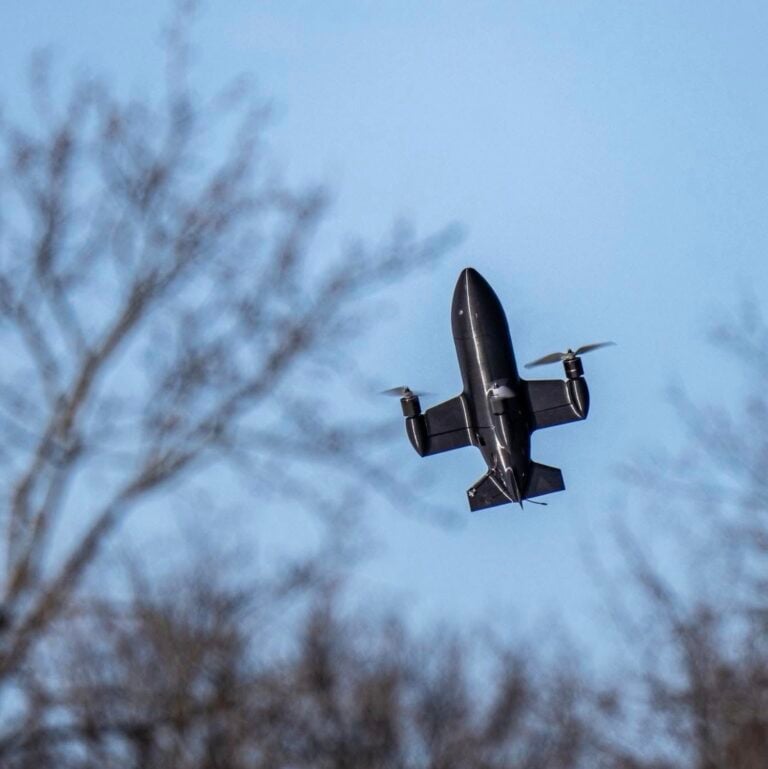
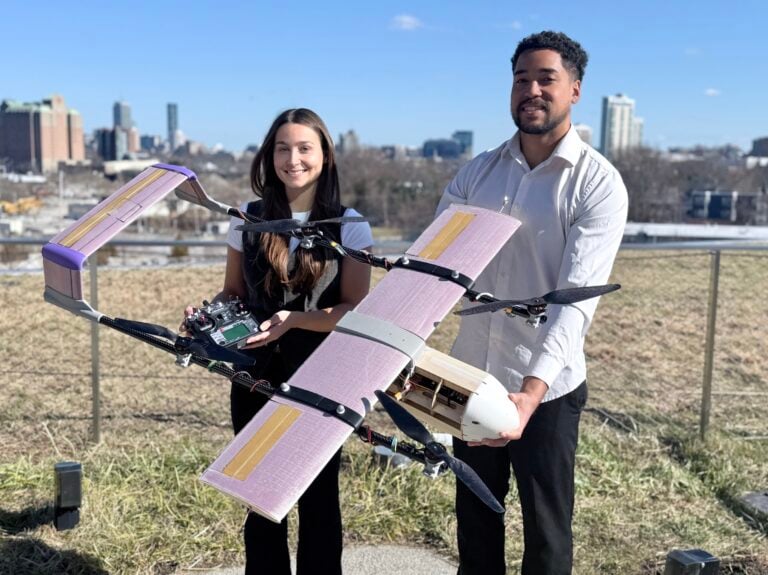
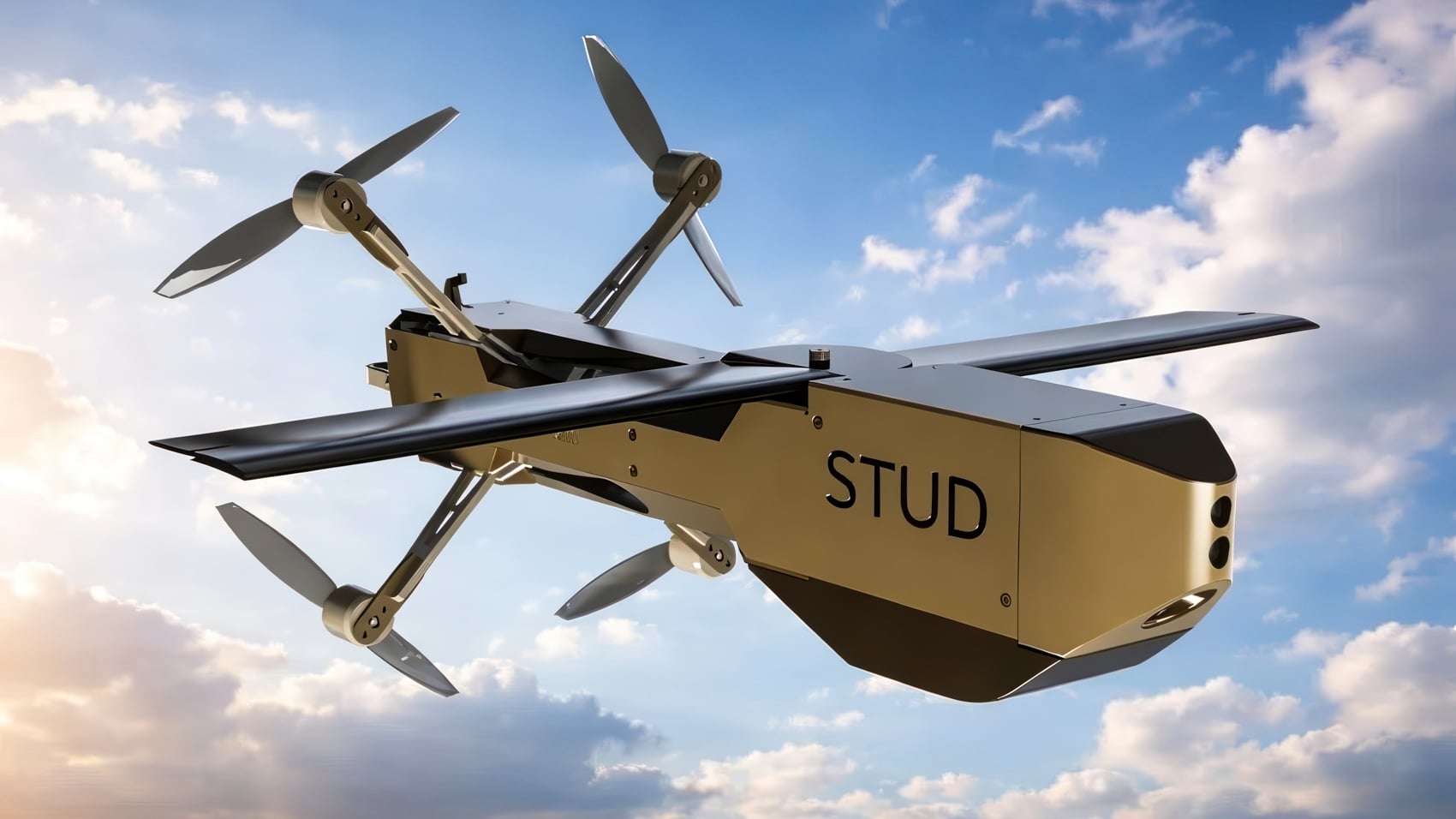
US defense startup XDOWN has unveiled the STUD (Small Tactical Unmanned Drone), a hand-launched UAV (Unmanned Aerial Vehicle) designed to reach active flight from a stowed position in two seconds. According to NextGen Defense, a single soldier can carry 8 to 12 units in a standard tactical backpack, launch them by hand, and let the onboard rotors take over from there. No runway, no ground crew, no elaborate setup. Just two seconds and it’s gone.
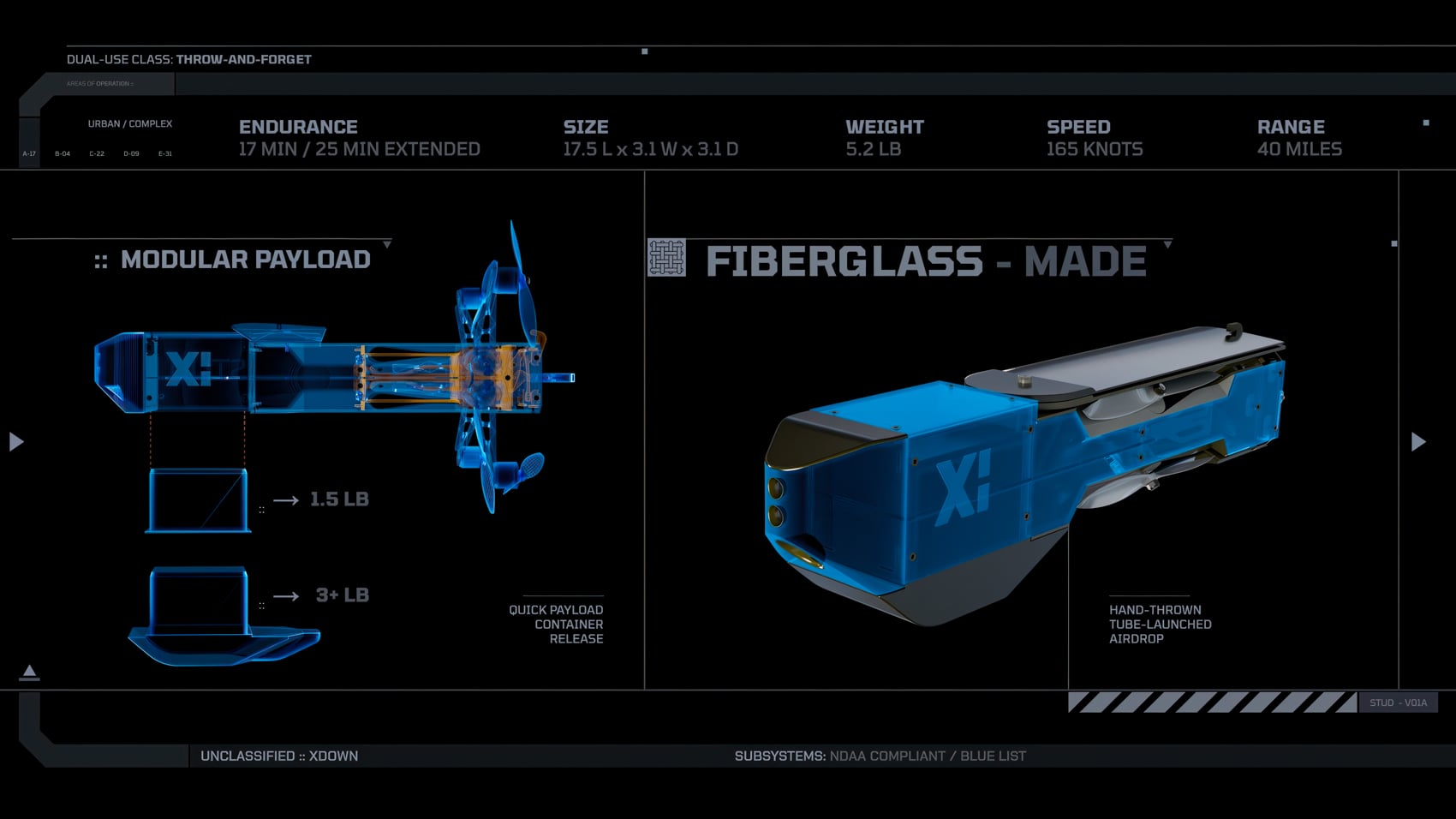
The idea behind STUD is dead simple: get more firepower into fewer hands, faster. XDOWN CEO Alexander Balan framed it plainly: “We believe tomorrow’s military gear will rely less on guns, rifles, and magazines, making room for compact, low-cost, portable unmanned systems.” Whether that vision becomes reality depends on whether the hardware lives up to its spec sheet.
STUD Specs Place It in a Surprisingly Capable Weight Class
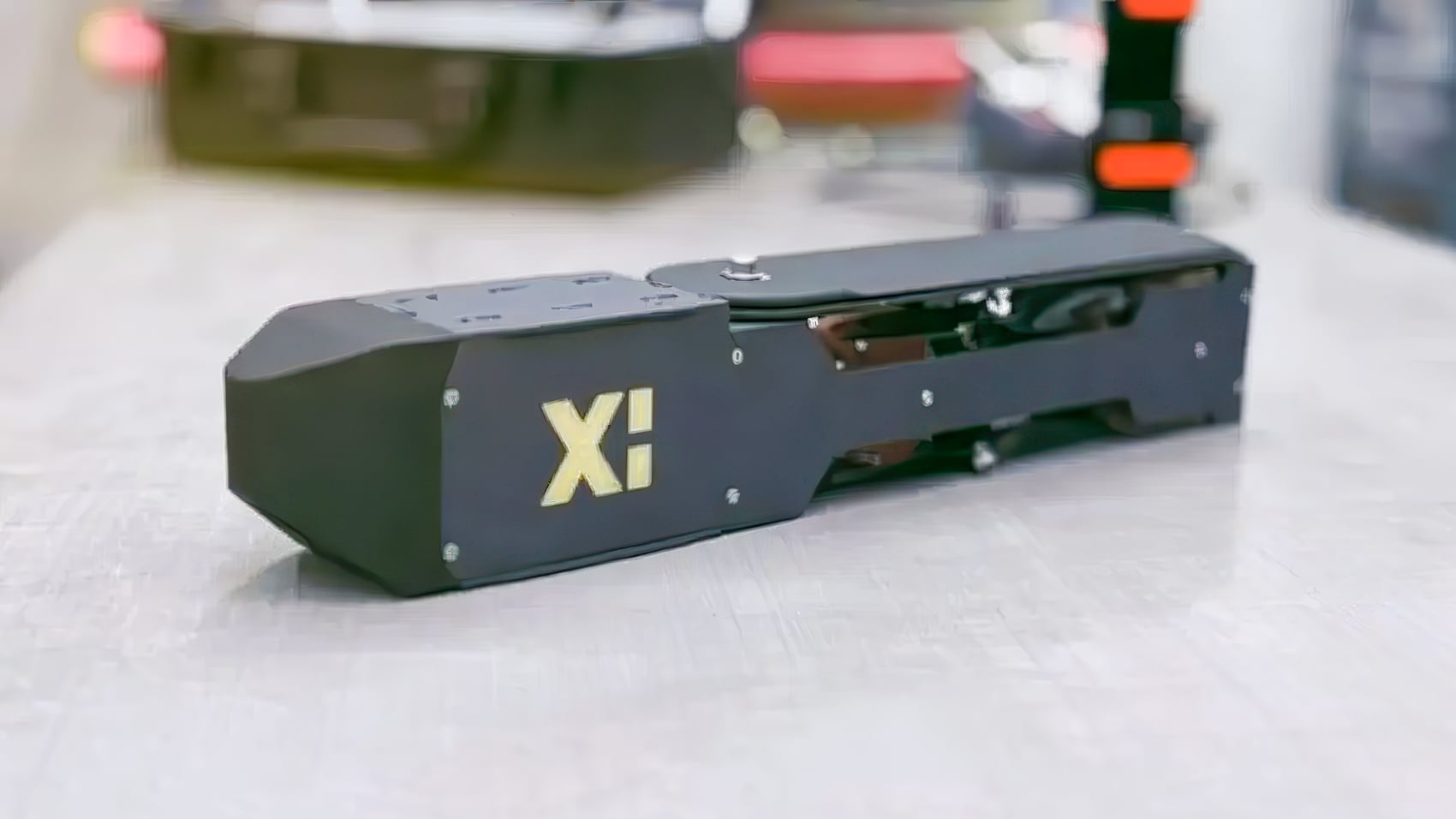
The STUD measures 17.5 inches (44.5 cm) long and just 3.1 inches (8 cm) wide and deep, which explains how a soldier packs a dozen of them. Weight comes in at 5.2 pounds (2.7 kg), with a payload capacity of up to 1.7 pounds (0.77 kg). That’s a tight package for what it claims to carry.
Top speed is listed at 165 knots (190 mph / 305 km/h). Operational range reaches 40 miles (64 km), and flight endurance is 17 minutes in standard configuration. Those numbers, if they hold under field conditions, make STUD fast enough to outrun most manual countermeasures and long-legged enough to reach targets well beyond the immediate contact zone.
I’ll be honest: 165 knots from a hand-launched drone in a 5-pound frame is a headline that deserves skepticism until independent field testing confirms it. Spec sheets from defense startups have a long history of promising things that engineering constraints quietly walk back later. Worth watching.
One Airframe, Four Roles
XDOWN built the STUD around a modular payload architecture, meaning the same airframe can reportedly swap between missions without replacing the platform.
The four advertised mission roles are intelligence, surveillance, and reconnaissance (ISR); precision strike; counter-UAV; and electronic warfare. These are manufacturer claims. No independent testing has confirmed that all four roles are functional in hardware.
Anti-personnel and anti-armor engagement capabilities are also listed, targeting infantry and unmanned ground and surface systems. That makes STUD a loitering munition candidate, not just a scout.
We’ve been tracking this convergence of ISR and strike roles in small drone platforms for a while now, including Turkey’s ALPAGU kamikaze drone, a tube-launched backpack system from Turkish firm STM that follows the same logic of putting lethal capability in a single soldier’s pack. STUD differs in that it’s hand-launched rather than tube-launched, which affects how quickly a soldier can put rounds in the air.
Baykar went further with the K2 kamikaze UAV unveiled in March 2026, a platform that weighs roughly 1,764 pounds and has a range of over 1,200 miles, blurring the line between drone and cruise missile entirely. STUD sits at the opposite end of that spectrum: small, disposable, carried in quantity rather than launched from a truck or aircraft.
The Backpack Army Is a Real Tactical Shift
The concept of a single operator carrying a swarm of lethal or ISR drones isn’t new, but XDOWN’s two-second deployment claim pushes the practical case harder than most. Reaction time is everything in close contact situations. If STUD’s quick-release setup actually delivers that speed consistently, it changes what a squad-level engagement looks like.
The U.S. Army already demonstrated drone-dropped grenades from a Skydio X10D at Grafenwoehr in June 2025. U.S. Marines and South Korean forces practiced shooting down suicide drones in March 2026. The military establishment is moving. The question is how fast procurement follows development, because the gap between a startup’s spec sheet and a fielded contract remains wide in US defense circles.
The counter-UAV role is worth noting specifically. Germany’s Quantum Systems launched the RAT (Red Air Target) drone in early 2026 specifically to give European forces a realistic Shahed stand-in to train against. STUD’s advertised C-UAV role puts it in that same contested airspace, trying to intercept small, fast threats at close range. That’s a very different engineering challenge than ISR or strike, and it remains unclear how XDOWN plans to achieve it at these dimensions.
DroneXL’s Take
I’ve watched a lot of defense drone announcements come and go. The pattern is familiar: a startup publishes a spec sheet, a defense outlet runs it, and eighteen months later the company either secures a contract or quietly disappears. When we covered Quantum Systems’ RAT drone launch in March 2026, the same question applied: the hardware looked credible, but credibility only gets confirmed in field conditions, not press releases. XDOWN and STUD sit at exactly that same point right now, with one added caveat: XDOWN has no publicly verifiable DoD contract history and no independent field test data on record.
What’s different here is the deployment speed claim. Two seconds is not a marketing rounding. It’s a specific number that will either be reproducible under field stress or it won’t. That kind of specificity is actually good. It gives the military a hard benchmark to test against, and it gives the rest of us something concrete to hold XDOWN accountable for.
The CEO’s framing, that future soldiers will carry drones instead of magazines, is where I’d pump the brakes. Magazines don’t run out of battery. They don’t require GPS. They don’t get jammed. STUD probably doesn’t replace rifles. It extends what a rifle can’t reach. That’s still a genuinely useful capability, especially at 40 miles range and 165 knots, if those numbers are real.
Here’s where I land: if XDOWN publishes independent flight test data by the end of 2026, STUD has a real shot at a small DoD contract. If that data doesn’t materialize, this stays a spec sheet. The backpack drone category is real and growing fast. The companies that survive it will be the ones that show video from actual field conditions, not just render farms.
DroneXL uses automated tools to support research and source retrieval. All reporting and editorial perspectives are by Rafael Suarez.
Photo credit: XDOWN
Discover more from DroneXL.co
Subscribe to get the latest posts sent to your email.
Check out our Classic Line of T-Shirts, Polos, Hoodies and more in our new store today!

MAKE YOUR VOICE HEARD
Proposed legislation threatens your ability to use drones for fun, work, and safety. The Drone Advocacy Alliance is fighting to ensure your voice is heard in these critical policy discussions.Join us and tell your elected officials to protect your right to fly.

Get your Part 107 Certificate
Pass the Part 107 test and take to the skies with the Pilot Institute. We have helped thousands of people become airplane and commercial drone pilots. Our courses are designed by industry experts to help you pass FAA tests and achieve your dreams.

Copyright © DroneXL.co 2026. All rights reserved. The content, images, and intellectual property on this website are protected by copyright law. Reproduction or distribution of any material without prior written permission from DroneXL.co is strictly prohibited. For permissions and inquiries, please contact us first. DroneXL.co is a proud partner of the Drone Advocacy Alliance. Be sure to check out DroneXL's sister site, EVXL.co, for all the latest news on electric vehicles.
FTC: DroneXL.co is an Amazon Associate and uses affiliate links that can generate income from qualifying purchases. We do not sell, share, rent out, or spam your email.