New York State Police troopers brought three drones to the Town of Warwick Police Department’s Junior Police Academy this week, and the cadets learned the day’s hardest lesson on foot: nobody outruns a police drone. The kids raced the aircraft twice across the grounds of Warwick Valley Middle School. They lost both times.
The session, part of week one of the academy’s summer program in Warwick, New York, put working State Police drone pilots in front of the next generation, controllers in hand, and let the technology make its own argument. The district published the account on July 16.
I have covered police drone programs across the country for DroneXL, and most of that coverage involves adults arguing about the technology. This story is about kids meeting it.
Three Drones, Two Races, Zero Wins For The Cadets
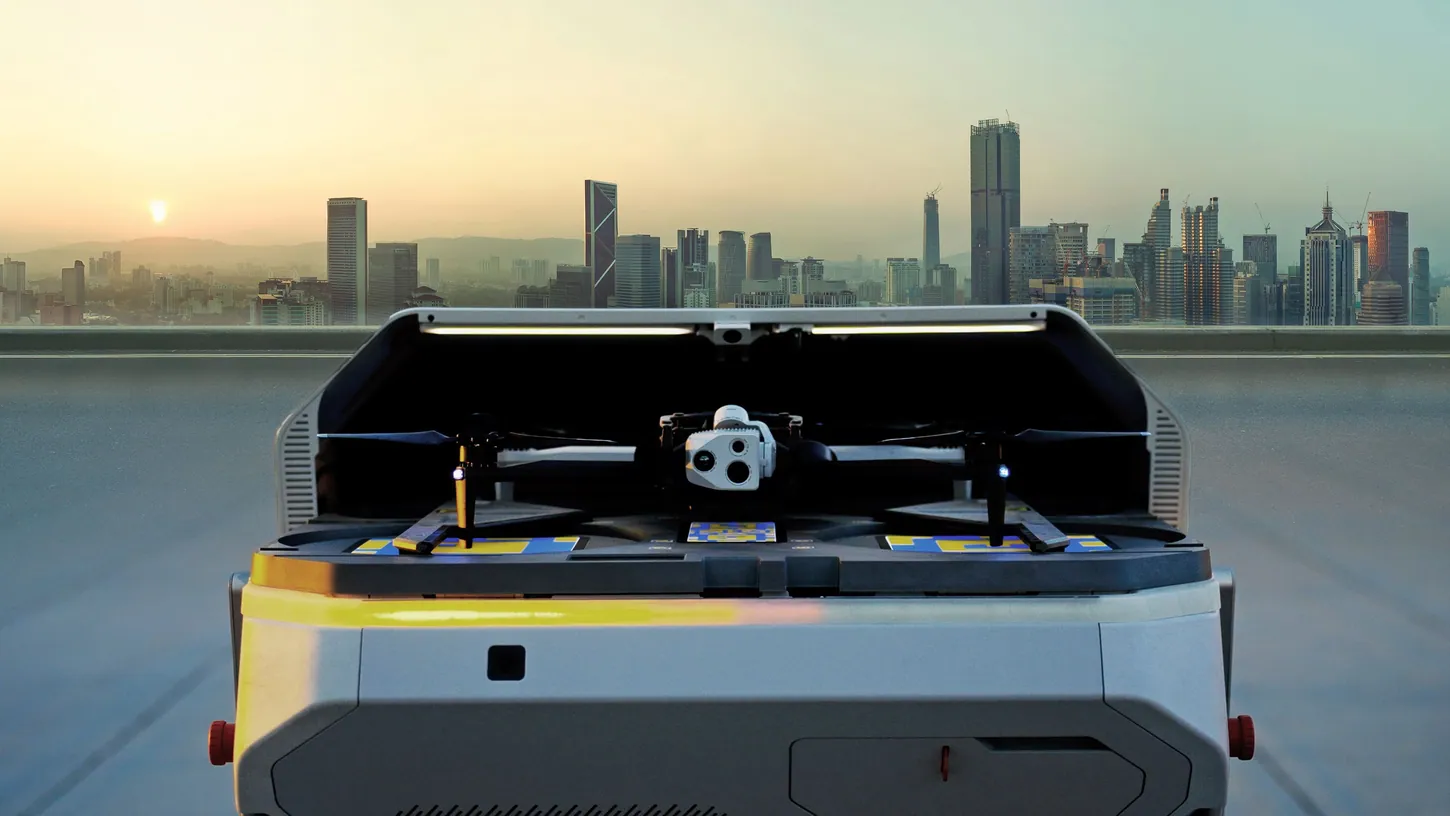
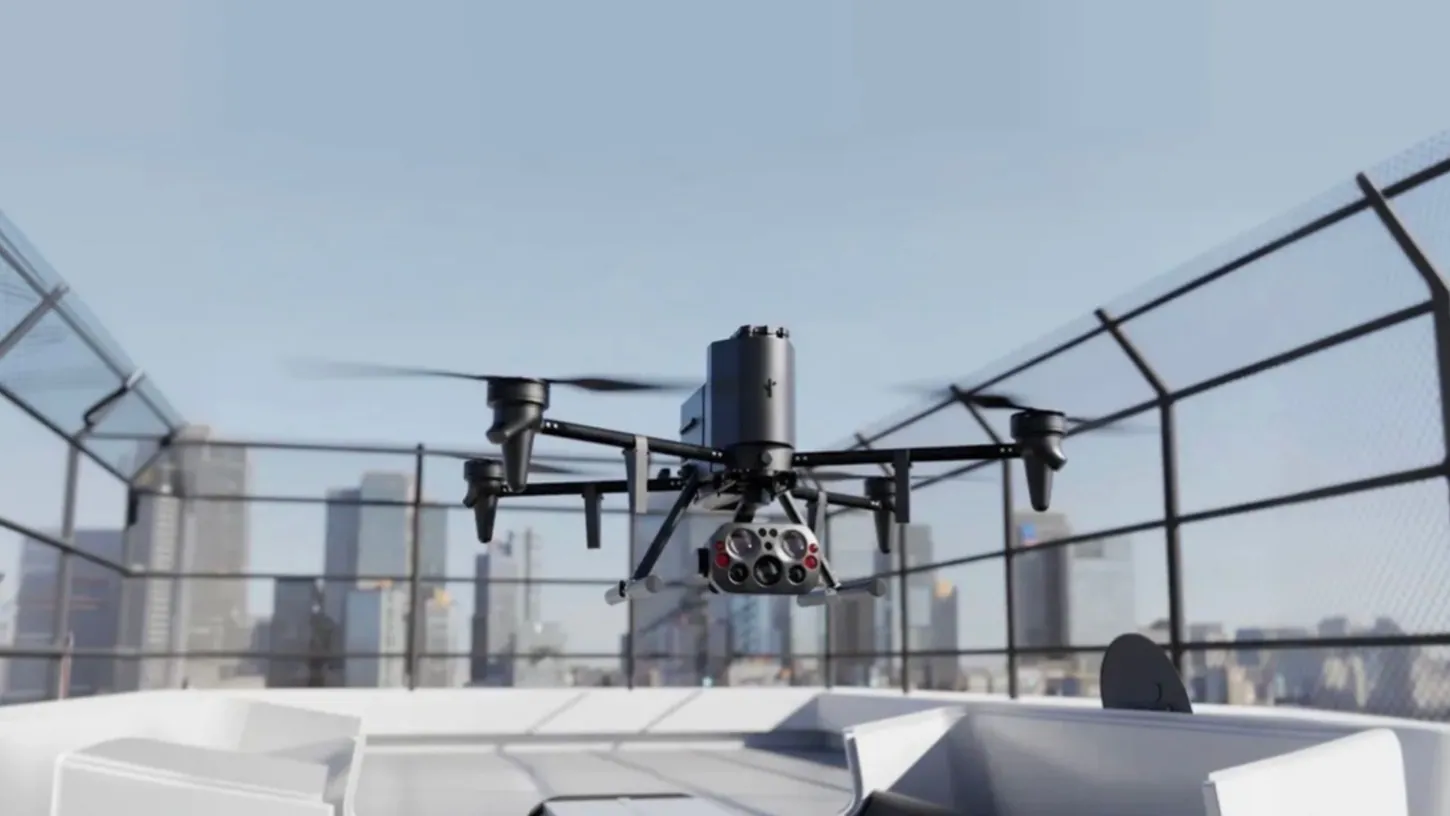
Troopers Matthew Foy, Rolando Zapata and Jake Magsamen flew three aircraft for the cadets, each one representing a different job in a modern law enforcement fleet. The first was a large drone fitted with bright lights and a speaker, the platform an agency reaches for when it needs presence and communication over a scene.
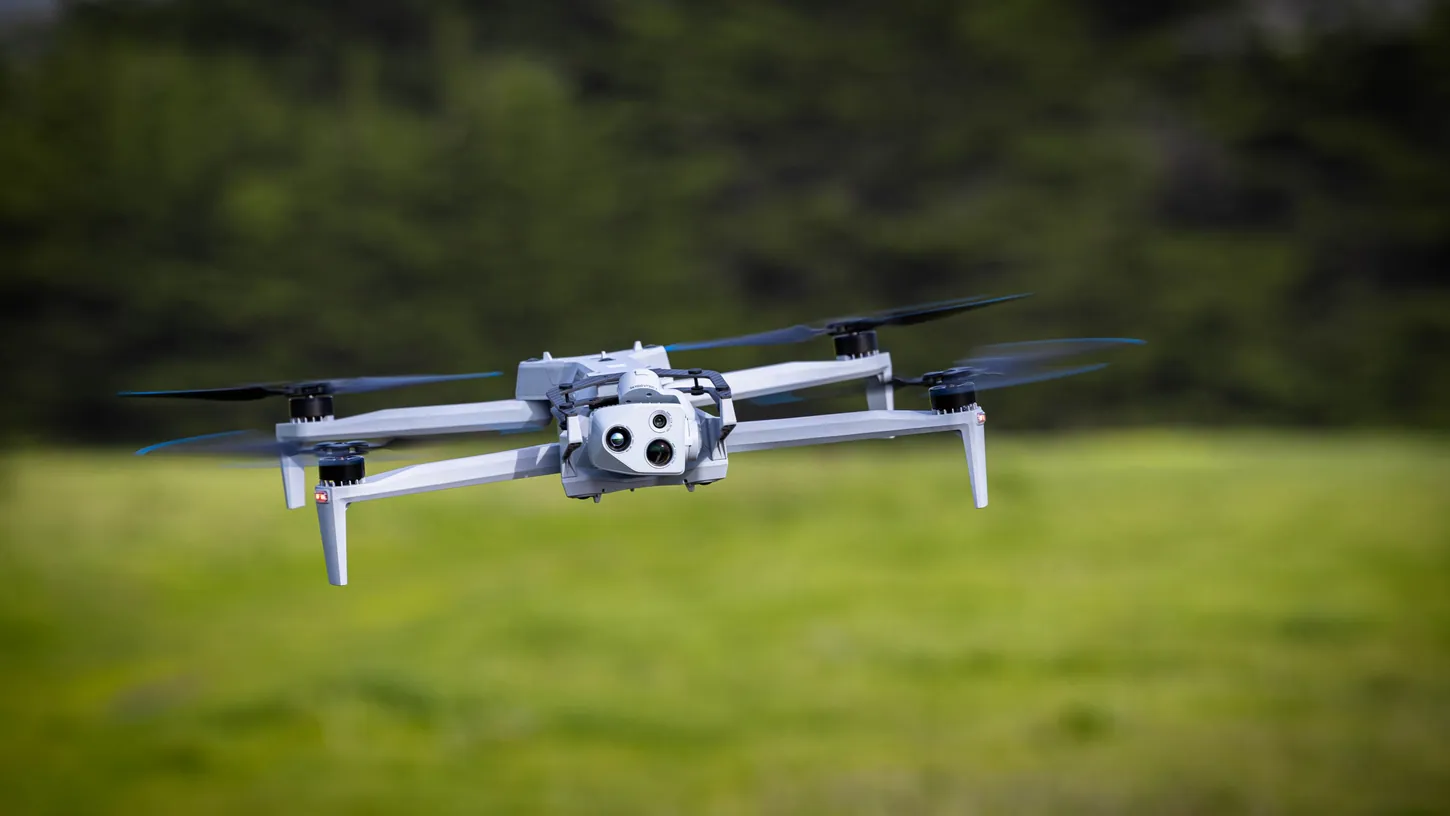
The second carried thermal imaging, the tool troopers use to find lost people when eyes alone fail, in the dark or under tree cover. The third was a first person view aircraft, the small, fast type flown with goggles, built to slip through doorways and clear indoor spaces before an officer’s boots ever cross the threshold.
Between flights, the cadets crowded around the controller screens and iPad displays to watch what the pilots were seeing. Then came the races, and the drones settled the question quickly. Two heats, two losses for the humans. After that, the cadets split into two groups for a hide and seek exercise: one group hid behind the middle school while the other watched the drone’s live video feed and called out their classmates’ positions. Trooper Zapata closed the visit with an overhead group photo taken from the drone.
The Troopers Showed Cadets The Job Behind The Joystick
The demonstration came with the unglamorous truth of the work. The troopers explained that State Police drone pilots complete two weeks of training and pass FAA licensing tests before they fly a mission, and that every operation starts with a sectional chart to confirm the airspace is clear.
That detail matters more than it sounds. A twelve year old who hears “two weeks of training and a federal exam” learns that the drone is not a toy, it is an aircraft, and the person holding the controller is a licensed pilot with rules over their head. That framing, delivered early, does more for airspace culture than any enforcement campaign aimed at adults.
The troopers also walked the cadets through where the aircraft actually earn their keep: search operations, forest fire support and infrastructure inspection. No sales pitch, just the mission list. The academy’s program continues with CPR, Narcan and first aid training in week two, a visit from a K-9 unit, and graduation on July 24.
Police Drone Programs Keep Meeting The Public Earlier
A junior academy demo in a school parking lot is a small story that sits inside a large pattern: drone programs are no longer introducing themselves to the public through incident reports and city council hearings. They are showing up in person, earlier, and to younger audiences.
I saw the adult version of this in my March reporting on Fairfax County, where a Drone as First Responder program went from pilot project to more than 1,500 missions this year, with the aircraft beating patrol cars to the scene 70 percent of the time. The departments running these programs learned something along the way: the public accepts the technology faster when it meets the technology face to face.
Warwick’s cadets got that meeting at an age where it will simply become part of how policing looks. For them, a thermal drone finding a hidden classmate is not a civil liberties debate. It is a Wednesday at camp.
DroneXL’s Take
This is the part I keep thinking about: this session was conditioning, in the most literal and honest sense of the word. You put a controller screen in front of a cadet, you let a drone photograph their graduating class from above, and you have prepared that kid to treat this technology as normal equipment, as routine as the radio on a trooper’s shoulder. Whoever built those three airframes just gained a cohort of future officers who will never remember policing without them.
I will also say the quiet part as a pilot and a father of four: being that age and having a state trooper teach you to read a drone feed is an experience every kid should get to live. Or me. The kids and me. Fine, hand me the controller and leave me alone.
The serious close is this. The races were a gimmick, and a good one, but the lesson underneath was accurate: the aircraft wins. The agencies that understand this are not waiting for the public to come around. They are raising the public that already has. Watch the July 24 graduation, and then watch how many of these juniors show up in a drone unit application pile in ten years. That is a question, not a prediction, and Warwick just made the answer more likely.