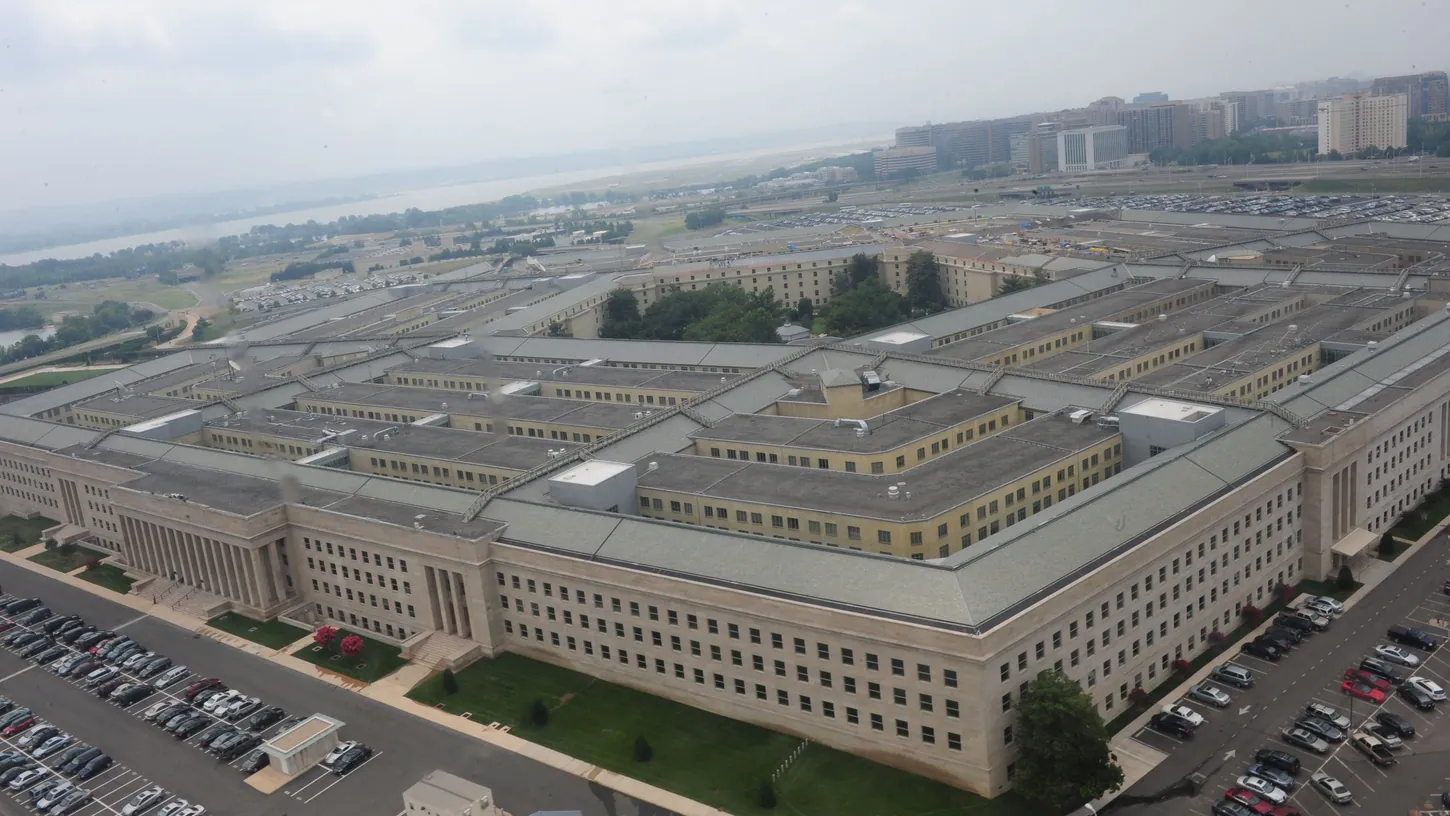
A federal judge in San Jose on Monday blocked the Pentagon from enforcing a lobbying restriction against Alibaba, finding the law likely violates the company’s First Amendment rights. The law took effect June 30. It bars the Defense Department from contracting with any company that hires a lobbying firm that also lobbies for a company on the Pentagon’s Section 1260H list of “Chinese military companies.” By that date, Alibaba says, it had no registered lobbyists left.
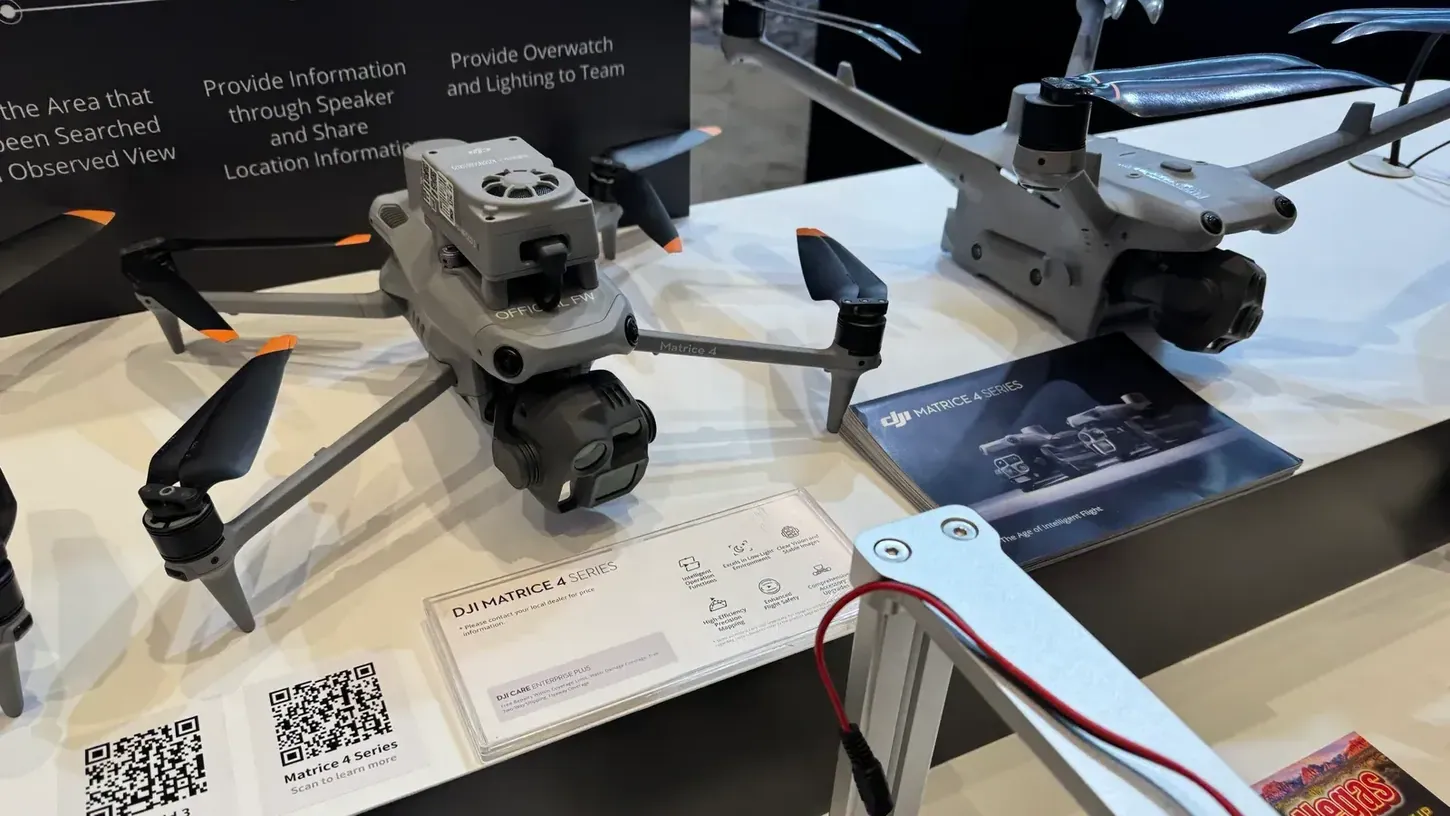
DJI has been on the same list since October 2022. Lobbying reports for July through September, filed with Congress this month, show two outside firms lobbying for its U.S. arm, DJI Technology, Inc., after the law took effect: CLS Strategies, which reported $170,000 in DJI income for the quarter, and Liberty Government Affairs, which reported $27,500.
Section 4663 Binds The Pentagon And Reaches Lobbyists Through Their Clients
Section 851 of the 2025 defense act, now 10 U.S.C. § 4663, does not bar a firm from lobbying for a listed company. Absent a Secretary of Defense waiver, it bars the Pentagon from contracting with that firm’s clients. The firm breaks no rule by keeping a listed client.
The cost lands on its other clients that want Pentagon work, and Judge Eumi K. Lee’s 26-page order spells out how that plays out. Defense contractors will not risk Pentagon work when plenty of capable firms are available, she wrote, so the firm has to choose, and “The only rational choice for a lobbying firm is to stop representing Alibaba.” Alibaba told the court it had retained more than two dozen lobbyists and multiple firms before the designation, some of them for almost a decade, and that several firms named the law as the reason they withdrew.
DJI’s filings describe a much smaller operation, with three named lobbyists across its third-quarter reports. DJI is the only client CLS Strategies lists in its 2026 lobbying filings, and its third-quarter report covers “issues and policies pertaining to Unmanned Aircraft Systems” under the aviation, defense and natural resources issue codes. Liberty’s filing covers the FY2027 defense authorization act and the FCC’s authority. DJI’s own report, which counts its in-house team and its spending on outside firms, came to $240,000 for the quarter and lists the FCC Covered List and H.R. 9430, the American Drone Manufacturing Dominance Act of 2026. That total had already dropped from $640,000 in the last quarter of 2025 to $200,000 in the first quarter of 2026. Lobbying reports show a firm’s lobbying clients only, not its other contracts, which the law also reaches.
Two other firms ended their DJI registrations earlier this year: Porter Wright Morris & Arthur effective January 31, and MO Strategies, whose filings covered border-security work with the Department of Homeland Security, on May 24. Neither termination filing gives a reason, and the form does not ask for one.
The Judge Found The Pentagon Brought One Exhibit
Judge Lee applied strict scrutiny because the rule restricts political speech based on who the speaker is. The government’s only exhibit was a joint explanatory statement from the 2024 Congressional Record, and the order says that statement contains no finding that lobbyists for listed companies pose a security risk.
The statement told the Comptroller General to report by December 23, 2025, on consulting firms that contract with both the Pentagon and the Chinese government or its affiliates. At the August 27 hearing, government lawyers could not confirm whether that report reached Congress by the deadline, and they did not provide a copy. Judge Lee also pointed to Nebraska, which makes lobbyists for 1260H-listed companies file an extra acknowledgment, as a less restrictive option. The government’s answer, that disclosure would still leave “access and the potential for influence,” was speculation, she wrote, and the Pentagon failed even the easier intermediate-scrutiny test.
The injunction applies to Section 4663 only as it relates to Alibaba: the Pentagon may not refuse a contract to any company because it shares a lobbying firm with Alibaba. The judge rejected Alibaba’s facial challenge at this stage, citing too little information about the statute’s full scope. She declined to remove the company from the 1260H list because that question belongs to its separate administrative-law claims, and set a $100 bond.
Courts Keep Questioning The Pentagon’s China List
Three 2026 rulings went against 1260H designations before this one: lidar maker Hesai at the D.C. Circuit, WuXi AppTec in federal court in Washington on August 7, and DJI’s partial reversal on August 14. None vacated a designation, though the WuXi court blocked enforcement of WuXi’s.
DJI’s win turned on a Pentagon justification that is fully redacted in the public record, and its case is back before District Judge Paul Friedman, who upheld the designation in September 2025.
Two U.S. subsidiaries of EV maker BYD filed a similar First Amendment challenge to Section 4663 in Los Angeles on September 25, Courthouse News reported. A CourtListener search of federal dockets on October 27 found no DJI challenge to the law. The list matters beyond lobbying: Section 805 of the 2024 defense act already bars the Pentagon from buying from listed companies directly, and its ban on indirect purchases through suppliers starts June 30, 2027.
DroneXL’s Take
Section 4663 is the clearest example yet of the 1260H list doing work Congress never had to justify. A company lands on the list, sometimes for reasons nobody outside the Pentagon gets to read, and that status now decides which lobbyists will take its calls. Required to show the danger, the government brought one exhibit with no findings about lobbyists.
DJI’s filings are the better test of the law’s logic. I see no national security difference between DJI’s lobbyists and Alibaba’s. As I read the statute, what decides a firm’s exposure is who else it works for, not anything it knows or carries, so the rule polices client lists and does nothing about what anyone hears in a meeting. If Congress thinks a lobbyist for a listed company is a channel for military information, a federal version of Nebraska’s acknowledgment rule would flag every one of them without cutting anyone off.
Alibaba’s relief is its own, so any company that hires a firm lobbying for DJI’s U.S. arm gets no such shield if it wants Pentagon work. Watch whether DJI files its own as-applied challenge in Judge Lee’s footsteps, and whether the government finally produces evidence when Alibaba’s summary judgment briefing starts.
Sources: U.S. District Court for the Northern District of California, Alibaba Group Holding Ltd. v. U.S. Department of Defense, No. 5:26-cv-06227, order of October 26, 2026; Lobbying Disclosure Act filings for DJI Technology, Inc. by CLS Strategies, Liberty Government Affairs and DJI; BYD Motors LLC v. U.S. Department of Defense, No. 2:26-cv-11173 (C.D. Cal.); Courthouse News.
DroneXL uses automated tools to support research and source retrieval. All reporting and editorial perspectives are by Haye Kesteloo. Read our editorial standards.