News, deep dives, and analysis — every Department of Defense story, newest first.
163
Articles
30
Beats covered
6
Reporters on beat
Oct 6
Last updated
Sort
Department of Defense drone coverage tracks Pentagon procurement, the office structures deciding where military drone money goes, and the hardware being cleared for military purchase.
The broader US Government desk and FAA desk cover the civilian regulatory side of the same policy landscape. Every Department of Defense drone story is in the feed below.
Key facts
What this covers
Pentagon and military drone procurement: major contracts, the drone czar office, and Blue UAS-listed hardware
The coordination office
A Pentagon drone czar memo hands the Defense Innovation Unit control of a $75 billion unmanned systems portfolio
Recent large contracts
Billions in recent Pentagon spending spans domestic parts manufacturing, counter-drone systems and new airframes
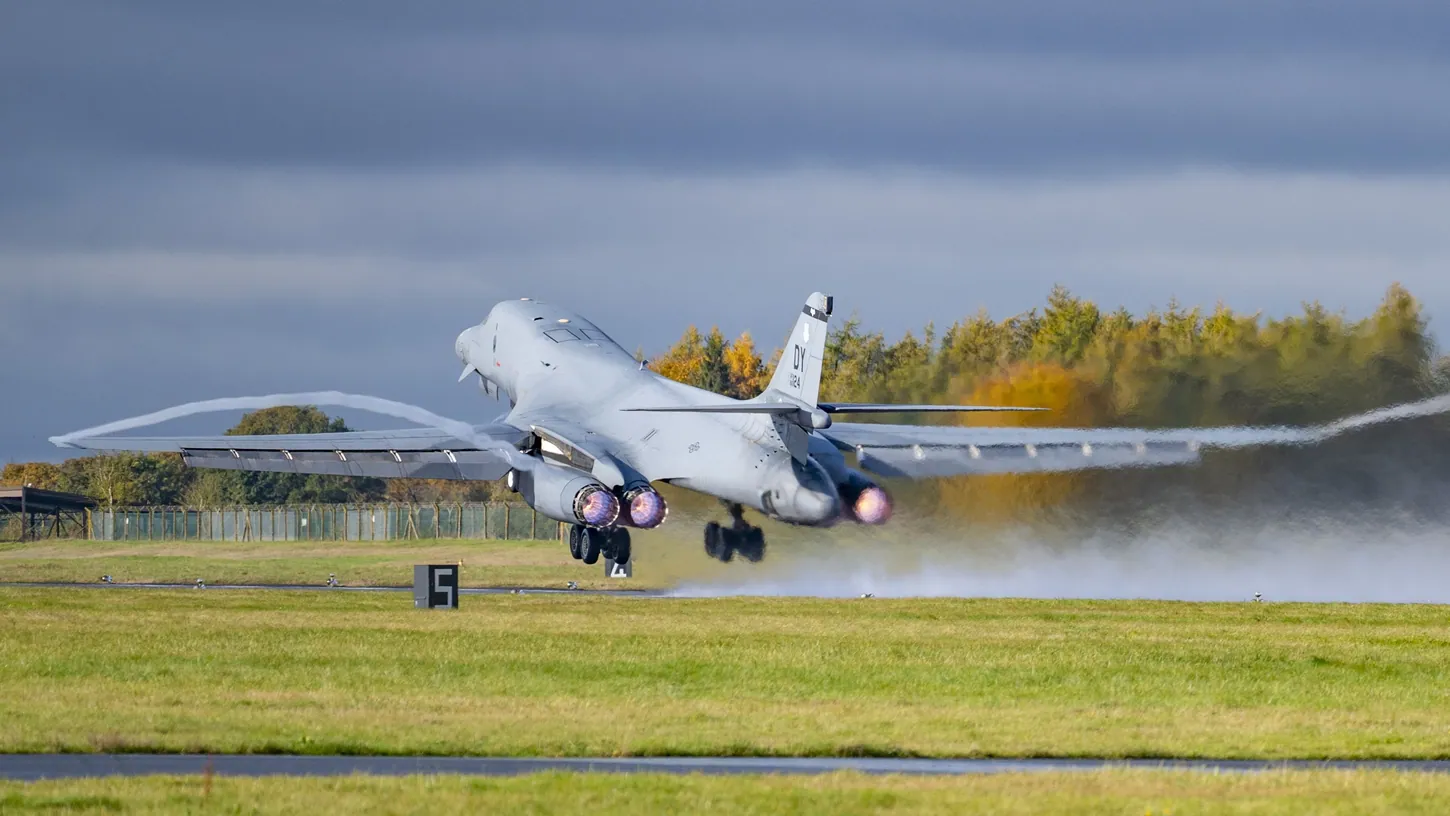
US and British officials say a feared IRGC drone attack, which some liken to Ukraine's Spiderweb raid, led the US to pull all 12 B-1s from RAF Fairford.
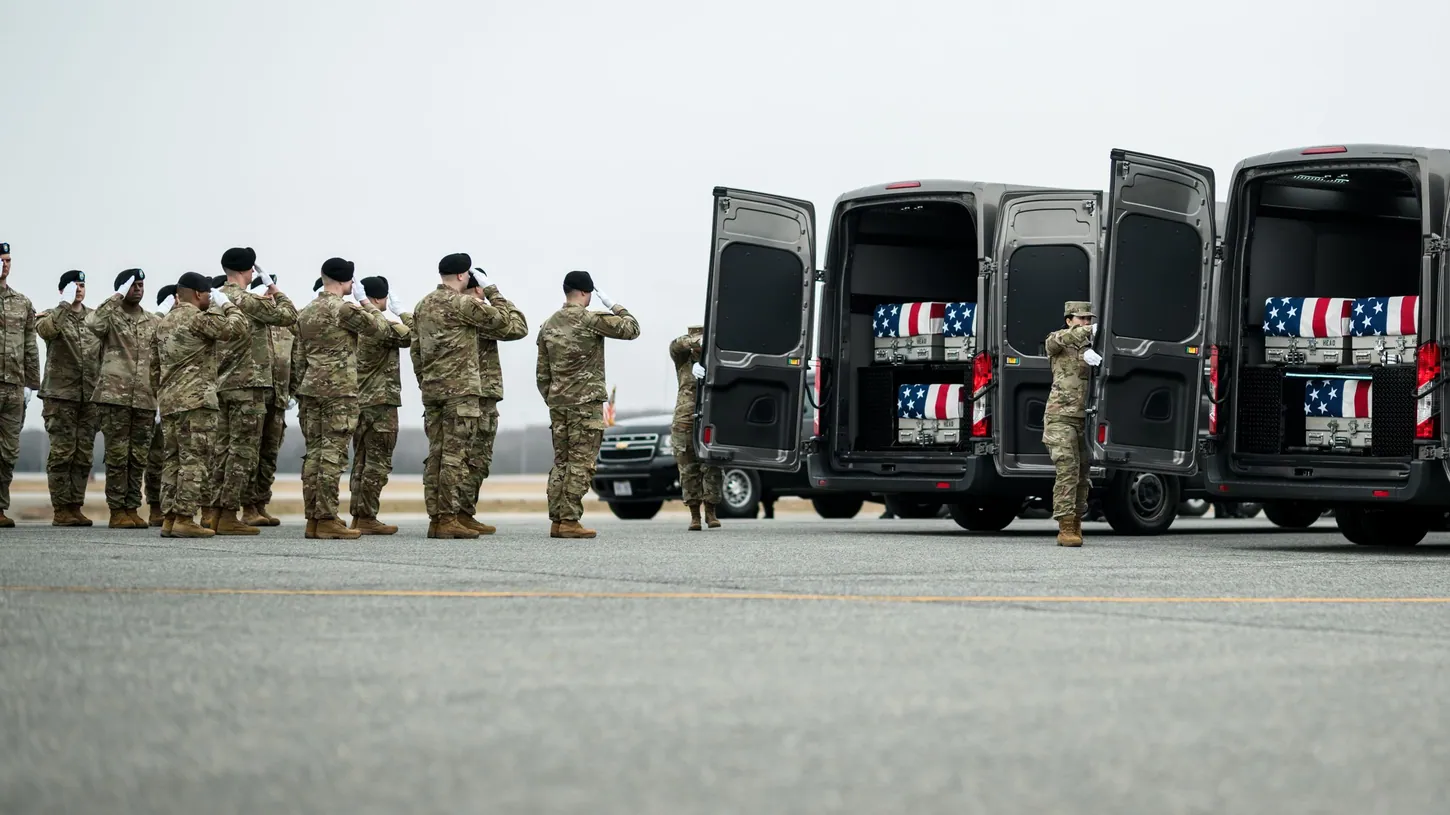
Nine soldiers wounded in Iran's March 1 Port Shuaiba strike tell AP the Army sent them to barracks, logged them as not combat wounded and delayed TBI care.
Hegseth ordered a four-star Autonomous Warfare Command for Oct. 1, 2027. The memo names no commander, no budget, and needs a law Congress hasn't passed.
The Pentagon's Drone Dominance Program opened Phase 3 with $450 million for 60,000 attack drones, but its listed unit prices cover at most $300 million.
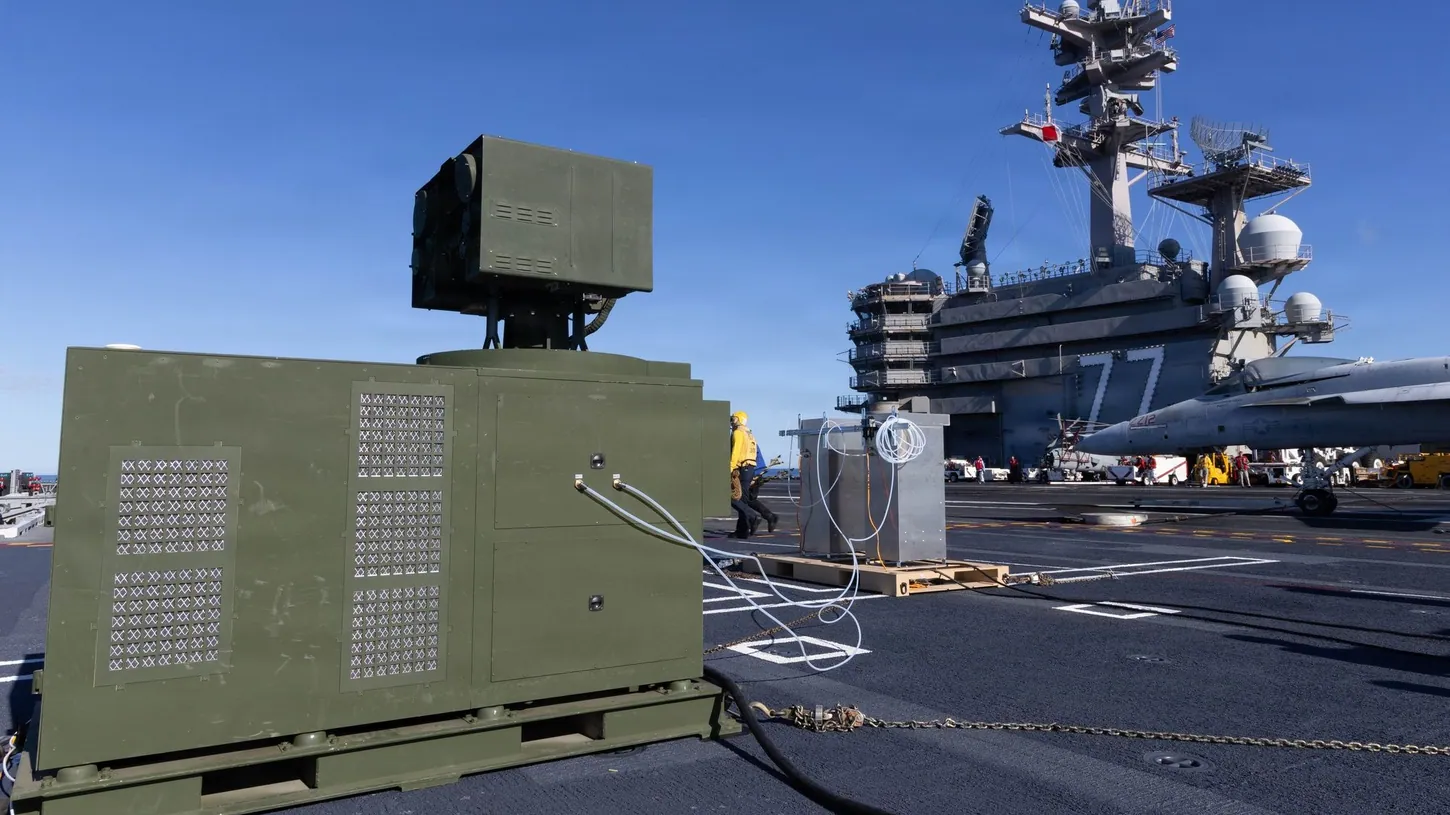
Orqa drones running KEF Robotics navigation and Blue Arrow's RII software flew recon and payload missions under GPS and radio jamming in Alabama.
Haye KestelooSep 23
Frequently asked questions
What is the Pentagon's drone czar office and why does it matter?
A Pentagon drone czar memo hands the Defense Innovation Unit the front door to a $75 billion unmanned systems portfolio, centralizing decision-making authority over a huge share of military drone spending that was previously spread across separate service branches.
How large are recent Department of Defense drone contracts?
Large and frequent. The Pentagon committed $1.3 billion to drones in two days, split between counter-drone systems and domestic component manufacturing, on top of continuing investment in new airframes and the Blue UAS approved-hardware list.
What is the Blue UAS list and why does a new addition matter?
Blue UAS is the Defense Innovation Unit's list of drones cleared for military and government purchase without a case-by-case security review. Mountain Horse's Talon DT-300 putting 100 pounds of payload capacity on the Blue UAS list expands what buyers can procure off that list without added review.
— The DroneXL Briefing · Free
The drone industry moves fast. Stay ahead of it.
One email with the drone news that matters — DJI, FAA, public safety, and everything in between, straight from the newsroom. No spam, no fluff.