
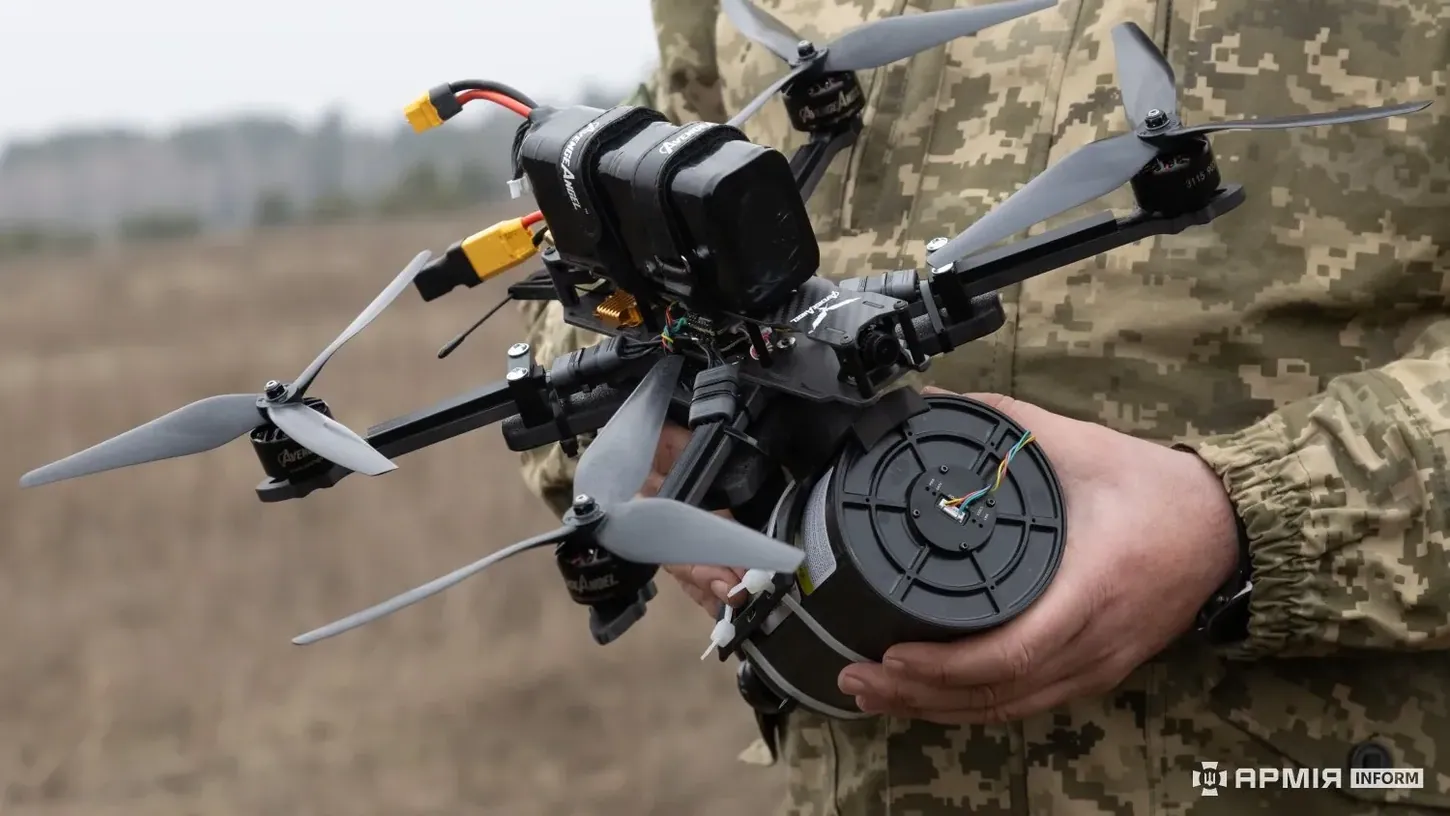
Separatists in northern Mali say Ukrainians trained their drone team in 2023, during a 30-day course held outside the country. The group, now called the Azawad Liberation Front (FLA), first used kamikaze drones against Russian and Malian forces about 10 months later, in the July 2024 battle for Tinzaouaten on the Algerian border. FLA spokesman Mohamed Elmaouloud Ramadane gave that account in a Reuters investigation published Wednesday, November 25.
The same report counts 235 drone attacks by the FLA and al Qaeda’s Sahel affiliate, JNIM, across four West African countries since 2023, from conflict monitor ACLED’s previously unpublished data. Experts told Reuters the groups buy commercial models that cost a few hundred dollars, then smuggle them in and refit them. The FLA denies that Ukrainians were directly involved in its operations, and Kyiv has firmly rejected accusations from Mali and Niger that it supports armed groups in the Sahel.
FLA’s Drone Unit Went From First Strikes to a 25-Drone Swarm in 20 Months
The FLA’s drone team, Unit 6, went from its first kamikaze strikes in July 2024 to fiber-optic FPV drones by July 2025 and a 25-drone swarm by March 2026. No other armed group in the Sahel has a publicly acknowledged drone unit, according to the study cited below.
The swarm hit Camp Firhoun Ag Alinsar at Gao airport on March 11, 2026, in two waves. A July 2026 study by the Policy Center for the New South, written by Rida Lyammouri and Niccola Milnes, says a Russian Africa Corps TOR-M2K air defense system reportedly intercepted 12 of the roughly 25 drones, all from the first wave, citing open-source analysts. The second wave, armed with fragmentation shells, got through. Outside the Sahel, the authors list only Hezbollah, Myanmar’s opposition forces and Hamas as non-state groups that have flown coordinated swarms at that scale. DroneXL covered Hezbollah’s fiber-optic FPV campaign in June.
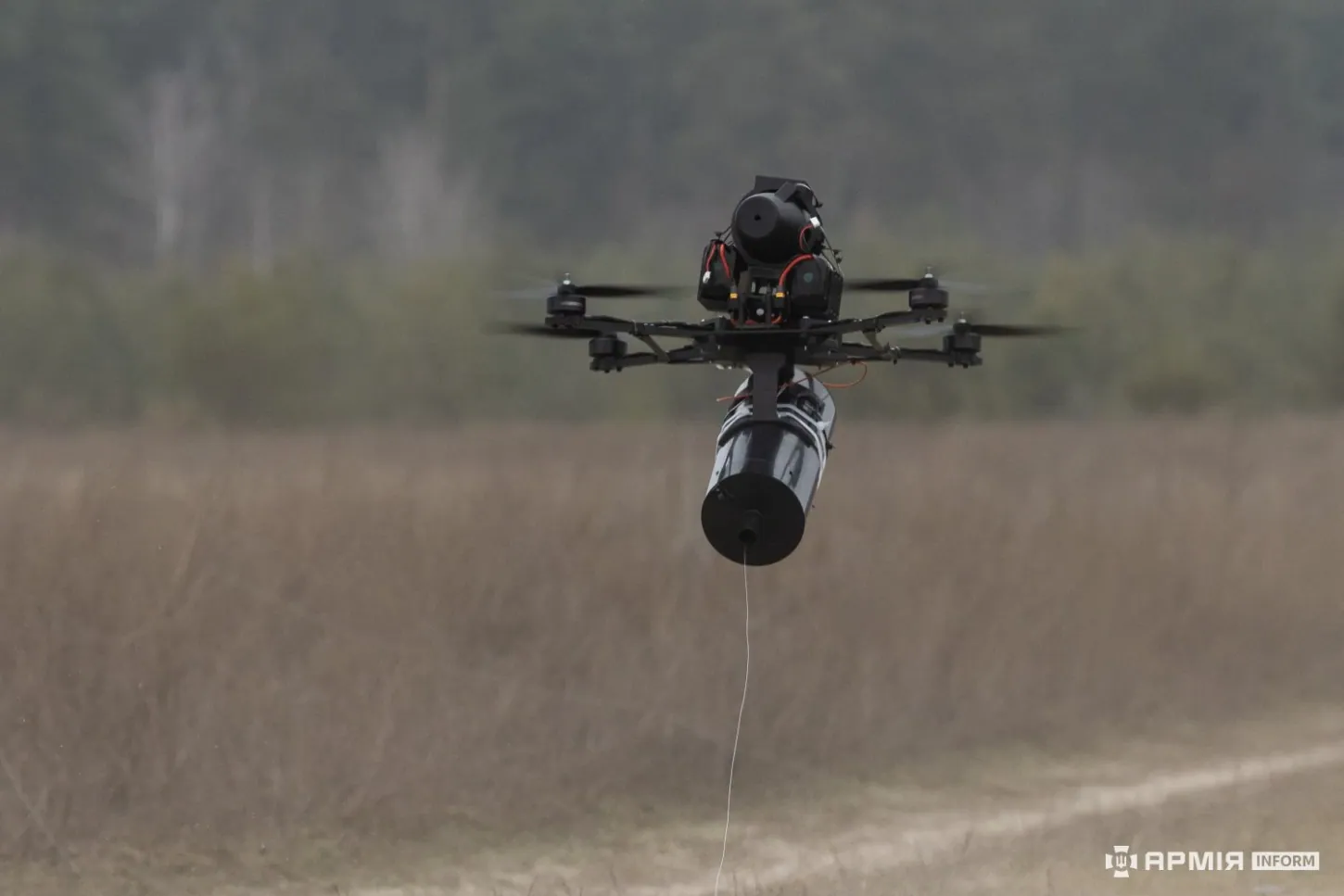
A drone flown down a fiber-optic cable gives off no radio signal for a jammer or a detector to find. In the study’s simulation, an integrated base defense stops about 90% of standard drones and only 51% of fiber-optic ones.
Ramadane gave his account of the training in Reuters’ report, which says its own reporting shows Ukrainians trained the group. Mali cut diplomatic ties with Ukraine in August 2024 after the Tinzaouaten fighting, saying Kyiv backed the rebels. On November 2, 2026, Ukraine’s Foreign Ministry rejected accusations from Mali and Niger that it supports illegal armed groups. Reuters could not determine who from Ukraine trained the FLA, and Ukraine’s military and intelligence services did not answer its questions. The report lands three days after Ukraine said its naval drones sank the Russian corvette Merkury in Benghazi, Libya, and Foreign Minister Andrii Sybiha has defended that strike by pointing to Russia’s military presence in Africa.
JNIM Flies the Most Drone Attacks, Mostly by Dropping Mortar Bombs
JNIM carried out 187 of the 235 attacks, according to ACLED, including 81 in 2025 and 96 through mid-November 2026. The al Qaeda coalition mostly drops improvised bombs, like 60mm mortar rounds. Its drones fly home to be loaded again, so the group keeps up its tempo without draining stock.
Its debut was a failure. In September 2023, a JNIM quadcopter dropped two IEDs on a rival militia in Mali’s Mopti region, and neither went off. By February 2025 the group was flying explosive FPV drones at army positions in Djibo, Burkina Faso, and two months later a kamikaze strike in Togo killed five soldiers. In April 2026, after ground attacks that killed Mali’s defense minister outside Bamako, JNIM released drone footage of strikes on Russian and Malian soldiers at the Sevare-Mopti airport, which Reuters verified. The FLA and JNIM ran that April offensive together, as a simultaneous joint assault on Mali’s army and its Russian backers. Reuters could not determine whether JNIM benefited from the FLA’s training, and JNIM was dropping bombs from drones about 10 months before the FLA’s first strike.
When DroneXL covered Terrahaptix’s Ghana drone factory in April, BBC reporting put JNIM’s drone operations for 2023 through 2025 at a minimum of 89. Islamic State West Africa Province is further behind: ACLED records 15 attack-drone uses by the group since 2024, mostly against Nigeria’s military.
Defenders Engaged Attacking Drones in Only 10 of 245 Documented Strikes
On the record so far, governments in the region have little defense against these drones. The Policy Center study analyzed 245 armed-group drone strikes in seven West and Central African countries between September 2023 and July 2026, and documented interception, jamming or missile fire by defenders appears in only 10.
“In the past, the state always had the monopoly of the sky,” Milnes told Reuters. Mali, Burkina Faso and Niger rely instead on large military drones, Turkey’s Bayraktar TB2 and Akinci and China’s Wing Loong and CH-4, though Burkina Faso recently displayed a new Chinese air defense system. Russia’s Africa Corps is now answering with ZALA Lancet loitering munitions, according to a Conflict Insights Group report, and videos posted in October show Shahed-style drones hitting FLA territory near the Algerian border.
Nate Allen, an associate professor at the Africa Center for Strategic Studies, the Pentagon’s academic institution for Africa, told Reuters that future wars are likely to be dominated by cheap systems and that armed groups, not African militaries, are using that shift best so far.
DroneXL’s Take
The Sahel is a live test of what a few hundred dollars of FPV drone does to an army that bought the wrong aircraft. Mali and its neighbors fly Turkish and Chinese drones that hunt insurgents from altitude, and the insurgents fly quadcopters that no one in the region can reliably jam or shoot down.
The Pentagon’s procurement office should study the Gao strike. An Africa Corps TOR-M2K, a real air defense system, reportedly intercepted 12 drones from the first wave and then failed against the second. A cheap swarm got past an expensive missile system, and Russia’s answer so far is more drones of its own. My read is that any base, ours included, that plans to stop small drones with a few interceptors and a jammer is planning for the last war. I’m with Kyiv on hitting Russian forces wherever they operate, but the lesson from Gao doesn’t depend on who taught whom.
Source: Reuters, Policy Center for the New South, Ukraine Ministry of Foreign Affairs.
DroneXL uses automated tools to support research and source retrieval. All reporting and editorial perspectives are by Haye Kesteloo. Read our editorial standards.
Advertise with DroneXLYour company hereReach 200,000+ drone readers a month with a sponsored article, a banner on your beat, or a partnership.See the options →


