
Legal · Amazon
MassDOT Says Amazon Hasn't Applied for the Drone Pad Permit It Needs
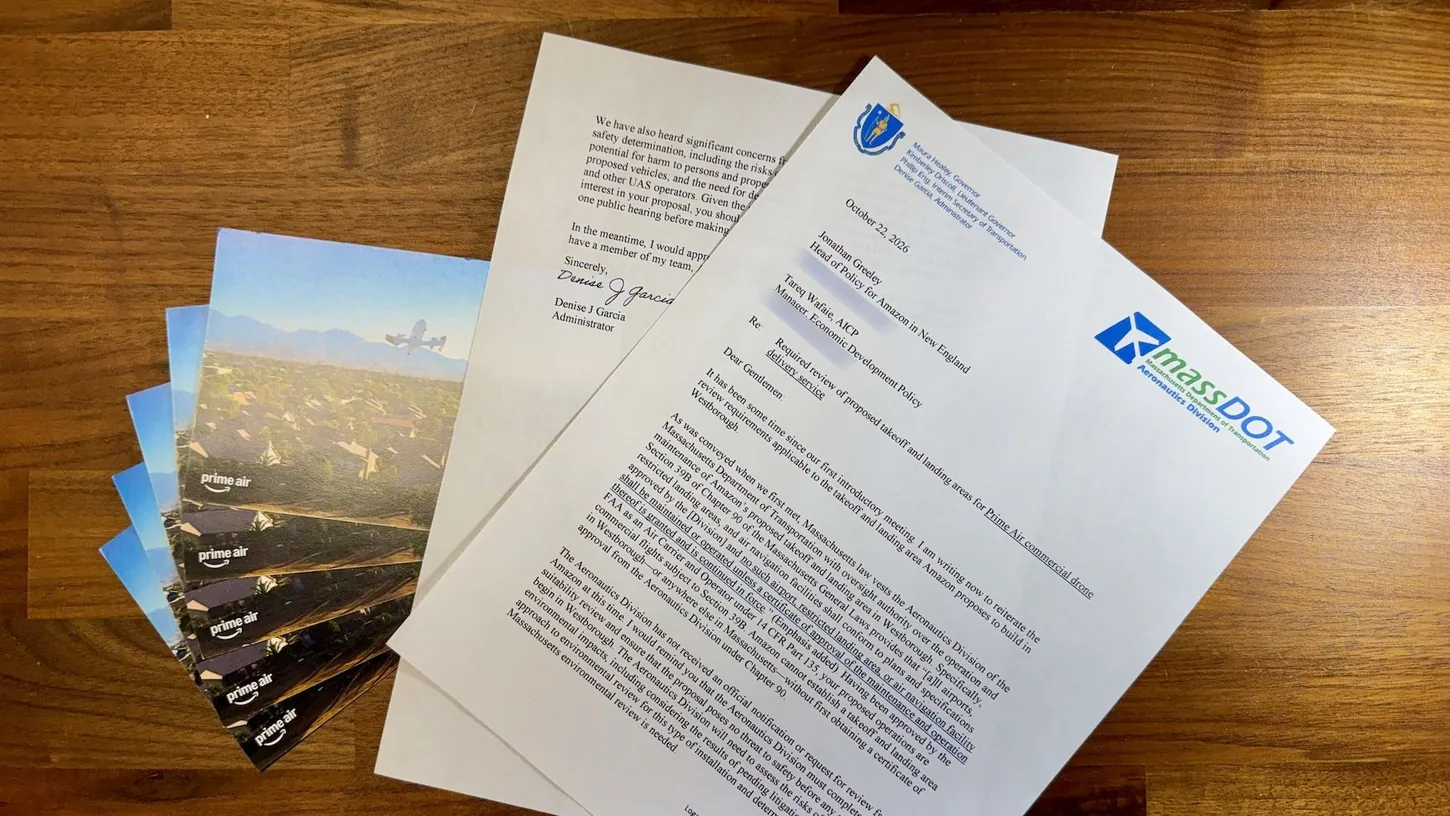
MassDOT told Amazon it has no request to review its Westborough drone pad, which needs a state certificate and a public hearing before any flights.
Lawsuits, bans, privacy fights, and the case law being written around drones.
Drone law is not one rulebook, it is three layers that frequently disagree: FAA rules governing the airspace, state and local ordinances governing everything on the ground, and court cases deciding where the two conflict. This desk tracks all three.
The trend across every layer is the same direction. Washington state’s commercial drone fee jumped tenfold to $150 after a jet-fuel tax repeal — state and local governments increasingly treating drones as a revenue category, not just an airspace question. At the federal level, the FAA’s DETER program has shortened the path from a reported violation to a real penalty, a genuine increase in enforcement capacity rather than a change in posture.
Major rulemaking keeps moving too: the FAA cleared drone delivery’s environmental path nationwide, overriding objections from sixteen state attorneys general — the kind of federal-versus-state friction that defines this beat. Press-freedom groups have pushed back on other fronts: NPPA told the FAA its Section 2209 rule ignores newsgathering, and drone pilots are already contesting the draft.
Related desks: the FAA hub for federal rulemaking specifically, and counter-drone technology for the legal fight over who can jam or disable a drone. Every drone law story lands in the feed below.
Last updated October 22, 2026 — the feed below updates with every new story.
MassDOT told Amazon it has no request to review its Westborough drone pad, which needs a state certificate and a public hearing before any flights.
Healey's office is reviewing a call from 16 legislators for a drone delivery task force and a freeze on state certificates as Amazon awaits approvals.
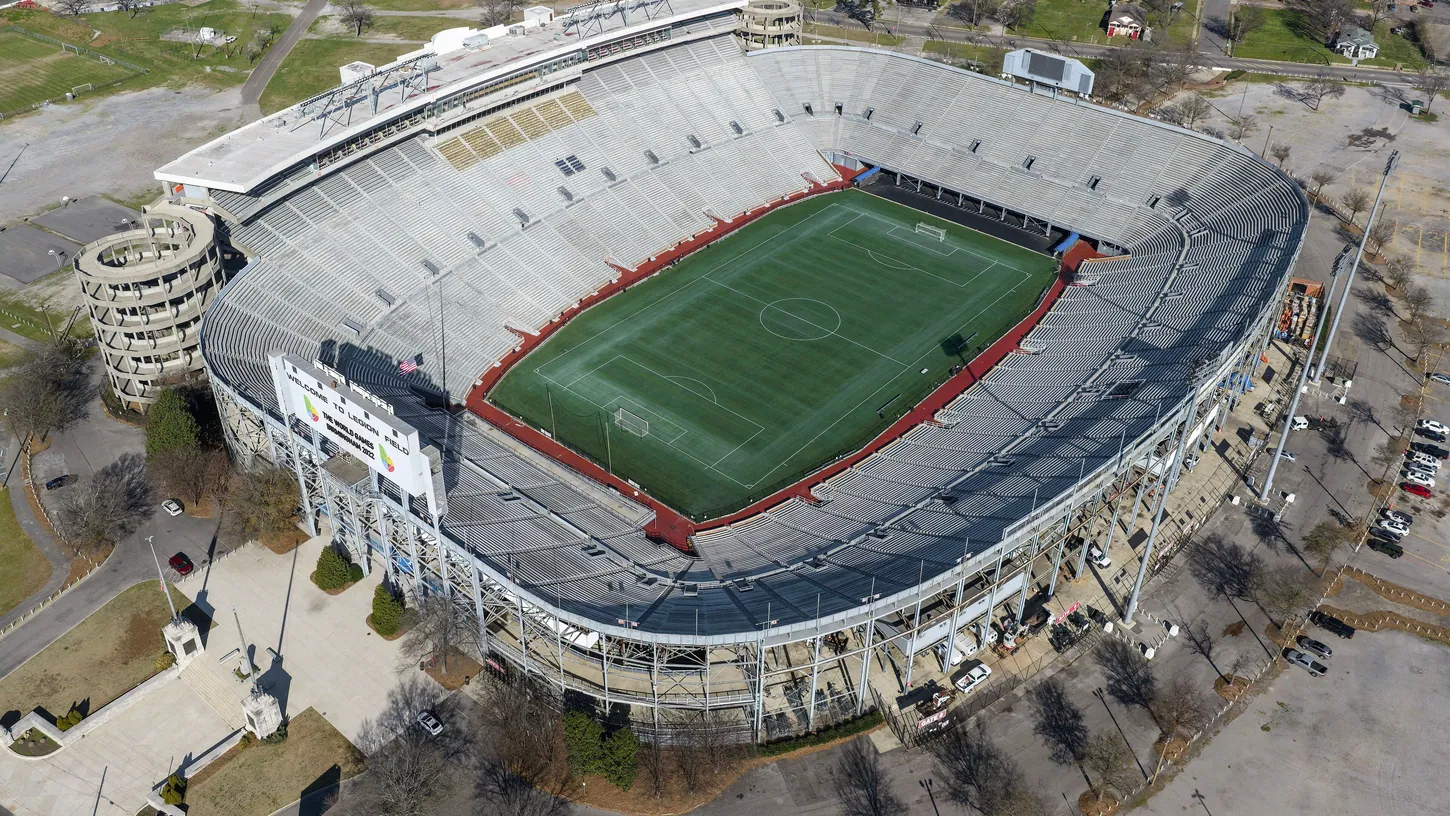
Birmingham police can now write $500 drone tickets near ticketed events, starting with the Magic City Classic. HB 429 exempts FAA-legal flights.
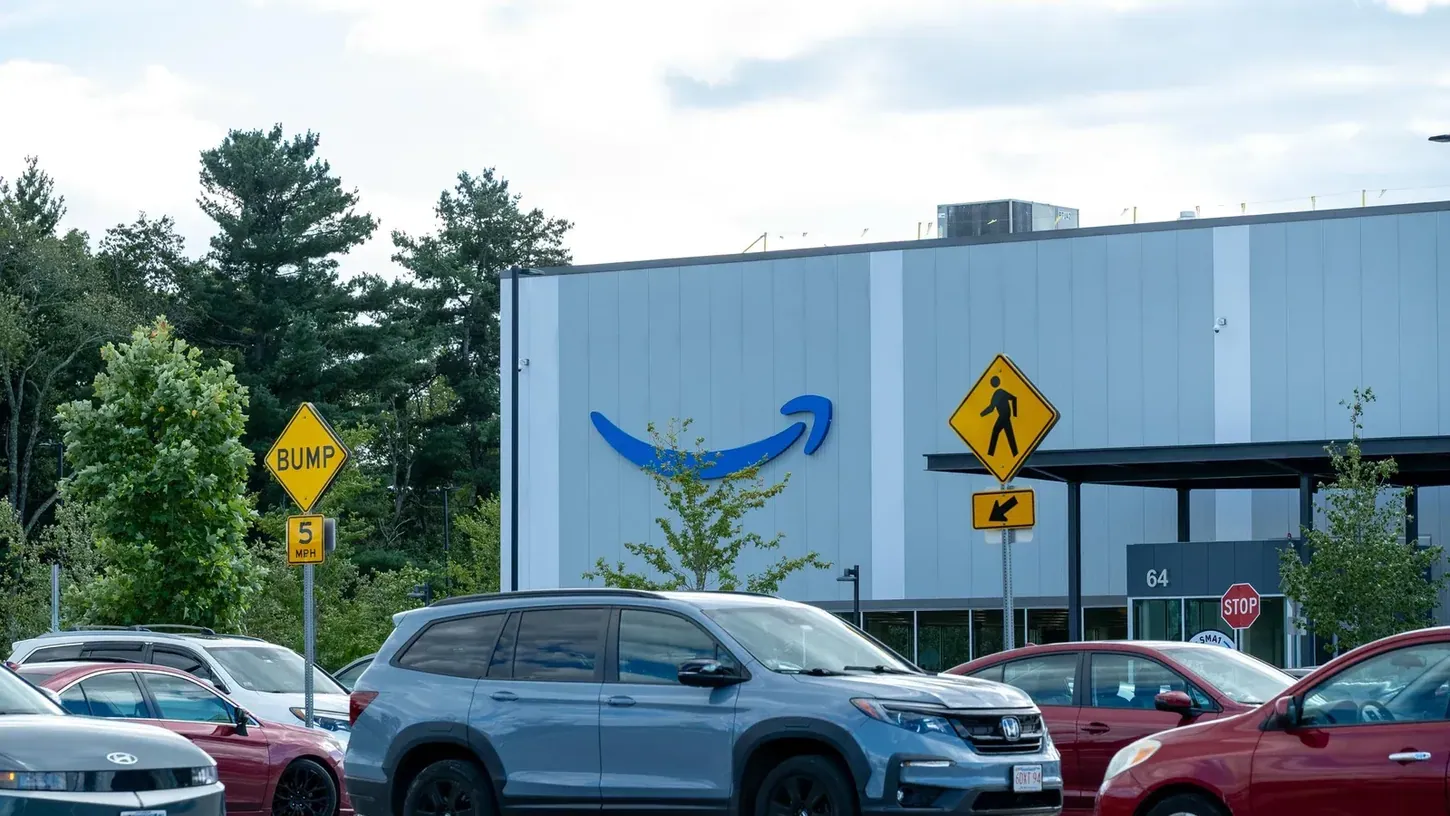
Westborough voted 510-13 for a bylaw banning commercial drone launch pads and drop zones, aimed at Amazon Prime Air. The attorney general gets 90 days.
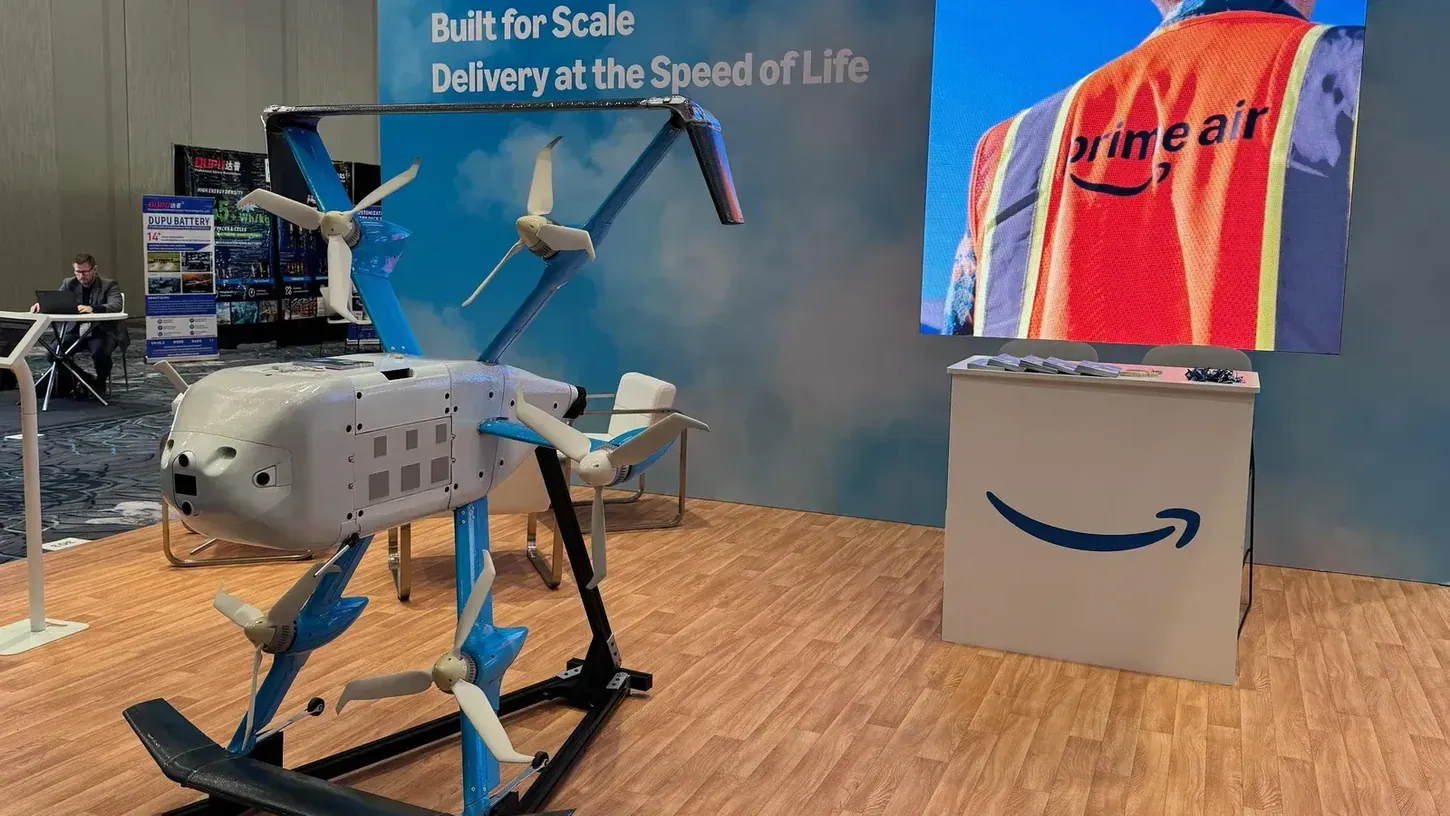
Portland's council voted 11-0 to start state notice for a possible drone hub moratorium. Amazon canceled its Oct. 20 meeting with city planners.
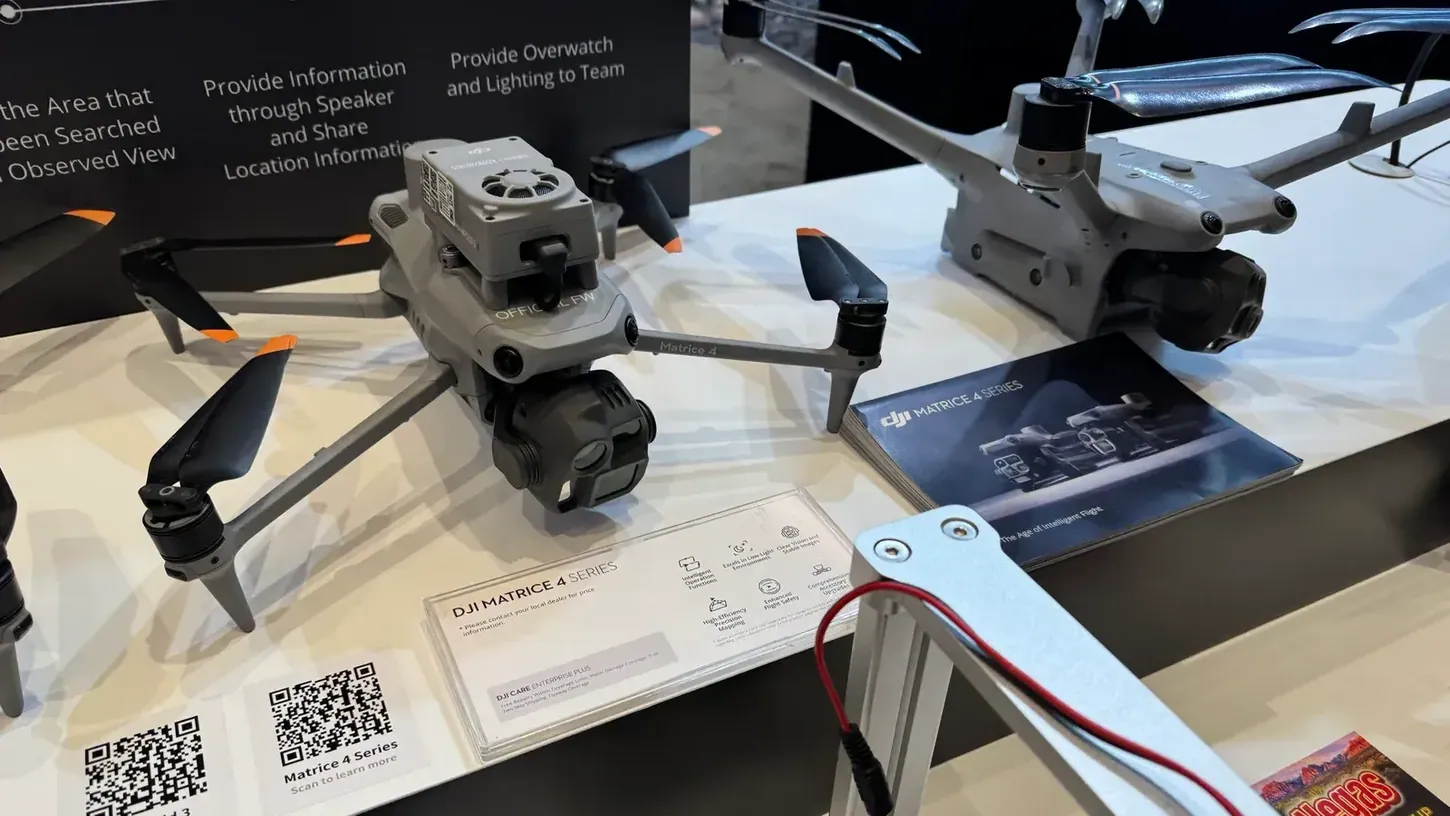
The FCC filed the Pentagon's Section 1709 letters on DJI under seal and says it did not rely on them. The public pages name DJI and no specific threat.
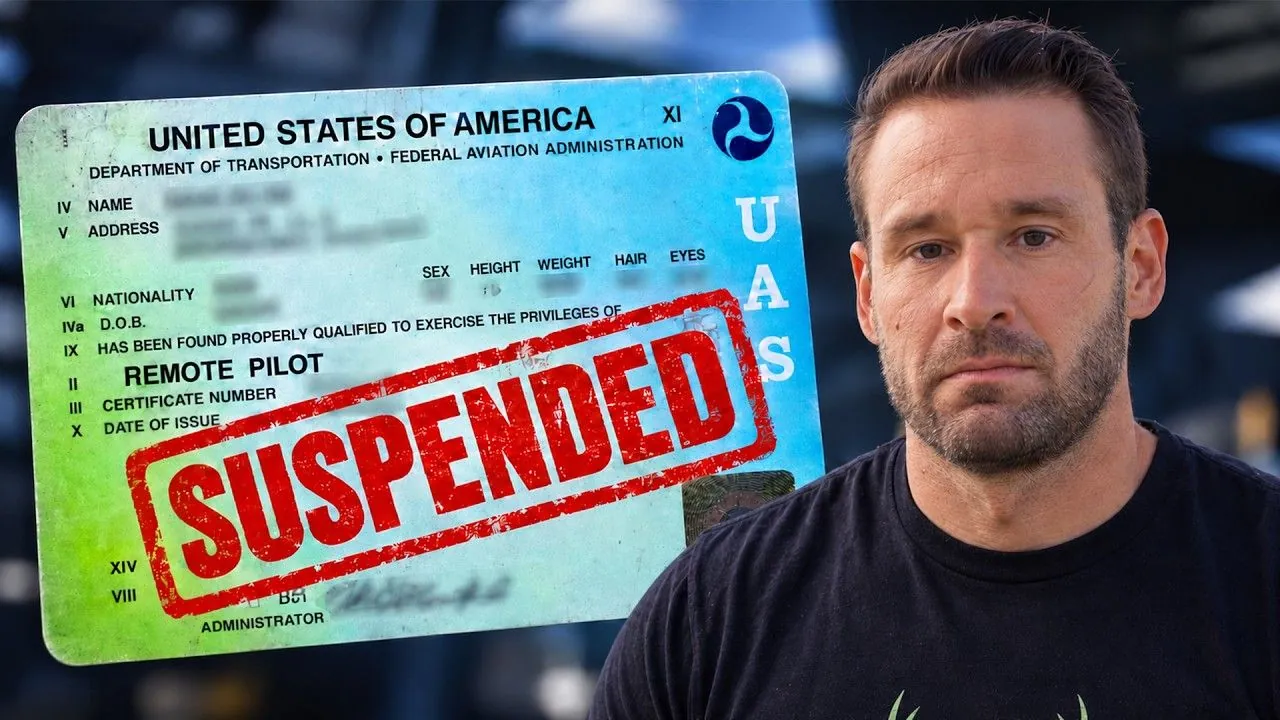
nuWay Ag's Mike Yoder says he settled for a 180-day FAA remote pilot suspension after videos of heavy-lift drones hauling a deer, logs and a sled.
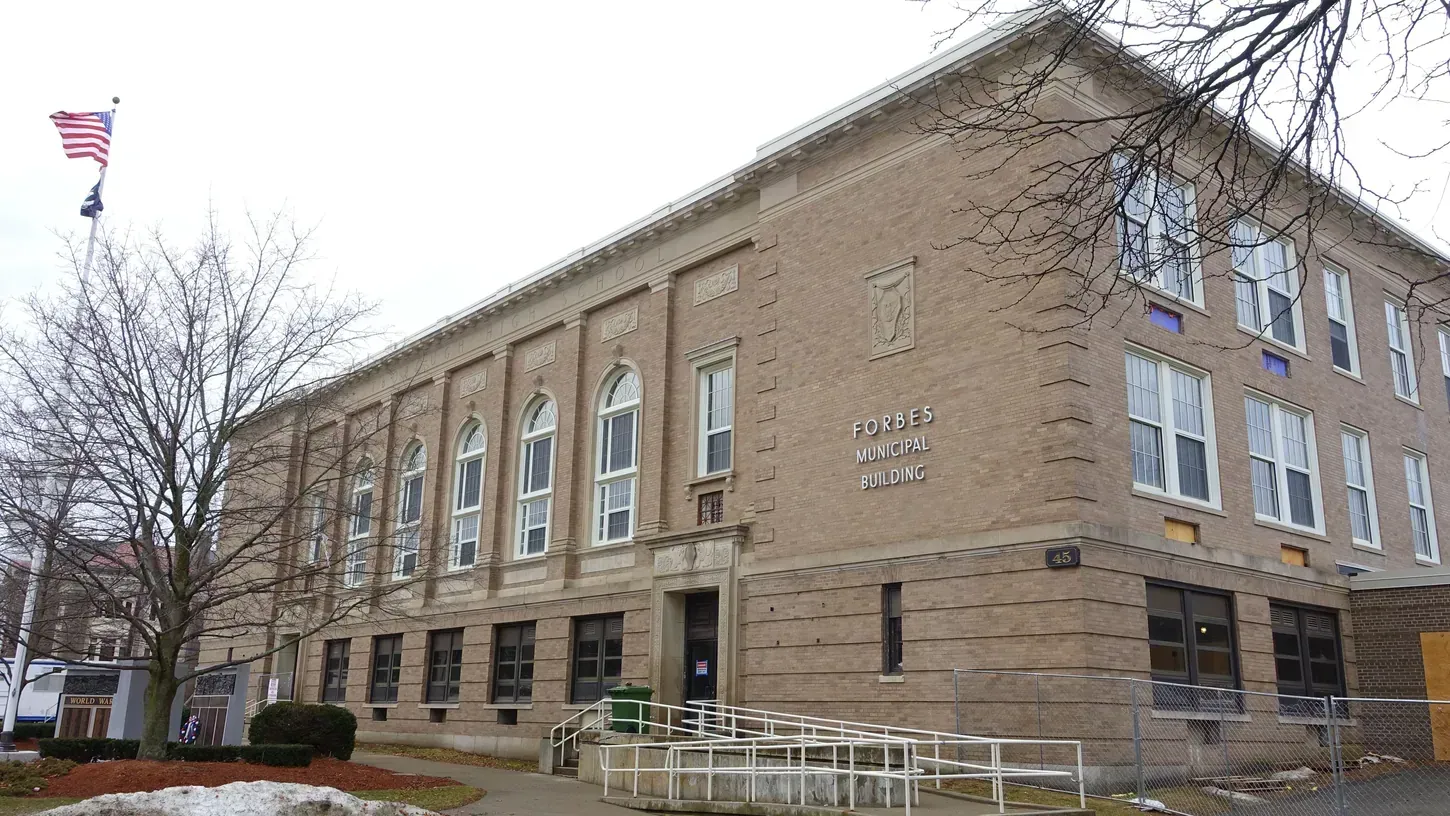
Westborough's ZBA hears the appeal against Amazon's drone pad on Nov. 2. Town Meeting votes Oct. 19 on a drone bylaw whose text the warrant does not carry.
Three layers that do not always agree: FAA rules govern the airspace itself and preempt most local attempts to regulate flight paths; states and cities regulate takeoff and landing, privacy, and increasingly impose their own fees and licensing; and court cases decide the boundaries between the two when they conflict.
In most places, yes, and quickly. A commercial drone fee jumping tenfold in Washington state after a jet-fuel tax repeal is a recent example of the trend: state and local governments are treating drones as a new revenue and enforcement category rather than settling into a fixed rulebook.
The DETER program has measurably shortened the road from a reported violation to an actual penalty, and real criminal cases are following. That is a change in enforcement capacity, not just posture.
One email with the drone news that matters — DJI, FAA, public safety, and everything in between, straight from the newsroom. No spam, no fluff.