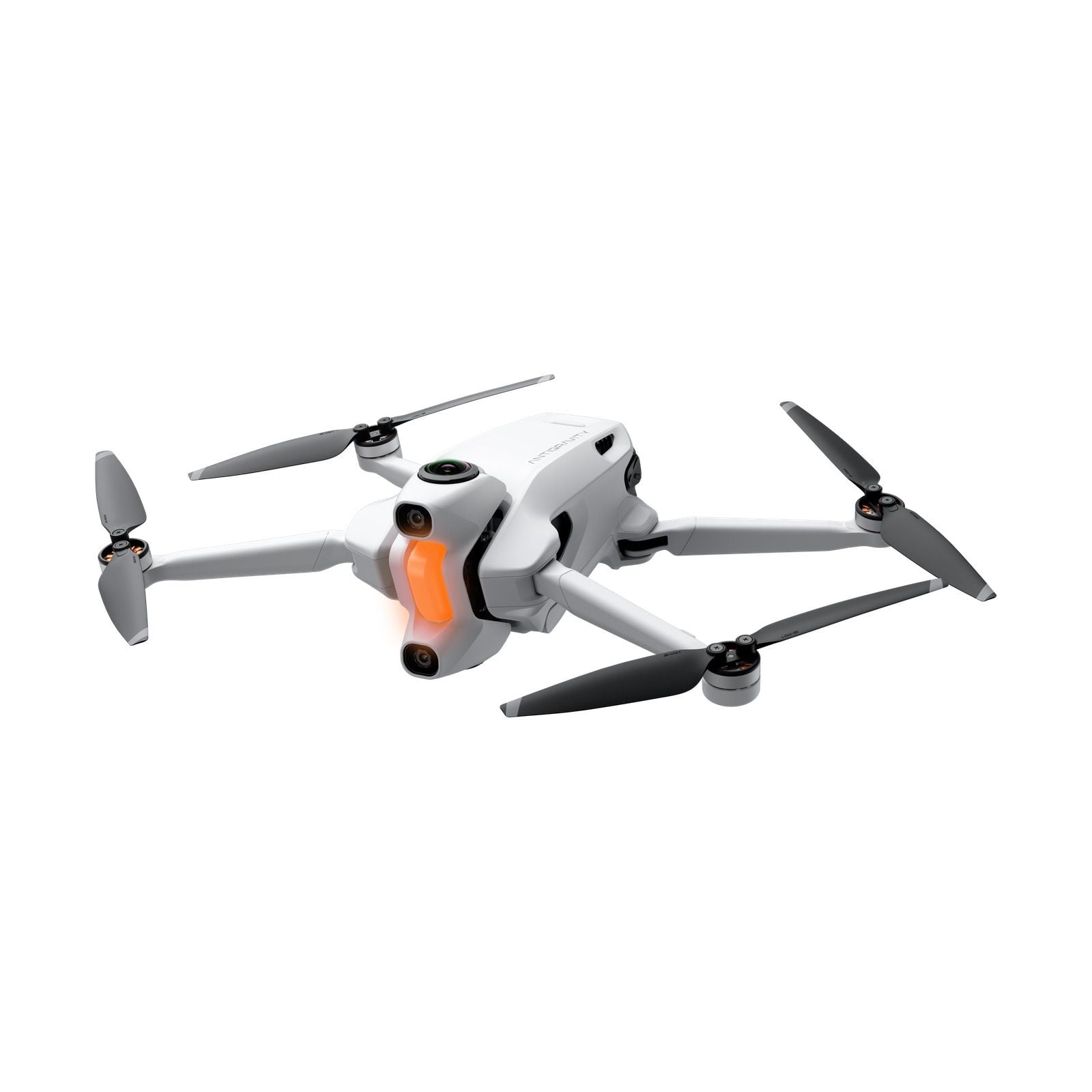
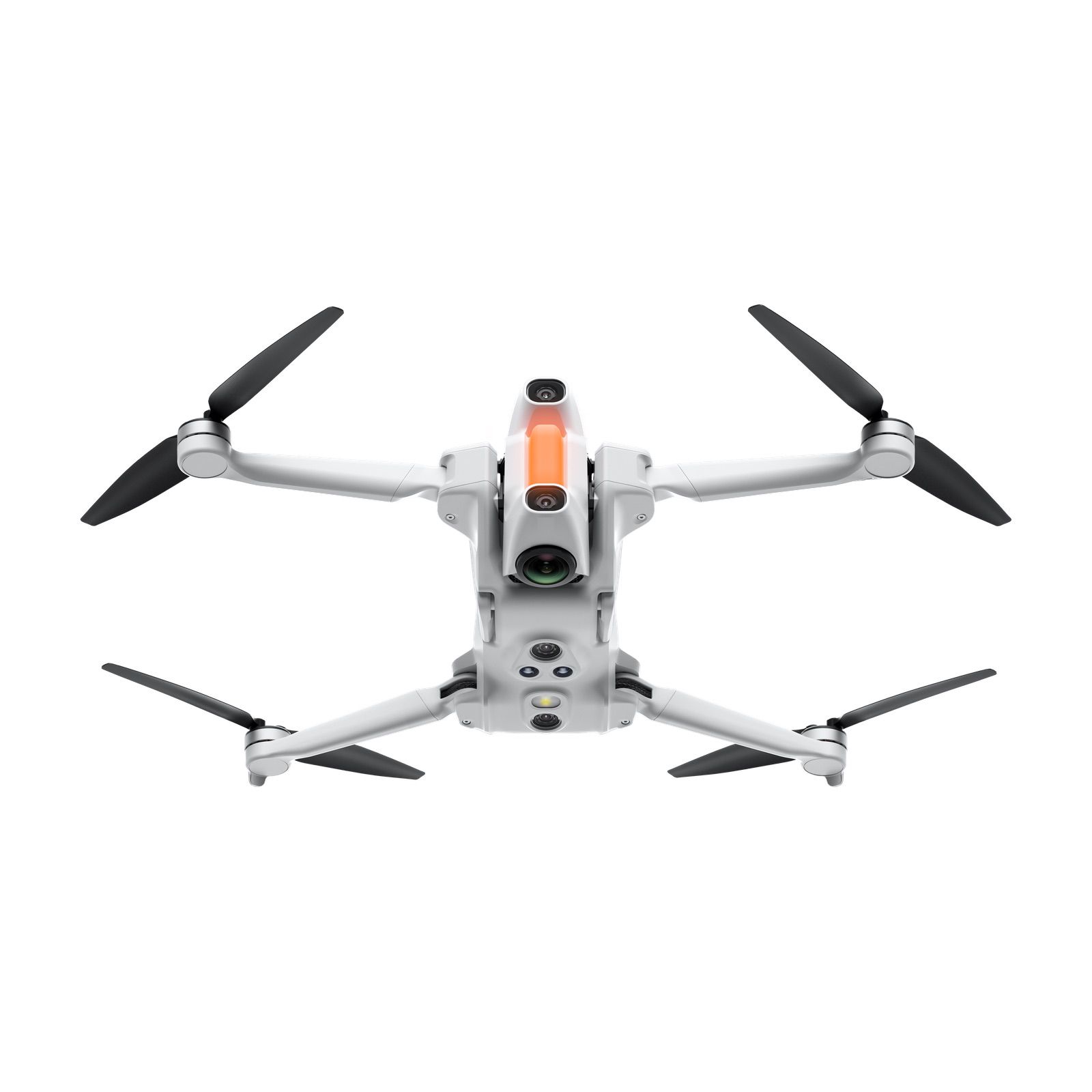
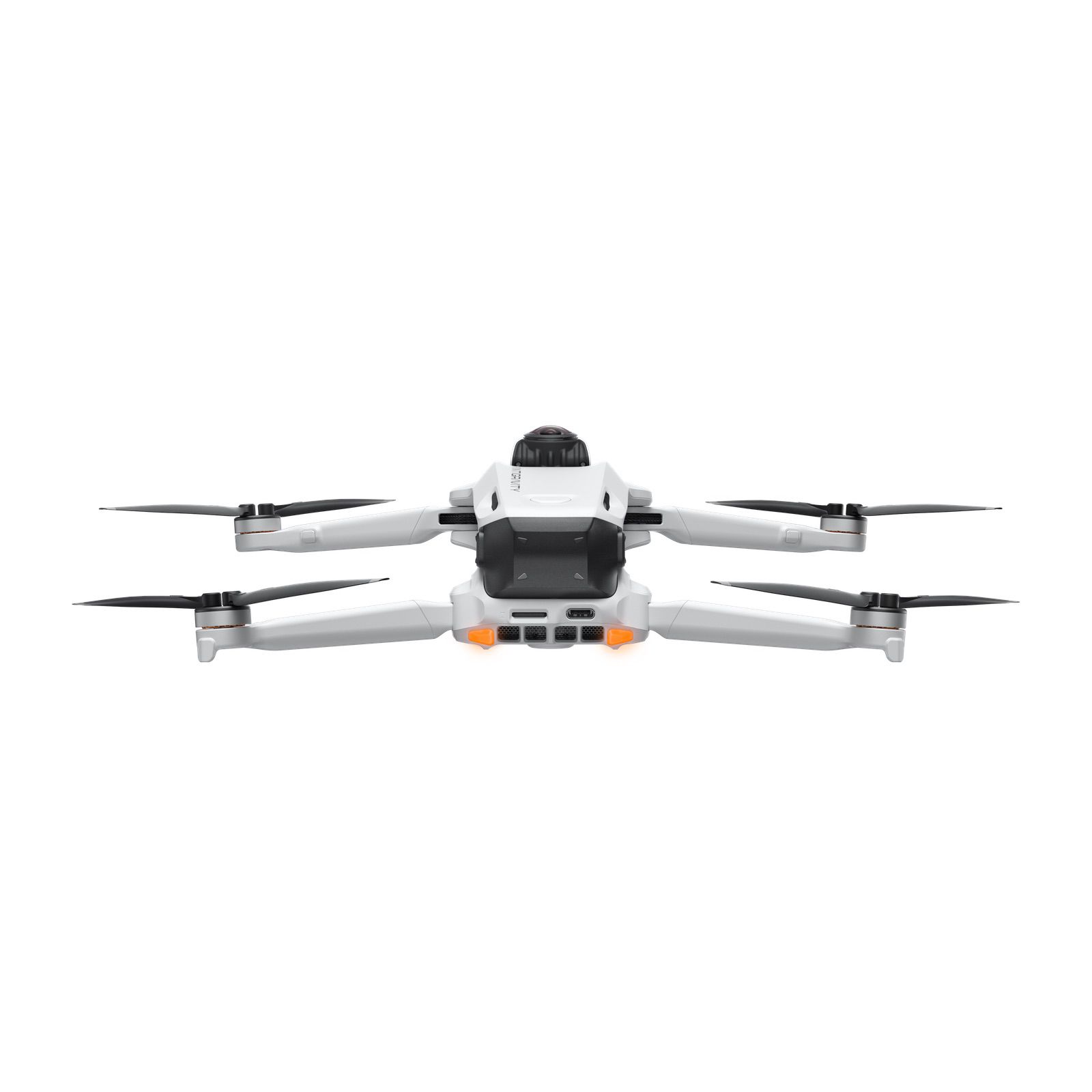
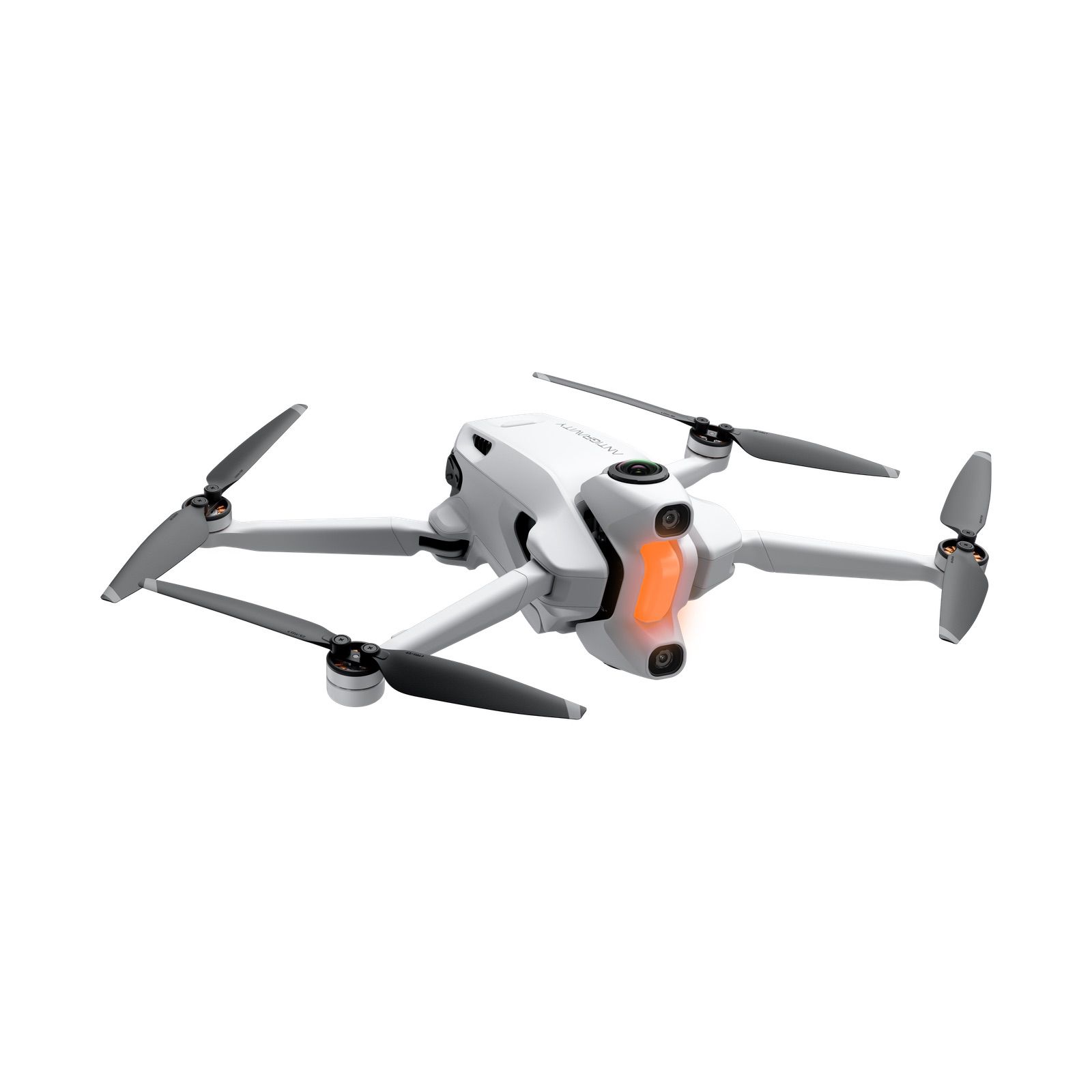
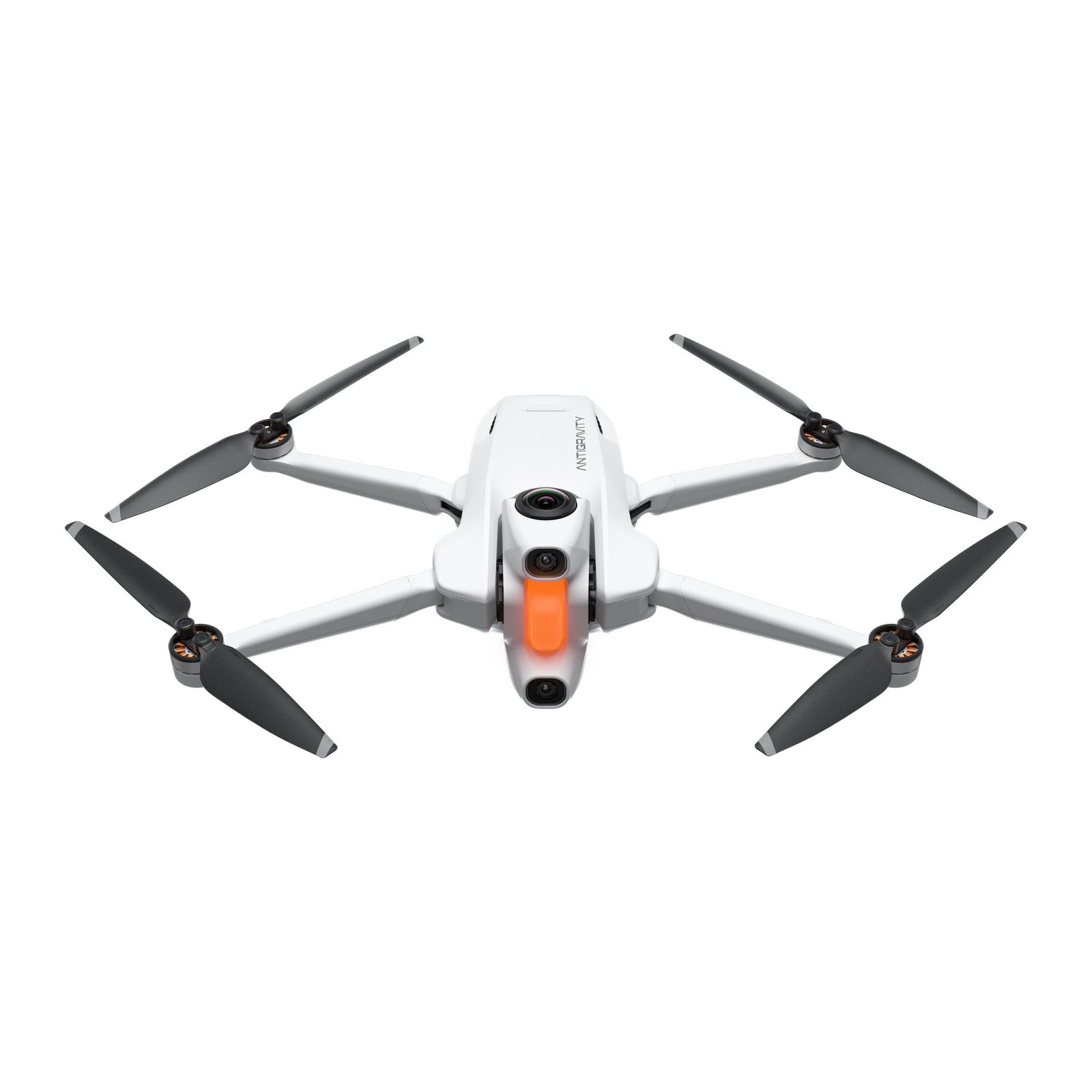
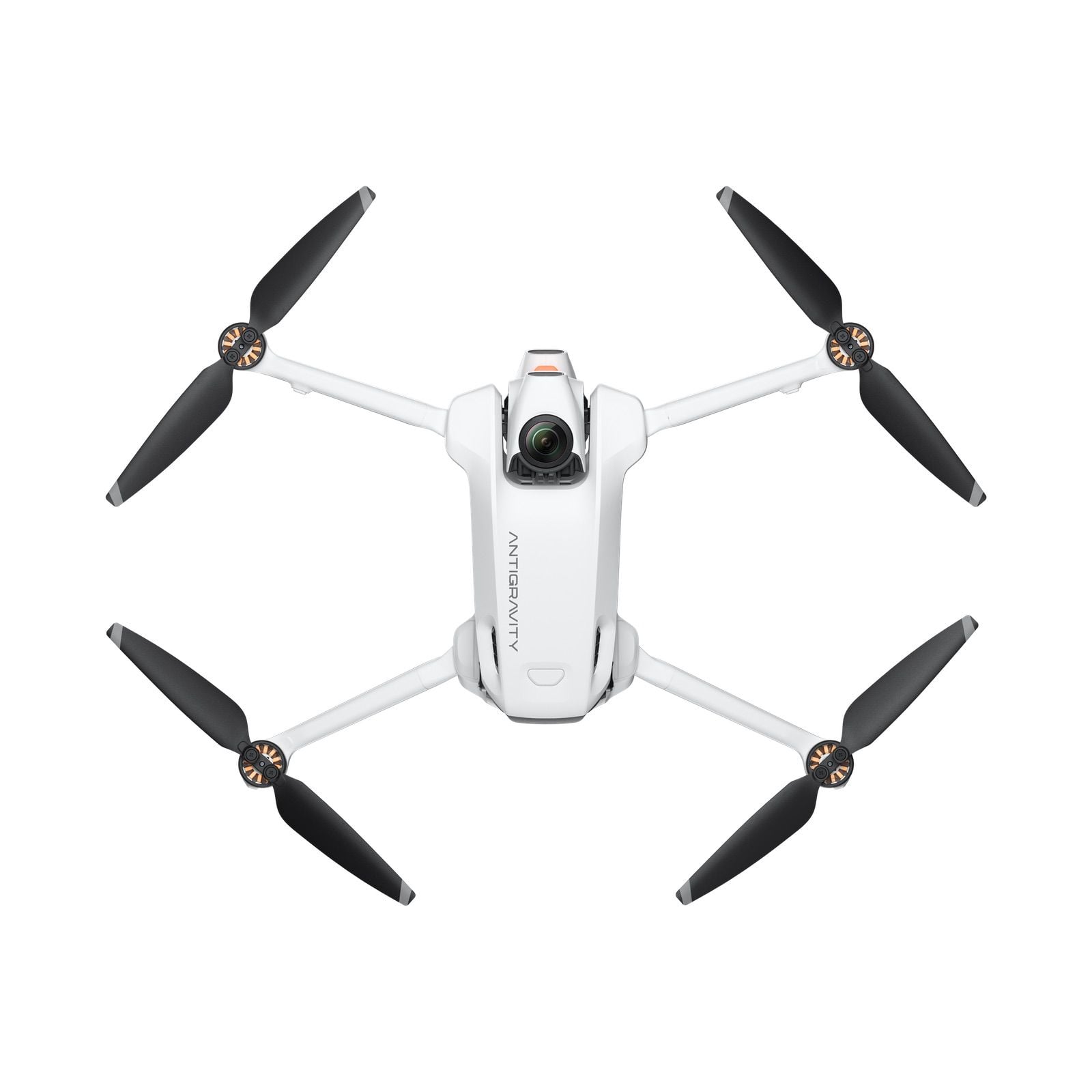
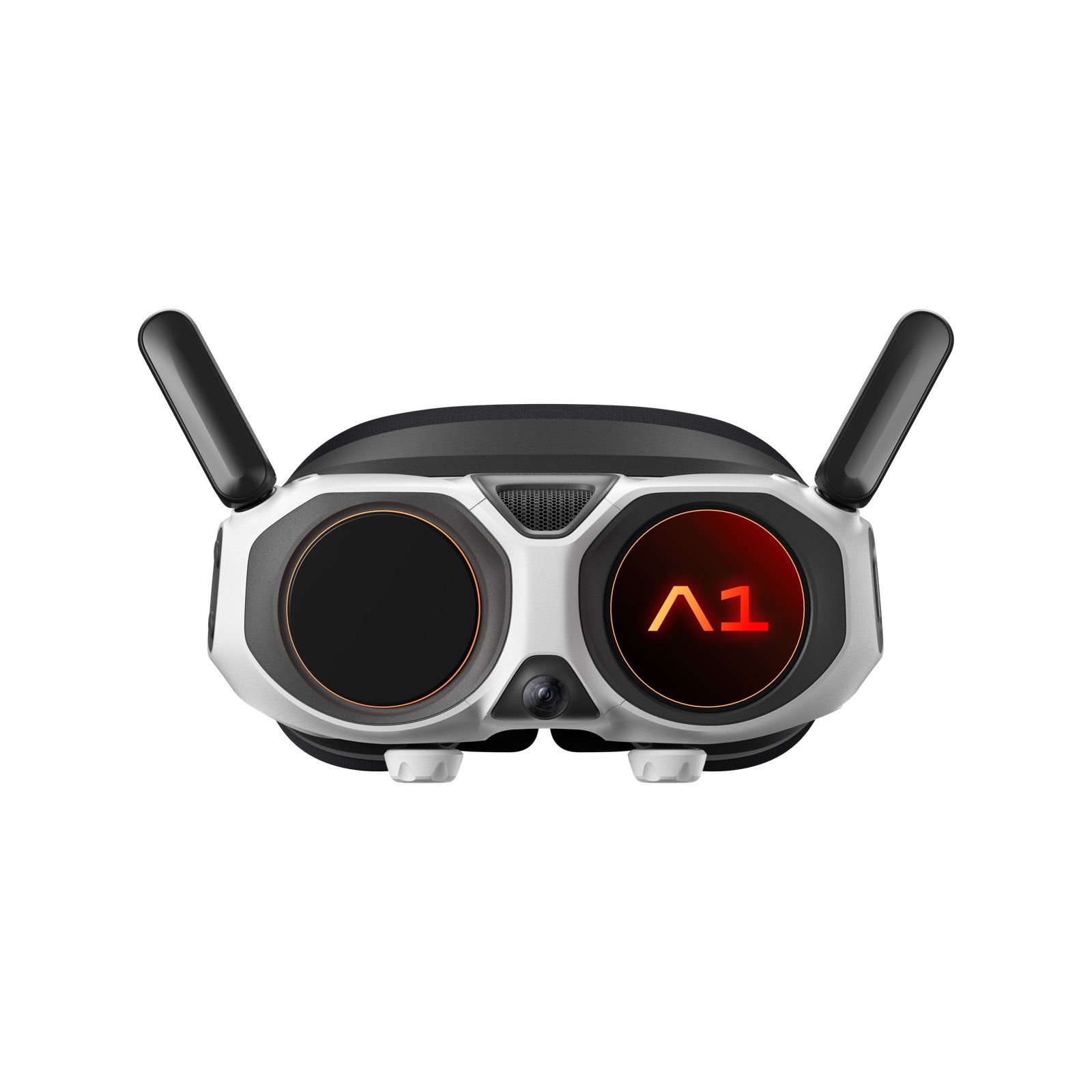
Hey drone pilots, tired of missing shots mid-flight? Antigravity’s A1 drone changes everything with built-in 8K 360 capture – dive into the details from their hot-off-the-press announcement.
Antigravity has introduced the A1, a drone that integrates 8K 360-degree video capture directly into its design, marking a shift toward more immersive aerial filming without external attachments. This development targets creators and pilots seeking seamless, high-resolution footage from the sky, as detailed in the company’s announcement on their official website.
Antigravity A1 Drone Key Features
- 8K 360-degree capture with top-and-bottom lens configuration.
- Compact and lightweight at 249g for license-free flying in most countries and regions.
- Invisible drone effect through advanced image stitching.
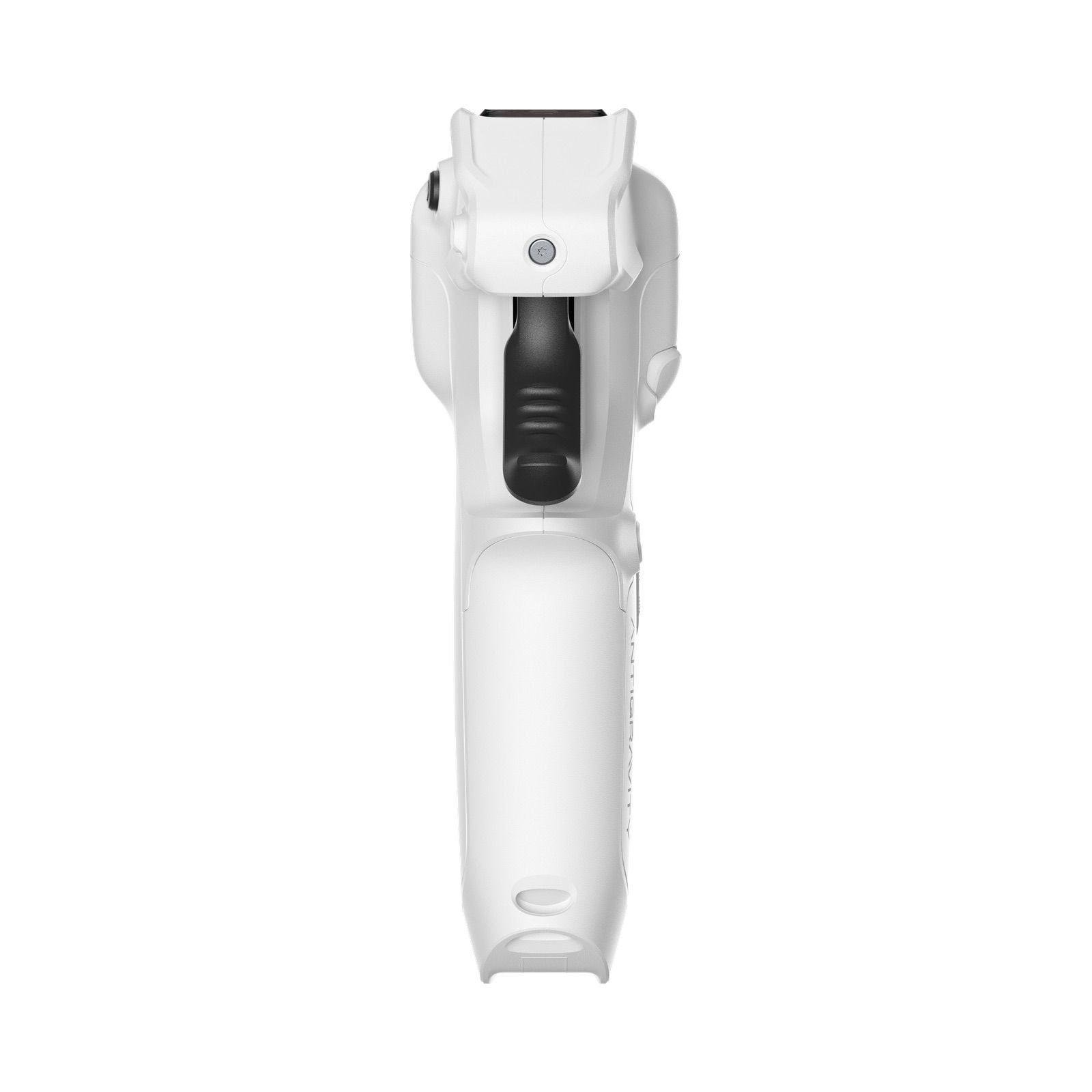
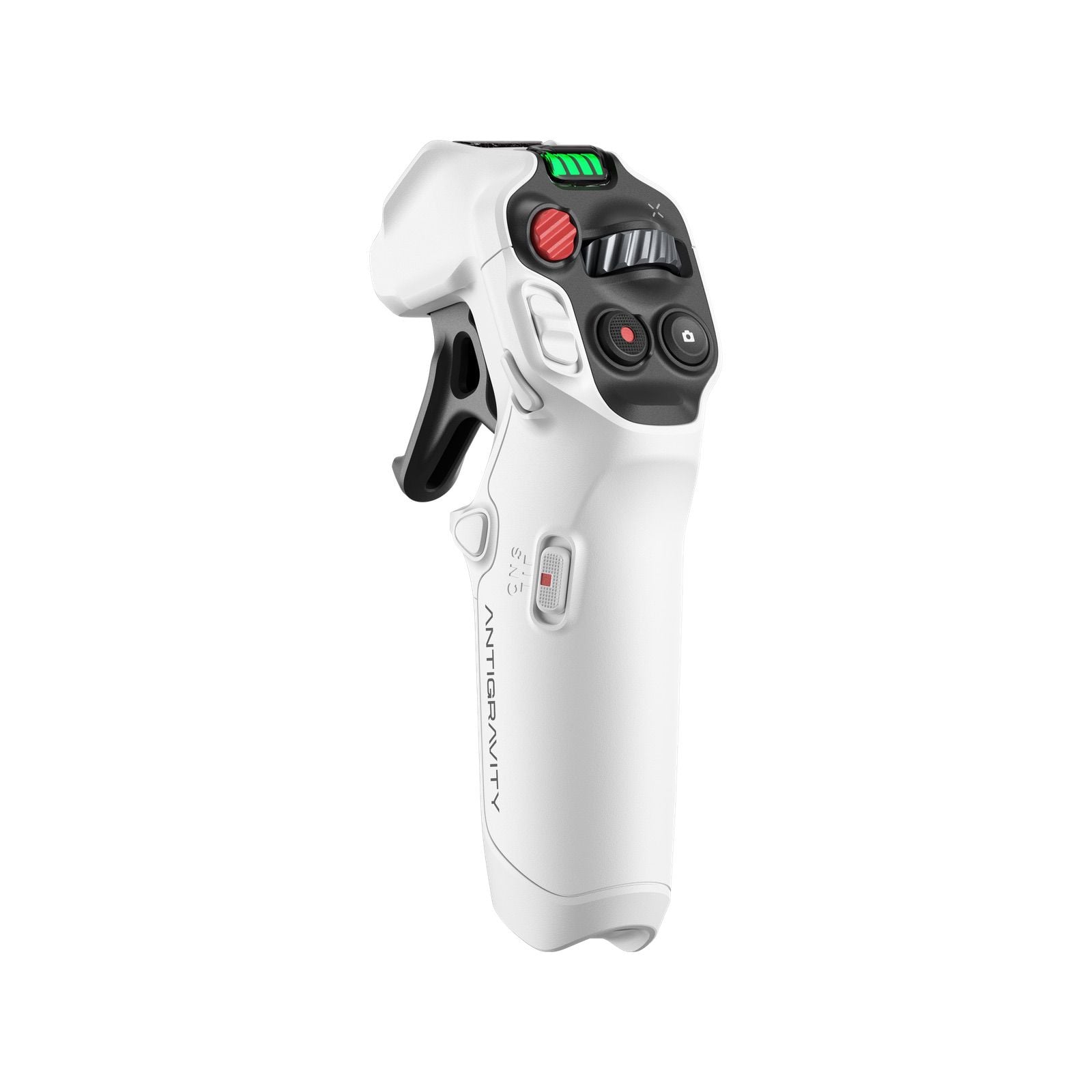
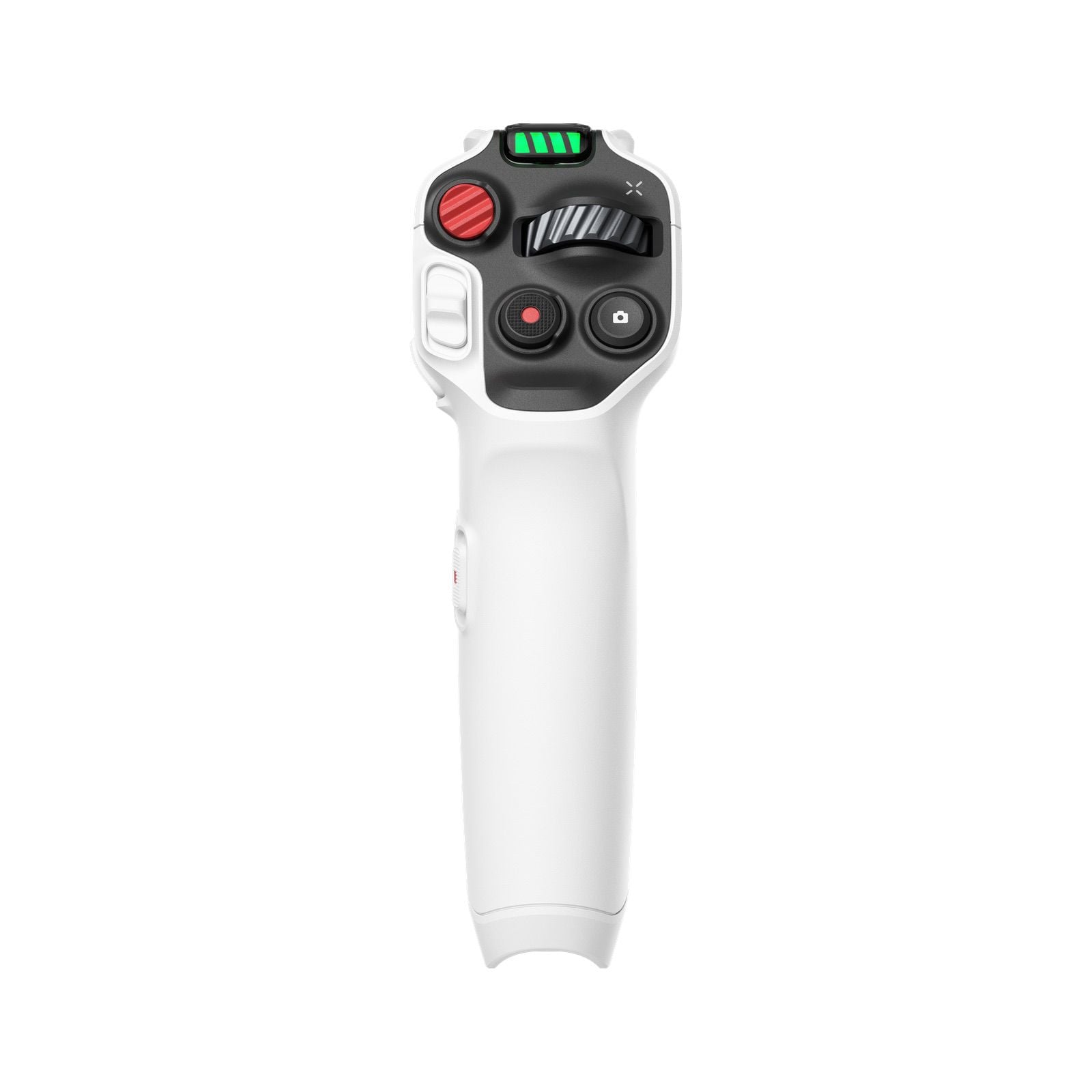
- Intuitive point-to-fly controls with the Grip controller.
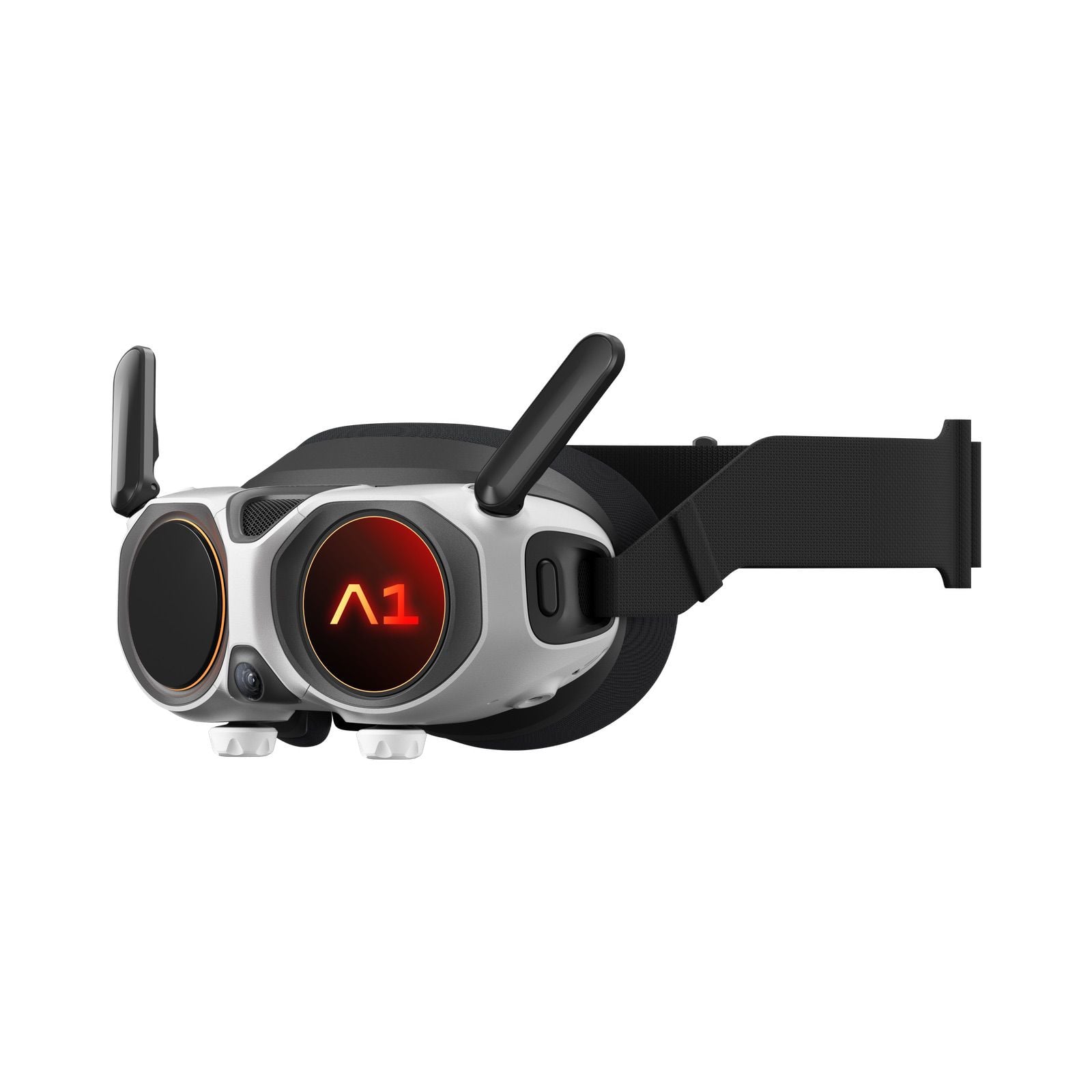
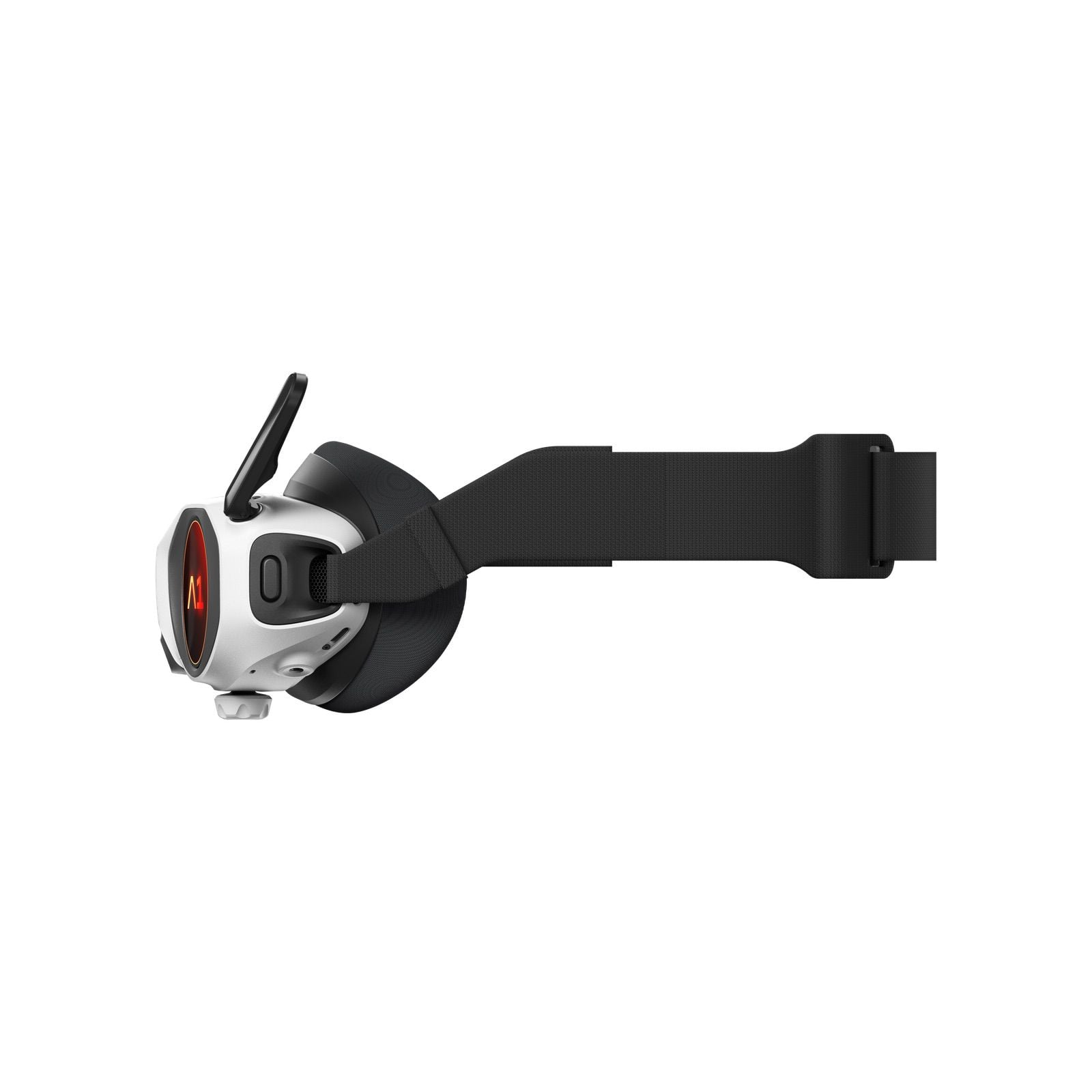
- 360 immersive live view and head tracking via the Vision goggles.
- Never miss a shot with easy post-flight reframing and editing.
- Safety features including return-to-home and a payload detection system.
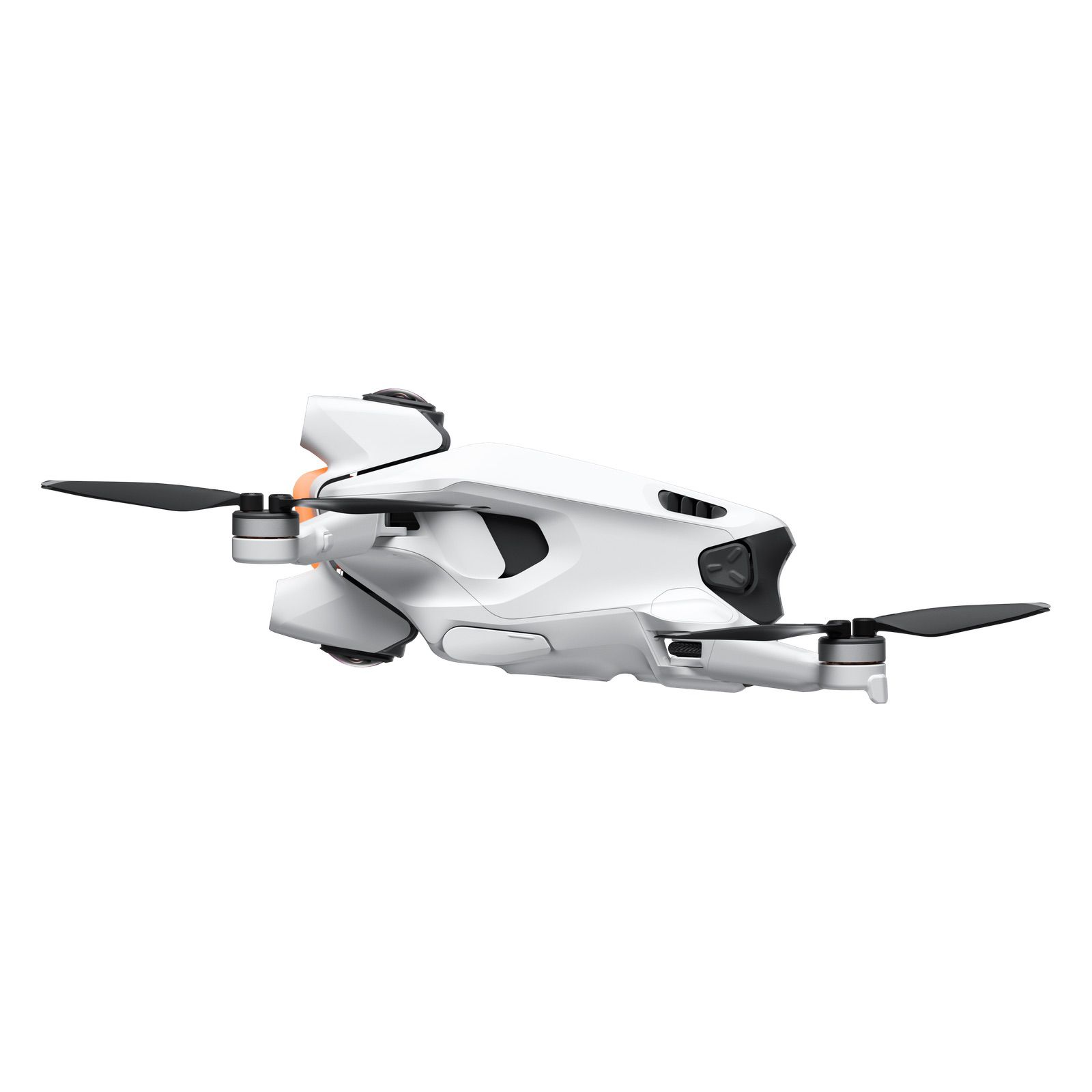
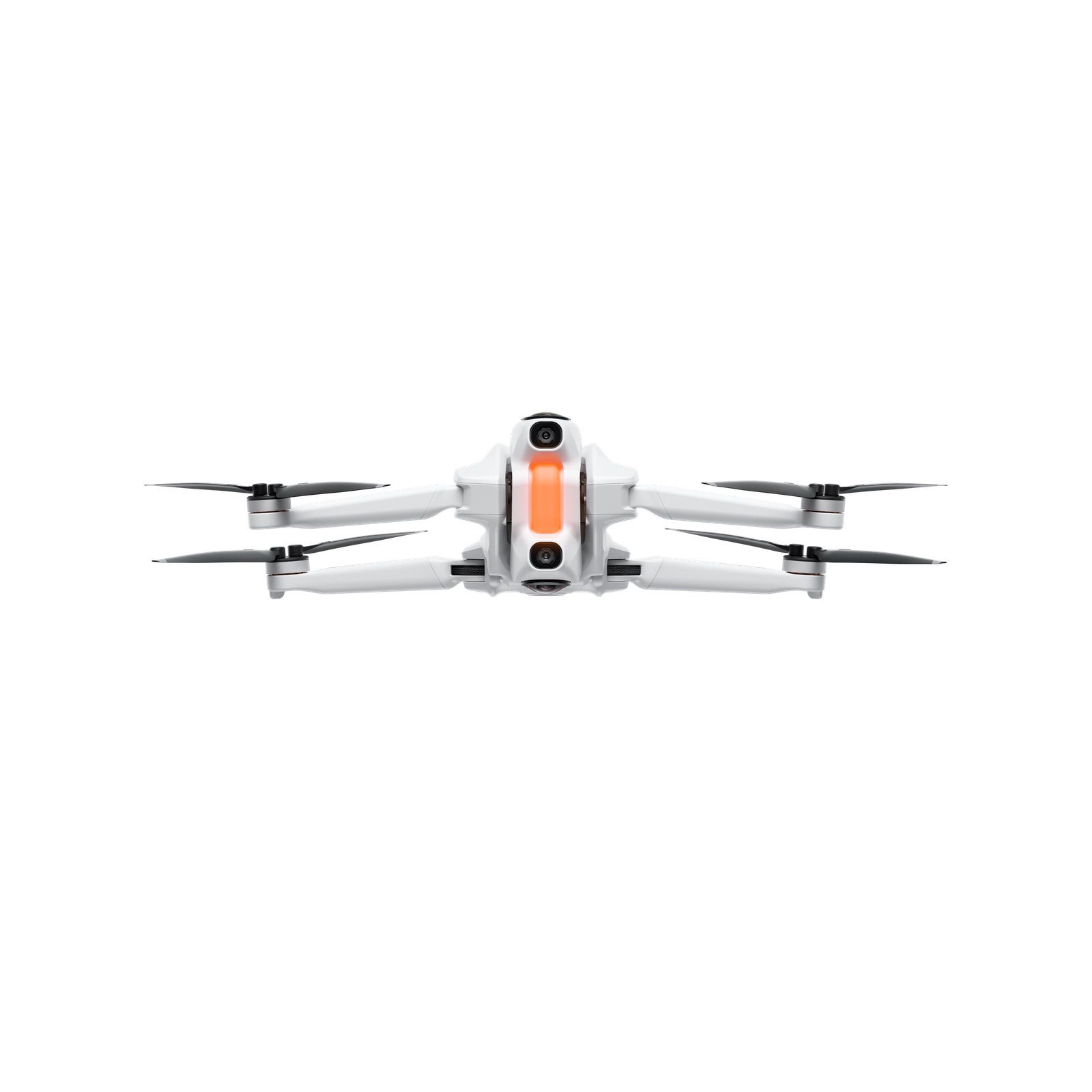
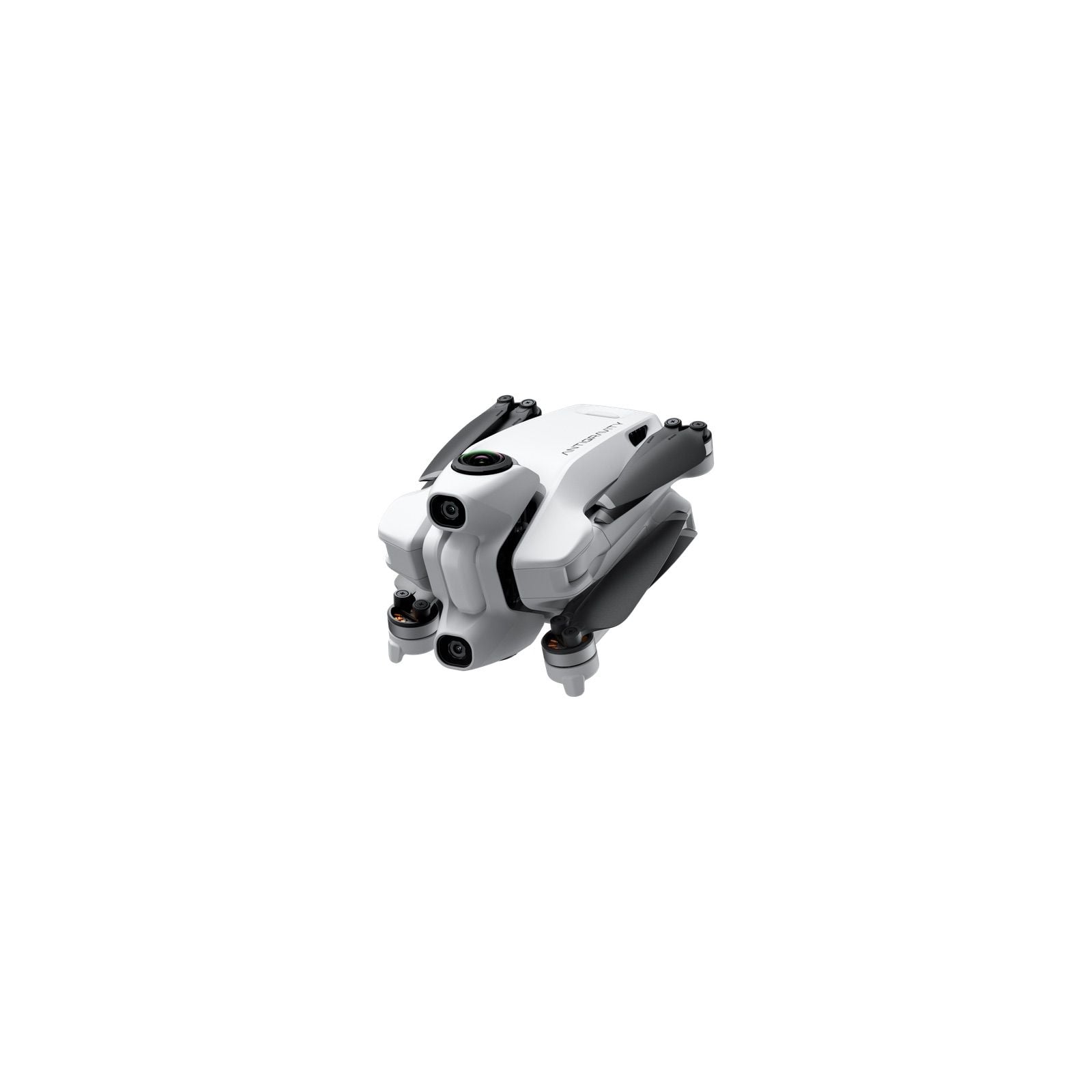
See the image gallery at the end of this article for detailed photos of the Antigravity A1 FPV drone.

Innovative 360-Degree Capture Technology
The A1 features a dual-lens camera mounted on the top and bottom of the drone’s body. This setup records the entire surroundings in 360 degrees, eliminating blind spots during flight. Advanced stitching algorithms remove the drone itself from the footage, producing clean videos that immerse viewers fully in the scene.

This technology builds on systems seen in ground-based 360 cameras, like those from Insta360’s X Series, but adapts them for aerial use. Pilots can capture 8K resolution clips that allow reframing in post-production. Users export multiple angles from one file without quality loss, supporting effects such as Tiny Planet visuals or horizon flips. Such capabilities open doors for cinematic FPV-style edits, making complex shots more straightforward for both professionals and hobbyists.
Antigravity positions the A1 as the world’s first all-in-one 8K 360 drone, noting that as of July 28, 2025, no other model offers built-in 360 capture with real-time transmission and adjustable parameters mid-flight. This raises questions about how competitors might respond in a market increasingly focused on integrated imaging.
Enhanced Immersion Through Controls and Viewing
Pilots experience the A1’s immersion via the Vision goggles and Grip controller. FreeMotion technology enables head tracking, so users look in any direction independently of the drone’s path. Hand gestures on the Grip handle flight, ditching traditional joysticks for more natural operation.

This separation of viewing and steering creates a sensation of being present in the air. Recorded videos replay in 360 degrees, revealing new perspectives on repeat viewings. For recreational pilots, this could transform casual flights into exploratory adventures, while professionals gain tools for detailed aerial scouting.
Safety integrates directly: a payload detection system prevents modifications, ensuring the drone suits exploration and storytelling only. Return-to-home functions add reliability. Weighing 249 grams (about 8.8 ounces), the A1 complies with license-free regulations in many areas, easing access for beginners.

Design Focus on Portability and Creativity
The A1’s compact build suits travel, fitting easily into bags and launching quickly. Its lightweight design appeals to families, travelers, and first-timers, broadening drone use beyond experts.
Creativity drives the product, with every angle captured for flexible editing. This empowers users to craft dynamic content, from social media clips to professional projects. Building on that, Antigravity invites global creators to a co-creation project, offering pre-production units for testing. Selected participants shape future features and compete for a share of the US$20,000 reward pool. Applications are available on the company site.
“We didn’t want to just build another drone. We wanted to create an entirely new way to fly,” said BC Nie, Head of Marketing at Antigravity. “A1 is the first step in reimagining flight as something anyone can enjoy — something that is safe, intuitive, expressive, and endlessly creative.”
Launch Timeline and Broader Implications
Set for global release in January 2026, the A1’s pricing and bundles remain forthcoming. As an incubated brand from Insta360 and partners, Antigravity aims to make flight inclusive and fun.
This launch signals trends toward hybridized drone-camera systems, potentially influencing regulations on lightweight, feature-rich models. Economically, it could lower barriers for content creators, fostering more aerial storytelling. Yet, with immersion prioritized, users must consider battery life and range limits, though specifics await final specs.

Antigravity operates from a global team, focusing on consumer drones that blend 360 tech with ease. Follow updates on their X account or Instagram. This development underscores a push for accessible innovation in the drone sector, balancing tech advances with user-friendly design.
DroneXL’s Take
This announcement sparks interest among drone pilots, as the Antigravity A1 could introduce meaningful competition to DJI’s dominance in the lightweight drone segment. At under 250 grams (8.8 ounces), it aligns directly with the DJI Mini series, including the upcoming DJI Mini 5 Pro, rumored for a September 2025 release amid recent DJI Rumors. The A1 also incorporates immersive FPV elements reminiscent of the DJI Neo and Avata 2, blending intuitive controls with 360-degree capture. Backed by Insta360, a established leader in 360 cameras, Antigravity benefits from proven imaging expertise, which could strengthen its market entry. Yet, challenging DJI proves difficult, as past attempts by Sony with the Airpeak, GoPro’s Karma, and Skydio’s discontinuation of their consumer drone product, illustrate the hurdles in gaining traction. This raises questions about whether the A1 will carve out a niche among DJI’s offerings. In response, DJI might accelerate innovations, potentially advancing its Mini lineup or introducing enhanced FPV features in future models like a Neo successor, based on ongoing 2025 rumors.