Drones vs Spoiled Vaccines: Rwanda Finds a Fix

Check out the Best Deals on Amazon for DJI Drones today!
In many rural parts of Africa, vaccines face an enemy more dangerous than misinformation or logistics, heat. Nearly one in four doses are thrown away simply because they fall outside the narrow temperature range they need to stay effective, a quiet tragedy when every vial represents protection that never reached an arm.
Now Rwanda is showing how drones might quietly solve that problem, one parachute drop at a time, as the BBC reports.
Why Vaccines and Fridges Do Not Get Along
Vaccines are famously picky. They need refrigeration, reliable power, and stable storage, none of which are guaranteed in remote clinics that may sit hours away from paved roads and depend on fragile electrical grids.
When power fails, fridges fail, and when fridges fail, hundreds of doses can be lost in a single afternoon. According to research from the University of Birmingham, this cold chain breakdown is one of the biggest drivers of vaccine wastage across rural regions.
Professor Chris Green, who splits his time between the UK’s NHS and research at Birmingham, summed it up simply. If vaccines stayed centralized, in secure facilities with reliable cooling, clinics would only receive exactly what they needed, exactly when they needed it.
Rwanda already had the missing piece waiting on the runway.
Rwanda’s Drone Network Is Already Flying Circles
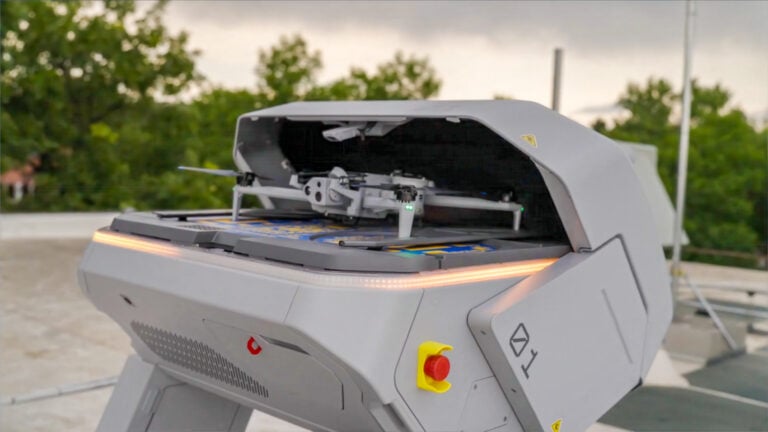
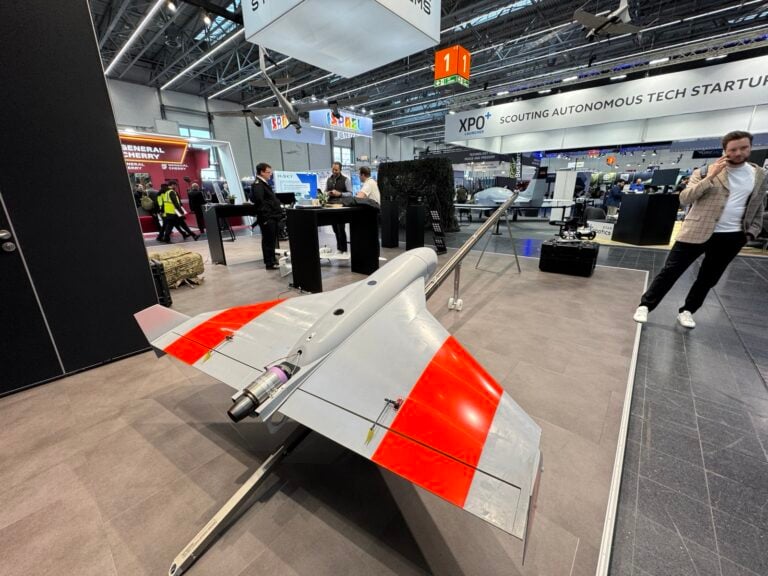
Commercial drone delivery is not a pilot project in Rwanda. It is routine infrastructure. Fixed wing drones, launched by catapult and recovered mid air on a wire, already deliver blood and medical supplies across the country.
The technology powering these flights is almost identical to the drone delivery systems now operating in the United States through Zipline’s platform. The same core aircraft design and logistics software are being used by major American brands like Walmart and Chipotle to deliver groceries and meals to customers’ homes.
In other words, the drones dropping vaccines in rural Rwanda are cousins of the drones dropping burrito bowls and household essentials in US suburbs.

With just one or two operators, hundreds of flights can launch each day. According to Professor Green, anywhere in Rwanda can be reached in forty five minutes or less, which in medical terms is practically teleportation.

The workflow is elegantly simple. As patients arrive for vaccinations, clinic staff send a text or email requesting a specific number of vials. Before registration paperwork is finished, the drone is overhead, releasing a shoebox sized package that floats down by parachute.
Once the delivery is complete, the drone loops back to base, gets caught mid air on a wire strung between two towers, refuels, and goes back to work. No roads. No traffic. No warm fridges plotting against public health.
Early Results Point to Massive Waste Reduction
Gilbert Rukundo, a PhD student working with the Rwanda Biomedical Centre and the University of Birmingham, has seen the system in action.
“When you see the mums arriving you order the number of vials, and even before you are done registering them the vaccine vials are there,” he said.
While the data analysis is still in its early stages, the early signals are hard to ignore. Some clinics reduced on site vaccine storage by up to ninety percent while still delivering the same level of immunization coverage. Fewer stored vials meant fewer spoiled doses, and fewer spoiled doses meant more people protected.
For health authorities watching the numbers, drones are starting to look less like futuristic gadgets and more like airborne refrigerators with wings.
DroneXL’s Take
What makes this story land is not novelty, it is familiarity. The same drone technology delivering groceries and fast food in the US is already safeguarding vaccines in Rwanda. One use case feeds convenience, the other saves lives, and both prove the same thing.
Drone delivery is no longer experimental. It is infrastructure, and it is already changing how the world moves critical payloads through the air.
Photo credit: University of Birmingham, Zipline.
Discover more from DroneXL.co
Subscribe to get the latest posts sent to your email.
Check out our Classic Line of T-Shirts, Polos, Hoodies and more in our new store today!

MAKE YOUR VOICE HEARD
Proposed legislation threatens your ability to use drones for fun, work, and safety. The Drone Advocacy Alliance is fighting to ensure your voice is heard in these critical policy discussions.Join us and tell your elected officials to protect your right to fly.

Get your Part 107 Certificate
Pass the Part 107 test and take to the skies with the Pilot Institute. We have helped thousands of people become airplane and commercial drone pilots. Our courses are designed by industry experts to help you pass FAA tests and achieve your dreams.

Copyright © DroneXL.co 2026. All rights reserved. The content, images, and intellectual property on this website are protected by copyright law. Reproduction or distribution of any material without prior written permission from DroneXL.co is strictly prohibited. For permissions and inquiries, please contact us first. DroneXL.co is a proud partner of the Drone Advocacy Alliance. Be sure to check out DroneXL's sister site, EVXL.co, for all the latest news on electric vehicles.
FTC: DroneXL.co is an Amazon Associate and uses affiliate links that can generate income from qualifying purchases. We do not sell, share, rent out, or spam your email.