Oklahoma Prisons Step Up Drone Defenses After 6,000 Phones Smuggled In

Check out the Best Deals on Amazon for DJI Drones today!
Drones have become a serious and persistent security threat inside Oklahoma state prisons, fundamentally changing how contraband enters correctional facilities, as Koko 5 ABC reports.
According to the Oklahoma Department of Corrections, drones have been used to deliver illegal items into prisons for at least the past four to five years, steadily replacing older smuggling methods such as fence tosses and in person handoffs.
These drone drops are often fast, deliberate, and difficult to stop. Operators fly over prison walls, release packages onto rooftops or into recreation yards, and leave the area within seconds.

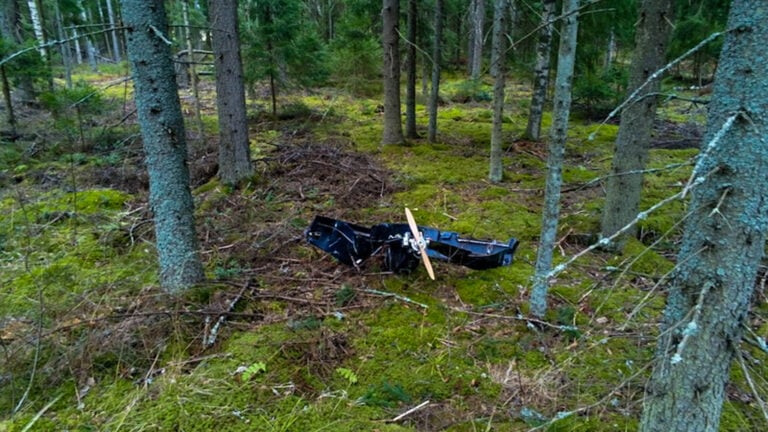
Inmates then retrieve the items using improvised tools or during routine movement periods. In some cases, smaller drones are intentionally crashed inside prison grounds, sacrificing the aircraft to ensure the delivery succeeds and to avoid recovery or tracking.
Corrections officials say smugglers have become increasingly creative. Some drones are equipped with mechanical release systems that drop bags or nets filled with contraband.

Others use fishing style techniques, lowering packages on lines and pulling away once the drop is complete. There have even been reports of specialized drones capable of carrying heavier payloads, pushing the problem beyond simple consumer quadcopters.
What makes drone contraband especially dangerous is precision. Unlike thrown packages, drones allow smugglers to target exact locations inside prison grounds, dramatically increasing the success rate of each attempt.
Illegal Cellphones Fuel the Drone Economy
While drones attract attention, Oklahoma corrections officials say illegal cellphones remain the true driver behind most contraband operations. Last year alone, approximately 6,000 illegal phones were seized from inside Oklahoma state prisons.
These devices allow inmates to communicate freely with people outside prison walls, bypassing monitored phone systems entirely. Cellphones are used to coordinate exact drop locations, provide real time guidance to drone pilots, and confirm successful deliveries within minutes.
This creates a self reinforcing cycle. Cellphones enable drone drops, and drone drops bring in more cellphones, along with drugs and other prohibited items. Drugs remain one of the most common forms of contraband delivered by drone, often packaged together with phones, chargers, and SIM cards to maximize the value of each flight.
Corrections officials stress that without addressing cellphone access, drone smuggling will remain difficult to eliminate completely.
Using Drones to Stop Drones
To counter the growing aerial threat, the Oklahoma Department of Corrections has deployed multiple layers of defense, including drone detection systems and active aerial monitoring.

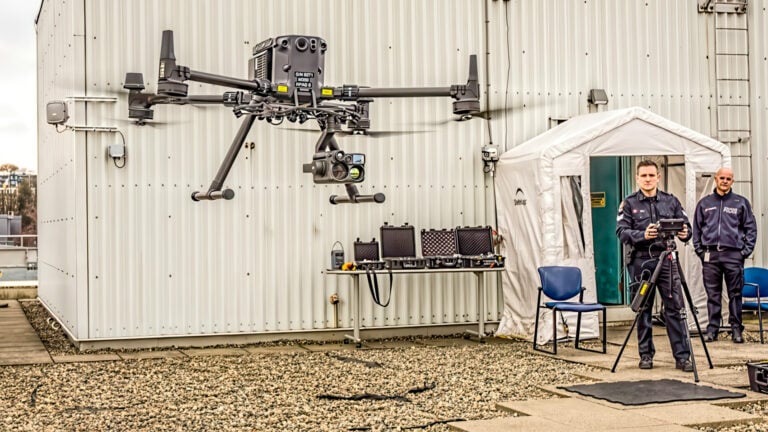
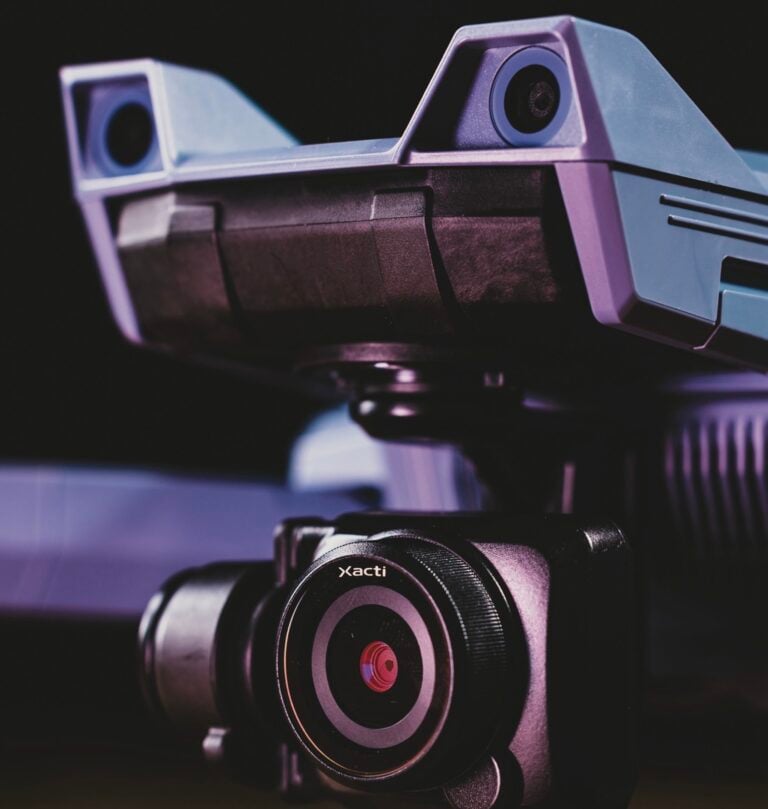
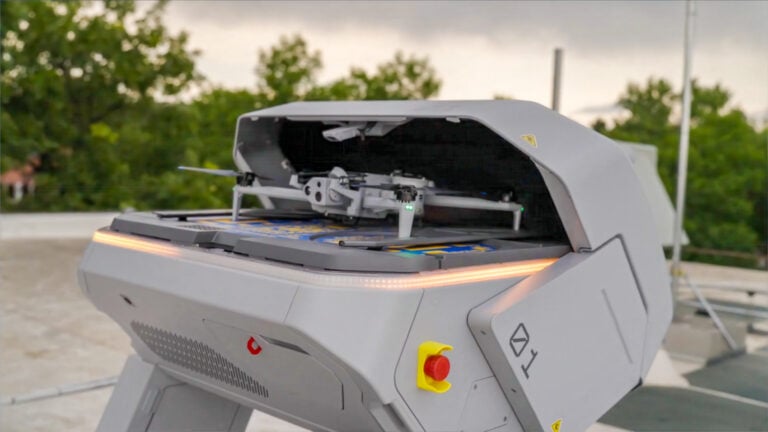
Among those measures is the use of the DJI Matrice 350, a professional grade enterprise drone operated by trained staff to help monitor prison airspace and surrounding areas. The Matrice 350 is used to patrol perimeters, observe suspicious activity, and provide an elevated view when a potential drone incursion is detected.

Photo credit: DJI
By putting a drone in the air quickly, staff gain situational awareness that ground cameras and fixed sensors cannot always provide. The Matrice 350 allows officers to track suspicious aircraft, monitor drop zones, and support response teams attempting to recover contraband before inmates can reach it.
This aerial capability is combined with ground based drone detection systems that alert staff when an unauthorized drone enters a monitored zone around a prison. These systems help identify flight paths and possible launch locations, allowing officers to respond more effectively.
Officials say the goal is not just to confiscate dropped packages, but to understand patterns, deter future attempts, and ultimately identify those responsible for operating the drones.
Federal Law Changes Could Allow Drone Takedowns
Despite improved detection and surveillance, prison staff currently face legal limits on how they can respond to drones in flight. That may soon change.
Federal regulations are evolving in ways that could allow correctional facilities to disable drones using approved counter drone devices. If authorized, these tools could force a drone to land or lose control before completing a delivery.
Such authority would mark a major shift in prison security strategy. Instead of reacting after contraband hits the ground, staff could prevent deliveries altogether. Repeated drone losses would also raise the cost and risk for smugglers, reducing the appeal of aerial drops.
Officials caution that any counter drone measures must comply with strict federal rules to avoid interference with legitimate aviation and communications systems.
DroneXL’s Take
Oklahoma’s approach shows how prisons are increasingly fighting drones with drones. The use of platforms like the DJI Matrice 350 highlights a broader trend where enterprise UAVs are becoming essential security tools, not just for observation, but for rapid response and deterrence.
Detection systems and surveillance drones are necessary steps, but real change will come when facilities gain legal authority to stop unauthorized aircraft in real time. Prisons may end up shaping the future of counter drone policy, proving how airspace security can evolve as drones become both the problem and part of the solution.
Photo credit: Koko 5 News ABC, DJI.
Discover more from DroneXL.co
Subscribe to get the latest posts sent to your email.
Check out our Classic Line of T-Shirts, Polos, Hoodies and more in our new store today!

MAKE YOUR VOICE HEARD
Proposed legislation threatens your ability to use drones for fun, work, and safety. The Drone Advocacy Alliance is fighting to ensure your voice is heard in these critical policy discussions.Join us and tell your elected officials to protect your right to fly.

Get your Part 107 Certificate
Pass the Part 107 test and take to the skies with the Pilot Institute. We have helped thousands of people become airplane and commercial drone pilots. Our courses are designed by industry experts to help you pass FAA tests and achieve your dreams.

Copyright © DroneXL.co 2026. All rights reserved. The content, images, and intellectual property on this website are protected by copyright law. Reproduction or distribution of any material without prior written permission from DroneXL.co is strictly prohibited. For permissions and inquiries, please contact us first. DroneXL.co is a proud partner of the Drone Advocacy Alliance. Be sure to check out DroneXL's sister site, EVXL.co, for all the latest news on electric vehicles.
FTC: DroneXL.co is an Amazon Associate and uses affiliate links that can generate income from qualifying purchases. We do not sell, share, rent out, or spam your email.