ShadowBreak Intl’s “Flying Sword” Drone Is a 450 km/h Kinetic Projectile With No Warhead Required
Check out the Best Deals on Amazon for DJI Drones today!
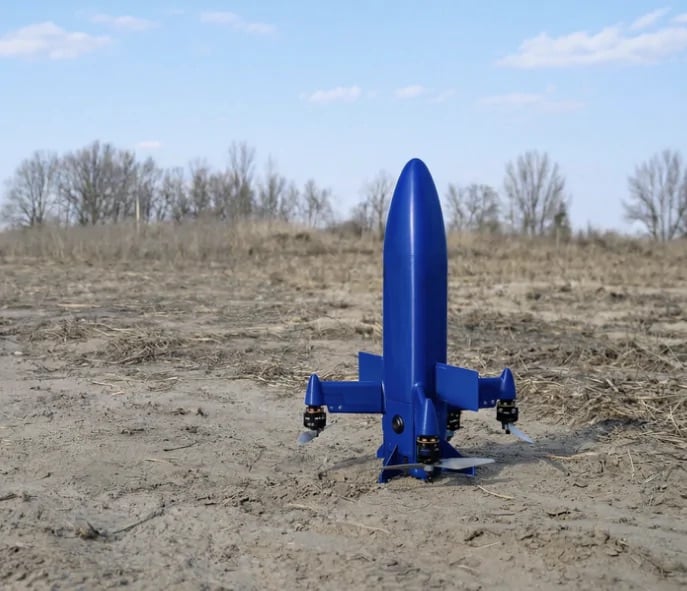
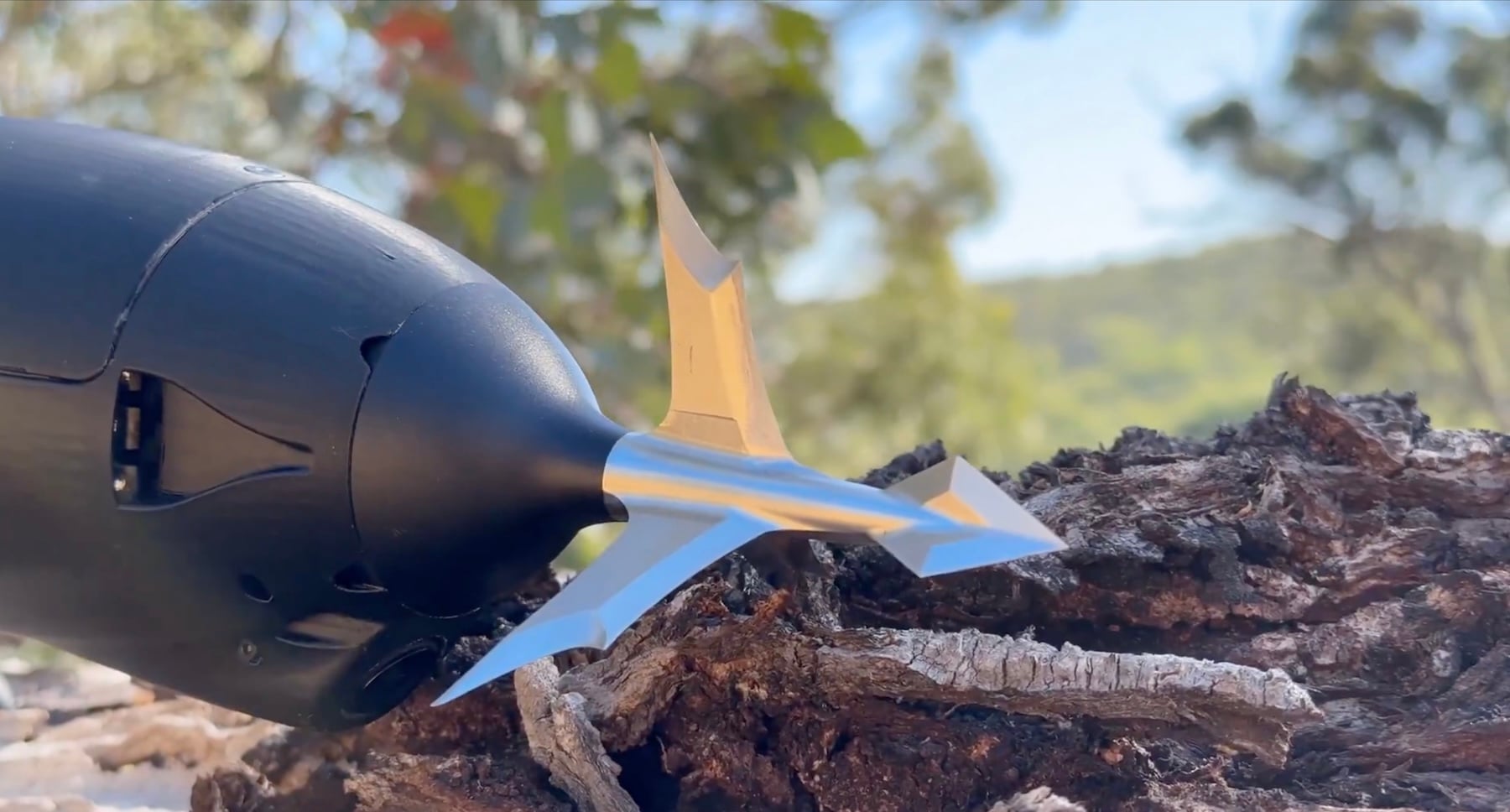
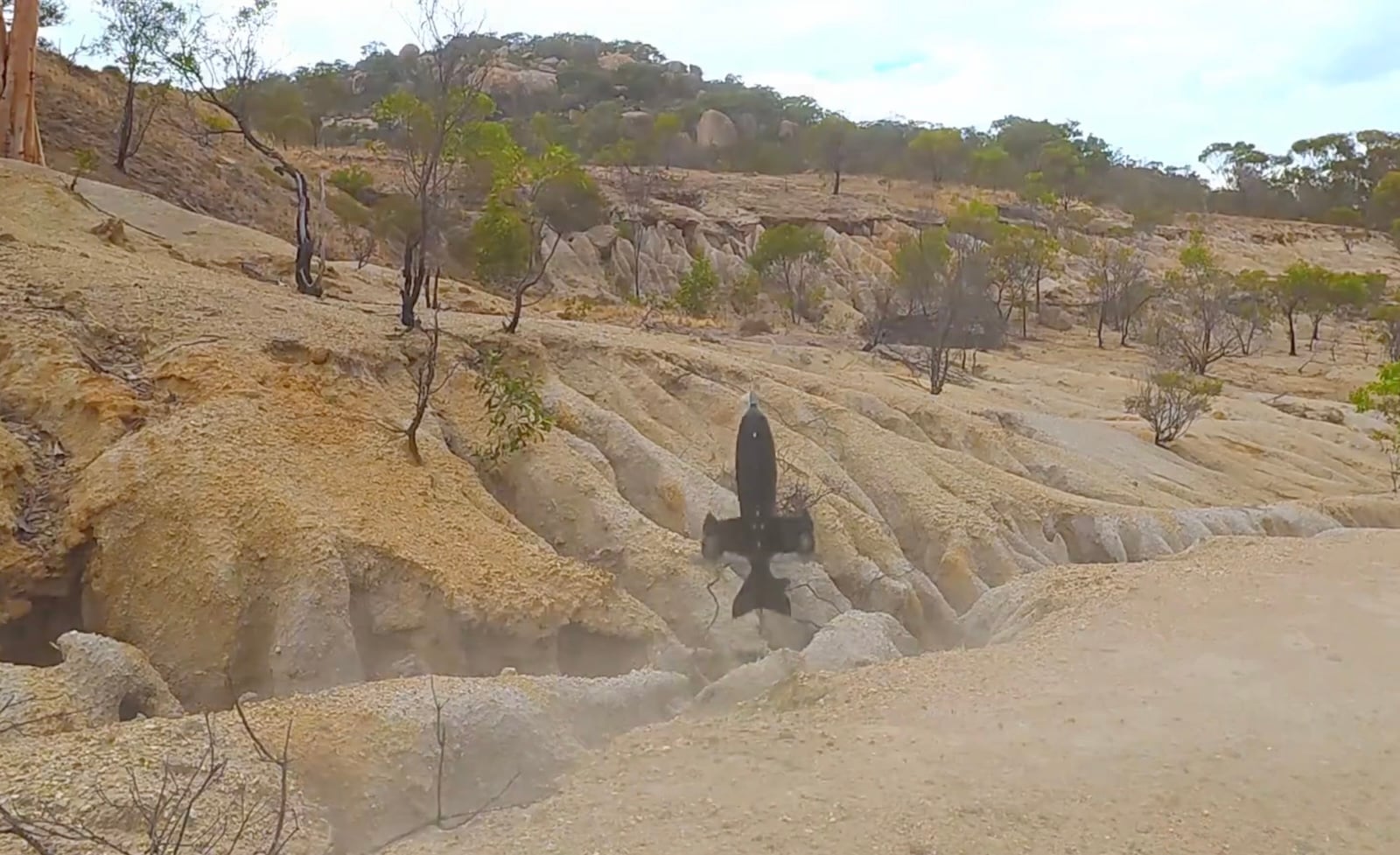
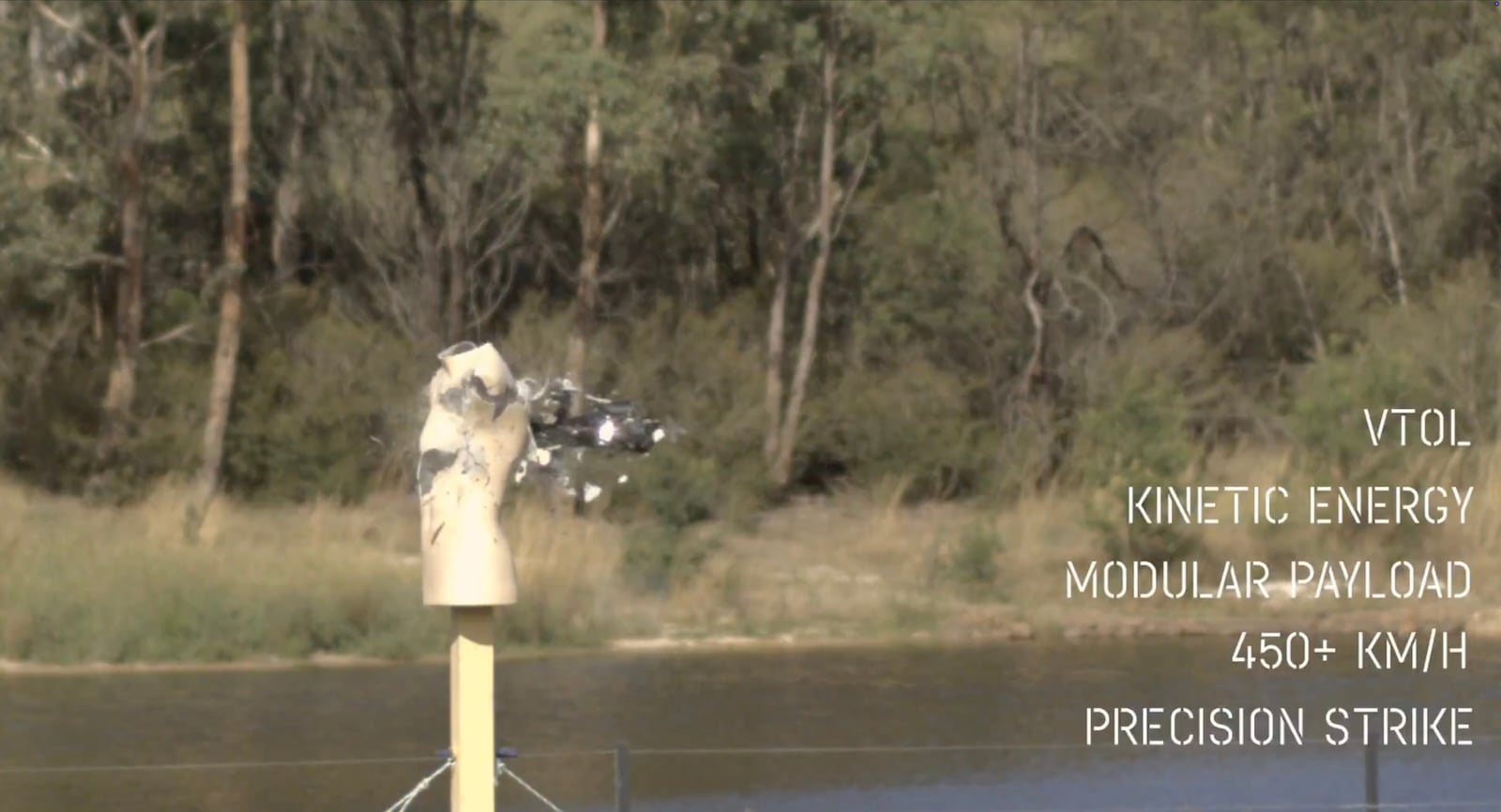
Samuel Cardillo, CEO of ShadowBreak Intl and former CTO of RTFKT Studios (acquired by Nike), is publicly testing a high-speed unmanned aerial vehicle (UAV) he calls the “Flying Sword,” a platform designed to destroy targets through kinetic impact alone, with no explosive payload. Cardillo shared new flight footage on March 19, 2026, via his X account, showing the drone’s distinctive profile and flight characteristics. According to his posts, the system can reach terminal velocities of 450 km/h and is currently restricted to authorized government and defense partners.
The project is entering a public testing and solicitation phase at a moment when the broader defense industry is converging on the same idea. Just days ago, at BEDEX 2026 in Brussels, Thales demonstrated a kinetic interceptor drone developed with MARSS Defense Labs that uses a titanium-reinforced nose and tops out at 360 km/h, built to ram Shahed-class loitering munitions without carrying explosives. The concept of a drone as a guided projectile is no longer fringe.
The Flying Sword Uses Kinetic Force Instead of Explosives
The platform Cardillo describes operates on a straightforward principle: the drone itself is the weapon. Rather than carrying a warhead, it achieves what Cardillo calls a “kinetic kill”: neutralizing a target through the force of high-speed impact. This approach mirrors what defense firms like MARSS have been developing for counter-UAV applications, but applied here as an offensive strike platform.
Current battery endurance sits at four minutes. Cardillo has stated the team is working to extend that to between 8 and 15 minutes. The guidance options span manual piloting, AI-driven autonomous targeting, and fiber-optic control. The fiber-optic configuration is significant: it eliminates the radio-frequency vulnerability that makes conventional drones susceptible to electronic jamming. We have previously covered how fiber-optic FPV drones have reshaped Ukraine’s battlefield, where wired guidance has proven effective against sophisticated Russian electronic warfare.
The team considered a folding-blade design similar to the R9X “Ninja Bomb” variant of the AGM-114 Hellfire missile, which deploys pop-out blades in lieu of an explosive charge. They moved away from that approach due to mechanical complexity, settling on a rigid impact structure instead. Recent flight tests have been conducted in Victoria, Australia, according to Cardillo’s posts.
ShadowBreak Intl Sits at the Intersection of Geospatial Tech and Defense
ShadowBreak Intl describes its core focus as democratizing geospatial intelligence through efficient data acquisition and analysis. The Flying Sword represents a harder-edged extension of that thesis: a platform that can be precisely placed using the same spatial reasoning applied to reconnaissance. Cardillo’s background spans cybersecurity, NFT infrastructure at RTFKT, and earlier work at BlackPhoenix Security Labs, an unusual résumé for a defense drone developer, but not an irrelevant one given the platform’s emphasis on autonomy and electronic warfare resistance.
Cardillo left RTFKT in April 2025 after Nike’s sale of the studio. The drone project appears to have been running in parallel for some time, now surfacing publicly as the defense market for low-cost precision strike platforms has matured into a serious procurement category.
The Kinetic-Only Approach Has Real Trade-Offs
Cardillo has acknowledged community questions about the Flying Sword’s place in a market already crowded with cheap explosive-carrying loitering munitions. His answer is that it occupies a different niche: extreme precision, high-speed interception, and specialized operations where fragmentation damage is undesirable. The Thales/MARSS iNTERCEPTOR at BEDEX 2026 makes exactly this argument for defensive applications: a kinetic hit produces no secondary fragmentation, which matters when defending populated infrastructure.
That logic is harder to sustain on offense. A $400 Ukrainian FPV drone outperforms $100,000 Switchblades in high-intensity combat because it carries an explosive payload that multiplies its kinetic energy on impact. A purely kinetic drone at 450 km/h delivers substantial force, but mass still determines the ceiling. The explosive variant Cardillo says the team is actively developing would remove this limitation, effectively making the Flying Sword a conventional loitering munition with a faster approach profile.
The four-minute battery endurance is the sharper constraint. It limits operational radius significantly. Extending to 15 minutes would bring it closer to the practical window that FPV strike drones operate in on the Ukrainian front, though Ukraine’s $2,500 Sting interceptor demonstrates that speed-focused airframes can still be combat-useful at similar endurance levels when the engagement geometry is right.
DroneXL’s Take
The kinetic-kill drone concept has arrived at the same moment from multiple directions. Thales showed one at BEDEX. MARSS has been refining the iNTERCEPTOR family since 2021. Ukraine strapped a samurai sword to an FPV drone back in early 2024 — a low-tech proof of concept for what Cardillo is now attempting to productize. The convergence is not coincidental. The war in Ukraine has demonstrated conclusively that the next problem after cheap attack drones is cheap counter-drones, and missiles are too expensive to be the answer at scale.
What strikes me about the Flying Sword specifically is the fiber-optic guidance option. That detail matters more than the headline speed figure. A 450 km/h drone that can be jammed is a $400 FPV with better aerodynamics. A fiber-optic guided airframe at that speed, immune to electronic warfare, is genuinely harder to defeat. Cardillo comes from a security background, and this feels like the one specification he got right from the start.
The four-minute endurance is the honest limiting factor here — not a dealbreaker, but the number that will determine whether this stays a demonstration platform or becomes a deployable system. Expect a government partnership announcement within 12 months if battery endurance crosses the 10-minute threshold. The explosive variant will arrive before that announcement.
DroneXL uses automated tools to support research and source retrieval. All reporting and editorial perspectives are by Haye Kesteloo.
Discover more from DroneXL.co
Subscribe to get the latest posts sent to your email.
Check out our Classic Line of T-Shirts, Polos, Hoodies and more in our new store today!

MAKE YOUR VOICE HEARD
Proposed legislation threatens your ability to use drones for fun, work, and safety. The Drone Advocacy Alliance is fighting to ensure your voice is heard in these critical policy discussions.Join us and tell your elected officials to protect your right to fly.

Get your Part 107 Certificate
Pass the Part 107 test and take to the skies with the Pilot Institute. We have helped thousands of people become airplane and commercial drone pilots. Our courses are designed by industry experts to help you pass FAA tests and achieve your dreams.

Copyright © DroneXL.co 2026. All rights reserved. The content, images, and intellectual property on this website are protected by copyright law. Reproduction or distribution of any material without prior written permission from DroneXL.co is strictly prohibited. For permissions and inquiries, please contact us first. DroneXL.co is a proud partner of the Drone Advocacy Alliance. Be sure to check out DroneXL's sister site, EVXL.co, for all the latest news on electric vehicles.
FTC: DroneXL.co is an Amazon Associate and uses affiliate links that can generate income from qualifying purchases. We do not sell, share, rent out, or spam your email.