U.S. Marines and South Korea Just Practiced Shooting Down Suicide Drones
Check out the Best Deals on Amazon for DJI Drones today!
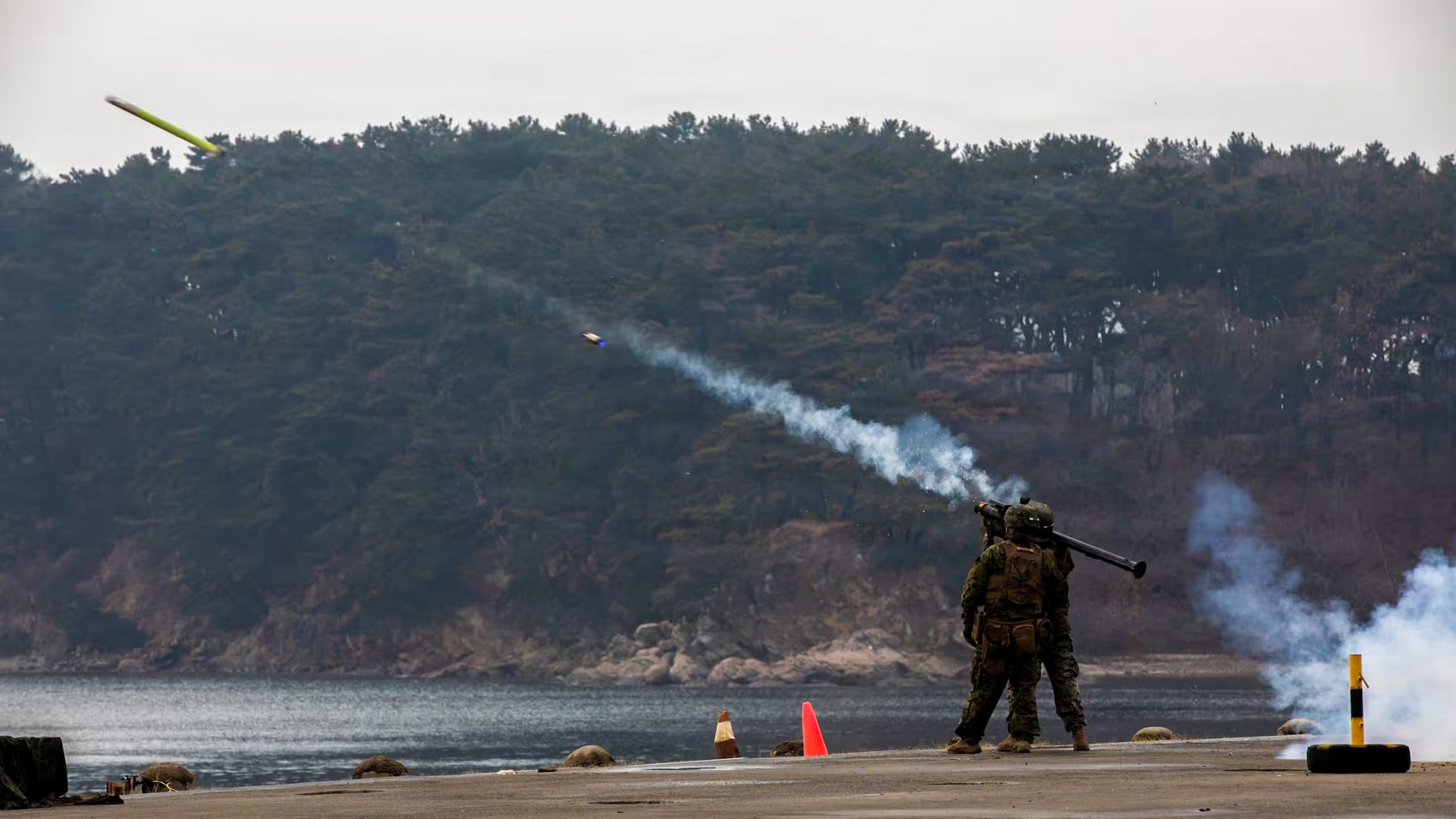
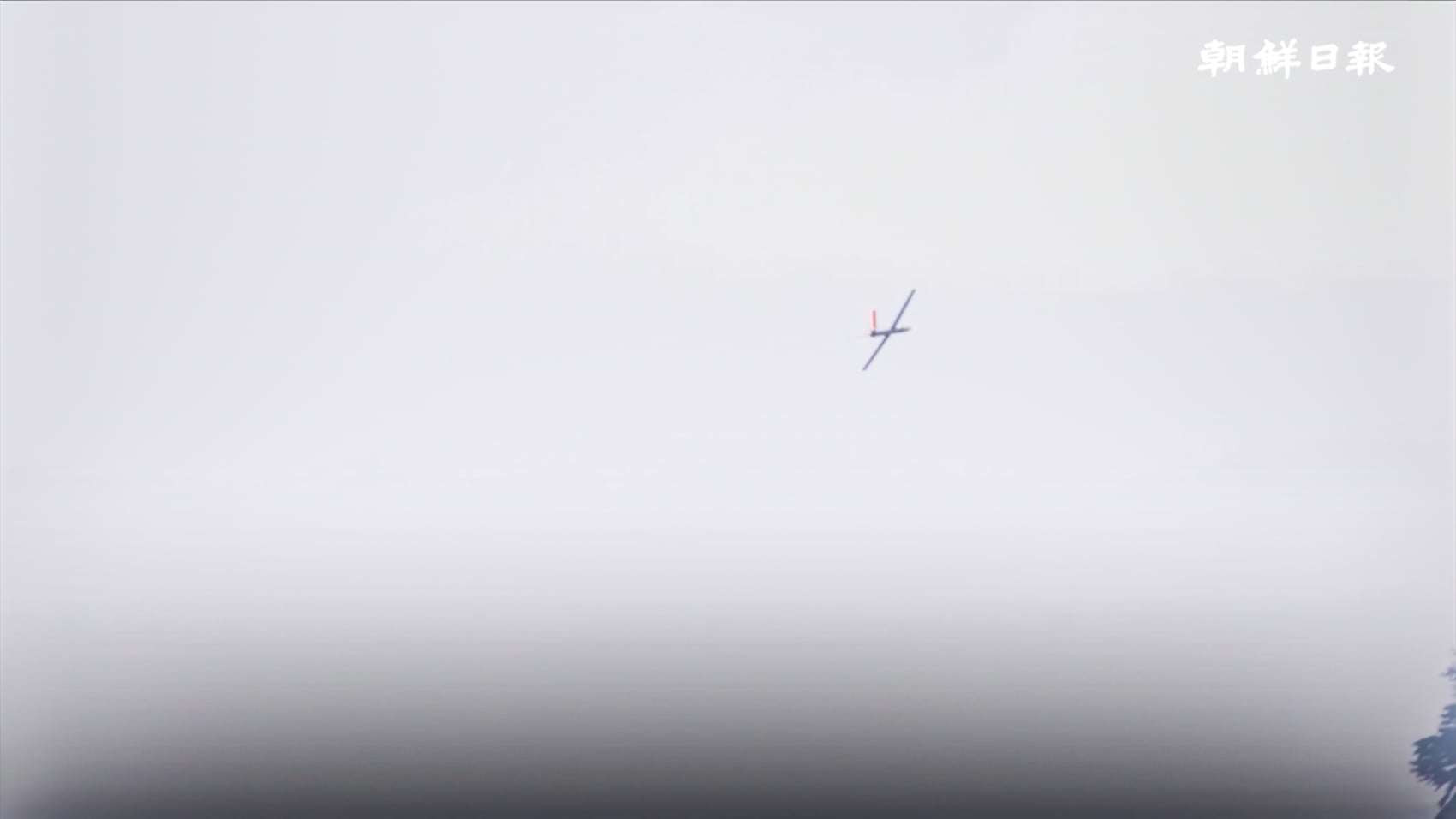
For the first time on public record, American forces have disclosed live-fire drone interception training during a combined exercise with South Korea. U.S. Marine Corps forces deployed from Okinawa, Japan, conducted the training on March 18 at the Daecheon Shooting Range using Stinger portable surface-to-air missiles to shoot down MQM-171A BroadSword target drones configured to simulate medium-sized tactical UAVs and suicide drone infiltration scenarios, as Chosun reported.
The next day, South Korean forces used the same range to fire KP-SAM Shin-Gung missiles from their Biho-Composite air defense system against their own unmanned targets.
The training is part of Freedom Shield, the annual South Korea – United States joint exercise, which concluded March 19. USFK Commander General Xavier Brunson closed the exercise with a statement that left no room for ambiguity: there is no substitute for training, and no excuse for a lack of preparedness.
The BroadSword and What It’s Simulating
The MQM-171A BroadSword is a fixed-wing aerial target drone built by Griffon Aerospace of Madison, Alabama, under contract with the U.S. Army Targets Management Office. Its first production rollout was in April 2010.
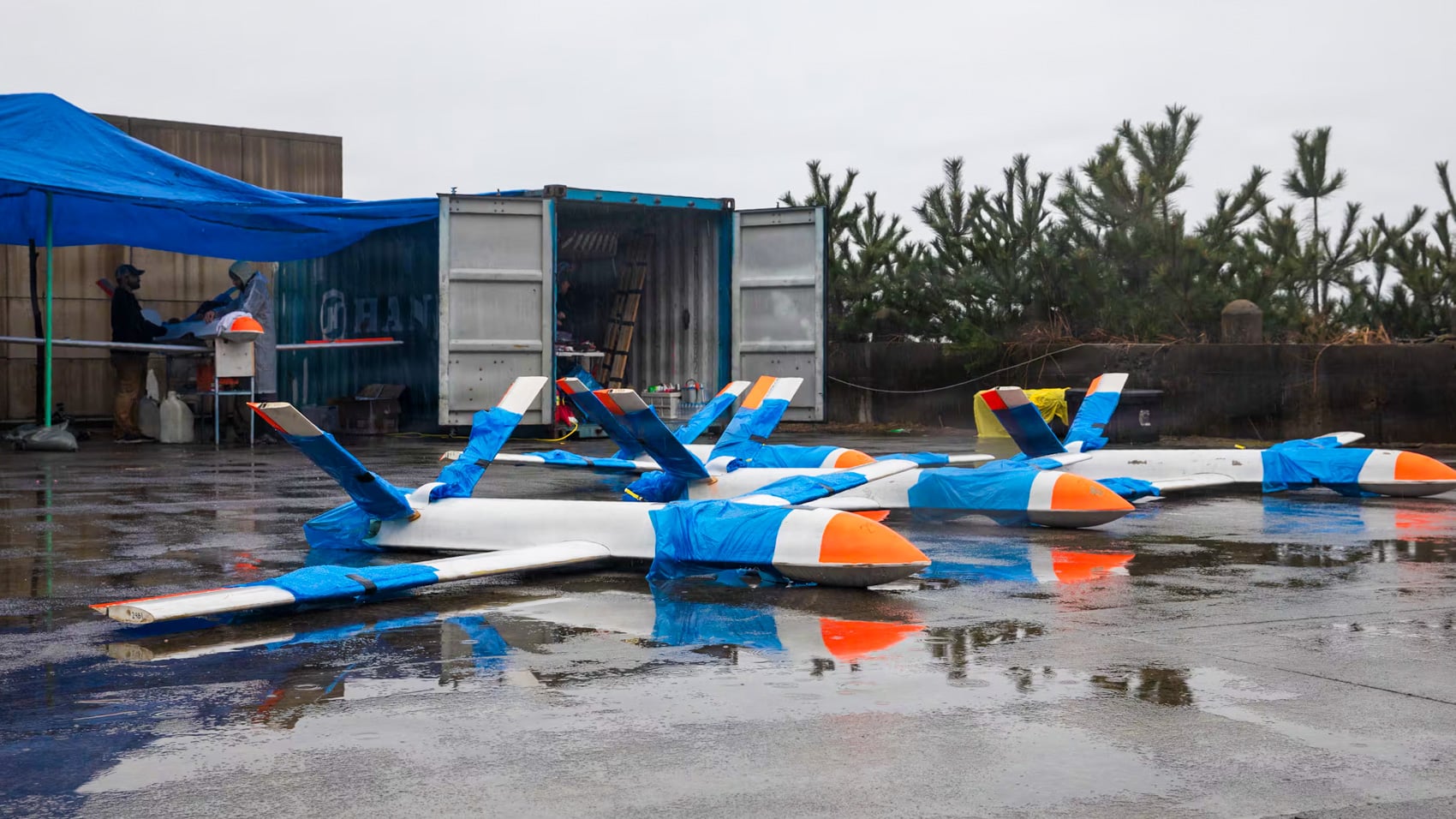
Photo credit: Eighth U.S. Army, ROK Army
It weighs between 400 and 500 lbs, has a 17-foot wingspan, launches from a large pneumatic catapult system, and recovers via skid landing with an optional landing gear for sensitive payload configurations. It carries a variety of payloads and is designed specifically to represent generic tactical-class unmanned aircraft that could be employed against U.S. and allied forces in the field.
Its use at Daecheon was deliberate. The BroadSword is sized and configured to replicate medium tactical UAVs and one-way attack drone scenarios, which is precisely the threat category that North Korea is actively developing.
Using it as a Stinger target forces air defense crews to engage something that flies, maneuvers, and presents a radar and infrared signature comparable to the actual threat rather than a simplified training surrogate.
According to DVIDS footage, U.S. forces were observed preparing and launching the BroadSword and firing Stinger missiles in sequence.
Military experts quoted in the original Korean reporting confirmed this marks the first time the U.S. military has publicly disclosed interception training with the MQM-171A through official channels. The disclosure was not accidental. It was a message.
The South Korean Side: Biho-Composite and Shin-Gung
South Korean forces conducted parallel training the following day at the same range, firing the KP-SAM Shin-Gung from the Biho-Composite system. The Biho, which translates as “Flying Tiger,” is South Korea’s primary tracked self-propelled short-range air defense platform built by Hanwha.
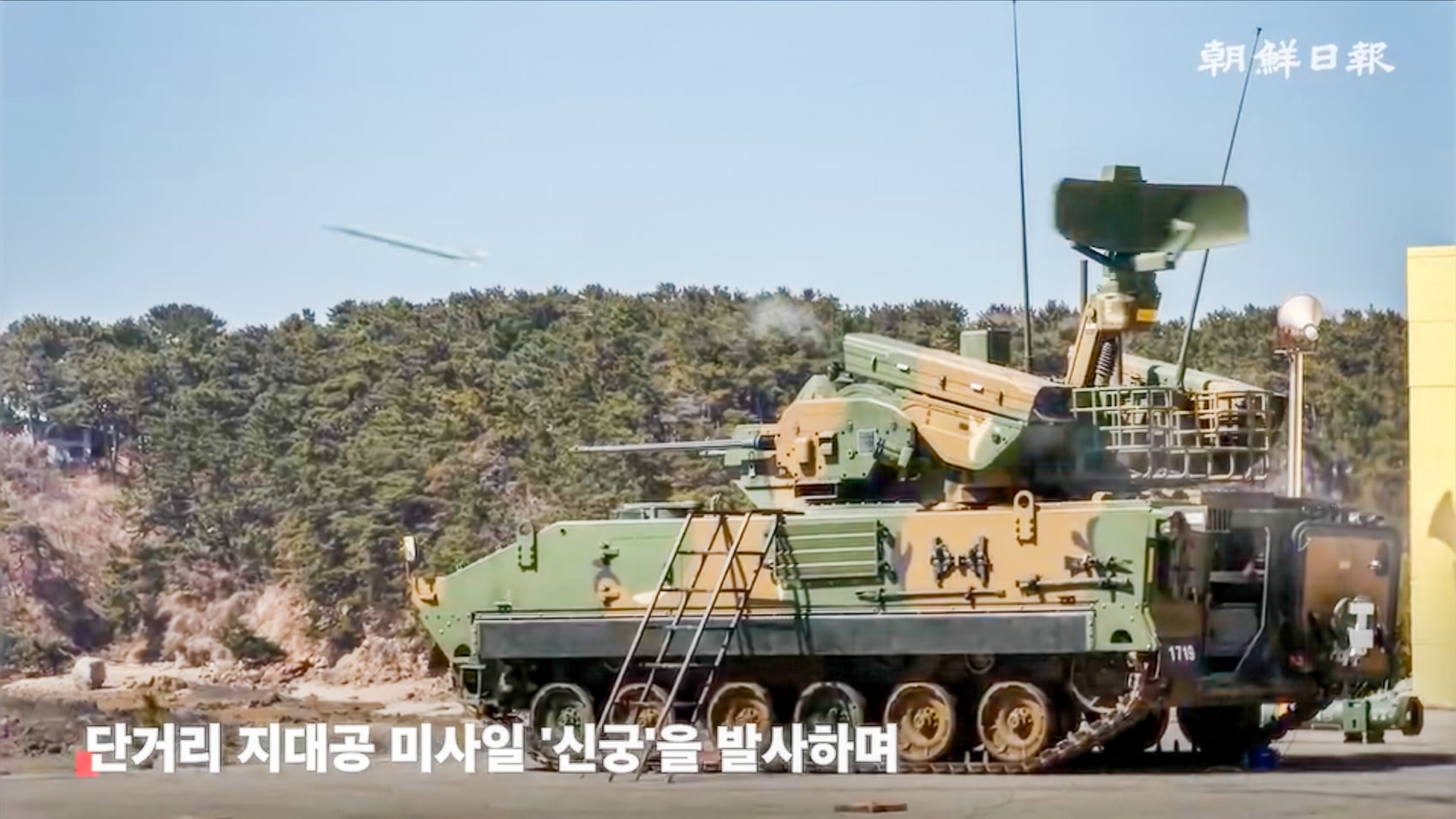
Photo credit: Eighth U.S. Army, ROK Army
The baseline K30 Biho carries twin 30mm autocannons with a 1.9-mile effective range and a cyclic rate of 600 rounds per minute per gun. The composite variant, integrated from 2013 onward and in full-rate production by 2015, adds four KP-SAM Shin-Gung missile launchers, two on each side of the turret, extending the system’s kill range from 1.9 miles out to approximately 3.1 miles.
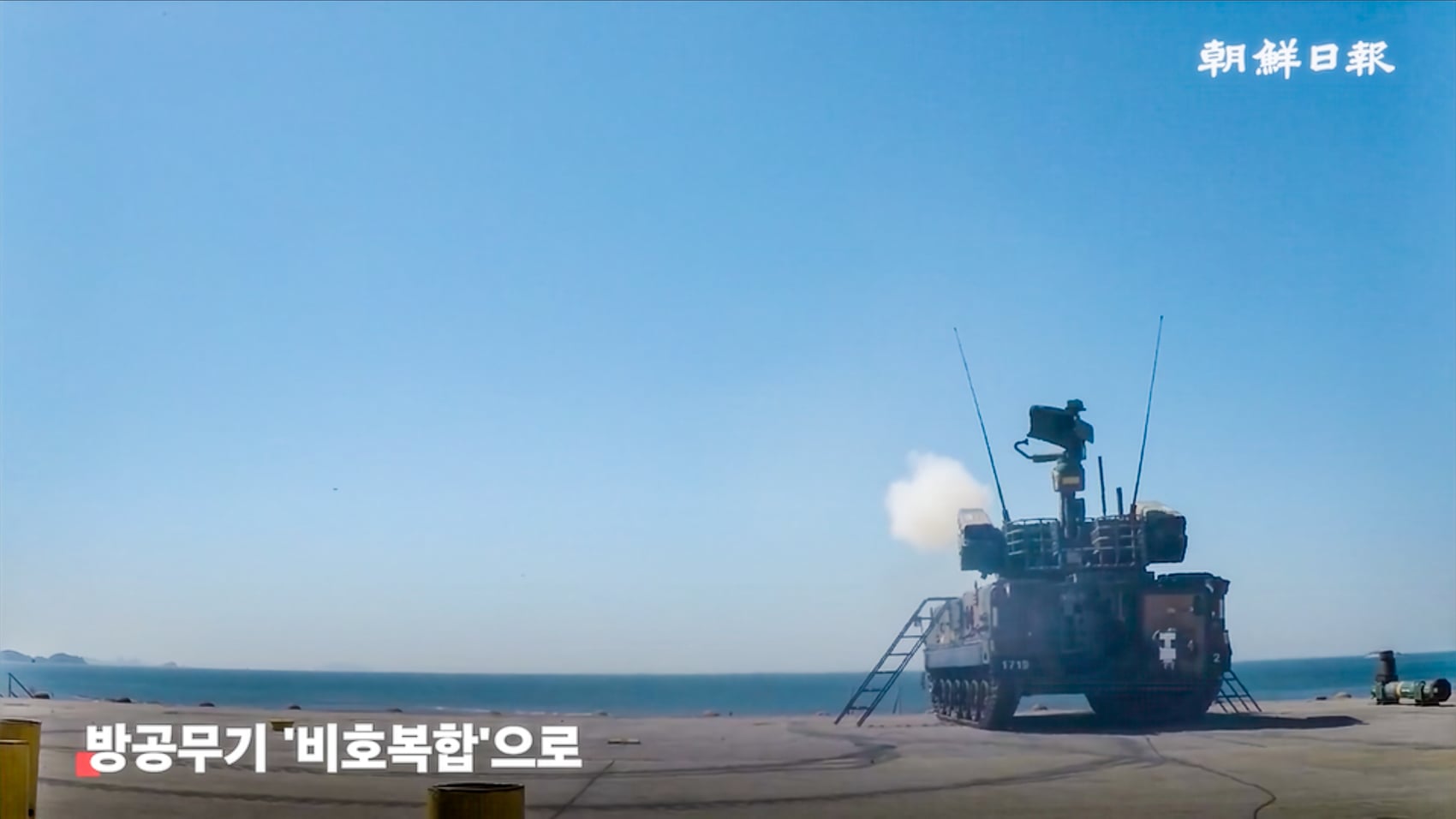
The Shin-Gung missile, manufactured by LIG Nex1 and marketed internationally as the Chiron, weighs approximately 22 lbs and features a two-color infrared seeker, full night and adverse weather capability, and an integral IFF system.
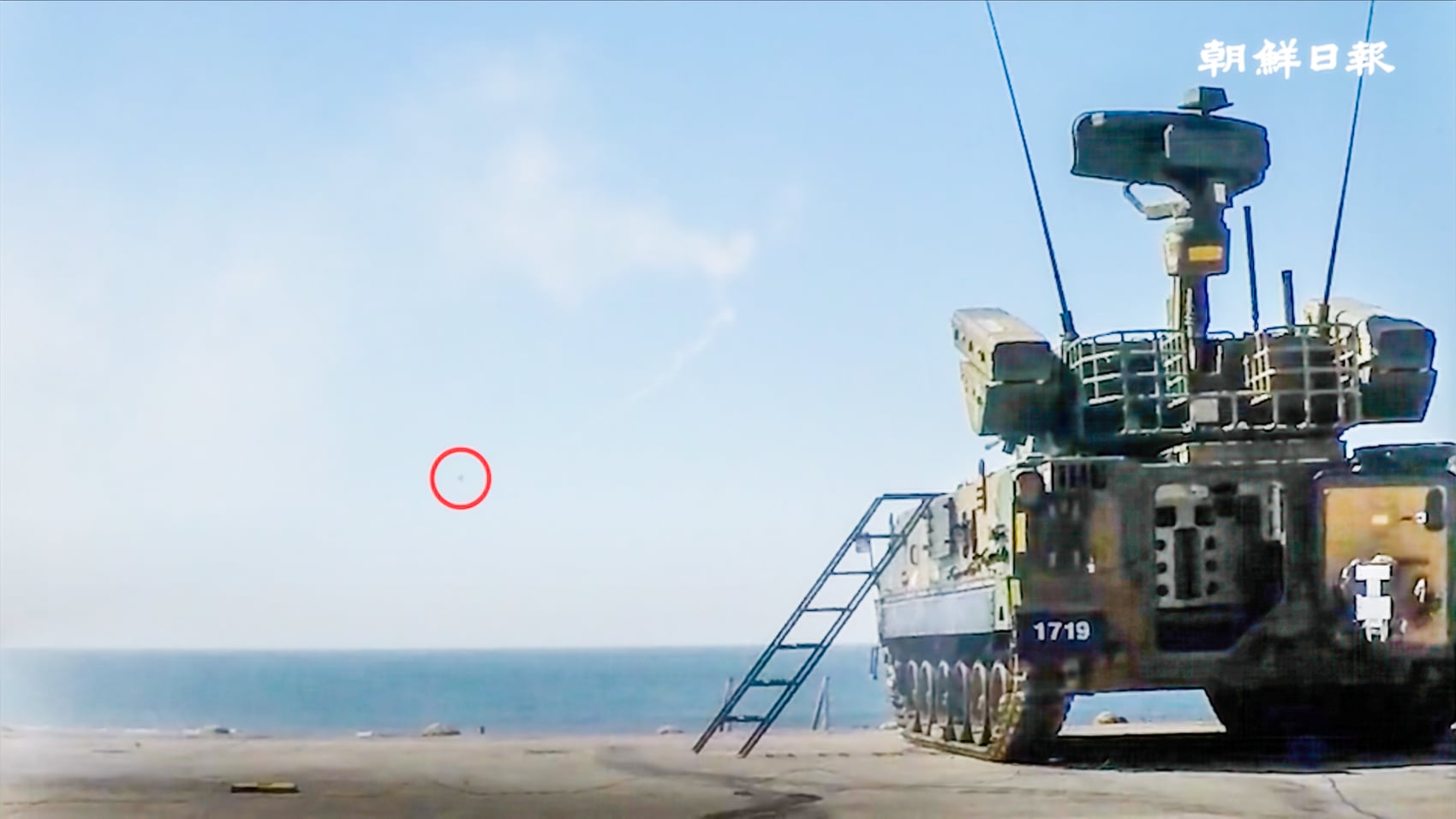
It targets low-altitude aerial threats including fixed-wing aircraft, helicopters, and drones. The Biho-Composite system’s TPS-830K X-band radar can detect targets out to approximately 10.6 miles, giving the crew early warning well beyond the missile’s engagement envelope.
The combination of gun and missile on a single tracked platform is specifically designed for Korean Peninsula terrain and North Korean threat doctrine, where saturation attacks at low altitude against forward-deployed ground forces represent the primary air defense problem.
The North Korea Threat That’s Driving This
The training at Daecheon wasn’t scheduled because everything is fine. It was scheduled because the threat picture on the Korean Peninsula has shifted meaningfully in the last two years and everyone involved knows it.
North Korea’s December 2022 drone incursion sent five unarmed UAVs into South Korean airspace, one of which reached the outskirts of Seoul. South Korean air defenses failed to shoot down any of them.
A KA-1 light attack aircraft was lost during the response operation. That incident exposed a gap in South Korea’s drone detection and intercept capability that the subsequent years of defense investment have only partially closed.
Since then, the picture has gotten considerably more complicated. Ukrainian defense intelligence chief Kyrylo Budanov confirmed in June 2025 that Russia and North Korea had reached agreements to establish Shahed-type drone production capability on North Korean territory, a technology transfer that gives Pyongyang a domestic loitering munition production base with Russian technical support.
The same North Korean troops serving in Russia alongside Russian forces in Ukraine are gaining firsthand experience with drone warfare as both operators and targets. They’re returning home with knowledge that didn’t exist in the Korean People’s Army’s institutional memory before 2022.
Shin Jong-woo, Secretary-General of the Korea National Security Forum, was direct in his assessment of the Daecheon training: the unusual public disclosure of Stinger interception training against the MQM-171A appears to be specifically responding to North Korea’s developing drone capabilities. The training isn’t secret. The public disclosure of it is the point.
What the Marine Corps Deployment Signals
The Marines who fired Stingers at Daecheon are normally stationed in Okinawa, Japan. Their presence at a Korean Peninsula live-fire exercise during Freedom Shield carries a specific message embedded in the logistics of the deployment itself: U.S. air defense forces can be rapidly moved from Okinawa to the Korean Peninsula to augment South Korean defenses against aerial drone threats.
That message matters because it addresses a specific concern circulating within and outside the Korean military: that some U.S. Forces Korea air defense assets may have been redeployed to the Middle East amid the ongoing crisis in the Strait of Hormuz region, creating a temporary capability gap on the peninsula.
Whether that gap exists and whether it has been addressed are questions the Department of War hasn’t answered publicly. What was answered publicly, at the Daecheon Shooting Range on March 18, is that portable Stinger-equipped Marine Corps units can arrive from Okinawa and put BroadSword-class targets on the ground on short notice. The demonstration was operational, not ceremonial.
DroneXL’s Take
Here’s what I find genuinely significant: the United States just told North Korea, on camera, through official channels, that it has practiced shooting down suicide drones at a Korean range with deployed Marine forces and that it intends to keep doing so.
That’s not a subtle message. The BroadSword is sized and configured to represent exactly what the KPA is building. The Stinger is the man-portable answer to low-altitude drone saturation that doesn’t require a radar network or a fixed installation to deploy.
Putting those two things together at Daecheon, with DVIDS footage going out on official U.S. military channels, is deterrence communication in the most direct form available short of an actual conflict.
The Shahed transfer is the detail that gives this training its urgency. If North Korea achieves domestic loitering munition production at scale, the cost-per-attack equation on the peninsula shifts dramatically. South Korea struggled to intercept five unarmed propaganda drones in 2022.
A coordinated saturation attack by hundreds of Shahed-equivalents against Korean air bases, command facilities, and radar installations at the opening of a conflict is the scenario planners in Seoul and Washington are now running against.
The Biho-Composite is a capable system. The Stinger is a proven one. Neither was designed for that volume of simultaneous engagements. Freedom Shield 2026 is the acknowledgment, in live ammunition, that the training needs to keep pace with the threat.
Photo credit: Eighth U.S. Army, ROK Army
Discover more from DroneXL.co
Subscribe to get the latest posts sent to your email.
Check out our Classic Line of T-Shirts, Polos, Hoodies and more in our new store today!

MAKE YOUR VOICE HEARD
Proposed legislation threatens your ability to use drones for fun, work, and safety. The Drone Advocacy Alliance is fighting to ensure your voice is heard in these critical policy discussions.Join us and tell your elected officials to protect your right to fly.

Get your Part 107 Certificate
Pass the Part 107 test and take to the skies with the Pilot Institute. We have helped thousands of people become airplane and commercial drone pilots. Our courses are designed by industry experts to help you pass FAA tests and achieve your dreams.

Copyright © DroneXL.co 2026. All rights reserved. The content, images, and intellectual property on this website are protected by copyright law. Reproduction or distribution of any material without prior written permission from DroneXL.co is strictly prohibited. For permissions and inquiries, please contact us first. DroneXL.co is a proud partner of the Drone Advocacy Alliance. Be sure to check out DroneXL's sister site, EVXL.co, for all the latest news on electric vehicles.
FTC: DroneXL.co is an Amazon Associate and uses affiliate links that can generate income from qualifying purchases. We do not sell, share, rent out, or spam your email.