NATO and Ukraine Open UNITE-Brave Portal, Putting €10 Million in Counter-Drone Contracts Within Reach of Allied Companies
Check out the Best Deals on Amazon for DJI Drones today!
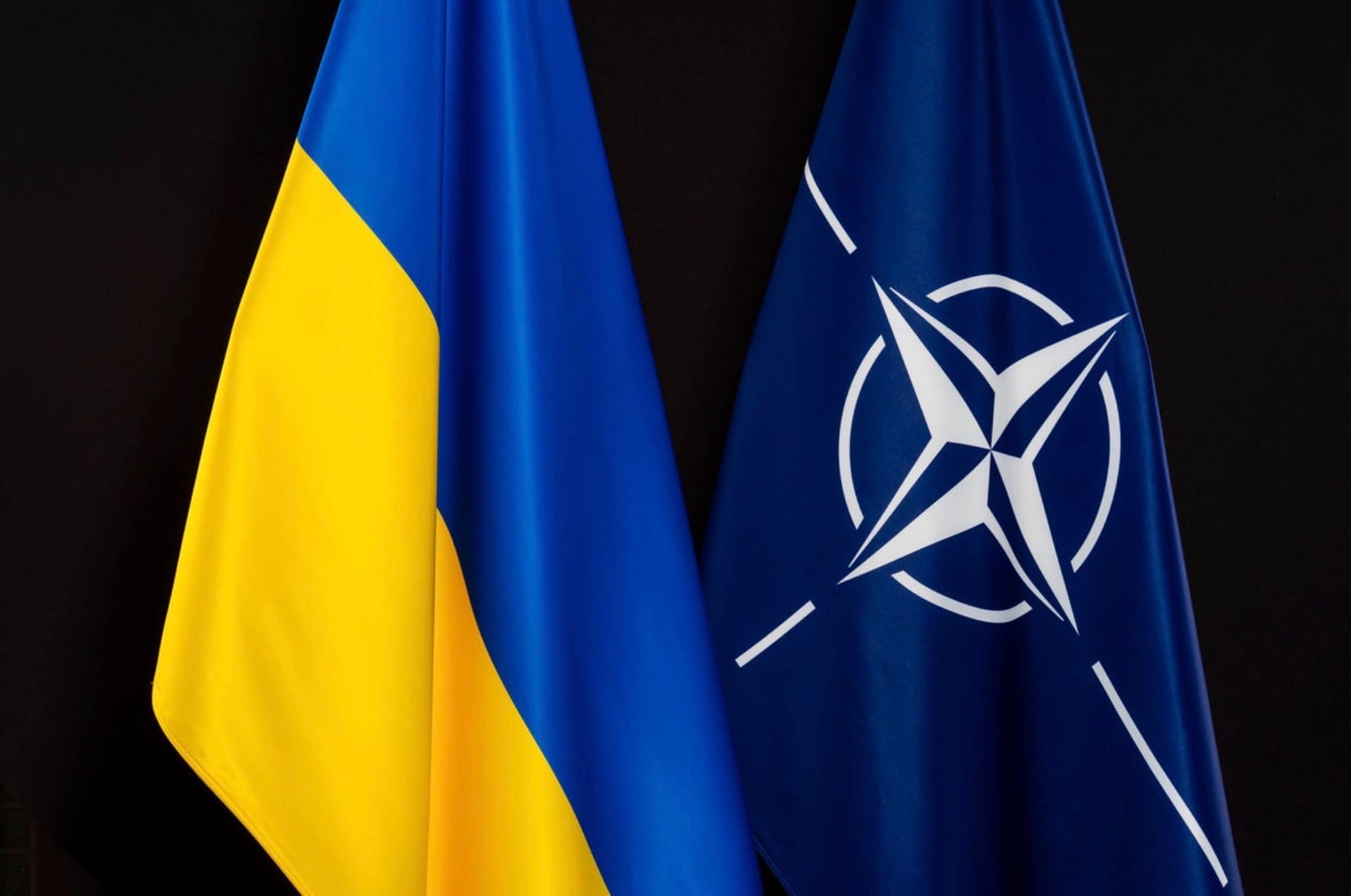
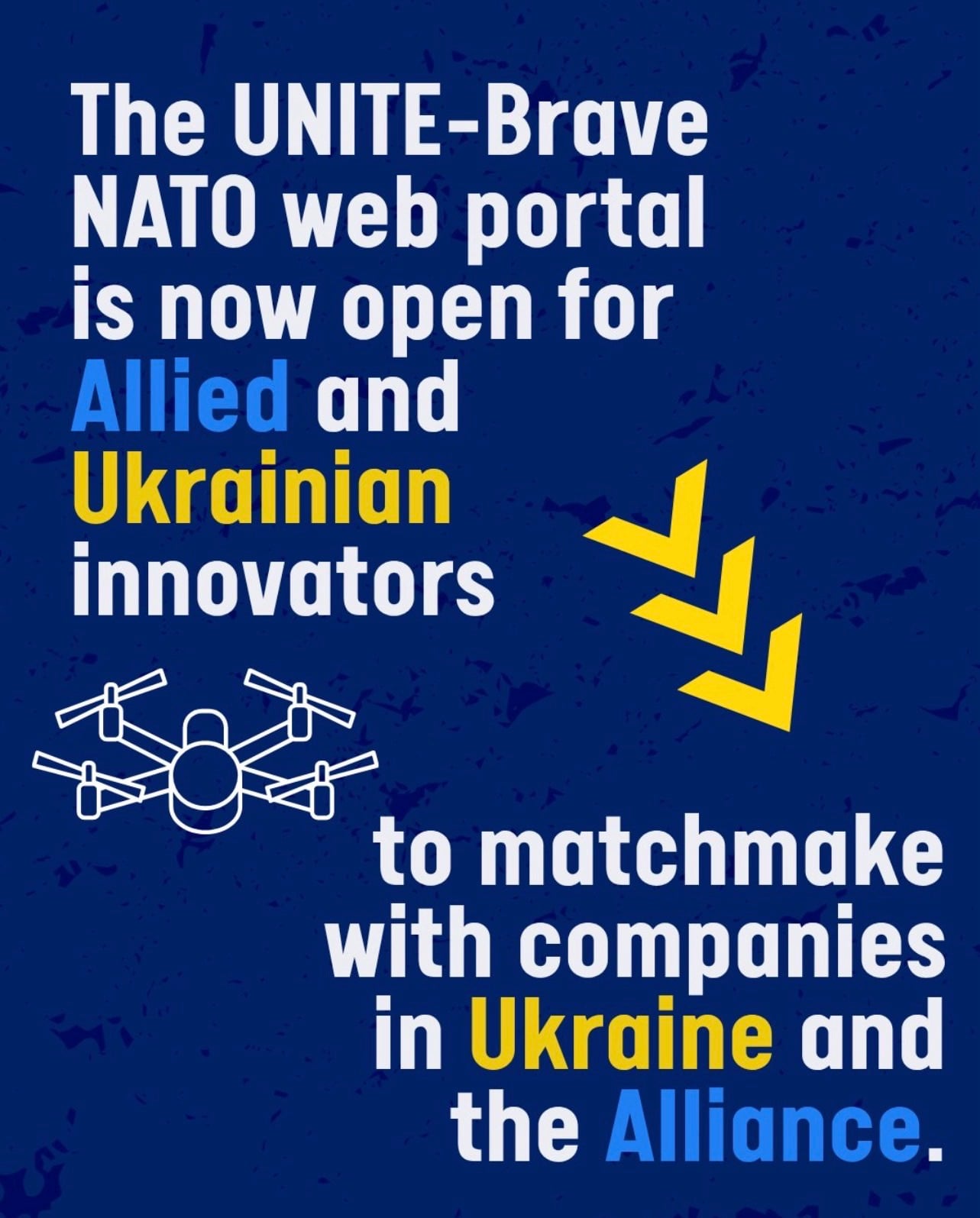
NATO and Ukraine opened the UNITE-Brave NATO web portal on March 25, 2026, giving Allied and Ukrainian companies their first direct access to a matchmaking system tied to a €10 million joint innovation competition.
The portal, hosted on Brave1’s website, lists open challenges in Counter Unmanned Aerial Systems (C-UAS) and air defense — the two areas where Ukraine’s three years of daily combat have produced the most battlefield-tested knowledge. NATO announced the activation alongside confirmation that the competition window opens in spring, with contract awards to be issued by the NATO Communications and Information Agency (NCIA).
The program was first announced in November 2025. What went live this week is the mechanism that turns the announcement into a transaction: companies can now register, find partners, and prepare joint proposals. Allied companies need to contact their national NATO delegations to confirm contract eligibility before applying.
How the €10 Million Gets Split
NATO and Ukraine each contribute €5 million, for a combined pool of €10 million in contract awards. NATO’s half flows through its Comprehensive Assistance Package for Ukraine (CAP) and is restricted to non-lethal technologies. Ukraine’s Ministry of Digital Transformation funds the Ukrainian side through Brave1’s grant program. The maximum award per joint application is €1 million, split as up to €500,000 from each side. Only joint bids qualify — solo submissions from either Allied or Ukrainian companies are not accepted.
That structure is deliberate. The point is not to hand NATO companies a development contract they could win alone. It is to force the pairing that transfers Ukrainian battlefield knowledge into Allied products — and Allied manufacturing scale into Ukrainian supply chains. Proposals will be evaluated jointly by NATO and Ukraine, and NCIA issues the contracts in line with the NATO Procurement Opportunity page. NCIA set a contract award target of May 29, 2026 in a pre-solicitation notice published in December — a timeline that was already tight before the portal launched three months later.
Brave1 as the Ukrainian Side of the Equation
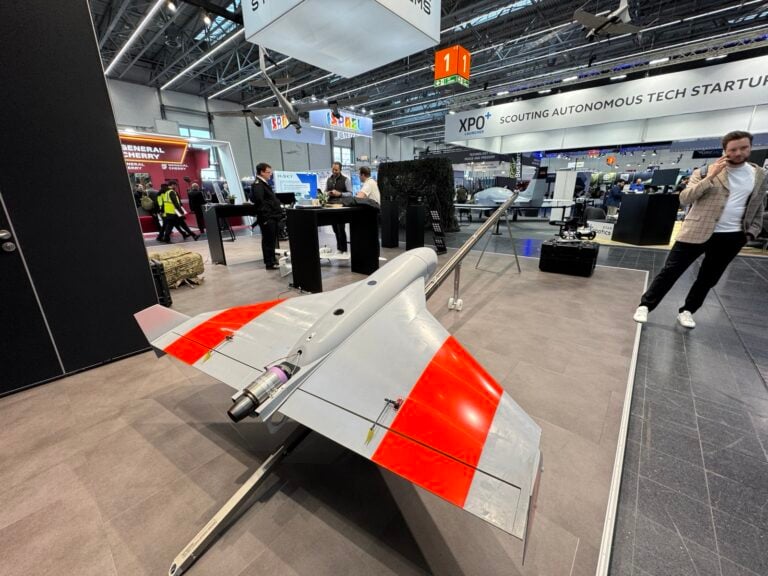
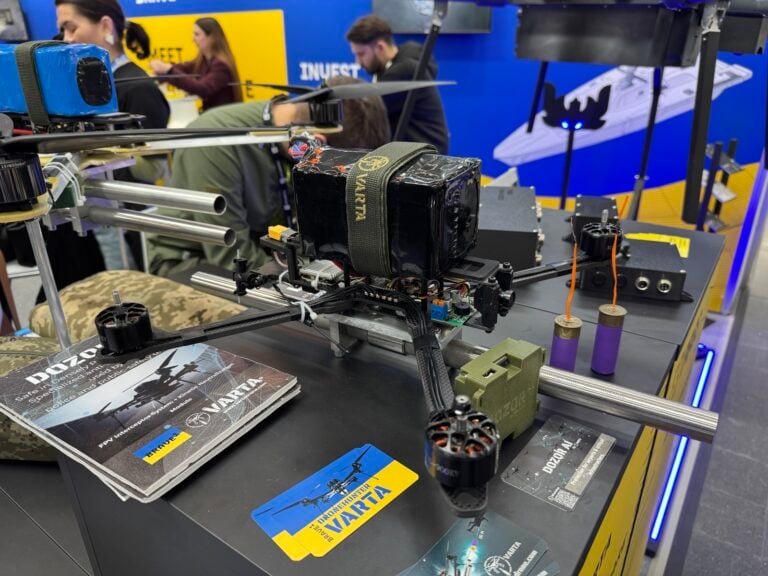
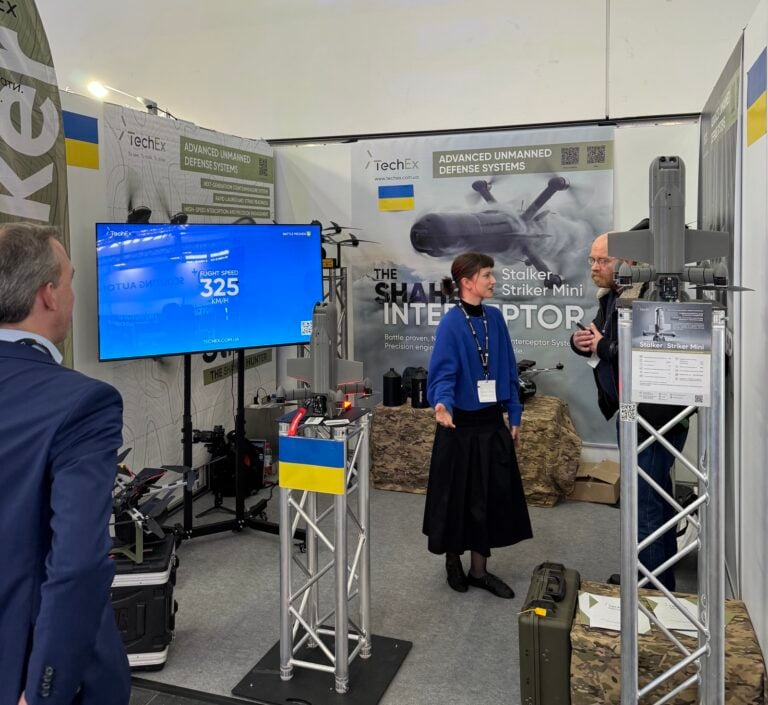
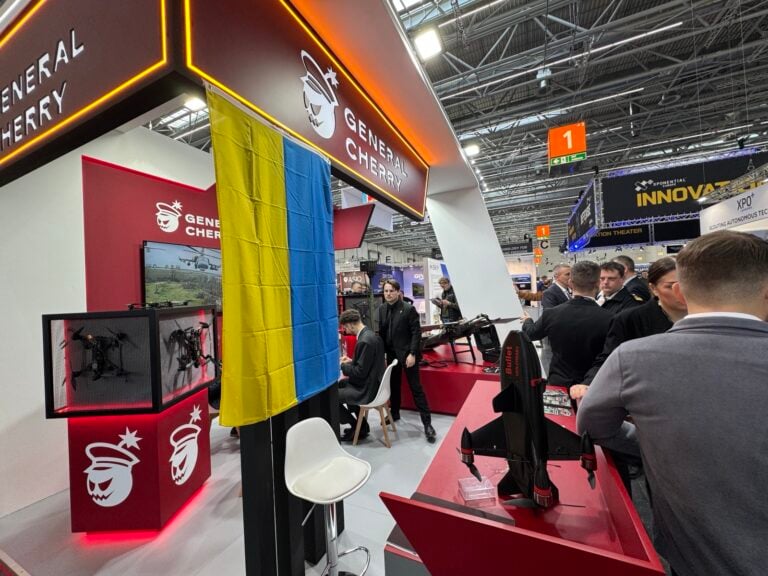
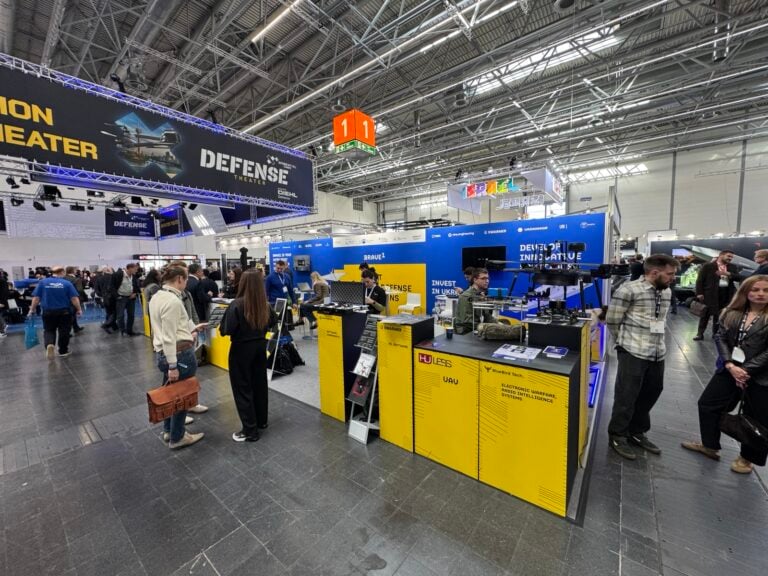
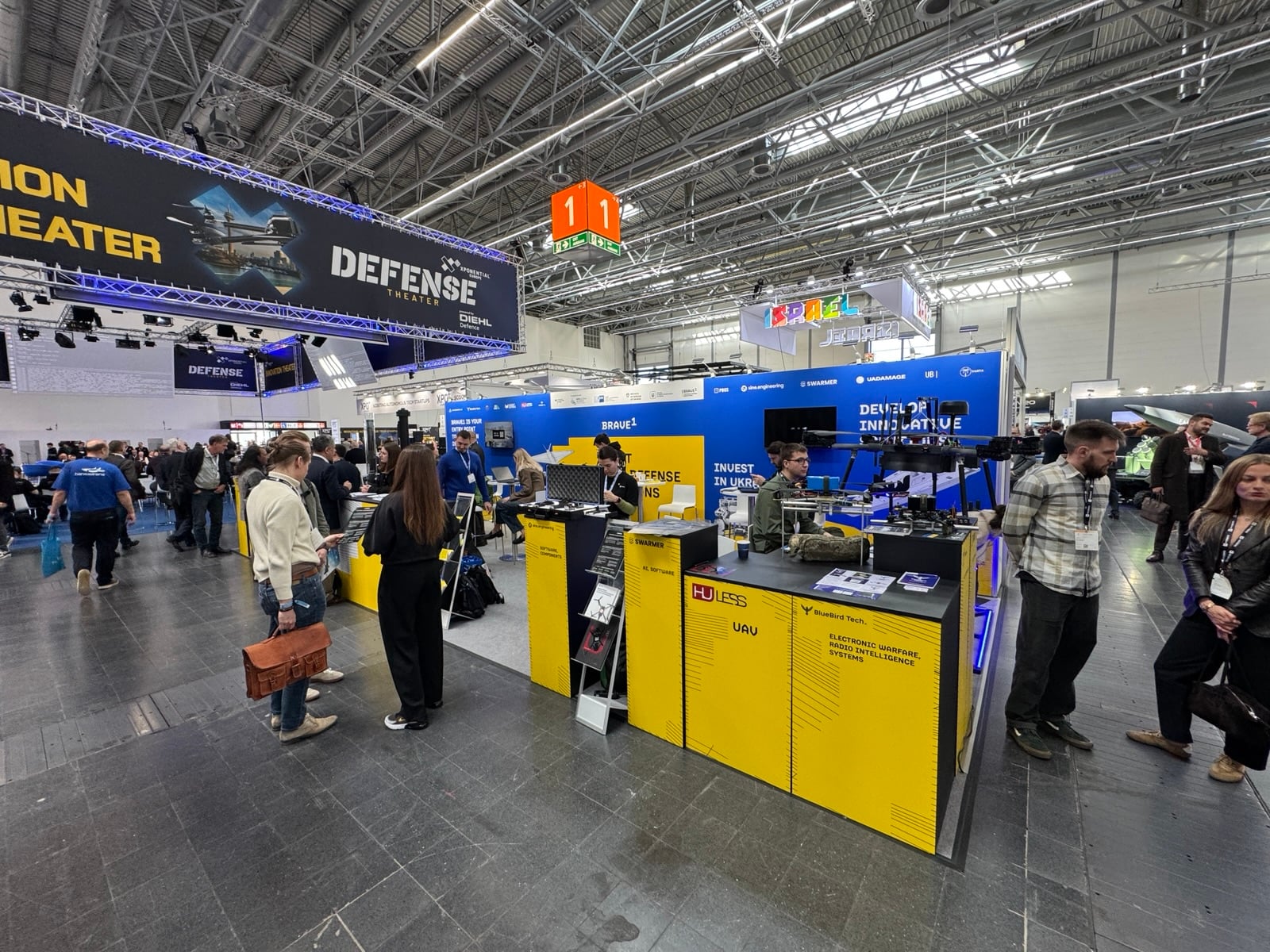
Brave1 is Ukraine’s government-run defense tech accelerator, built to cut through military procurement bureaucracy and get battlefield-tested systems to frontline units fast. I was at XPONENTIAL Europe 2026 in Düsseldorf just two days ago, and the Brave1 pavilion had a line. Nine Ukrainian companies occupied their stand, showing hardware already tested against a peer adversary — interceptor drones, electronic warfare systems, AI targeting software, swarm coordination. The gap between an expo booth and an actual export contract is real, but this portal is the mechanism that closes it.
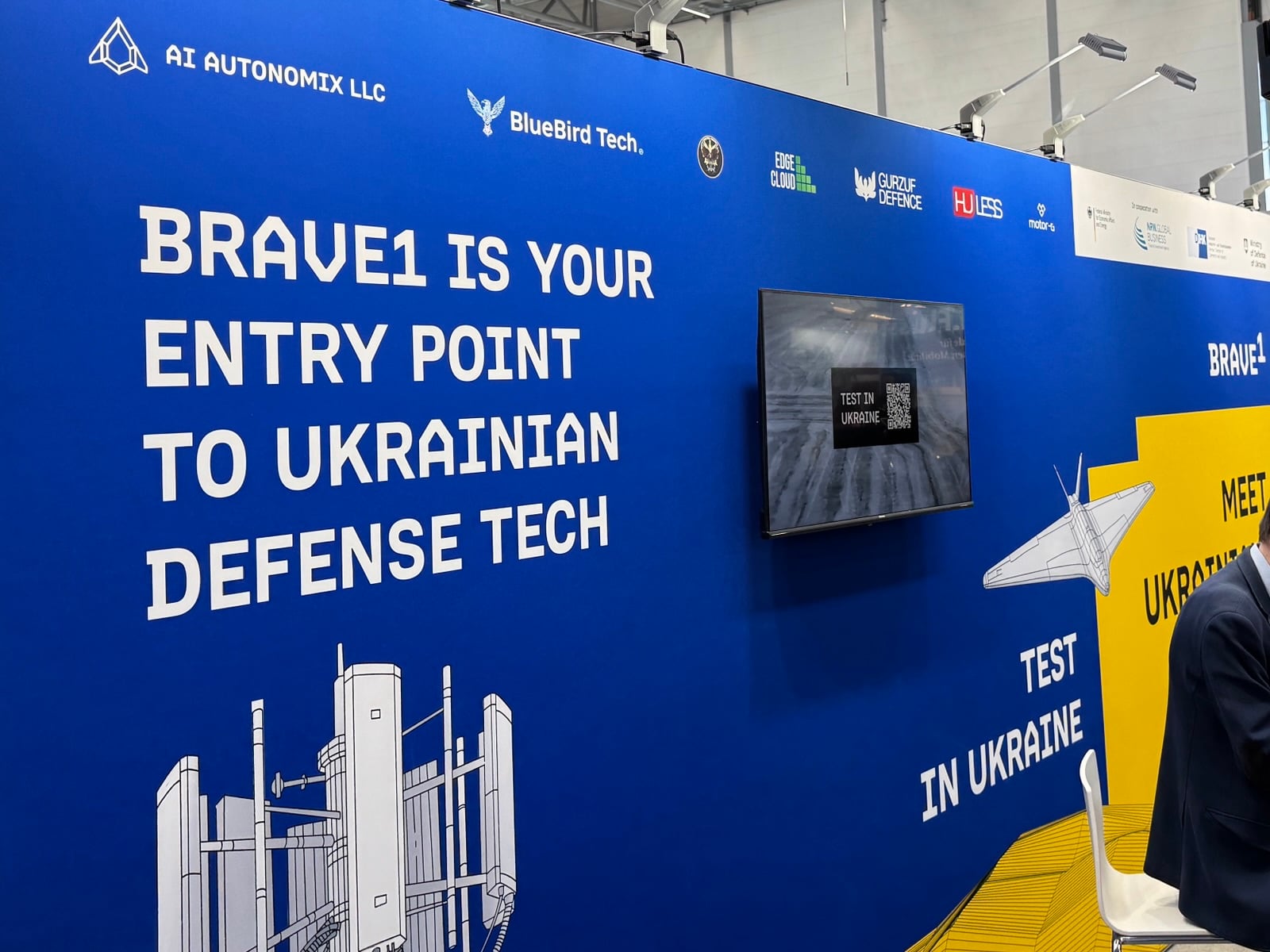
For UNITE-Brave NATO, Brave1 coordinates the Ukrainian side: connecting Ukrainian companies to the matchmaking portal, vetting proposals, and managing grant disbursement for Ukrainian participants. The platform will also test joint solutions through its Test in Ukraine infrastructure, with additional testing opportunities at NATO sites.
C-UAS Is the Focus Because Ukraine Owns the Problem
The competition targets counter-drone and air defense challenges specifically because those are the areas where Ukraine’s combat experience is both deepest and most urgent for NATO. Last February, we reported on the Hedgehog 2025 exercise in Estonia, where roughly 10 Ukrainian drone operators effectively eliminated two NATO battalions in half a day. The conclusion from Allied officers watching was blunt: NATO does not yet know how to fight in a drone-saturated environment, and Ukraine does. Danish Prime Minister Mette Frederiksen said it plainly at the Copenhagen summit: “The only expert right now in the world when it comes to anti-drone capacities is Ukraine.”
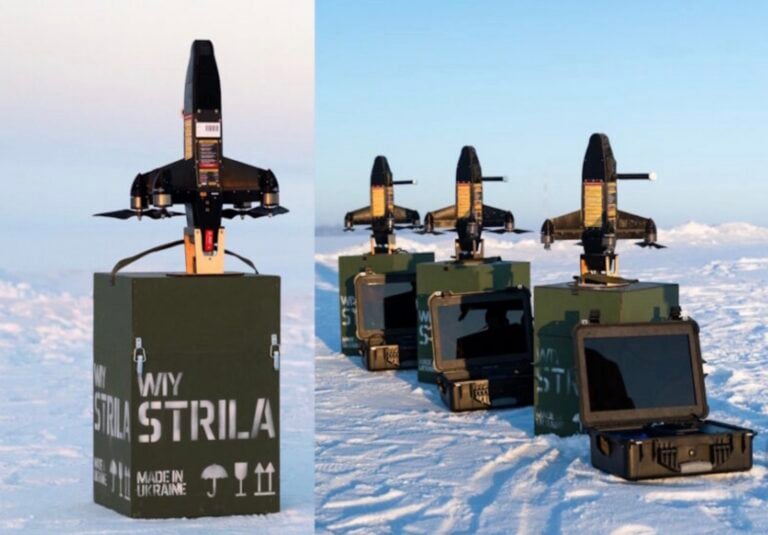
That gap is what UNITE-Brave NATO is trying to close through procurement rather than training exercises. Ukraine’s low-cost interceptor drones — systems that down Russian Shaheds for a fraction of what a Patriot interceptor costs — are exactly the kind of technology this competition is designed to push into Allied hands faster than standard procurement allows. Germany’s STRILA deal, published today, shows one NATO member already writing checks specifically for Ukrainian-designed counter-drone interceptors. UNITE-Brave NATO is the multilateral version of that same logic.
Vilnius in June, Then a Path to €50 Million
The program will feature at the NATO-Ukraine Defence Innovators Forum on June 1–2, 2026, in Vilnius, Lithuania — where competition results are expected to be showcased. Beyond this first round, NATO and Ukraine have already outlined plans to scale the program to €50 million across future competitions. The stated goal is solving what NATO describes as “today’s hardest military innovation challenges” while building lasting institutional ties between Allied and Ukrainian innovation networks.
This is not a one-time grant program. It is the beginning of a procurement architecture that, if it works, permanently embeds Ukrainian defense tech into NATO supply chains at scale.
DroneXL’s Take
The portal going live this week, while I was walking the Brave1 pavilion floor in Düsseldorf, makes the timing hard to miss. Nine Ukrainian companies were showing C-UAS hardware to NATO procurement officials at the same moment NATO activated the portal that lets those same companies apply for joint contracts. That is not a coincidence — it is a coordinated push to move Ukrainian defense tech from expo floor to contract award before the political window narrows.
The structure of the competition tells you exactly what Brussels is optimizing for. Joint proposals only, maximum €1 million per award, NATO funds restricted to non-lethal tech. They are not trying to build new systems from scratch. They are trying to get battlefield-proven Ukrainian solutions into Allied hands with enough NATO co-development fingerprints on them to survive procurement review. The Hedgehog exercise proved Ukraine’s C-UAS knowledge has hard military value. UNITE-Brave NATO is the bureaucratic mechanism that converts that knowledge into something Allied defense ministries can actually field.
The €50 million ceiling telegraphs ambition, but the real test comes at Vilnius in June. If the spring competition produces clean contract awards close to schedule — and the timeline is already compressed — a second round with a much larger pool follows quickly. The matchmaking portal that opened this week is the same kind of infrastructure that accelerated bilateral deals between NATO members and Ukrainian manufacturers over the past 18 months. Expect the pace of those partnerships to pick up further as companies that connect through the portal move from registration to contract.
DroneXL uses automated tools to support research and source retrieval. All reporting and editorial perspectives are by Haye Kesteloo.
Discover more from DroneXL.co
Subscribe to get the latest posts sent to your email.
Check out our Classic Line of T-Shirts, Polos, Hoodies and more in our new store today!

MAKE YOUR VOICE HEARD
Proposed legislation threatens your ability to use drones for fun, work, and safety. The Drone Advocacy Alliance is fighting to ensure your voice is heard in these critical policy discussions.Join us and tell your elected officials to protect your right to fly.

Get your Part 107 Certificate
Pass the Part 107 test and take to the skies with the Pilot Institute. We have helped thousands of people become airplane and commercial drone pilots. Our courses are designed by industry experts to help you pass FAA tests and achieve your dreams.

Copyright © DroneXL.co 2026. All rights reserved. The content, images, and intellectual property on this website are protected by copyright law. Reproduction or distribution of any material without prior written permission from DroneXL.co is strictly prohibited. For permissions and inquiries, please contact us first. DroneXL.co is a proud partner of the Drone Advocacy Alliance. Be sure to check out DroneXL's sister site, EVXL.co, for all the latest news on electric vehicles.
FTC: DroneXL.co is an Amazon Associate and uses affiliate links that can generate income from qualifying purchases. We do not sell, share, rent out, or spam your email.