Rheinmetall CEO Calls Ukraine’s Drones ‘Lego’ Built by ‘Housewives.’ Zelensky Says That CEO Sounds Promotable.
Check out the Best Deals on Amazon for DJI Drones today!
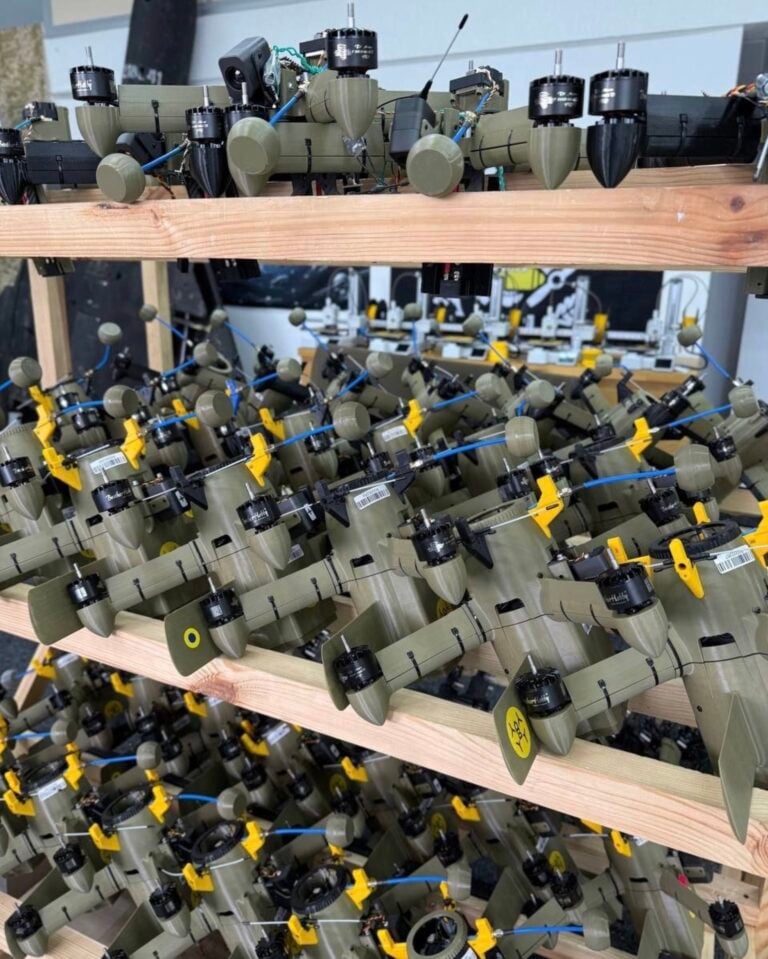
Armin Papperger, Chairman and CEO of Rheinmetall AG, dismissed Ukraine’s drone program as kitchen-table hobbyism in an interview with The Atlantic published Friday, March 28. “They have 3D printers in the kitchen, and they produce parts for drones,” Papperger told the magazine. “This is not innovation.” He compared Ukraine’s drone development to playing “with Lego” and attributed production to “Ukrainian housewives.” By Monday, Ukrainian President Volodymyr Zelenskyy, Prime Minister Yulia Svyrydenko, and a Zelensky adviser had all publicly responded. The hashtag #MadeByHousewives was trending on social media. Rheinmetall’s corporate X account had already issued a damage-control statement. The original AP story by Illia Novikov is available at ABC News / AP.
Zelenskyy’s response landed via WhatsApp voicemail on Monday. “If every Ukrainian housewife can really produce drones, then every Ukrainian housewife could also be the CEO of Rheinmetall,” he told reporters. “I congratulate our defense-industrial complex on being at such a high level.” The remark was not defensive. It was a challenge.
What Papperger Was Actually Talking About
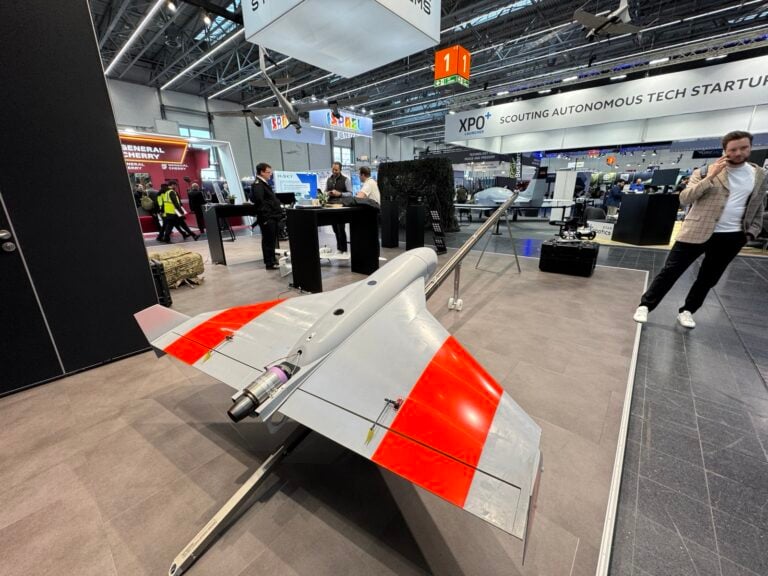
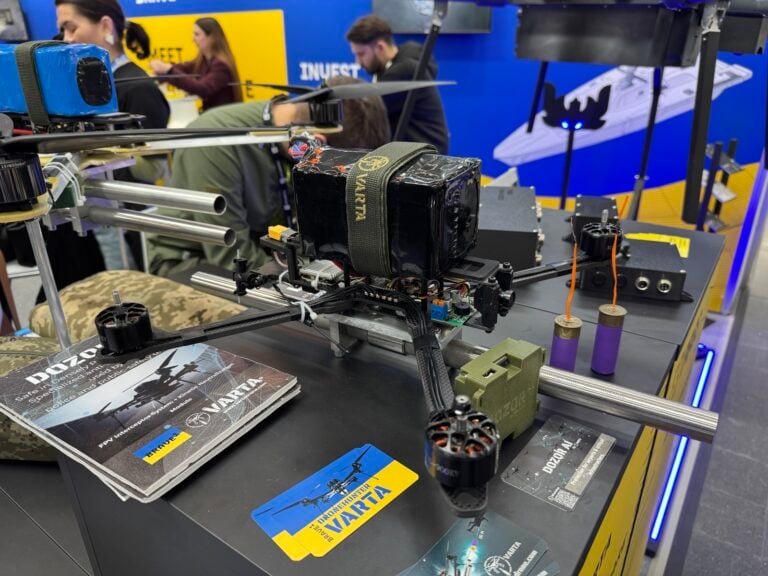
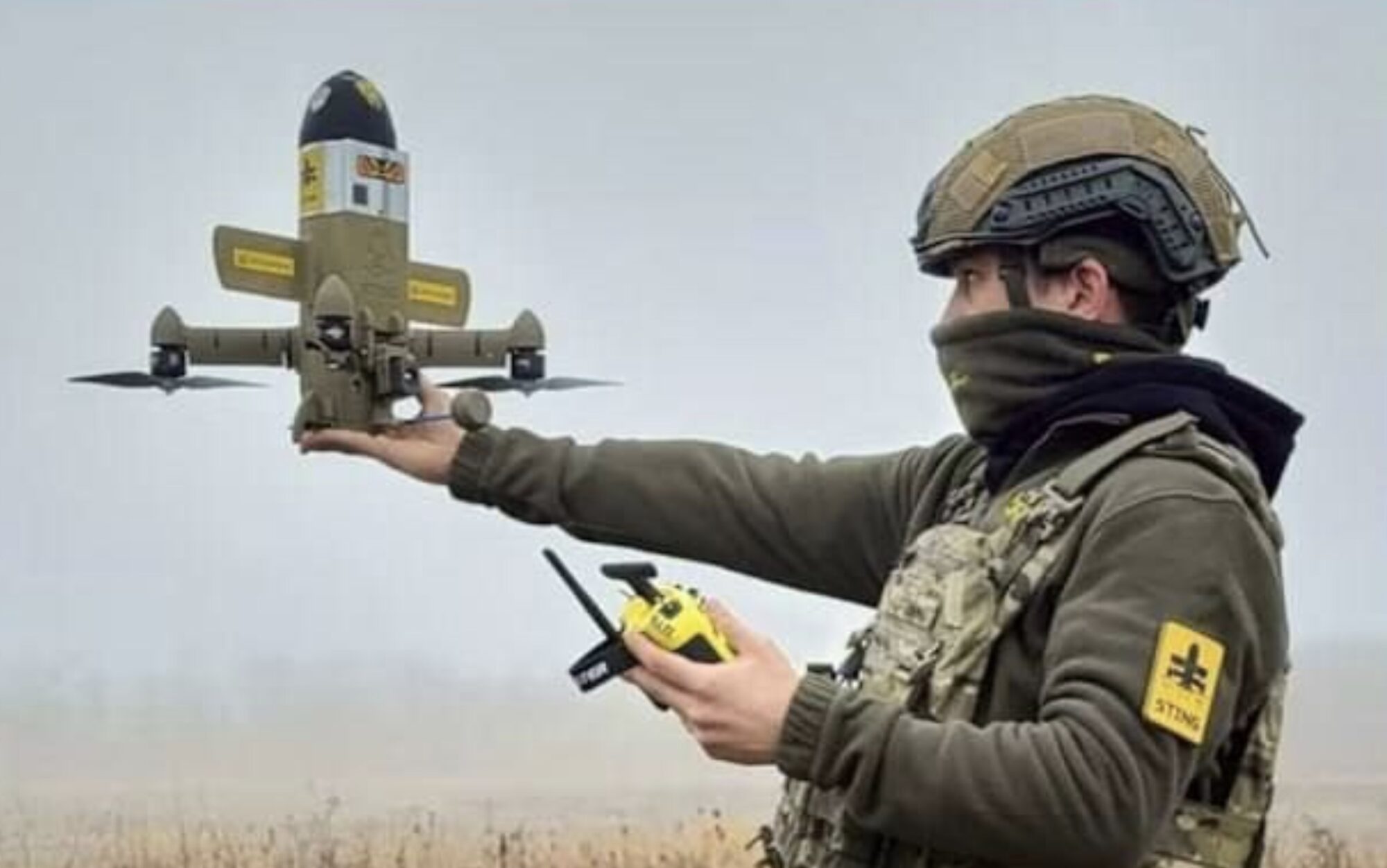
According to Ukrainska Pravda’s reporting on the full interview, Papperger specifically named Fire Point and Skyfall as examples of the Ukrainian drone companies he was dismissing. Those are not garage operations. FirePoint produces roughly 200 long-range strike drones per day across 50-plus distributed manufacturing sites, has run seven generations of navigation software, and builds the FP-1, a one-way attack drone carrying a 105 kg warhead over 1,000 km for approximately $55,000 per unit. Skyfall’s P1-SUN interceptor costs $1,000, reaches 350 km/h, has destroyed more than 1,000 aerial targets including over 700 Shahed-type drones, and the company says it could produce up to 50,000 units monthly. Papperger’s Rheinmetall, for context, posted almost 10 billion euros ($11.5 billion) in sales last year.
Ukraine’s Response Went Beyond Zelenskyy
Prime Minister Svyrydenko posted on X late Sunday. “Ukrainian women are indeed an essential part of Ukraine’s war effort and of Europe’s security,” she wrote. “They have stepped with courage into many areas once seen as male-dominated, bringing energy, discipline, and determination.” She added that Ukrainian women are doing this while raising children and caring for families under wartime conditions.
Zelenskyy adviser Alexander Kamyshin took a different tone. He said he regularly visits military manufacturing plants and sees men and women working side by side. “They are great housewives, yet they have to work hard in the military factories,” he posted on X. “They deserve respect.”
Rheinmetall responded Sunday on its official X account, saying the company has “the utmost respect” for the Ukrainian people fighting Russia and that “every single woman and man in Ukraine is making an immeasurable contribution.” The statement read as corporate crisis management, not a correction of the underlying claim.
The Numbers Papperger Should Know
Rheinmetall supplies ammunition, air defense systems, and combat vehicles to Ukraine and has been one of its consistent European backers. That makes Papperger’s dismissal stranger, not less so. He is watching Ukrainian drone development from the inside of the supply chain.
The battlefield record is not ambiguous. At NATO’s Hedgehog 2025 exercise in Estonia, a team of roughly 10 Ukrainian drone operators acting as the adversary force mock-destroyed 17 armored vehicles and conducted 30 strikes in about half a day — effectively eliminating two NATO battalions. NATO’s own side “didn’t even get our drone teams” operational during the exercise. Estonian defense officials described the results as “horrible.”
In January 2026, Ukraine shot down a record 1,704 Shahed-type drones, with 70 percent of those kills credited to interceptor drones rather than missiles or guns. When Iranian Shaheds threatened U.S. military bases in Jordan in early March, the Pentagon’s request for help went to Kyiv, not to Berlin. Ukraine dispatched a team of drone specialists the following day. Ukraine now produces 4.5 million drone units annually across more than 500 manufacturers.
Four days before Papperger’s Atlantic interview appeared, Germany’s own Embassy in Kyiv announced a multimillion-euro commitment to fund 15,000 Ukrainian-made STRILA interceptor drones for Ukraine’s National Guard, one of the largest foreign commitments to Ukraine’s interceptor program to date. The German government is funding Ukrainian drone manufacturers. The head of Germany’s largest defense company is calling those same manufacturers housewives with kitchen printers.
DroneXL’s Take
I’ve covered Ukraine’s drone program since Russia’s full-scale invasion began in February 2022, and the through-line is consistent: the people writing off Ukrainian innovation are the ones who haven’t been paying attention. Three years ago the standard dismissal was that Ukraine’s drones were just modified DJI consumer units. Then it was that they couldn’t operate without GPS. Then that they couldn’t scale. Now, apparently, it’s that they’re made by housewives. Each dismissal has landed after Ukraine had already moved past the thing being dismissed.
What’s worth noting here is not just the factual error — it’s the source. Papperger is not an outside commentator. Rheinmetall is actively embedded in Ukraine’s defense supply chain. He has access to accurate information about what Ukrainian manufacturers are building and at what scale. The comments to The Atlantic were either careless or calculated. Either way, they reflect something about how Europe’s traditional defense establishment views the decentralized, high-iteration manufacturing model that Ukraine has built under fire — a model that is, empirically, beating the systems Europe’s legacy contractors produce.
The irony Zelenskyy identified is real: if building a $1,000 interceptor drone that destroys $30,000 Russian attack drones at a 70 percent success rate is what housewives do, then Rheinmetall’s next shareholder letter should probably explain why its own products can’t match that cost-to-kill ratio. Papperger will issue a fuller clarification before the end of April. It won’t change what he said in print, and Ukraine’s drone production will continue regardless.
DroneXL uses automated tools to support research and source retrieval. All reporting and editorial perspectives are by Haye Kesteloo.
Discover more from DroneXL.co
Subscribe to get the latest posts sent to your email.
Check out our Classic Line of T-Shirts, Polos, Hoodies and more in our new store today!

MAKE YOUR VOICE HEARD
Proposed legislation threatens your ability to use drones for fun, work, and safety. The Drone Advocacy Alliance is fighting to ensure your voice is heard in these critical policy discussions.Join us and tell your elected officials to protect your right to fly.

Get your Part 107 Certificate
Pass the Part 107 test and take to the skies with the Pilot Institute. We have helped thousands of people become airplane and commercial drone pilots. Our courses are designed by industry experts to help you pass FAA tests and achieve your dreams.

Copyright © DroneXL.co 2026. All rights reserved. The content, images, and intellectual property on this website are protected by copyright law. Reproduction or distribution of any material without prior written permission from DroneXL.co is strictly prohibited. For permissions and inquiries, please contact us first. DroneXL.co is a proud partner of the Drone Advocacy Alliance. Be sure to check out DroneXL's sister site, EVXL.co, for all the latest news on electric vehicles.
FTC: DroneXL.co is an Amazon Associate and uses affiliate links that can generate income from qualifying purchases. We do not sell, share, rent out, or spam your email.