Army Launches Altius-700 Drone From an Apache in Under Six Months
Check out the Best Deals on Amazon for DJI Drones today!
The U.S. Army just demonstrated something that sounds straightforward until you think about what it actually required: launching an autonomous strike drone from a moving Apache attack helicopter in less than six months from the day someone wrote the requirement down.
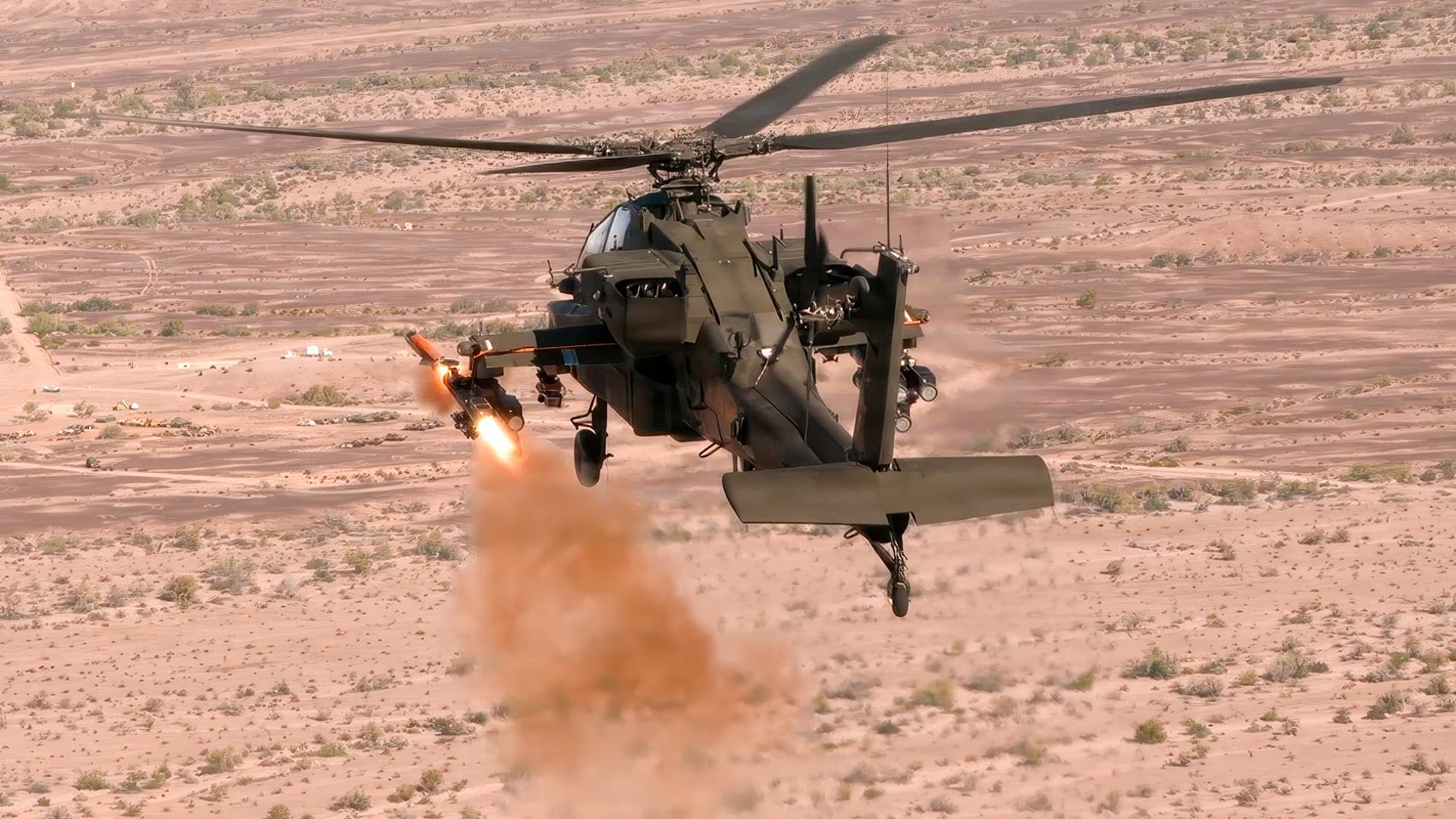
The demonstration took place on February 26 at Yuma Proving Ground in Arizona, using an Anduril Altius-700 launched from a Boeing AH-64E Apache Guardian, as reported by Aviation A2Z. The Army’s Capability Program Executive Office for aviation announced the milestone on March 26.
The timeline runs from requirement to demonstrated solution in under six months, a pace that would be notable for any defense program. The fact that a 43-day government shutdown hit during the development, fabrication, and installation phases makes it harder to explain away as routine.
What Actually Happened at Yuma
The Altius-700 was launched twice during the demonstration: once from a hover, and once while the Apache was in forward flight.
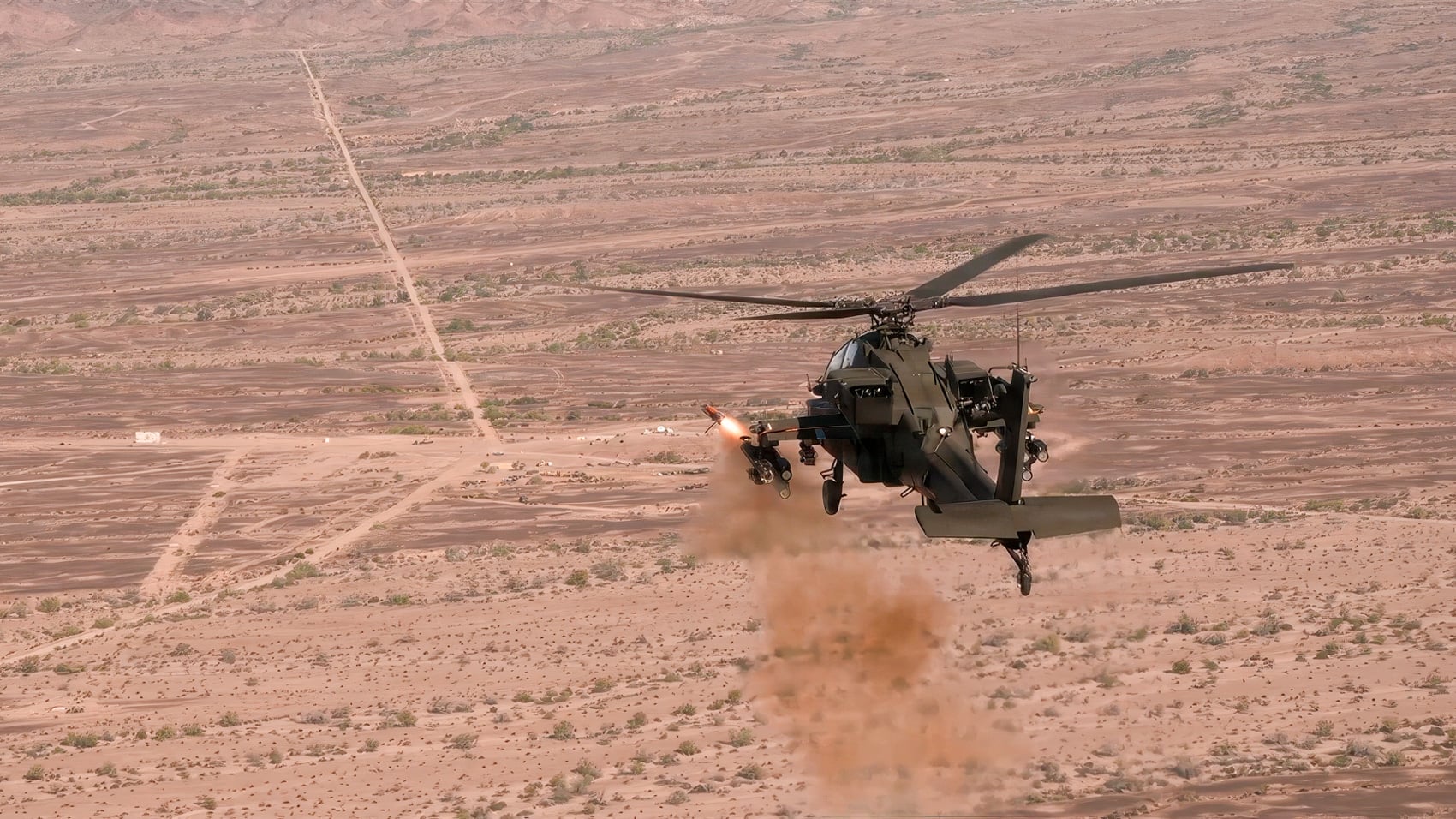
That second condition is the one that matters for combat realism. Helicopters in actual engagements don’t hover politely while their pilots configure payloads. They move, maneuver, and disengage under pressure. Validating a launch during forward motion is the difference between a lab result and something that might actually work downrange.

The test was part of the Cross Domain Fires Concept Focused Warfighting Experiment, run by the Army’s Aviation Future Capability Directorate. The focus is integrating crewed and uncrewed systems in contested environments, which is where every serious military planner believes the next major conflict will be decided.
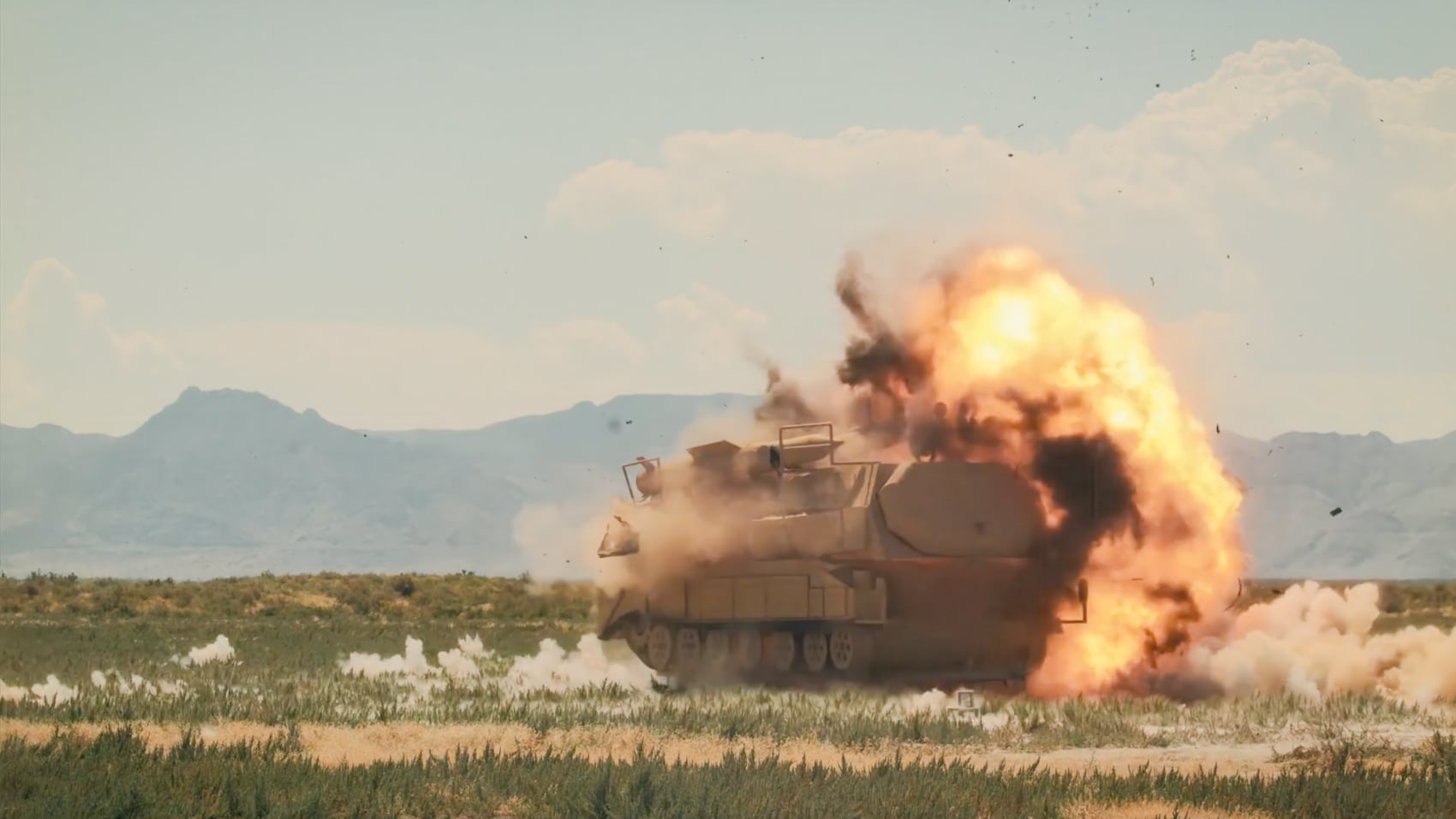
This isn’t the Altius-700’s first rodeo. In December 2023, the Army validated launch, flight, landing, and recovery in a prior demonstration. In March 2024, the first Launched Effects Medium Range prototype system completed its initial flight tests. The Apache launch in February builds directly on that program of record and moves it closer to operational fielding.
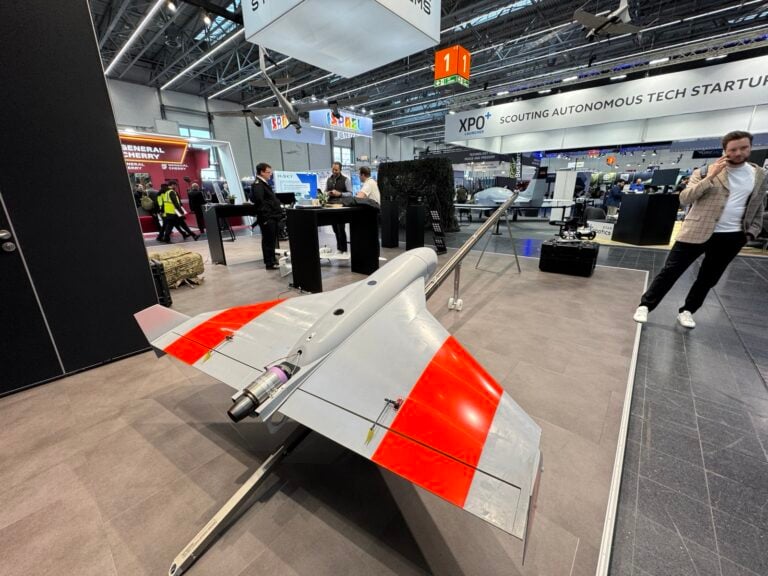
The Altius-700
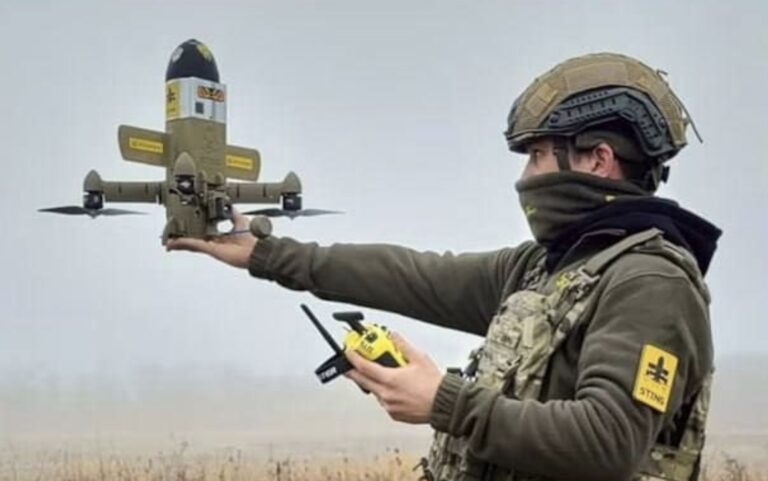
Anduril’s Altius-700 is a tube-launched autonomous system in the seven-inch class, meaning it stores compactly, deploys from the tube with wings and tail surfaces that snap into position immediately after launch, and can be recovered via belly landing on flat terrain rather than being expended on every mission.
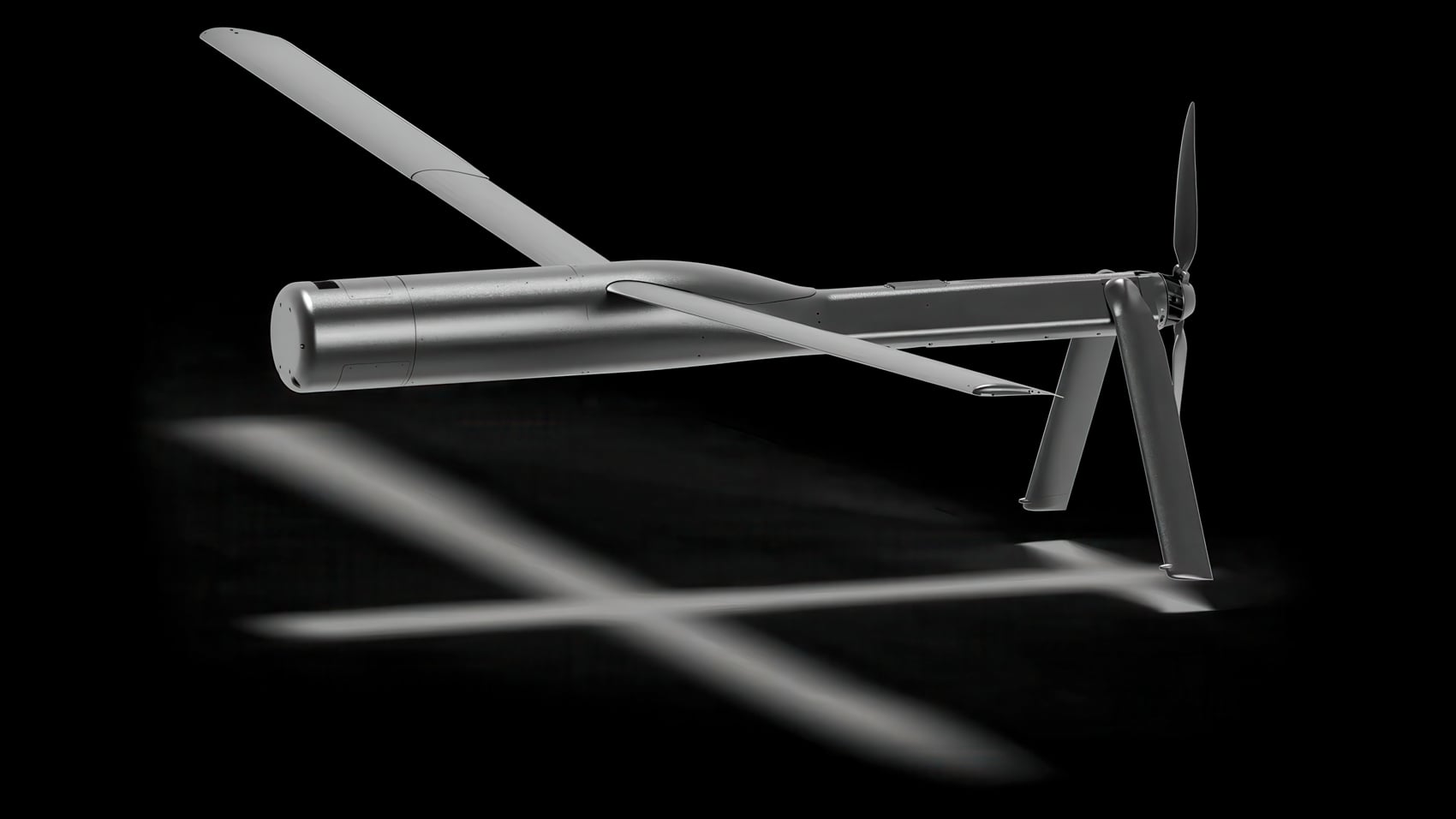
The baseline ISR configuration carries modular payloads covering surveillance, signals intelligence, electronic warfare, and communications relay. Anduril’s published figures describe up to five hours of endurance for the non-kinetic variant.
The source material cites a range of 286 miles in medium-range configuration, which aligns with broader published figures for the ISR-configured variant, though the exact range varies by payload and flight profile.
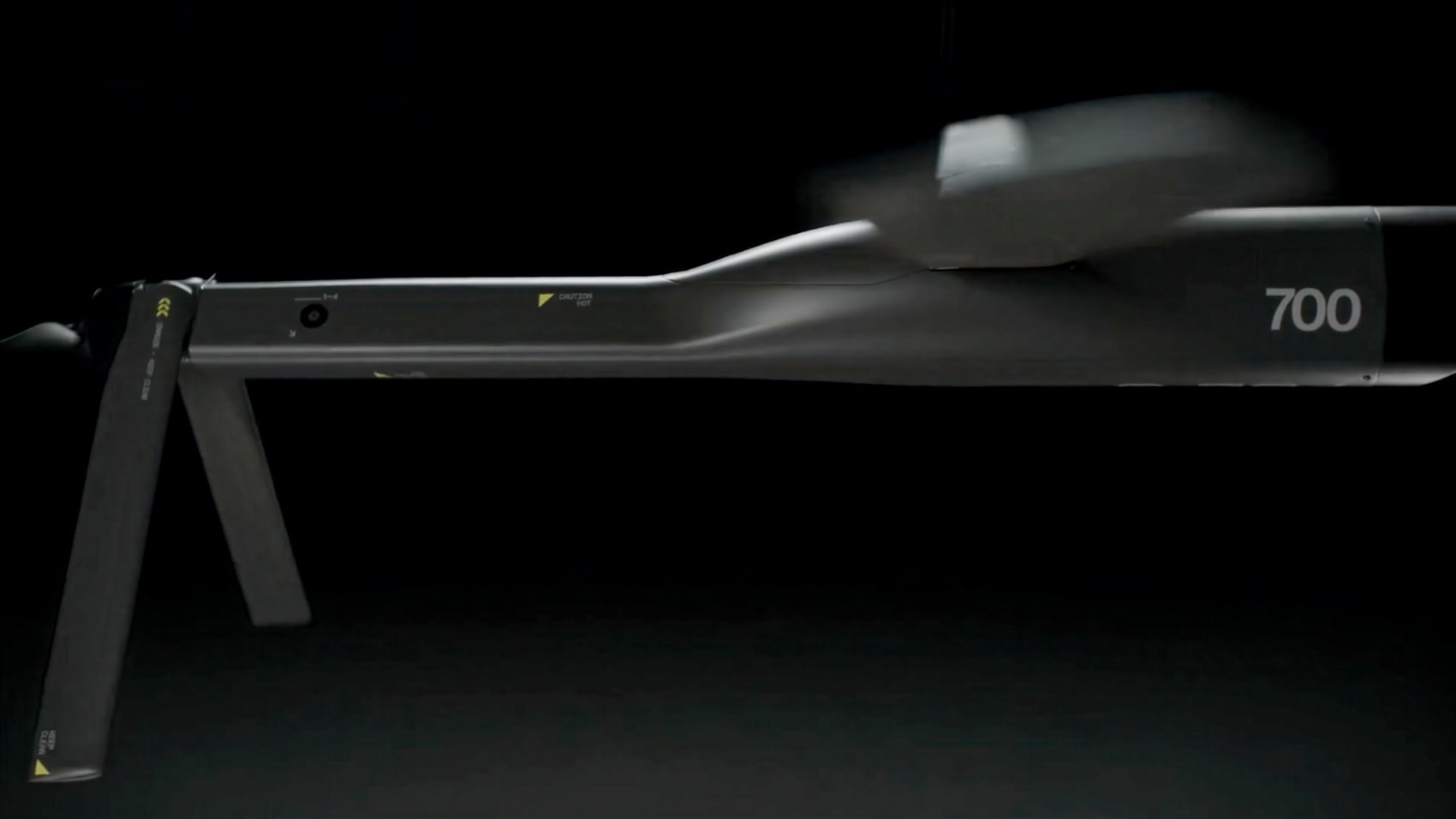
The kinetic variant, the Altius-700M, is a different animal. It carries a 33-pound warhead comparable in effect to an AGM-114 Hellfire missile, optimized for armored targets and infrastructure. At that payload level, range and endurance trade off significantly, with the 700M operating at roughly 100 miles and 75 minutes.
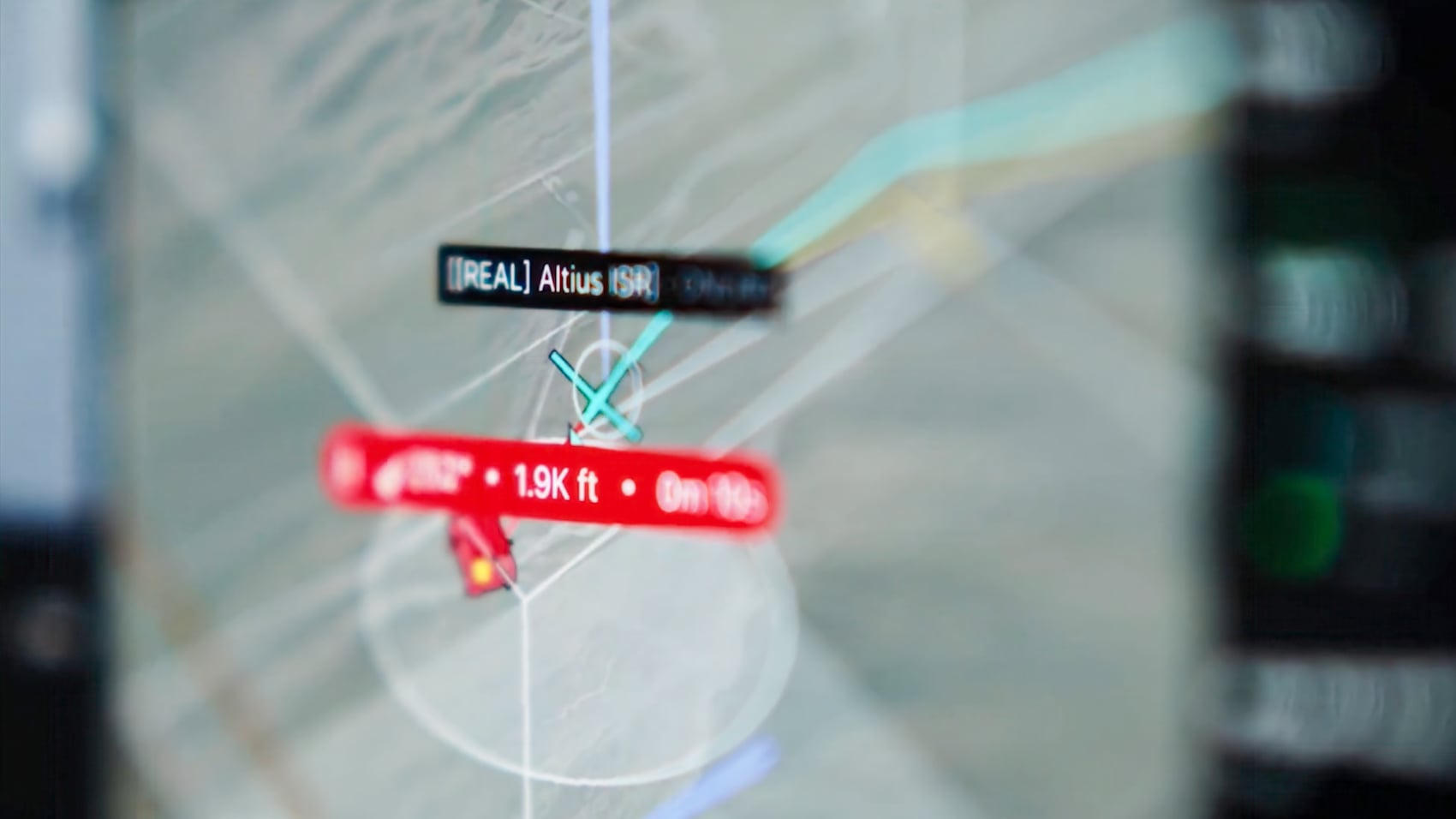
Anduril describes the 700M as capable of carrying warheads up to 35 pounds. The system has demonstrated autonomous coordinated strike, target recognition, and collaborative teaming, and a single operator can control multiple units simultaneously.
The Altius family previously flew from a modified UH-60 Black Hawk in a 2020 demonstration, transmitting reconnaissance data across more than 37 miles.
In late 2025, the Army awarded Sikorsky a $43 million contract to upgrade the UH-60M fleet with structural and digital backbone enhancements specifically for air-launched UAS integration. The Black Hawk and the Apache are now both part of the program’s deployment picture.
The Apache It’s Flying From
The AH-64E Apache Guardian is the most capable variant of an airframe that has been the backbone of U.S. Army attack aviation for four decades. It has accumulated over 5.3 million flight hours, more than 1.3 million of them in combat. Nineteen countries fly it. It will stay in production into the 2030s and in service past 2060.

The E model runs two General Electric T700-701D turboshaft engines producing 2,000 shaft horsepower each. Maximum speed reaches 189 mph. Combat range is 300 miles. It carries up to 16 Hellfire missiles, 76 Hydra 70 rockets, and 1,200 rounds of 30mm cannon ammunition, and weighs up to 23,000 pounds at max takeoff.
The AH-64E already has the ability to control unmanned platforms in flight. It previously teamed with the MQ-1C Gray Eagle and RQ-7 Shadow in earlier programs. The Altius integration extends that capability to a launched munition that the Apache carries, deploys, and coordinates with during the same mission.
The pairing matters because of geometry. The Apache’s sensors and weapons are lethal, but they require the aircraft to get within a certain range of the threat to employ them.
An air-launched Altius extends that reach without exposing the crew. The drone goes forward. The Apache stays back. If the drone gets shot down, that’s an acceptable loss. If the Apache does, it isn’t.
DroneXL’s Take
No sugarcoating this: what the Army just demonstrated is a preview of how attack aviation works in the next major conflict.
The Apache-plus-launched-effects concept isn’t new in doctrine. It’s been part of the Army’s Future Attack Reconnaissance Aircraft planning for years. What’s new is the pace.
Six months from written requirement to flying demonstration, through a 43-day shutdown, is the kind of timeline the defense acquisition system almost never produces. That somebody actually pulled it off is worth noting on its own.
The broader picture is the one that stays with me. The Altius-700M carries a warhead equivalent to a Hellfire. A single Apache can potentially carry and deploy multiple units. One pilot with a control interface can manage several drones simultaneously.
You’re looking at a single crewed aircraft that can project lethal capability across multiple simultaneous engagements while staying outside the threat envelope.
Ukraine has been teaching this lesson for three years. Every major military is learning it. The U.S. Army just demonstrated it from the most capable attack helicopter on the planet.
Photo credit: DVIDS, Anduril, U.S. Army Yuma Proving Ground.
Discover more from DroneXL.co
Subscribe to get the latest posts sent to your email.
Check out our Classic Line of T-Shirts, Polos, Hoodies and more in our new store today!

MAKE YOUR VOICE HEARD
Proposed legislation threatens your ability to use drones for fun, work, and safety. The Drone Advocacy Alliance is fighting to ensure your voice is heard in these critical policy discussions.Join us and tell your elected officials to protect your right to fly.

Get your Part 107 Certificate
Pass the Part 107 test and take to the skies with the Pilot Institute. We have helped thousands of people become airplane and commercial drone pilots. Our courses are designed by industry experts to help you pass FAA tests and achieve your dreams.

Copyright © DroneXL.co 2026. All rights reserved. The content, images, and intellectual property on this website are protected by copyright law. Reproduction or distribution of any material without prior written permission from DroneXL.co is strictly prohibited. For permissions and inquiries, please contact us first. DroneXL.co is a proud partner of the Drone Advocacy Alliance. Be sure to check out DroneXL's sister site, EVXL.co, for all the latest news on electric vehicles.
FTC: DroneXL.co is an Amazon Associate and uses affiliate links that can generate income from qualifying purchases. We do not sell, share, rent out, or spam your email.