Rosemount PD Joins Drone Network Logging 1,300 Flights a Year
Check out the Best Deals on Amazon for DJI Drones today!
Rosemount, Minnesota, is the latest American community to put a drone in the hands of its police department, and the numbers surrounding its launch say more about the broader trend than any single agency announcement.
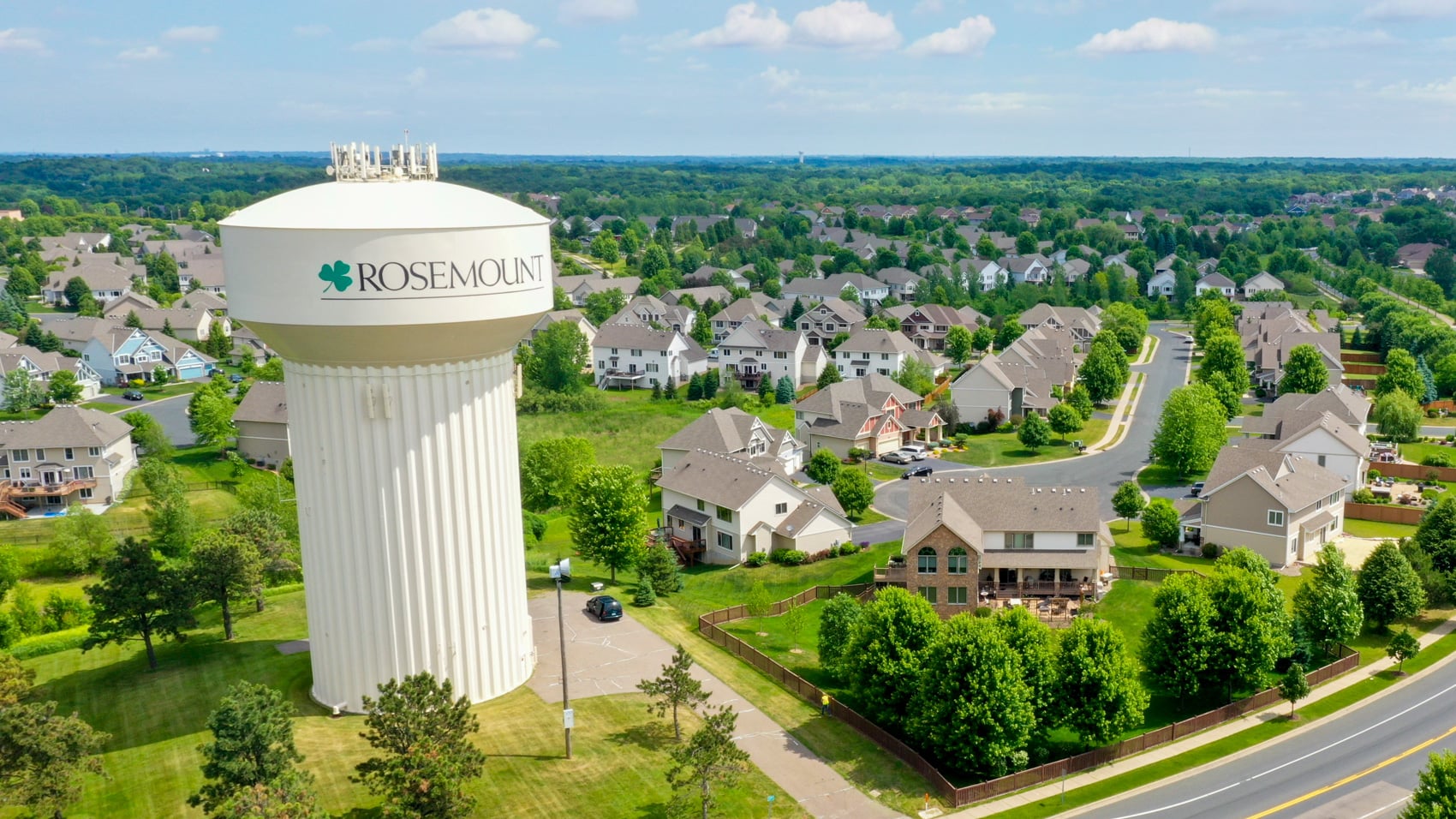
The Rosemount Police Department launched its Unmanned Aerial System program under a policy adopted January 1, 2026. Nine officers have been trained to Part 107 certification, the FAA standard required for commercial drone operations, as reported by Limitless News.
The department has named Sergeant Shawn McMenomy as its UAS Program Coordinator, responsible for training, oversight, recordkeeping, and the annual report required by Minnesota state law.
What makes this launch notable isn’t Rosemount specifically. It’s the backdrop.
What the State Data Actually Shows
Minnesota is one of the few states in the country with a legally mandated, publicly reported drone use framework for law enforcement. Under Laws of Minnesota 2020, Chapter 82, every agency that uses a drone without a search warrant must report the date, purpose, and legal authority to the Minnesota Bureau of Criminal Apprehension, which compiles and publishes a statewide report annually.
That data tells a clear story. In 2024, law enforcement agencies across Minnesota recorded 6,603 total warrantless drone deployments, a 50% increase from 2023. Statewide drone program spending hit nearly $2 million. South Metro agencies alone accounted for more than 1,300 of those deployments.
To put the pace in perspective: Minnesota agencies recorded 1,171 drone missions in 2020. By 2024, that number had grown more than fivefold. The technology moved from a curiosity to an operational routine in four years.
The most common uses statewide are training and public relations, emergency response, and investigations involving suspected criminal activity. That order is worth noting. Training deployments topping the list reflects how many departments are still building proficiency, not just using the tools they already know how to fly.
How Rosemount Plans to Use It
The Rosemount policy defines specific situations where drones are authorized: search and rescue, emergency response, crash reconstruction, locating suspects in dangerous situations, disaster assessment, event safety support, investigations with reasonable suspicion of criminal activity, documenting evidence at risk of destruction, and training with public consent.
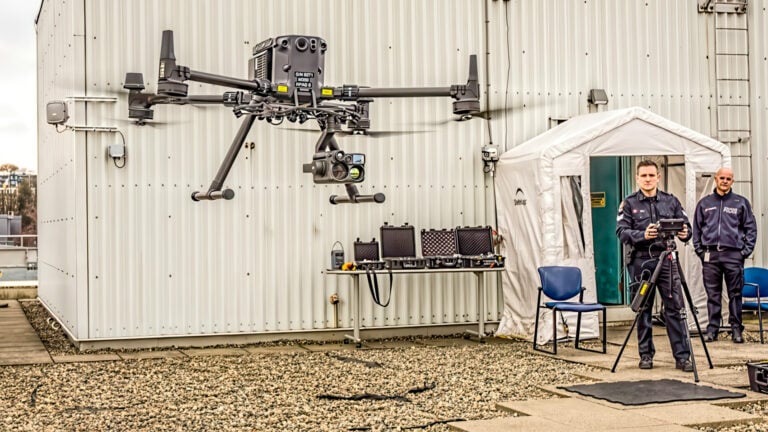
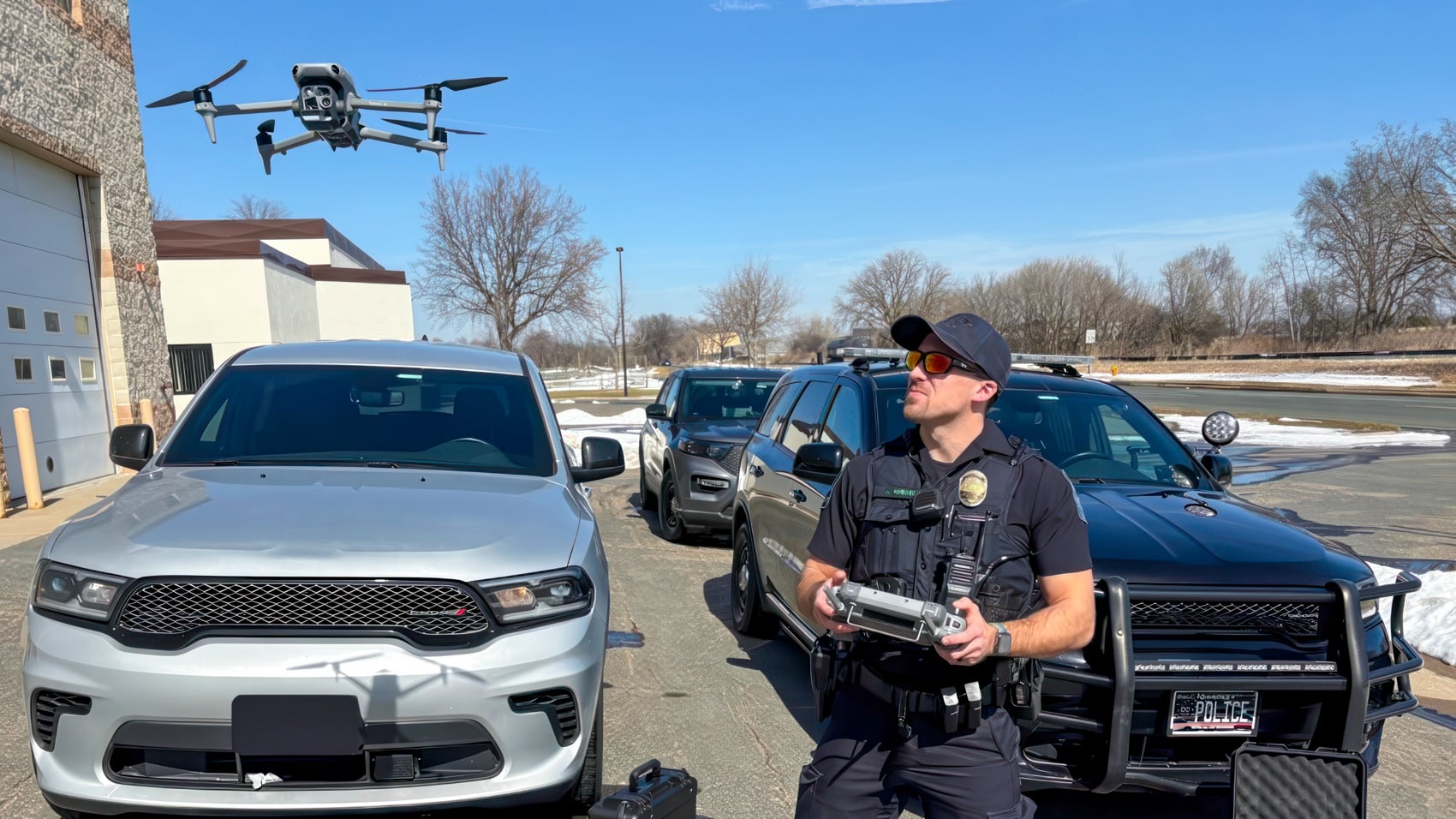
Some of the drones used by the Rosemount Police Department are the DJI Avata 2 and the Matrice 4, as we can see on a video posted by the City of Rosemount on their youtube channel

The policy also defines what drones can’t do. No random or routine surveillance. Mandatory deletion of non-evidentiary footage within seven days. Documentation required for every single flight, including purpose and legal authority.

Photo credit: DJI
Interim Chief Carson Thomas framed the program’s intent directly: “Drones allow our officers to respond to critical incidents more safely and with better information. This technology doesn’t replace officers; it enhances their ability to keep people safe, especially in emergencies.”
That framing lines up with how most Minnesota departments have approached drone adoption. The technology earns its keep in scenarios where putting a human being in a particular position carries risk that an aerial camera can absorb instead.
The Minnesota Model Worth Watching
What Minnesota has built, largely without national attention, is a real-time accountability structure for law enforcement drone use that most states don’t have. The mandate is specific: report every warrantless deployment, including the date and legal justification.
The BCA compiles it all and publishes it publicly every June. Any citizen can look up how many times any department flew a drone last year and why.
Rosemount’s policy aligns exactly with that framework. The seven-day data deletion requirement for non-evidentiary footage is state law. The annual report to the Minnesota Commissioner of Public Safety is state law.
The requirement to post a public FAQ about the program is the department’s own addition, following the example set by the Vancouver Police Department when it launched its drone program in 2019.
The result is a program that can be evaluated because its record is required to be kept and disclosed. That accountability infrastructure is what separates Minnesota’s drone adoption story from the national pattern, where most departments operate with no standardized reporting at all.
DroneXL’s Take
I’ll be direct: the Minnesota transparency model is exactly what responsible law enforcement drone adoption looks like, and more states should copy it.
The privacy concerns around police drones are legitimate. Cheap, capable aerial platforms with thermal cameras in the hands of agencies without clear rules and public accountability create conditions for abuse. Minnesota didn’t ignore that risk. It built a reporting structure before the technology outpaced the oversight.
What’s interesting about Rosemount joining the network now is the timing. South Metro agencies logged over 1,300 deployments last year. Rosemount is joining a region where drone operations are already routine, not pioneering unknown territory. The policies and oversight structures exist. The question is whether the execution matches them.
Six-thousand-plus deployments across Minnesota in a single year is a significant number. The fact that we can count them, know what they were for, and hold departments accountable for the answer is the part that matters most.
Photo credit: Rosemount PD, DJI.
Discover more from DroneXL.co
Subscribe to get the latest posts sent to your email.
Check out our Classic Line of T-Shirts, Polos, Hoodies and more in our new store today!

MAKE YOUR VOICE HEARD
Proposed legislation threatens your ability to use drones for fun, work, and safety. The Drone Advocacy Alliance is fighting to ensure your voice is heard in these critical policy discussions.Join us and tell your elected officials to protect your right to fly.

Get your Part 107 Certificate
Pass the Part 107 test and take to the skies with the Pilot Institute. We have helped thousands of people become airplane and commercial drone pilots. Our courses are designed by industry experts to help you pass FAA tests and achieve your dreams.

Copyright © DroneXL.co 2026. All rights reserved. The content, images, and intellectual property on this website are protected by copyright law. Reproduction or distribution of any material without prior written permission from DroneXL.co is strictly prohibited. For permissions and inquiries, please contact us first. DroneXL.co is a proud partner of the Drone Advocacy Alliance. Be sure to check out DroneXL's sister site, EVXL.co, for all the latest news on electric vehicles.
FTC: DroneXL.co is an Amazon Associate and uses affiliate links that can generate income from qualifying purchases. We do not sell, share, rent out, or spam your email.