No Replacement for DJI, FCC Opens Public Comments, and Oregon Wants New Drone Test Sites
Check out the Best Deals on Amazon for DJI Drones today!
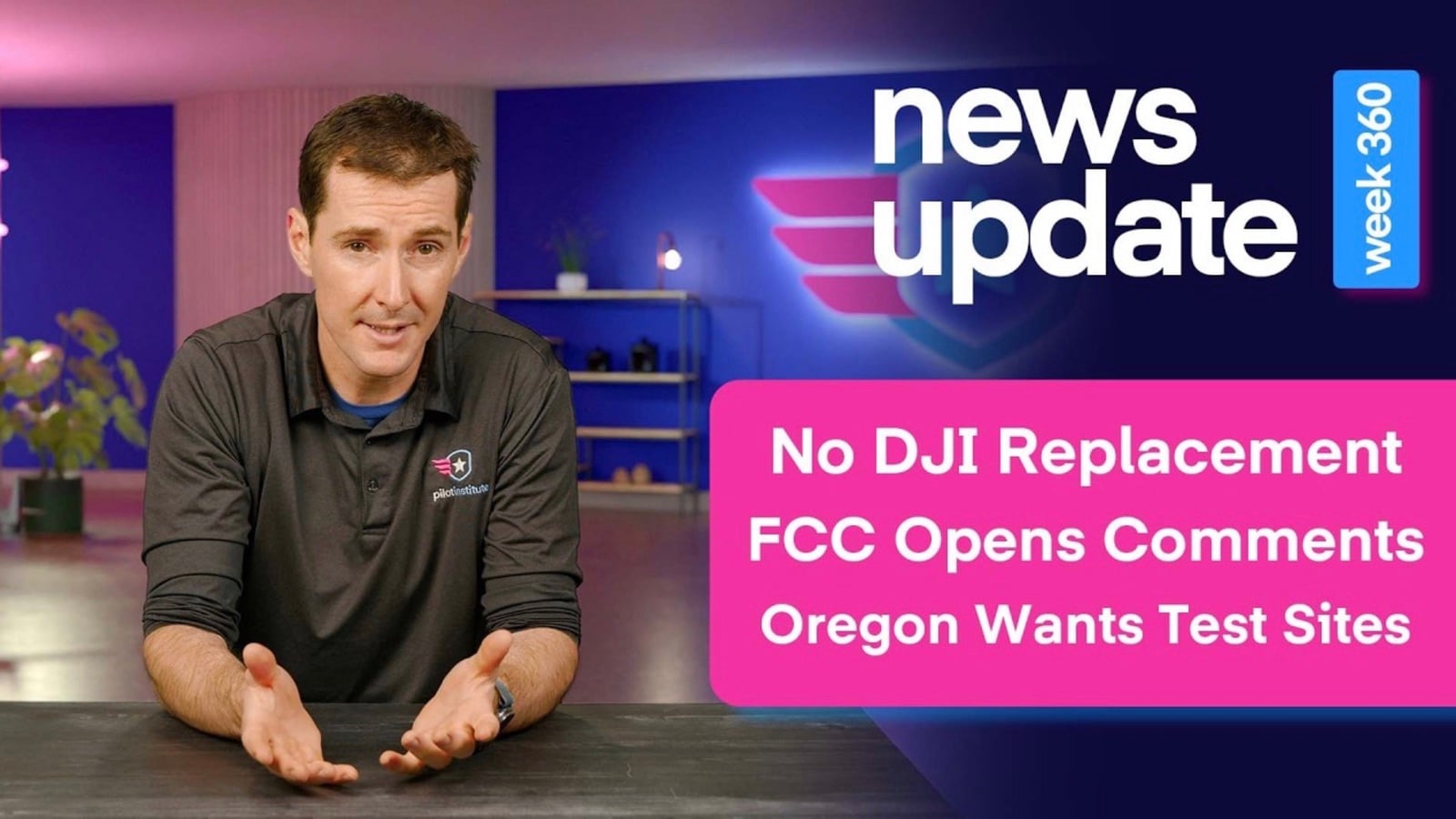
Welcome to your weekly UAS news update. We have three stories for you this week: a report that confirms that, sadly, nobody is coming to replace DJI in the consumer market; the FCC has opened public comments on drone spectrum reforms; and Oregon is telling the FCC to build drone test sites in the mountains where it actually matters.

Nobody Is Coming to Replace DJI in the Consumer Drone Market
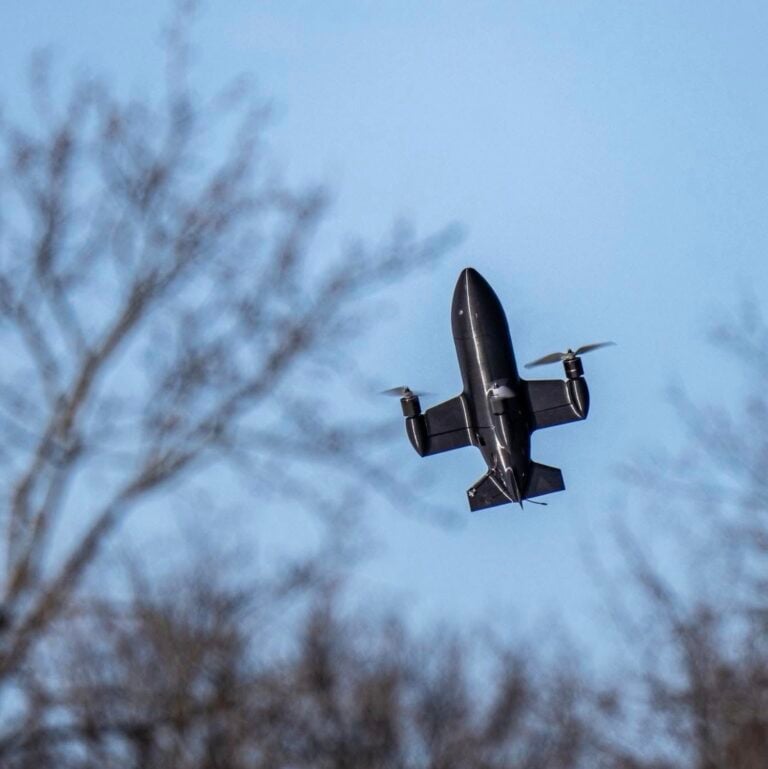
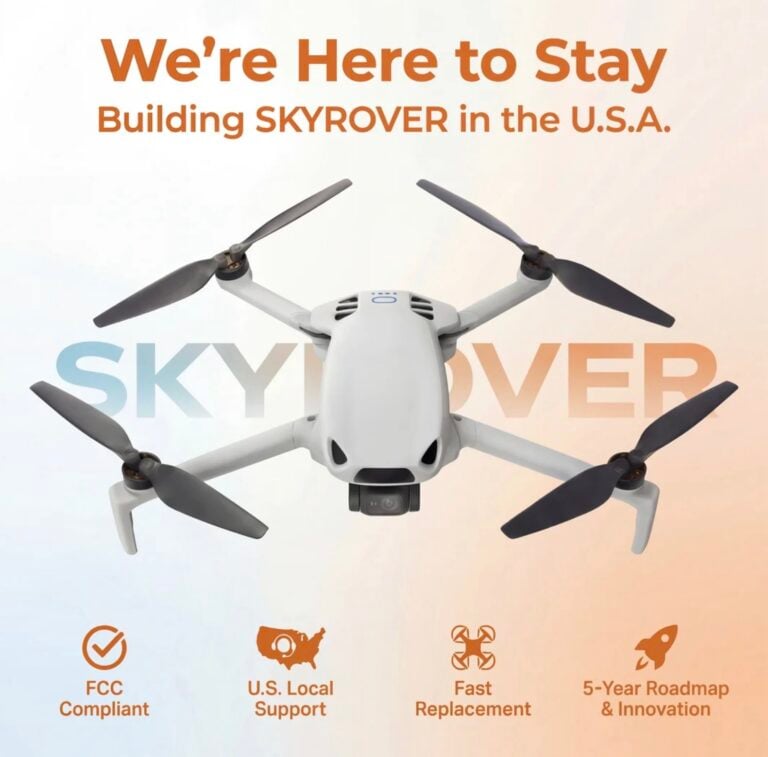
First up this week, a major report from The Verge confirms what we’ve kind of been saying for the last couple of months — nobody at the moment is coming to save the consumer drone market. According to the report, massive defense contracts have completely absorbed almost all of every American company out there that might be building anything affordable on the consumer side of drones.
For example, Skydio confirmed that they will not return to the consumer market. The US Army recently ordered $52 million worth of the X10 platform, their tactical drone version. Why build a $500 consumer drone when the Pentagon is spending millions of dollars? I guess that’s the question.
We also saw that the Antigravity A1 hit the market recently. We’ve talked about this — it has an 8K 360° camera, and they sold 30,000 units shortly after launch. But Antigravity is still a Chinese company, so they are going to face the same supply chain constraints and FCC approval issues going forward.
Meanwhile, the Zero Zero Hover Air Aqua is reportedly dead in the water — not to make a bad joke — after failing to get FCC certification before the December ban.
When volunteer fire departments or search and rescue operations can’t afford a $10,000 enterprise system, they typically turn to affordable consumer drones. And we’ve said this time and time again: this isn’t really a problem we’re going to feel right now. This is more like something we’re going to feel in two or three years, when we no longer have access to those models that are currently available.
FCC Opens Public Comments on Drone Spectrum Reform
Speaking of the Federal Communications Commission, the FCC has released public notice DA-26314. They’re asking our drone industry what needs to be done, what needs to be fixed, in order to help the United States lead the global drone race.
The notice covers six different policy areas, but spectrum access is kind of the biggest one. Right now, most drones operate under the unlicensed 2.4 and 5.8 GHz bands — the same crowded frequencies used by your home Wi-Fi router. The FCC is asking the industry whether we should be shifting to the licensed 5030 and 5091 MHz band. They previously allocated a 10 MHz block from 5,040 to 5,050 MHz for direct frequency assignment, but this has just sat dormant in the meantime.
The FCC also wants to speed up experimental licensing and address counter-UAS rules. Currently, Section 333 of the Communications Act prohibits willful interference with radio communications, which prevents any counter-drone system that jams a signal.
Comments are due by May 1st. We’ll have to see exactly what happens — whether this creates any kind of credible framework before current exemptions expire in 2027.
Oregon Tells the FCC Where to Build Drone Test Sites
In our third story — all interconnected this week — the Oregon Department of Aviation has drafted an eight-point response to the FCC public notice. But instead of just asking for abstract reforms, Oregon is telling the FCC exactly where to build new UAS innovation zones.
They’ve identified three specific test corridors in real terrain, which is the keyword here: one in the Cascades near Oakridge, another along the Columbia River Gorge, and a third in Southeast Oregon.
Oregon argues that testing drones in flat, controlled academic labs does not produce data that transfers to real-world conditions. And I have to 100% agree with that. Wildlife response operations and emergency delivery are dealing with mountain passes, line-of-sight restrictions, and unpredictable weather. Oregon is very well placed for this.
They also backed the push toward the 5030 and 5091 MHz band for command and control links — what we just talked about — emphasizing that safety-critical operations cannot rely on unlicensed bands. Oregon also asked the FCC for a simpler waiver process for trusted deployment of foreign drones during the transition period.
And that’s it for this week. This article is based on a video by Pilot Institute on YouTube. You can also find more articles by Greg Reverdiau on his DroneXL author page.
Discover more from DroneXL.co
Subscribe to get the latest posts sent to your email.
Check out our Classic Line of T-Shirts, Polos, Hoodies and more in our new store today!

MAKE YOUR VOICE HEARD
Proposed legislation threatens your ability to use drones for fun, work, and safety. The Drone Advocacy Alliance is fighting to ensure your voice is heard in these critical policy discussions.Join us and tell your elected officials to protect your right to fly.

Get your Part 107 Certificate
Pass the Part 107 test and take to the skies with the Pilot Institute. We have helped thousands of people become airplane and commercial drone pilots. Our courses are designed by industry experts to help you pass FAA tests and achieve your dreams.

Copyright © DroneXL.co 2026. All rights reserved. The content, images, and intellectual property on this website are protected by copyright law. Reproduction or distribution of any material without prior written permission from DroneXL.co is strictly prohibited. For permissions and inquiries, please contact us first. DroneXL.co is a proud partner of the Drone Advocacy Alliance. Be sure to check out DroneXL's sister site, EVXL.co, for all the latest news on electric vehicles.
FTC: DroneXL.co is an Amazon Associate and uses affiliate links that can generate income from qualifying purchases. We do not sell, share, rent out, or spam your email.