

If you’ve been thinking about getting into drones but kept talking yourself out of it because of price—or because learning to fly looked intimidating—there’s a real reason to pay attention right now.
The DJI Neo just hit $149 at Amazon, which is $50 off its list price and the lowest it’s ever been. That matters because this isn’t some stripped-down toy. It’s a legitimately capable 4K drone that removes two huge barriers to entry: cost and complexity.
Let’s be clear about what you’re actually getting here.
What the Neo Actually Does
The DJI Neo weighs 135 grams—light enough that it doesn’t require FAA registration or Remote ID in the US when flown recreationally. That alone cuts through a ton of friction. But the real story is what DJI packed into something palm-sized.
You’re getting 4K video at 30 frames per second with electronic image stabilization. That’s not gimmicky—it’s usable footage. The camera is a 1/2-inch CMOS sensor that shoots 12-megapixel stills. The stabilization system uses both a single-axis mechanical gimbal and DJI’s RockSteady technology, which works hard to keep your footage smooth even when the drone is moving.
The Neo can handle level-4 wind resistance. Flight time comes in around 18 minutes per battery on a single charge. For quick shots—the Neo’s whole purpose—that’s workable. The three-battery combo is now $219 and gives you nearly an hour of total flight time without needing to carry extra gear.
On the control side, the Neo can fly completely controller-free. You can launch it from your palm, give it voice commands in English, or use the DJI Fly app on your phone. There’s no learning curve. Press the mode button, pick a shot type, and it handles the rest. The QuickShots modes—Dronie, Circle, Spiral, Boomerang—are automated cinematography moves that used to require skill to pull off manually. Now they’re one tap away.
The drone also has AI subject tracking built in, which means it can follow you as you move. If you’re hiking, jogging, or just walking around your property, the Neo locks onto you and maintains frame. That’s the kind of feature that used to be exclusive to much more expensive drones.
My first article for DroneXL was about this drone. Trust me, you’re not getting a bad drone. You are embarking into a platform that will allow you to grow.
Why This Price Point Matters
At $149, the Neo isn’t a serious investment. It’s the price of a decent pair of earbuds. That changes the mental math completely.
The bundle options make the value even more interesting. The three-battery combo at $219 extends your flying window and kills battery anxiety—you can keep shooting without waiting for a charge.
The Fly More Combo with the RC-N3 controller drops to $259 and adds a physical remote, which some people prefer for more precise control. Most entry buyers don’t need a traditional controller, but the option exists if the phone-only experience doesn’t click for them.
Compare this to what people normally spend on equivalent functionality. A solid smartphone gimbal—something that just stabilizes phone footage—runs $100 to $300. The Neo costs less and gives you 4K from a dedicated sensor. Dedicated action cameras that shoot 4K cost $150 and up, but they’re fixed to a mount. The Neo flies, moves, frames, and follows on its own.
Real Limitations Worth Knowing
The Neo isn’t perfect. DJI was clear-eyed about what it is: a vlogging and casual-use platform, not a workhorse. There’s no obstacle avoidance, so you need to be aware of branches, wires, and structures—it won’t automatically stop and hover if something’s in the way.
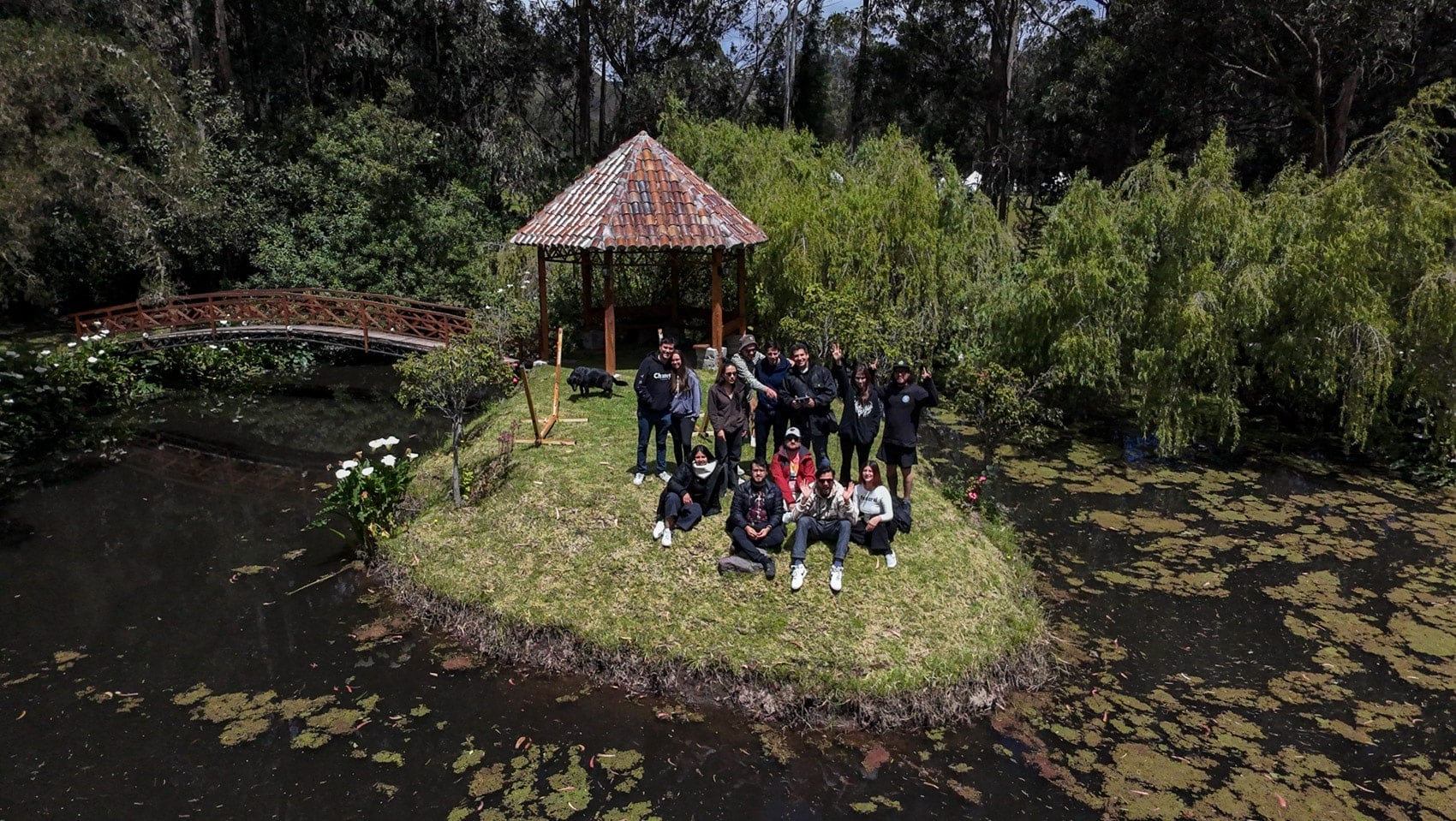
Here you can see some of my best Neo shots


The tracking speed maxes out around 13 miles per hour, which is fine for someone jogging but won’t keep up with a cyclist moving fast.
Frame rates cap at 30 fps in 4K, which is solid but not cutting-edge. The internal storage is 22 GB—enough for roughly 40 minutes of 4K video before you need to offload footage to your phone. That’s workable for travel and vacation shooting, less so if you’re doing heavy daily content creation.
Wind resistance at level 4 is respectable, but it’s not as stable as larger DJI models in strong gusts. In genuinely breezy conditions, you’ll notice more drift. And there’s no GPS in the traditional sense—the Neo relies on visual positioning indoors and visual/altitude sensors outdoors, which works well but differently than the Mini 4K or Air line.
Those tradeoffs are honest design choices, not flaws. DJI built the Neo for a specific person: someone who wants aerial footage without complexity, size, or registration headaches. It nails that brief.
DroneXL’s Take
Here’s what I find genuinely significant. For years, the drone entry point was either toy-tier garbage under $100 or serious money at $300+.
The Neo splits the difference by being genuinely useful at the price where most people will actually buy. That’s harder to do than it sounds. Most of the cost pressure in that segment either pushes companies toward plastic toys with plastic cameras, or it forces them to strip specs to breakeven.
DJI went a different direction. They used their scale and their gimbal and stabilization expertise to deliver actual image quality at a price that doesn’t feel reckless. At $149, if you lose it or get bored, it stings but it’s not a regret. If you love it, you’ve spent less than a nice dinner out for something that changes how you capture moments.
The FCC headwinds aren’t going away, and newer models like the Lito series won’t reach the US market anytime soon.
That means the Neo inventory sitting on Amazon shelves right now might be some of the best-priced, proven DJI hardware Americans see for a while. If you’ve been on the fence, the price finally makes the decision easy.
Photo credit: DJI, Amazon, Rafael Suarez


