
Javeayah Harris, a 4-year-old girl, has been missing from Aiken County, South Carolina since the night of June 30, and the search for her now covers more than 3,000 acres. She was last seen around 8:15 p.m. near Hillsboro Street and Ridgecrest Road, wearing Minnie Mouse pajamas with pink beads in her braided hair.

Drones and helicopters are scanning from above while K9 teams and about 200 officers and first responders work the ground. For a story that runs on aircraft and thermal cameras, the only number that matters is one small girl who is still not home.
Multi-agency crews are working more than 3,000 acres
Crews from the Aiken County Sheriff’s Office and the South Carolina Law Enforcement Division, with the FBI now assisting, have covered more than 3,000 acres since June 30, running grid searches on foot while aircraft scan the same ground from above.
The operation has run out of Bethel Baptist Church since Tuesday evening, and roughly 200 law enforcement officers and first responders have rotated through it across several days.

Javeayah stands about 3 feet 6 inches tall and weighs around 40 pounds, and she was last seen in pink Minnie Mouse pajamas with beads in her braided hair, possibly wearing Crocs. Her parents have corrected early descriptions that called her nonverbal or autistic, and asked people to understand she is a smart, talkative little girl who would likely answer to someone calling her name.
Investigators have asked residents to check their own properties and any sheds or vehicles, but they are not accepting volunteer searchers, to keep the area clean of anything that could contaminate evidence. Officials have not issued an Amber Alert because the case does not currently meet the criteria for one.
Sheriff Marty Sawyer put the weight of it plainly. “As a parent, and a grandparent of young children, this investigation hits close to home,” he said. Anyone with information is asked to call the dedicated tip line at 803-502-5200.
The drones over Aiken County sit on both sides of the DJI ban
The Aiken County Sheriff’s Office has flown its own drone program since 2023, with 14 aircraft and 16 certified pilots, while the FBI working the same search operates under a federal ban that keeps the most common police drones out of its hands. Two agencies over one field, two very different rulebooks.
According to FOX 57, the sheriff’s office runs three sizes of drone. The larger ones map wide crime scenes, and the smaller ones fly inside houses and outbuildings to clear a room before a deputy or a dog goes in. A local drone launches in minutes. A state helicopter out of Columbia takes about an hour and a half to reach the county, which is the gap the program was built to close.

The county has not named the brands it flies. What the wider picture shows is that more than 80% of US public safety agencies with drone programs run DJI hardware, because it does the job for a fraction of the price of the alternatives. Whether Aiken sits in that 80% is not something the office has spelled out.
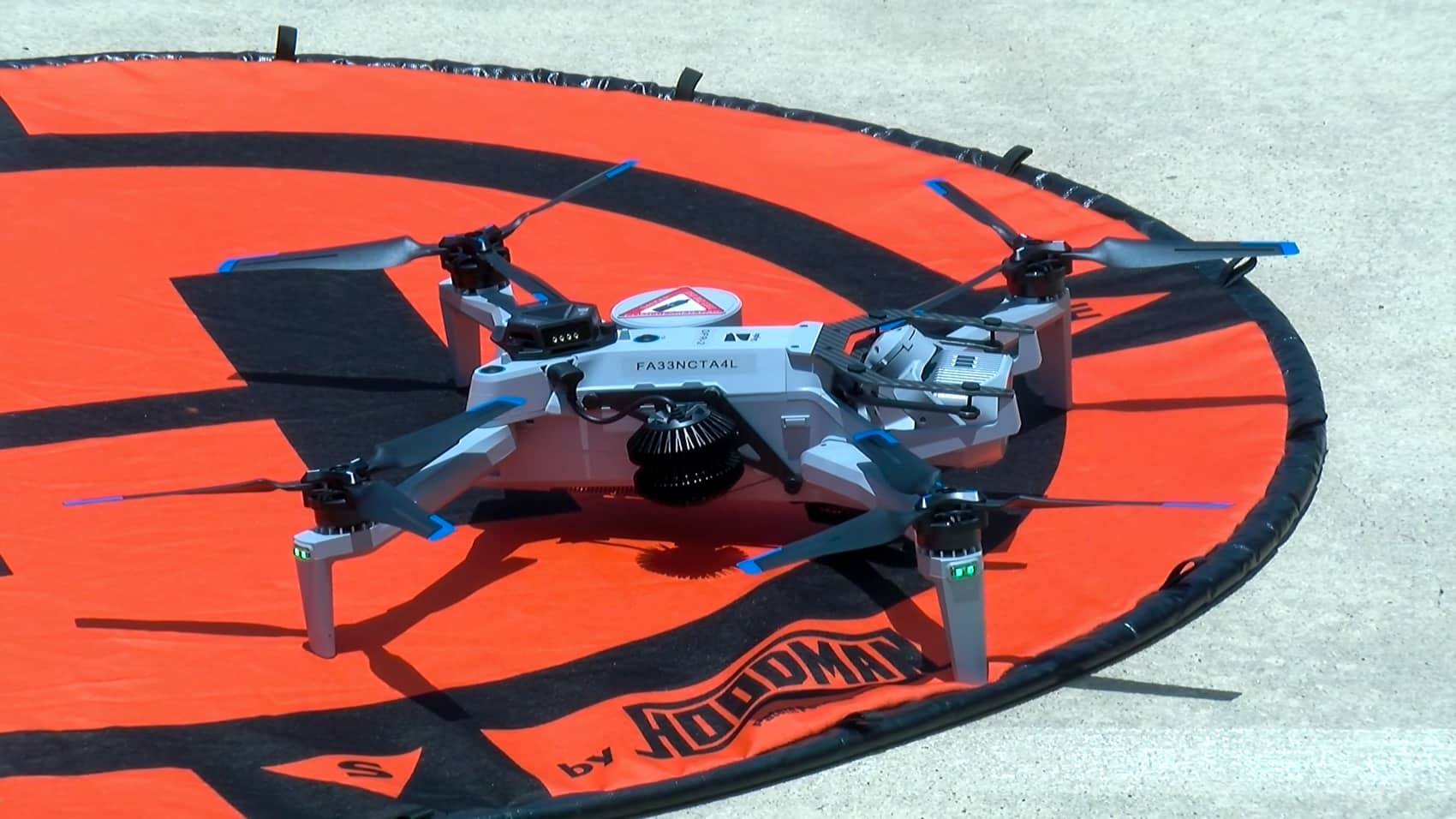

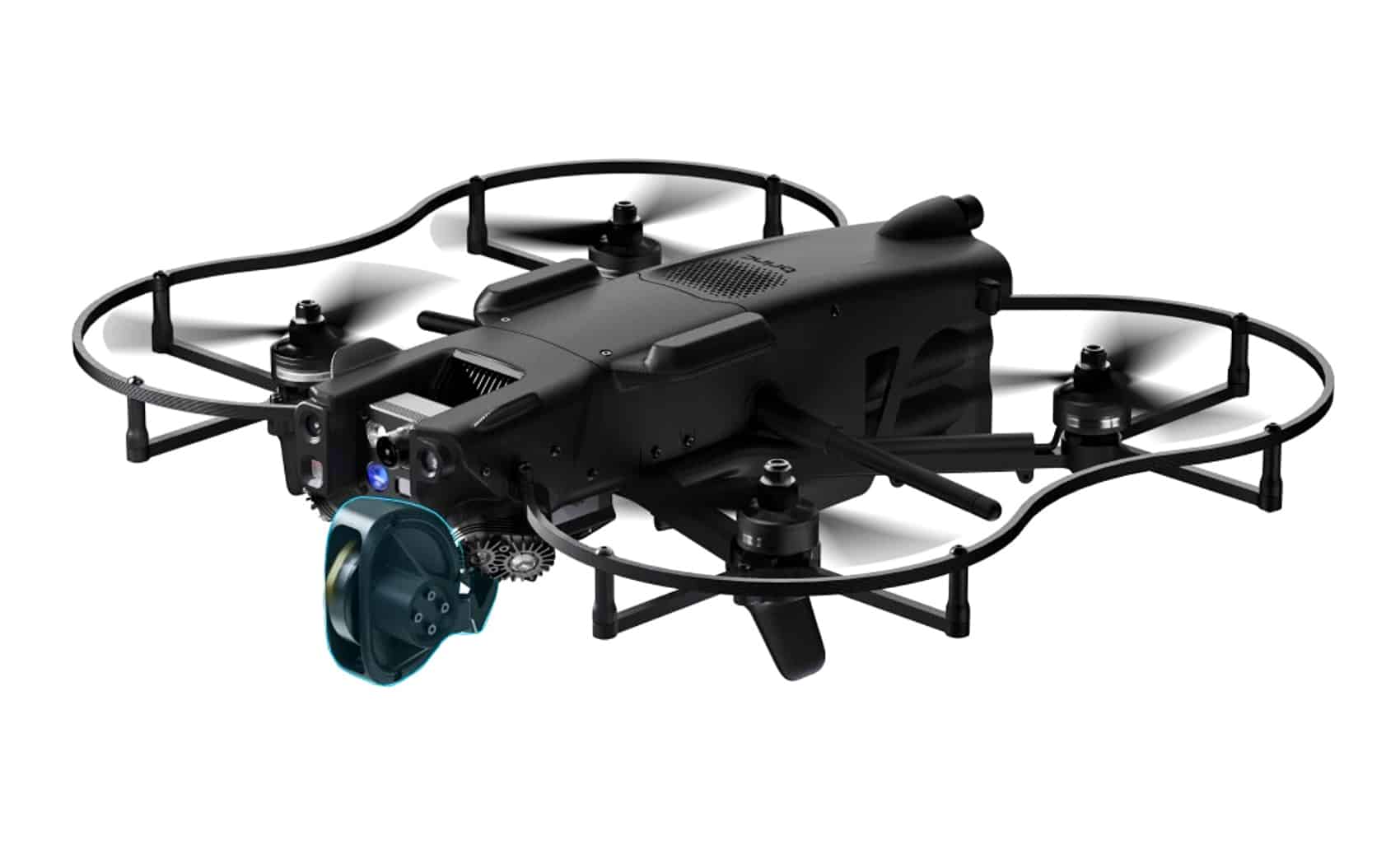
The FBI cannot fly any of that. Federal agencies are barred from buying or operating DJI and other Chinese-made drones under the NDAA and the FCC Covered List, the rules most people just call the DJI ban. The Bureau that once bought DJI Phantom 4 Pro units to train its Evidence Response Team now shops for jam-resistant, fiber-optic aircraft and American-made quadcopters instead.
So the same field holds two standards. The local deputies fly the cheap, capable hardware that most of the country flies, and the federal agents beside them legally cannot. It is the clearest picture I have of what the DJI ban looks like on the ground, and it is the same split that pushed departments like Sedgwick County to swap their DJI fleet for Skydio last year.
Thermal drones narrow the ground a search team has to cover
Drones with thermal cameras give ground teams something they never had at this scale, a way to scan acres of brush and tree cover in the dark and flag heat signatures a person on foot could walk right past in the same field. Thermal imaging reads body heat through fog and vegetation, which is why it turns a night search from guesswork into something closer to a grid.

The speed is the part people underestimate. In one documented case, a DJI Matrice 210 carrying an XT2 thermal camera located a 93-year-old woman in complete darkness in about four minutes, a stretch of ground that would have taken a foot team hours.
None of that replaces the dogs or the people. A thermal drone narrows the box, and the K9 handlers and ground crews close in on whatever the camera flagged. The layering is the point. The aircraft covers distance fast, and the searchers on the ground close the distance the camera cannot.
Documented drone rescues have passed 1,000 people
DJI began tracking confirmed drone rescues in 2017, and the count passed 1,000 people worldwide by 2023, up from more than 500 by December 2020. The company only logs a case when a drone directly located or assisted the person, not when it was simply part of a wider effort, which means the true figure runs higher than the tally shows.
That conservative count is the honest version of the story. Every one of those thousand is a person a camera in the sky found in time, often at night, often in terrain a ground team would have reached too late. It is the reason a search like the one in Aiken County now puts drones in the air on the first night instead of the third day.
The same tools carry real limits. Thermal struggles under heavy canopy in the heat of the day, and battery life caps how long a single flight lasts. A heat signature is a lead, not a location, until a person confirms it. Drones sharpen a search. They do not close it by themselves.
DroneXL’s Take
Let’s be straight. I have kids, and I cannot read a story like this without my stomach dropping, so I will say where I stand. I back drone use in search and rescue completely, because I know what these aircraft actually do in the field, and I have watched the documented case count climb for years.
The numbers say the rest. Confirmed drone rescues are past 1,000 people, and DJI only counts the direct finds, so the real total is higher than that.
The math underneath it is simple. Thermal from the air narrows the box, the K9 teams work the scent, the ground crews confirm the hit. The best search outfits do not pick one of those. They run them together, and the success rate climbs when they do, because each one covers the gap the others leave.
Right now none of that matters more than one line. Javeayah Harris is still missing in Aiken County, and the people looking for her have put every tool they have, drones included, into the air and on the ground. If you are anywhere near that search, the tip line is 803-502-5200.
Photo credit: DJI, FOX NEWS.


