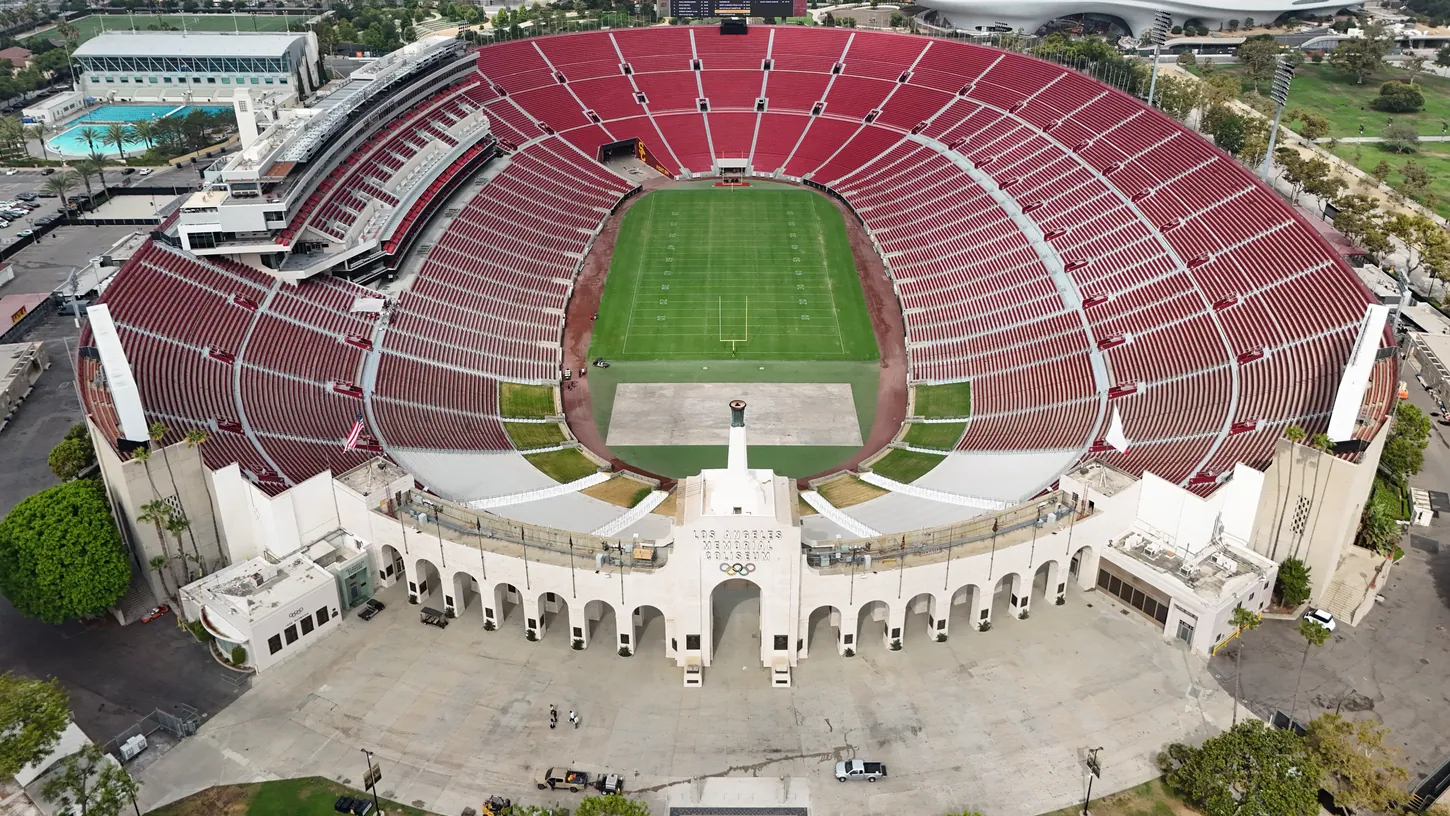
Los Angeles Police Chief Jim McDonnell says agricultural spray drones from California’s Central Valley could be weaponized against the 2028 Olympics, and that getting technology, training and authorizations up to speed for drone threats is going to be a challenge. His comments were part of an ABC7 Los Angeles report on Olympic security planning published Saturday, with about 600 days left before the Games open.
The U.S. Secret Service leads that planning, and police leaders met at its downtown Los Angeles offices on Wednesday for their quarterly session on the Games.
In April, the Los Angeles City Council accepted a $9,770,209 federal grant for an LAPD counter-drone network bought for this summer’s World Cup. The city’s administrative officer wrote then that LAPD personnel had completed the FBI’s counter-drone training. ABC7’s report does not say what McDonnell thinks the Olympics still require.
McDonnell Named Central Valley Spray Drones and Drone-Carried Ordnance as Olympic Threats
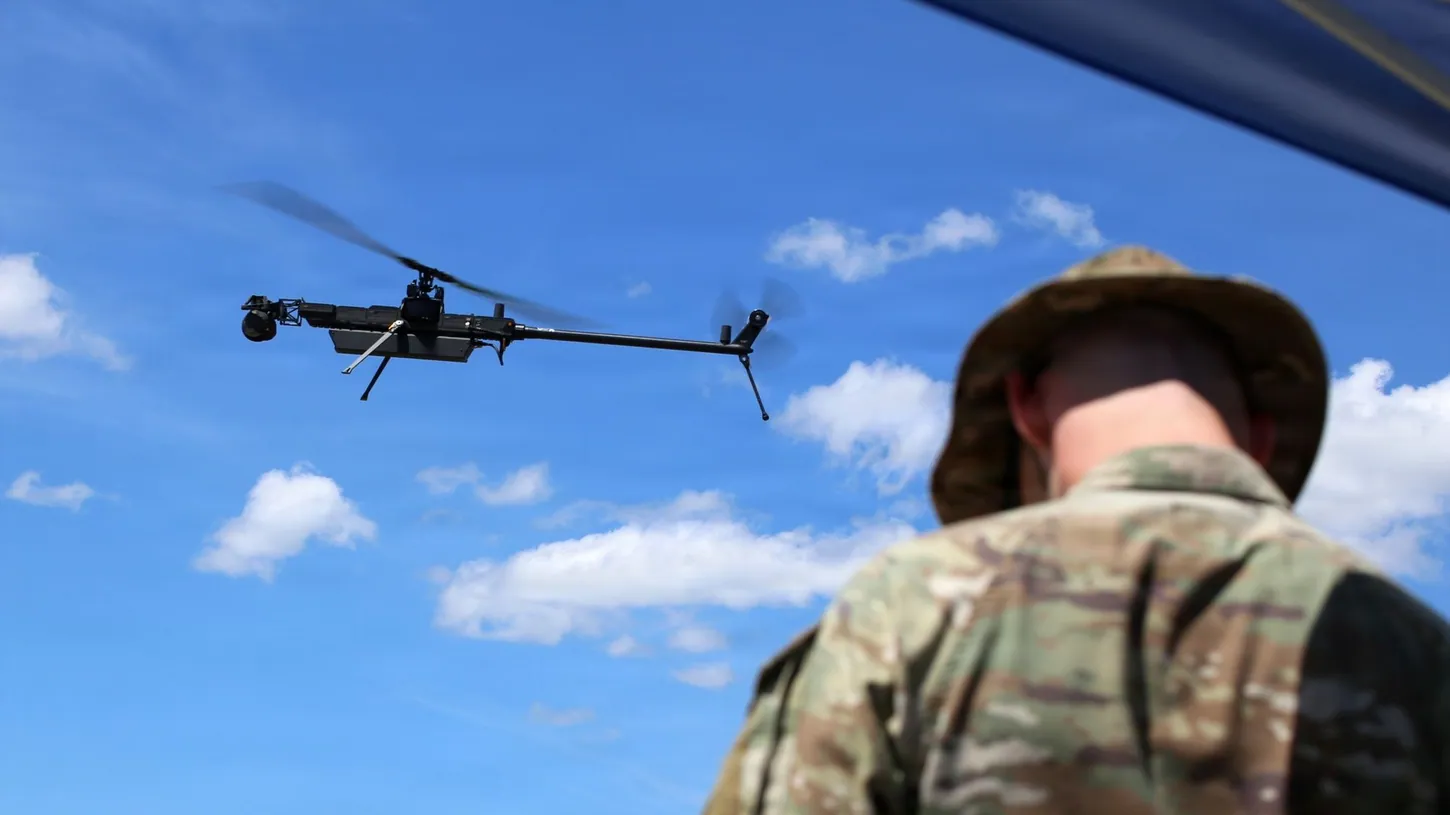
McDonnell described two drone threats to the Games. One is an agricultural spray drone from the Central Valley carrying something other than farm chemicals, and the other is a drone with ordnance attached. He pointed to the large drone strikes in wars overseas as the reason his department is preparing.
“All of these threats today are very real,” he told ABC7. The station’s report names no specific plot against the Games.
The nearest case on record happened in New Jersey. Fifteen Ceres Air C31 spray drones left a Harrison warehouse on March 24 on a forged bill of lading, and the FBI treated the theft as possibly coordinated. Warehouse workers found all 15 about 30 miles (48 km) away a month later, and no arrests had been announced when DroneXL reported the recovery.
Jeff Stohler, the acting special agent in charge of the Secret Service’s Los Angeles field office, told ABC7 that a typical National Special Security Event covers one to three venues for a couple of days. The Olympics will be 20 security footprints over more than 40 days. ABC7 put the number of officers needed at the venues at roughly 9,400, more than the LAPD’s entire force, and said more than 50 agencies share responsibility for securing the Games.
McDonnell also put a price on it this week. He told the Los Angeles Times on Wednesday, ahead of the quarterly meeting, that securing the Games could cost $3.5 billion to $4 billion in total, with about $1.3 billion of that for Los Angeles alone, according to the Times report carried by Officer.com. Congress has approved $1 billion. An LAPD spokesman told the Times the chief’s figures came from conversations with other law enforcement leaders planning the Games, and Los Angeles County Sheriff Robert Luna and California Highway Patrol Commissioner Sean Duryee said they had been told the total had reached $3 billion or more.
Los Angeles Approved a $9.77 Million LAPD Counter-Drone Network in April
The council voted 13-0 on April 21 to accept the FEMA grant, and the mayor approved it three days later. The money pays for a citywide sensor network, two fixed sites that can stop a drone, mobile units and a handheld device, all bought for this summer’s World Cup.
The council file puts the radio-frequency sensors at 24 fixed locations across the city. The two fixed mitigation sites are the Police Administration Building downtown and the Mt. Lee communications tower. The mobile equipment is three tactical kits, three trailer-mounted radar and camera units, a handheld mitigation device, a command-and-control tracking system and a response van.
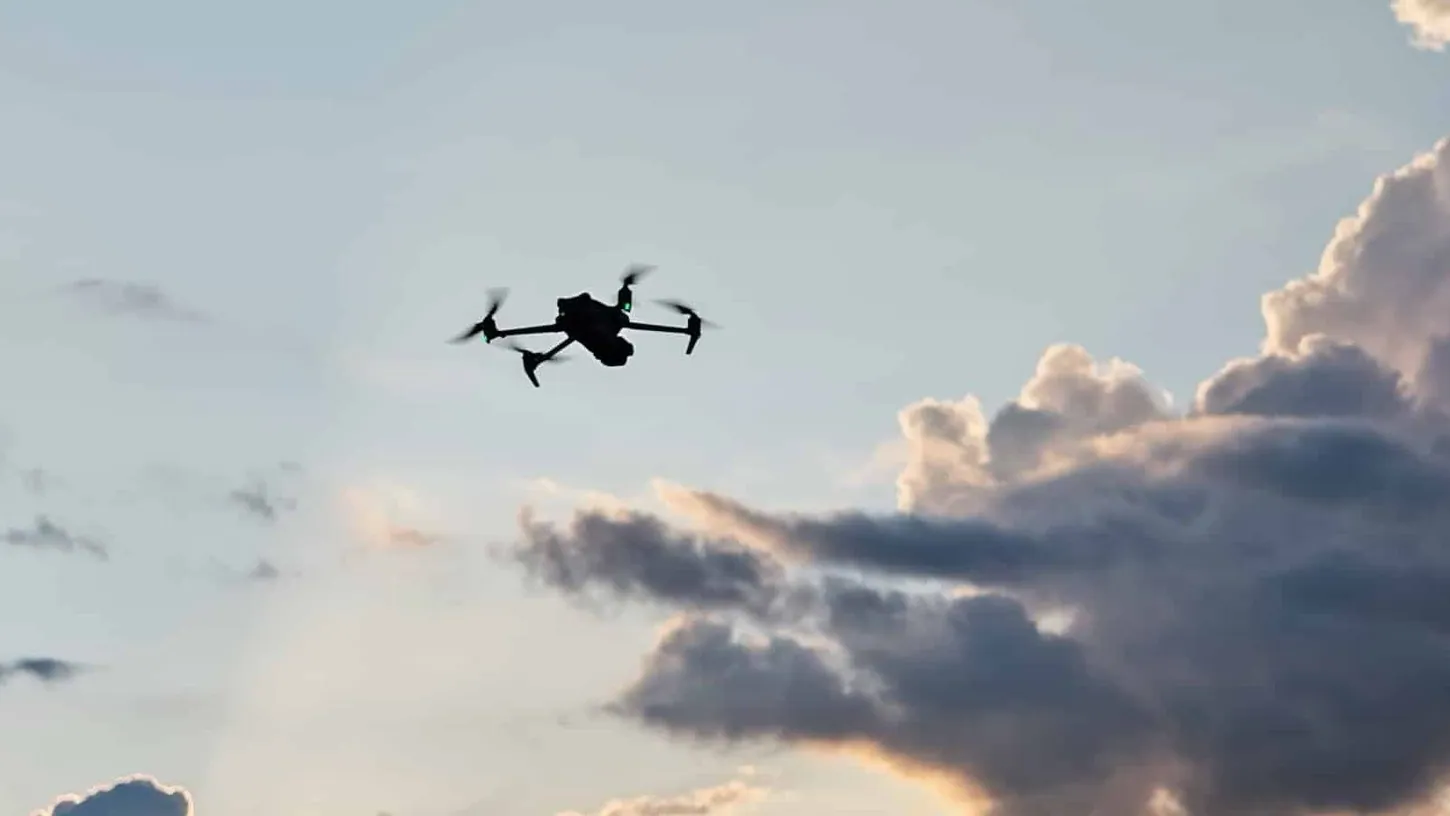
The administrative officer’s report says the sensors read drone control signals, including OcuSync, the link DJI drones use, and report the aircraft’s position and the pilot’s location on the ground. It describes the mitigation tools as signal interruption and control override, used remotely and not kinetically. The report calls the award the largest to any California municipality. It also says LAPD personnel had completed training at the FBI’s National Counter-UAS Training Center and were “ready to deploy upon delivery of the equipment.” That assurance covered one equipment package for one tournament, and the Olympics by Stohler’s count is 20 security footprints over more than 40 days.
Local police have had legal authority to take down a drone since July 1, when a Justice and Homeland Security interim final rule took effect. Only certified officers can do it, the agency needs a written, lawyer-reviewed policy, and every operation gets its own FAA airspace coordination.
California gets $18.7 million from FEMA’s second counter-drone round, 46% less than it got for the World Cup, and FEMA expects to issue those awards on December 10. The state decides how that money is divided among its agencies, as it did with the LAPD’s first award. Homeland Security says its own drone planning for LA28 has started.
DroneXL’s Take
I don’t doubt the threat McDonnell described. Drones carrying explosives are a daily fact in Ukraine, and a spray drone is built to lift a heavy tank of liquid and release it over a target.
The city’s own paperwork shows the LAPD is not starting from zero. It has a $9.77 million World Cup network on the books and officers the FBI has already trained. The Olympics is a much bigger job than one tournament, and I think the chief should tell the council which parts of it that network can’t cover, because the answer decides what the next round of grant money should buy.
Spray drones are farm equipment, and the one large theft on record ended with all 15 aircraft sitting in a warehouse. I’d keep that record in mind when the Central Valley comes up in Olympic threat briefings.
Sources: ABC7 Los Angeles, Los Angeles Council File 26-0306, City Administrative Officer report, April 3, 2026, Los Angeles Times via Officer.com, DOJ and DHS interim final rule.
DroneXL uses automated tools to support research and source retrieval. All reporting and editorial perspectives are by Haye Kesteloo. Read our editorial standards.
Advertise with DroneXLYour company hereReach 200,000+ drone readers a month with a sponsored article, a banner on your beat, or a partnership.See the options →