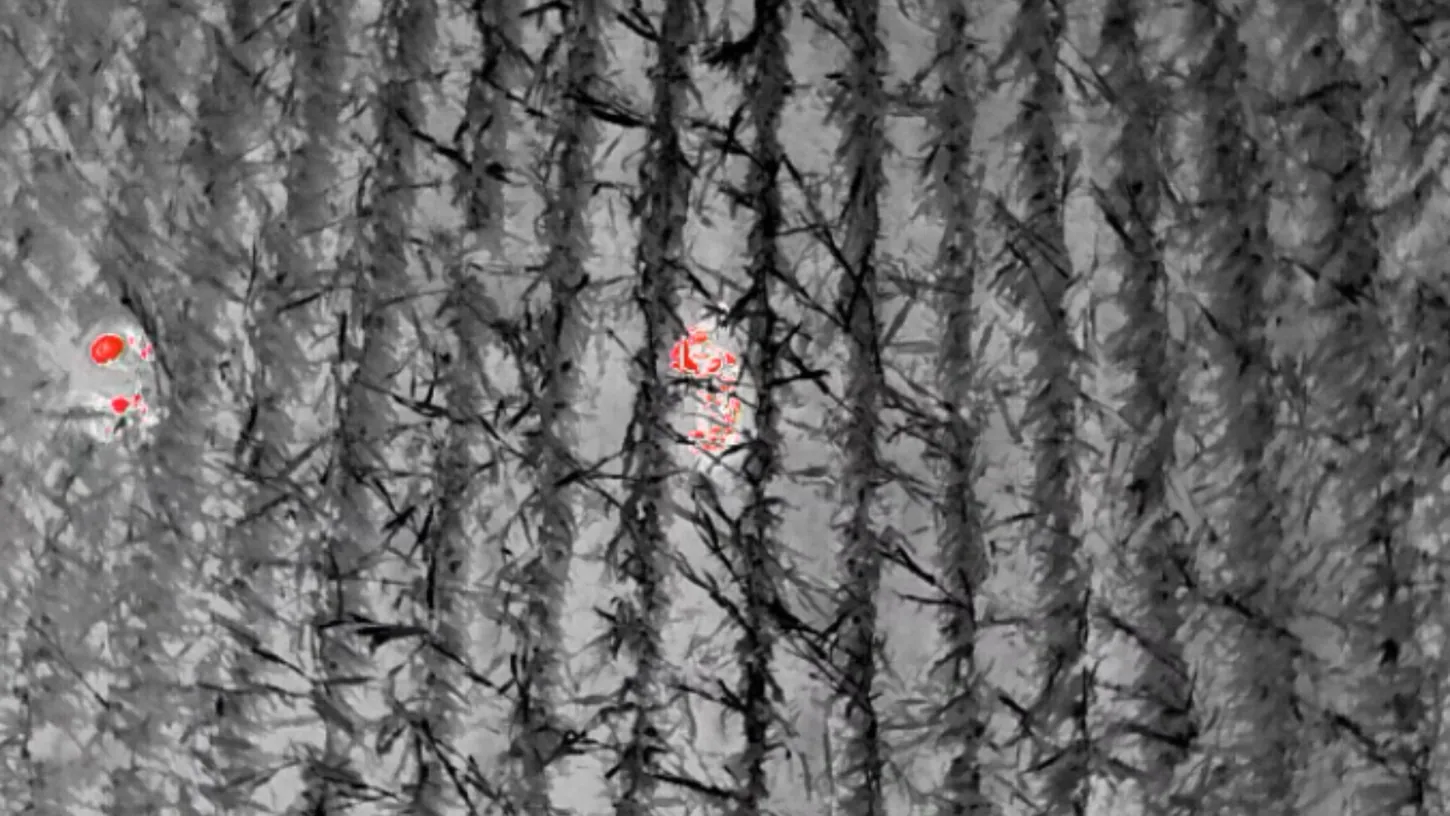
A 15-year-old on an electric motorcycle spent June 26 popping wheelies and cutting doughnuts at a downtown Palm Springs, California intersection, riding like someone begging for a police pursuit.
The Palm Springs Police Department declined the invitation. A drone launched instead, tracked him from above while patrol cars stayed out of sight, and officers arrested him the moment he parked at a Cathedral City park.
A Wheelie Show Downtown Was An Invitation To Chase
A police sergeant spotted the rider working through traffic, standing the e-motorcycle up on its rear wheel and spinning circles at an intersection. The department says the teen was trying to bait officers into a high-speed chase, the kind of pursuit that gets bystanders hurt.

“We deployed a drone, instantaneously followed him as he drove recklessly throughout the city,” Lieutenant William Hutchinson told KESQ. “We didn’t pursue him because we didn’t want to endanger other motorists.”
The drone stayed on the rider as he crossed into Cathedral City. When he finally stopped at a park, officers who had been directed to the location without his knowledge moved in and took him into custody after a brief scuffle.
The teen was booked on suspicion of reckless driving and resisting an officer. He then added a felony vandalism charge to his day by shattering a patrol car window from the back seat, according to police.
The department posted the drone footage publicly last week, which is why the June arrest is making headlines now. The video shows exactly what the sergeant saw from the ground and what the operator saw from the air: a rider performing for a chase that never came.
The Drone Followed While The Patrol Cars Stayed Put
The tactic on display has a name in this industry: pursuit avoidance, and it may be the strongest argument drone as first responder programs have. A chase needs two participants. When the second one is a quiet camera at altitude, the rider is just a kid doing tricks with an audience he cannot see.

Hutchinson says the drones launch in about 10 seconds and reach most scenes in under a minute. That speed comes from the Coachella Valley Real-Time Intelligence Center, a regional operation launched in December 2024 that runs drone response for Palm Springs, Cathedral City, Desert Hot Springs, Indio, and the Agua Caliente Band of Cahuilla Indians.
The center works the way the best DFR operations do. Staff monitor 911 calls as they come in and launch aircraft from automated docks positioned around the valley, feeding live video to officers in the field before the first unit arrives. Orlando saw the same dynamic in its trial program, where the drone beat officers to the scene a third of the time, a result DroneXL covered in February.
Southern California has seen a wave of young riders on electric bikes and motorcycles pulling stunts in traffic, and departments have struggled with the pursuit math. Chasing a minor at speed through city streets risks lives over a misdemeanor. Letting him ride away teaches every other kid with a throttle that nothing happens. The drone removes that choice entirely: no chase, no escape, no lesson lost. The rider gets his day in juvenile court, the intersection keeps its pedestrians, and the department keeps its patrol cars intact, minus one window.
The Valley Runs Its Response On DJI Hardware
The aircraft behind this arrest deserve a spec sheet, because the Coachella Valley made an unfashionable choice. The regional program flies four DJI Matrice 4TD drones, thermal and multi-sensor aircraft, from four DJI Dock 3 automated launch and recovery stations, with radar coverage across roughly 37 square miles (96 square kilometers) of the valley, a footprint Hutchinson has called the largest single first responder drone coverage area in the country.

DroneXL covered Cathedral City hitting 90 percent call coverage on that same DJI hardware in June, and neighboring Palm Desert weighing DJI drones for its own program in May. While Washington debates banning the manufacturer, the desert cities keep buying what works.
These departments are not afraid to fly DJI. They know how to protect a budget, and they pick their aircraft on quality instead of political pressure from Washington. The 10-second launch that ended a baiting game in Palm Springs is what that procurement decision looks like in the field.
DroneXL’s Take
I write about police drone programs every single day, and the pattern across this year is hard to argue with: departments are working more efficiently and more effectively, saving time and above all man-hours. The drones are giving us more benefits than losses, and this arrest is a clean example. One operator, one aircraft, zero pursuit, and a rider in custody without a single patrol car running a red light to get him.
The man-hours math is the underrated part. A pursuit ties up multiple units, a supervisor, and sometimes a helicopter, then generates hours of paperwork and review. The drone version of this arrest occupied one screen at a regional center that five agencies already share.
The DJI angle matters just as much. This is the same week the industry keeps asking whether American departments can afford to lose access to Chinese hardware, and the answer from the Coachella Valley is a 37 square mile radar footprint built on Matrice 4TDs. Watch whether the federal review of DJI moves before programs like this one have to answer for their fleet. The valley’s bet is on the machines, not the politics.
Sources: Officer.com, KESQ, KTLA
DroneXL uses automated tools to support research and source retrieval. All reporting and editorial perspectives are by Haye Kesteloo.