Twenty-nine governors from both parties have asked the Trump administration to open up counter-drone training for the state and local agencies that gained the power to take down drones under the Safer Skies Act. North Carolina Gov. Josh Stein and South Carolina Gov. Henry McMaster led the October 6 letter to Attorney General Todd Blanche, Secretary of War Pete Hegseth and FBI Director Kash Patel.
The governors want more seats at the FBI’s counter-drone school, a dedicated course for prison staff, and access for National Guard members. Without more training, they write, many jurisdictions will not be able to use the authority Congress gave them.
The federal rule that has run the program since July 1 already offers the prison course. It also lets the Attorney General open the extra training sites the governors want.
The Federal Rule Already Offers a Prison Course and Allows New Sites
Section 124.5 of the interim final rule states that the FBI’s National Counter-UAS Training Center offers an abbreviated Correctional Mitigation Certification for prison staff. The same section lets the Attorney General add sites for the full mitigation course. That choice is his alone and carries no obligation to any agency.
The rule spells the prison course out in some detail. It is shorter than the standard mitigation course because a prison’s fixed perimeter and constant threat need less mission planning, and holders may only act at a prison. The FBI may hand delivery to the Federal Law Enforcement Training Centers or another qualified provider while it keeps control of the curriculum.
The letter cites neither provision. It asks the departments to “urgently develop” a corrections curriculum, and its version is wider than the rule’s: it adds evidence collection and coordination with police to a certificate the rule limits to mitigation at a prison.
South Carolina has the most reason to push. Aubrey Richardson, who runs the State Law Enforcement Division’s counter-drone unit, told lawmakers this spring that hundreds of drones fly over the state’s prisons and military bases every year, as DroneXL reported in May.
Mitigation Training Runs Through One FBI School in Huntsville
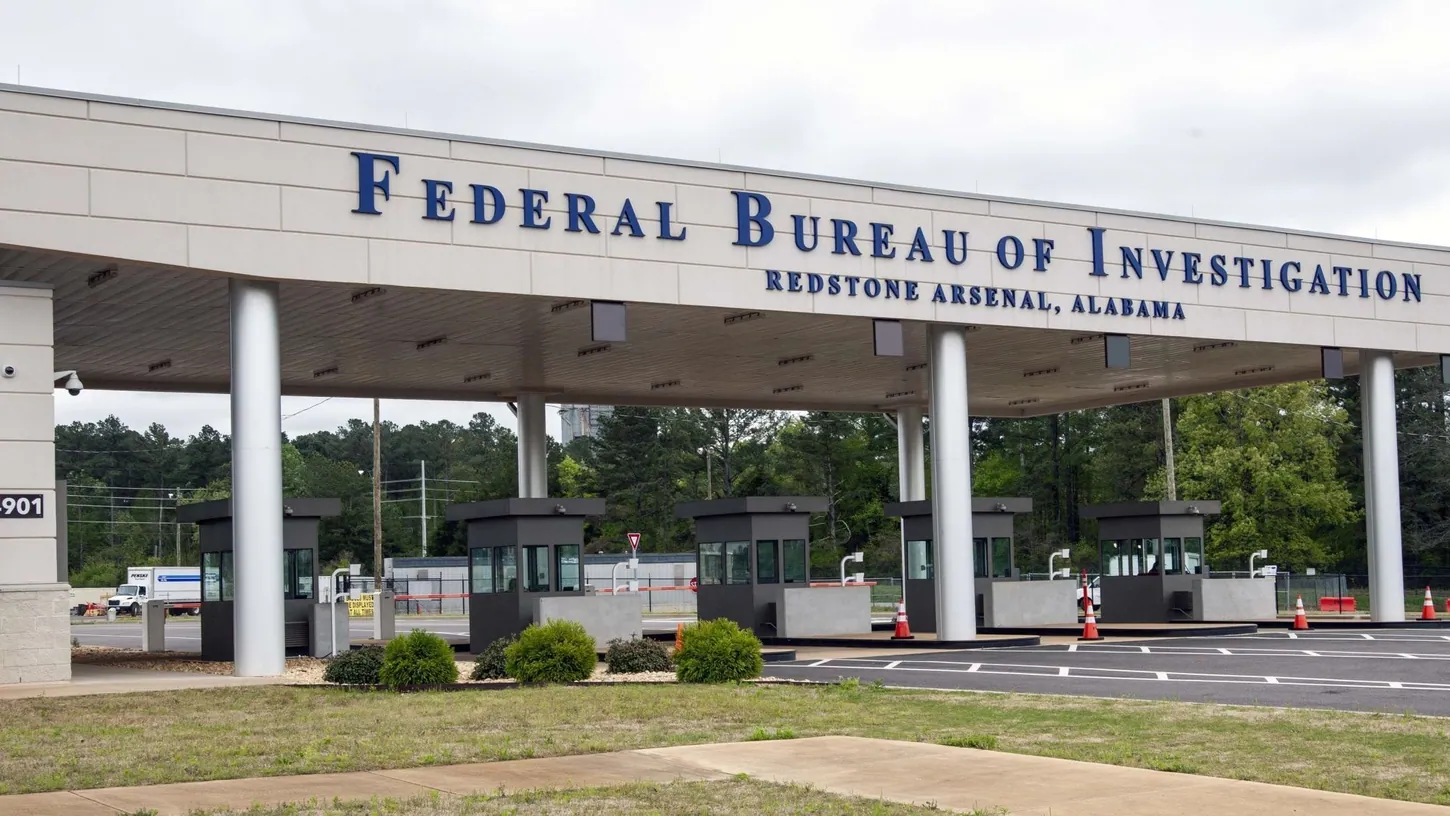
Only resident training at the FBI school in Huntsville, Alabama, qualifies an officer to take down or take control of a drone. The school had certified 61 officers across about 46 agencies by July 6, and the departments expect 150 agencies at that tier within two years.
The detection tier is an online course, and the departments expect about 1,500 agencies to hold it in the same window. The bottleneck the governors describe is the gap between those two numbers. The FBI told FedScoop in August it expects to train 250 more mitigation officers by the end of next fiscal year.
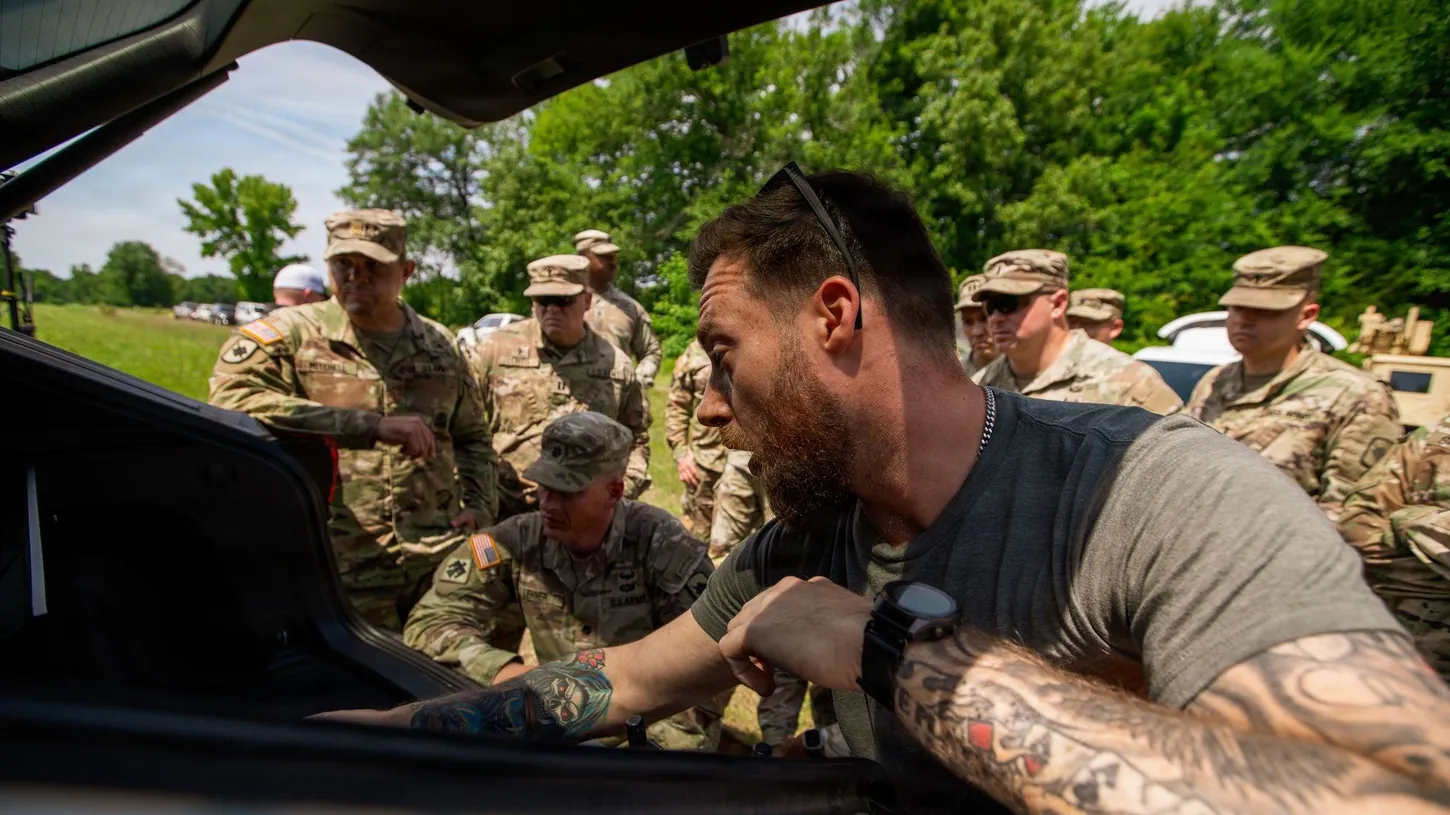
Associate Attorney General Stanley Woodward said on October 1, five days before the letter went out, that the school would more than double its capacity in its second year, without giving a baseline. The War Department already helps: Joint Interagency Task Force 401 embeds instructors in the school’s operator course.
The National Guard Request Reaches Past the Safer Skies Act
The Safer Skies Act extended counter-drone authority to state, local, tribal and territorial law enforcement and correctional agencies. The National Guard is not on that list. The 2026 rule implementing the act never mentions the Guard, so training Guard members would not by itself give them the power to act.
The letter asks for Guard training through the FBI school or War Department programs, citing the Guard’s role at major events and critical infrastructure. Washington Gov. Bob Ferguson signed it. His state’s Guard ran a tabletop exercise in November 2025 that simulated a drone attack on Seattle’s Lumen Field during a World Cup match, and responders reported running into limited authorities across levels of government.
Congress has a bill for the authority itself. Rep. Michael McCaul introduced the Guard the Skies Act, H.R. 8697, on May 7. It would let the Guard protect facilities from drones at a governor’s request with the defense secretary’s approval, and it was referred to three House committees.
DroneXL’s Take
I’d have the Justice Department run the prison course before anything else on this list. A certificate that only works inside one prison perimeter is the narrowest counter-drone power the government can hand out. A corrections officer who can knock down a drone carrying drugs over a yard holds far less power than a deputy with a jammer at a parade.
Prison enforcement also helps the rest of us. A drone dropping contraband over a prison fence is a crime in progress, which is a different picture from the World Cup, where more than 700 drones were seized and none carried ordnance. Seizures at a prison catch smugglers, and nobody can turn those numbers into an argument against hobbyists. The DOJ wrote this course into its own rule in July. If governors from 29 states still felt they had to ask for it in October, the FBI should put corrections classes on the calendar and say when they start.
Sources: Office of Gov. Josh Stein, Federal Register, AVweb, DVIDS, GovInfo, Military Times
DroneXL uses automated tools to support research and source retrieval. All reporting and editorial perspectives are by Haye Kesteloo. Read our editorial standards.